‘Investing in people:’ UDOT breaks ground on 2100 North freeway project in Lehi
-
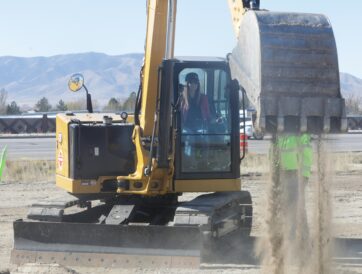
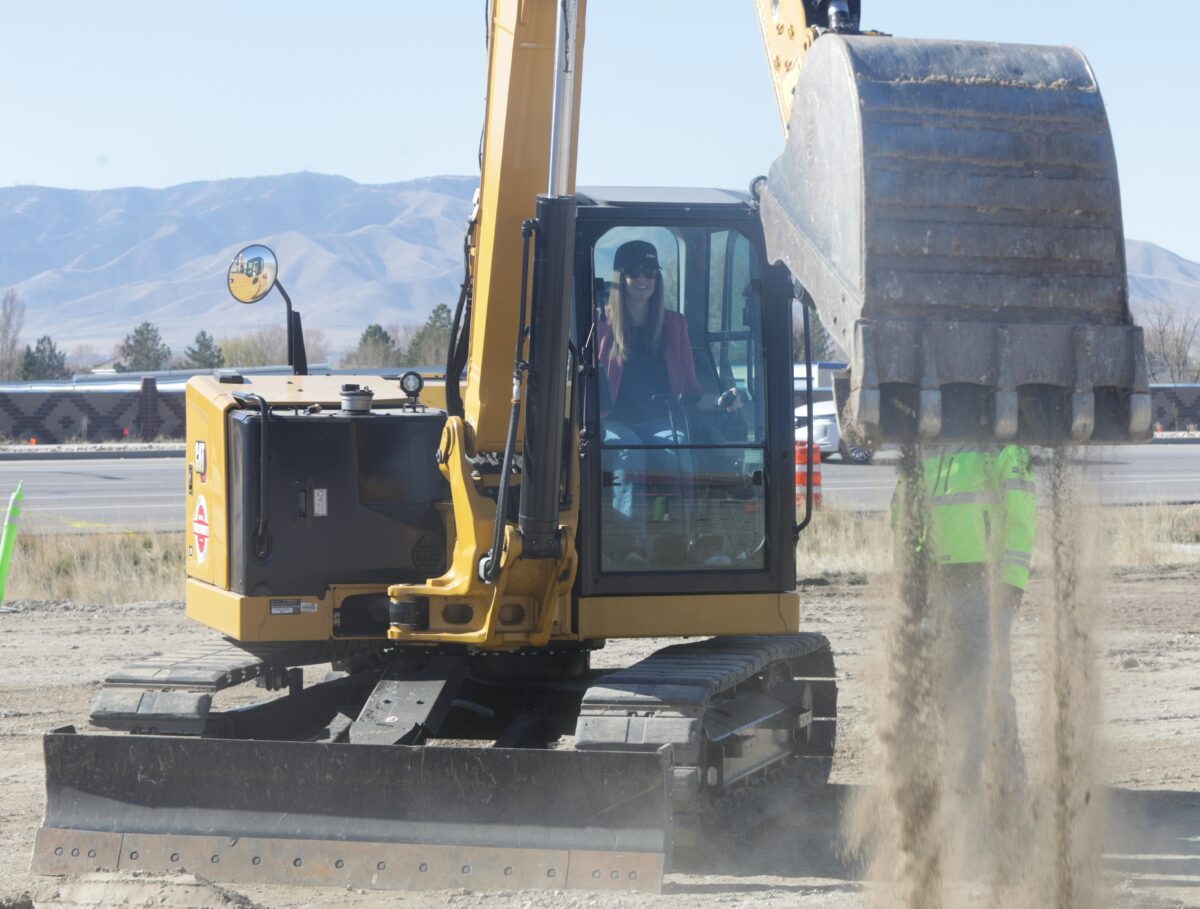
- Utah Rep. Stephanie Gricius breaks ground on the 2100 North Freeway on Wednesday, March 18, 2026, in Lehi.
-
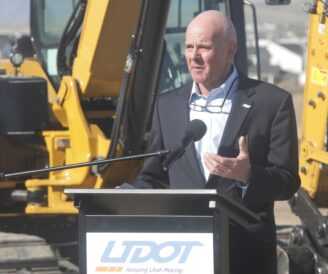
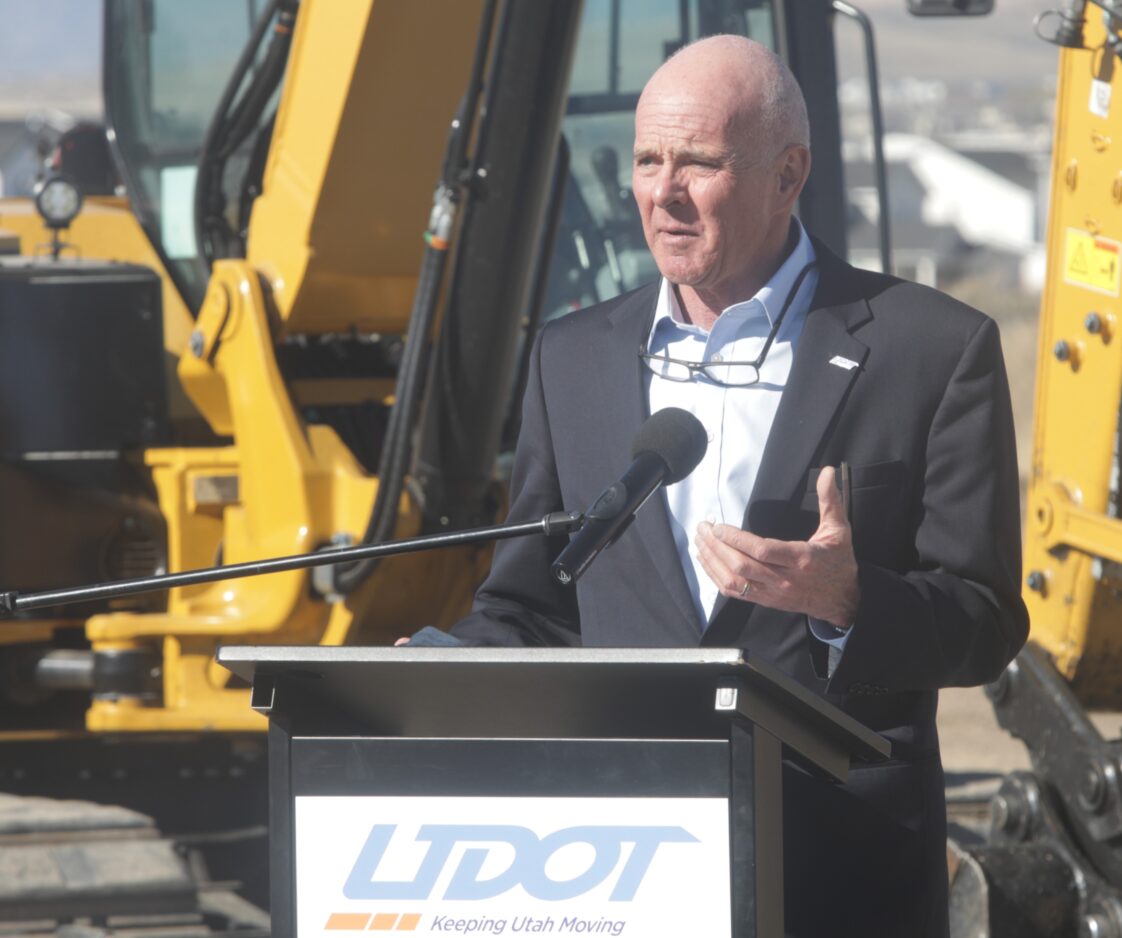
- UDOT Executive Director Carlos Braceras speaks at a groundbreaking for the 2100 North Freeway on Wednesday, March 18, 2026, in Lehi.
-
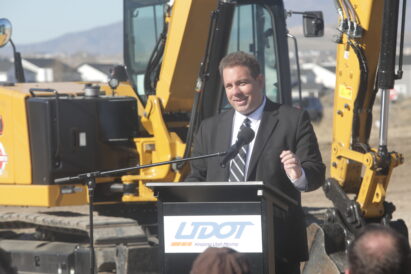
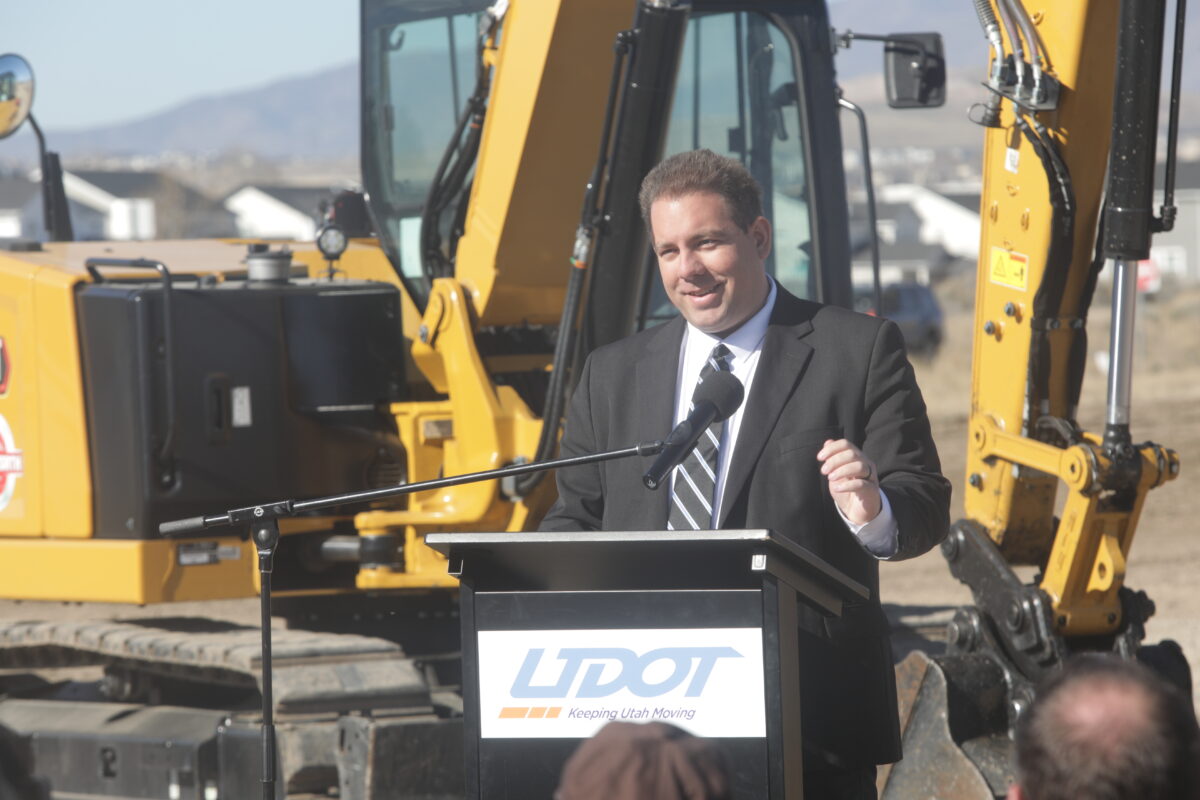
- Utah County Commission Chair Skyler Beltran speaks at a groundbreaking for the 2100 North Freeway on Wednesday, March 18, 2026, in Lehi.
Driving to and from Eagle Mountain or Saratoga Springs during peak travel hours is no easy feat — ask anyone who’s had to do it.
Countless horror stories were shared by state and local leaders at the Utah Department of Transportation’s celebration for the start of 2100 North Freeway construction Wednesday morning in Lehi.
District 50 Rep. Stephanie Gricius said one of her constituents lost her job because she got stuck in traffic for the umpteenth time. Utah County Commission Chair Skyler Beltran said a grandparent told him they can’t see their grandkids’ sporting events on weekends in Eagle Mountain because it takes too long to get there.
Even Speaker of the House Mike Schultz, who hails from Weber County, can’t forget the time he got stuck in rush-hour traffic trying to get home from Camp Williams.
Wednesday marked another benchmark in the state Legislature’s billion-plus-dollar effort to solve the region’s traffic crisis as UDOT broke ground on the freeway project.
The new 2.8-mile, east-west, six-lane freeway will connect Mountain View Corridor to Interstate 15 and improve the link between the Eagle Mountain, west Lehi and Saratoga Springs communities and the rest of the Wasatch Front, saving commuters approximately 12 minutes during peak travel times by its estimated late 2028 completion date.
“When we invest in infrastructure, we’re not just investing in roads. We really are investing in people,” said Gricius, who represents Eagle Mountain and Cedar Valley. “The reason we do it … it’s about the burden and the human capital that people are experiencing. They’re taking time away from loved ones. They’re paying higher maintenance costs on their vehicles.”
The project is the culmination of extensive planning by UDOT to ensure a six-lane freeway could be built with minimal impact on the surrounding community.
UDOT Executive Director Carlos Braceras said the project has been in the works since 2001. The state spent years acquiring land to ensure it had the space to build a freeway at 2100 North. The existing 2100 North frontage roads are built with a wide gap between them, where the new freeway will be constructed, ensuring limited disruption to nearby properties.
“What you’re seeing here is the result of decades of planning just to forecast where we’re going to live and work, and where people need to get to and from, and accommodating that traffic in a way that impacts people’s lives as minimally as possible,” UDOT Region 3 Director Rob Clayton said. “And so we’re going to be able to build this project with almost all the right of way that we need already acquired.”
Construction in the middle space will leave room for traffic to continue moving during the two-plus-year construction process, Clayton said. The project will also involve the construction of 14 overpasses and two pedestrian bridges.
With the recent completion of Mountain View Corridor from Salt Lake County to 2100 North, and the 2100 North freeway project now in motion, individuals will soon have multiple viable options to get to and from Salt Lake and Utah counties.
“With this connection, you’ll be able to pass to and from I-15 and Mountain View Corridor,” Clayton said. “And really, it just gives you more travel options with less congestion. So the reliability, or the ability to predict how long your trip might take, is going to be valuable.”
Beltran said the project is also “the key to unlocking” future business opportunities in the western part of the county, where the number of jobs and amount of commerce don’t reflect the existing number of residents.
Gricius added that many people move to west Utah County for housing affordability, and this project will help make everyday living more affordable as well.
“This is everything to the everyday Utahn,” she said.
Local News
‘Investing in people:’ UDOT breaks ground on 2100 North freeway project in Lehi

Women may now serve in ward Sunday School presidencies, The Church of Jesus Christ of Latter-day Saints announces