
Canada’s Ten Provinces, Ten Rulebooks: How Gambling Oversight Is Split
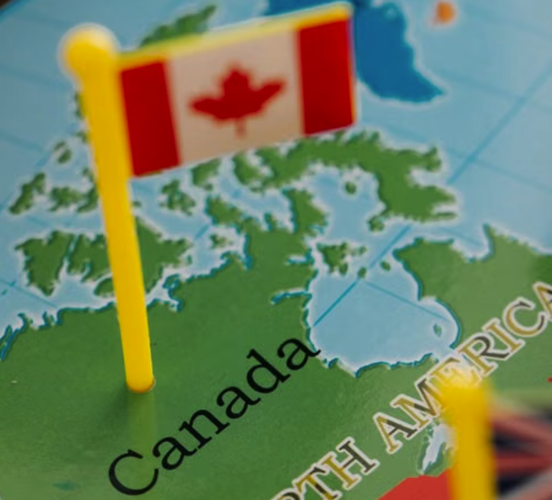
Canada has no single national casino regulator. Under the Criminal Code, provinces are responsible for conducting and managing gambling, which means each of the ten provinces has its own rules, its own agencies and its own approach to online play. For a reader in the United States who is curious about how the system works north of the border, the patchwork can look confusing at first. A broader look at the best gambling sites in Canada appears in a Toronto Star feature, and this article explains why the picture varies so much from one province to the next.
Why gambling is a provincial matter
The federal Criminal Code sets out which forms of gambling are illegal, and it allows provinces to run or license gambling within their borders. In practice, that means each province designs its own system. Some use a provincial lottery corporation to operate online casinos directly. Others license private operators under a regulator. The result is a mix of models under one flag.
A quick tour of the models
**Ontario.** Ontario operates an open, regulated market. The Alcohol and Gaming Commission of Ontario licenses operators, and iGaming Ontario manages agreements with them. The minimum age is 19.
**Alberta.** Alberta opened a regulated market of its own in July 2026, overseen by the Alberta Gaming, Liquor and Cannabis commission. The minimum age is 18.
**Quebec.** Loto-Québec runs the province’s official online gambling offering, with oversight from the Régie des alcools, des courses et des jeux. The minimum age is 18.
**British Columbia.** The British Columbia Lottery Corporation operates the provincial platform. The minimum age is 19.
**Manitoba.** Manitoba’s provincial platform is run by the Manitoba Liquor and Lotteries. The minimum age is 18.
**Atlantic provinces.** The four Atlantic provinces work through the Atlantic Lottery Corporation. Minimum ages follow provincial law.
**Saskatchewan.** The provincial gaming corporation runs the platform. The minimum age is 19.
The details change over time, so it is wise to check a provincial source before relying on any summary.
What this means for players
Because the rules are local, the experience can differ. Age requirements differ, so a person who is old enough to gamble in Quebec may not be old enough in Ontario. Available operators differ, so a site that is legal in one province may not be in another. Responsible gambling tools and helplines are also provincial.
Location matters in a practical sense too. Regulated platforms use geolocation to confirm where you are when you play, which means moving across a provincial border can change what is available to you.
Where federal rules still apply
Some things are national. Criminal Code provisions apply everywhere, and federal tax treatment is the same across the country. Recreational winnings are generally not taxed as income, and the Canada Revenue Agency publishes the guidance. The Competition Bureau and other federal agencies can also be involved in matters like misleading advertising.
A note for visitors and cross-border readers
Americans visiting Canada sometimes ask whether they can use Canadian online casinos. The answer depends on the province, the operator and the visitor’s location at the time. Many regulated platforms are intended for residents and require identity verification linked to Canadian details. A visitor should confirm the rules with the operator and the provincial regulator before trying to register.
Readers around Utah and elsewhere who follow community reporting, such as that from the Daily Herald, will know that gambling law in the United States is also divided by state, and the comparison helps. Both countries have a patchwork. The difference is in who sets the rules and how much is delegated.
How to find the right rulebook
1. Identify the province where you will be located.
2. Look up that province’s regulator or lottery corporation.
3. Check the minimum age and the list of authorized operators.
4. Read the responsible gambling section on the platform.
5. Use the Responsible Gambling Council and provincial resources for tools and information.
Staying in control
No matter where you play, the principles are the same. Gambling is entertainment with a built-in cost. Set a budget, set a time limit and stop when either is reached. Do not use money needed for bills, and do not chase losses.
The takeaway
Ten provinces mean ten rulebooks, and the differences are real. A regulated platform in your own province gives you the strongest protections, a known regulator and tools that are suited to local law. Start with the rules where you are, and everything else becomes easier to understand.
You must be 19 or older to gamble in most provinces, or 18 in Alberta, Manitoba and Quebec. Gambling can be addictive. If it is affecting you or someone close to you, the Centre for Addiction and Mental Health offers confidential support at 416 535-8501, press 21.