Chamber Chat: Health care is the #1 concern of Utah employers
-

- Scott Barlow
-
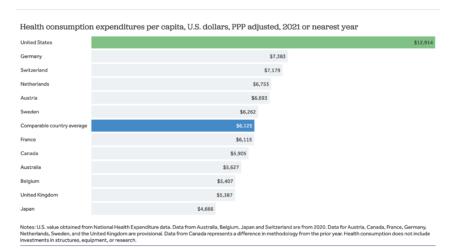
- A graph showing U.S. health care spending vs. other developed countries.

Courtesy photo
Scott Barlow
The United States is the highest-spending country worldwide when it comes to health care. In 2020, total U.S. health care expenditures exceeded $4 trillion, translating to a spend of almost 17% of the country’s GDP. This is the highest percentage among developed countries. For example, the average percentage of per capita spending in EU countries is 8.5%, underscoring the disparity between the U.S and other first-world countries.
This spending might make sense if it significantly improved health outcomes. However, despite higher health care spending, U.S. health outcomes are not any better than those in other developed countries. The U.S. actually performs worse in many common health metrics like life expectancy, infant mortality and unmanaged diabetes.
This presents significant challenges because a health care system with high costs and poor outcomes undermines our economy and threatens our long-term fiscal and economic viability.
While Utah has one of the lowest per capita health care expenditures in the country — an average of $5,031 per individual — rising health care costs in the Beehive state are the number one concern for Utah employers. This is especially true in Utah Valley where business growth, fueled by Silicon Slopes, is rising at a phenomenal rate — 3.2% in 2022 alone.
With these trends and data in mind, the Healthcare Committee of the Utah Valley Chamber is focused on educating both employers and employees about ways to manage health care costs and improve outcomes in three key areas. These areas of emphasis are consistent with the key differences between the costs of health care in the U.S. and other developed countries, and they can have a significant impact on the long-term disease trajectory and the attendant health care costs.
Courtesy image
A graph showing U.S. health care spending vs. other developed countries.
These three areas of focus can be summarized by encouraging individuals to seek out the best value in health care by understanding how to receive the right care, at the right time and in the right place. Let me elaborate.
Right Care
Receiving the right care means working collaboratively with your health care provider to pursue health care options that are medically necessary, not duplicative, and tailored to your specific needs. This type of care results in the best, most cost-effective outcomes. By proactively engaging and understanding health risks and making informed decisions, patients become active participants in their own care. This can lead to improved adherence to medication plans, stronger working relationships with providers to manage chronic conditions, and an increased motivation to seek and implement timely medical advice. The right care also means pursuing a holistic, integrated approach to health care that addresses both medical and behavioral health support.
Right Time
Receiving care at the right time is about proactively identifying conditions before they result in chronic or life-threatening conditions. This is known as preventive care. Regular annual physicals and screenings are essential to this approach. Other examples of preventive care include, vaccines, colonoscopies, depression screenings and mammograms, most of which are covered 100% by insurance.
Right Place
The site where you receive health care services has a huge impact on costs and outcomes. For instance, the exact same diagnostic tests can have vastly different price tags depending on where you get them done. This is why we encourage patients to educate themselves about costs associated with different sites of care.
Another example is when individuals experience an urgent condition. Often, the tendency is to rush to the ER. In many cases, however, issues such as lacerations, severe headaches, UTIs or anxiety can be addressed in either a primary care or urgent care setting. The average ER visit in Utah costs an individual nearly $1,500 compared to a primary care or urgent care visit, which averages less than $200.
Some patients believe that if they have insurance, they don’t need to worry as much about costs. However, even if you have insurance, you will pay a portion of that higher cost through co-pays, co-insurance or your deductible. Overall, patients should be aware of the differences in cost associated with different sites and make their decisions about where to seek care accordingly.
The Healthcare Committee of the Utah Valley Chamber encourages everyone to embrace the power of prevention and work toward a future where disease is minimized and health care remains accessible and affordable for Utah residents.
Scott Barlow is Chief Executive Officer of Revere Health, based in Provo.