BYU researchers perform role in organizing, sharing innovative cancer dataset
-
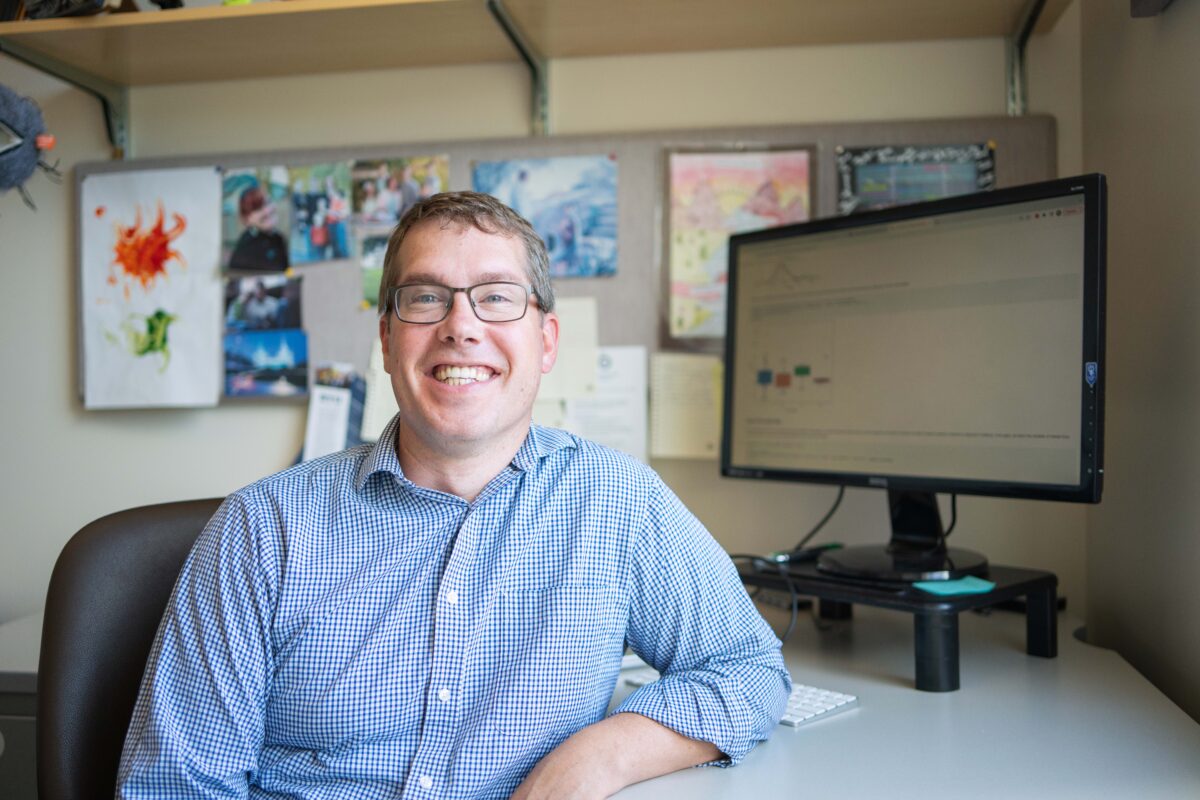
- Dr. Sam Payne, a bioinformatics professor at BYU, has been assisting with cancer research through the Clinical Proteomic Tumor Analysis Consortium.
-
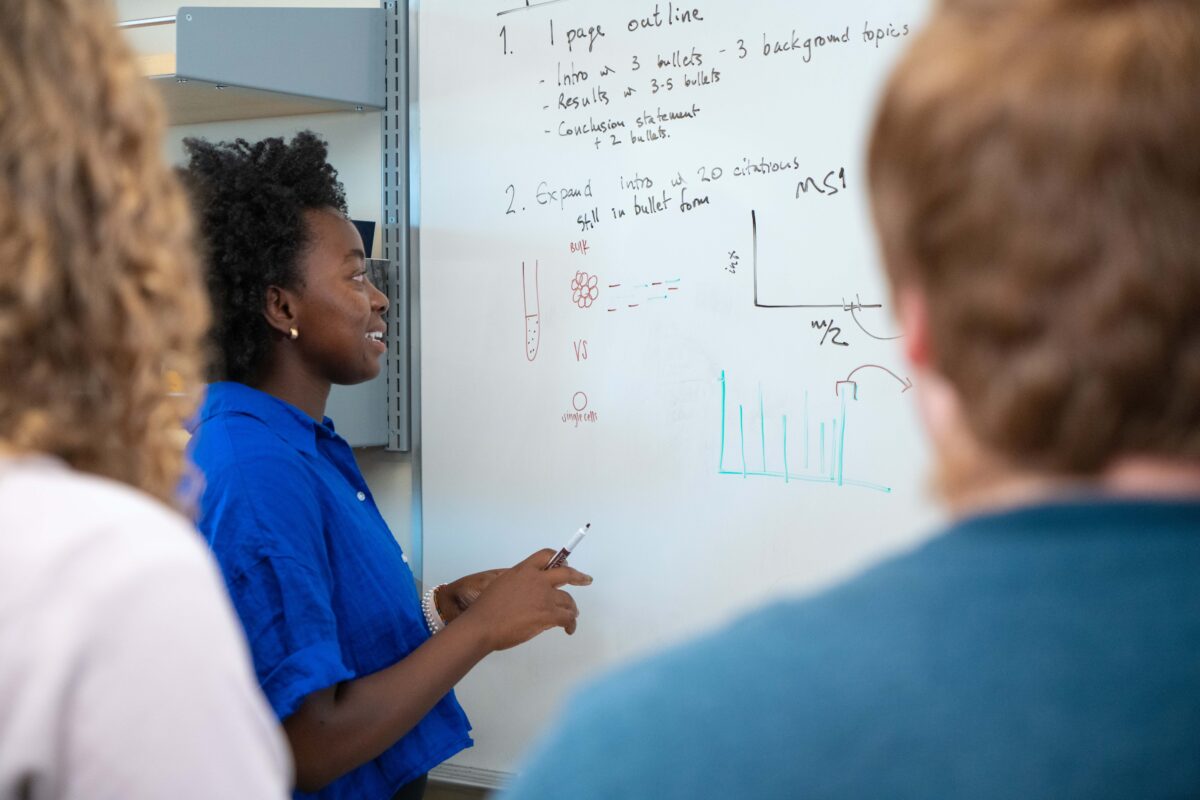
- The Sam Payne Lab at BYU helps share cancer research data for the Clinical Proteomic Tumor Analysis Consortium.
Using an innovative approach to tumor research, the Clinical Proteomic Tumor Analysis Consortium (CPTAC), founded by the National Cancer Institute, studied over 1,000 tumor samples from 10 different cancer types. The results generated a vast amount of data that will improve our understanding of cancer’s mechanisms, thereby paving the way for advancements in pan-cancer treatment strategies.
The CPTAC investigates tumors through three primary lenses — genomic, transcriptomic and proteomic. Each lens represents successive layers of biological information:
- Genomics provides the DNA blueprint of all genes.
- Transcriptomics captures gene expression patterns by quantifying RNA levels transcribed from the DNA.
- Proteomics examines the resulting proteins made from RNA transcripts.
Together, these perspectives provide a comprehensive overview of the molecular process within tumors, bridging the gap between the genetic code and functional behavior.
Dr. Sam Payne, a bioinformatics professor at BYU, has been a leader in CPTAC’s data organization and dissemination. He is the senior author on one of the three seminal papers published in Cancer Cell. Payne’s role with the consortium was to ensure the dataset was coherent, consistent and shared effectively.
“We gathered details about each research team’s data in order to present it in a single application programming interface with the same normalizations and corrections,” said Caleb Lindgren (’23), who worked with Payne as an undergraduate student and is currently a Ph.D. candidate at Harvard. “We made the data consistent in such a way that you could take your analysis of one type of cancer and then use the same analysis to ask the same questions of another cancer type.”
Payne and his research team combined the data into an organized dataset to perform a pan-cancer analysis — grouping different cancer types and looking for trends between cancer and non-cancer tissue. Typically, cancer analyses focus on one type. However, by searching for common behavior trends across cancer types, researchers will discover common mutations that drive cancer progression and can be targeted for treatments. Researchers can also find potential FDA-approved therapeutics that have been used effectively for one type of cancer and use it off-label to treat other cancer types. This may reduce the time it takes for new treatments to reach patients.
Payne’s lab also made the data accessible to other researchers. Generating an expansive amount of data requires significant time, money and effort. Making the data publicly available provides a valuable resource for researchers who have interesting questions but lack the funding or connections to address them independently. CPTAC’s data-sharing effort, facilitated with the help of the Payne Lab, is a compelling effort to improve the collective understanding of cancer and improve treatments.
“One of the most rewarding things for me is when other researchers outside the CPTAC contact me,” Payne said. “I like knowing that people across the globe are finding and utilizing the data to advance the understanding of cancer.”
View this invaluable cancer research resource: https://pdc.cancer.gov/pdc/cptac-pancancer.