Money Matters: How to plan ahead for unexpected home repairs
shutterstock
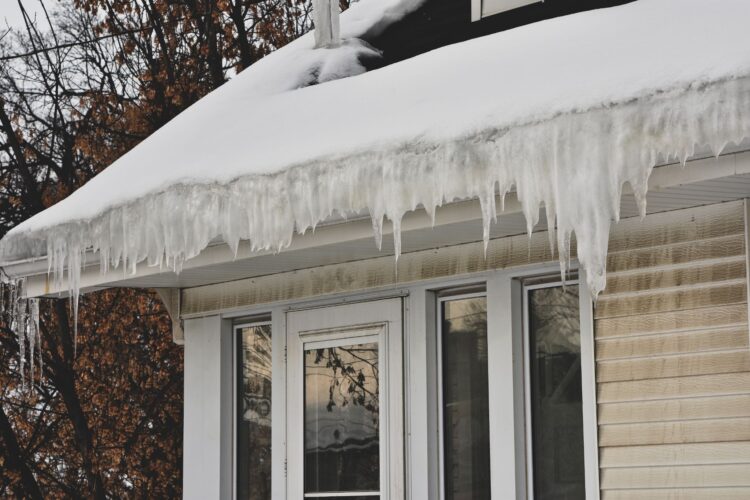
“Removing snow and ice buildup on your roof and inspecting your roof regularly can help prevent more serious damage from occurring,” according to RJ Bunnell of The Roof Guys, a Utah County roofing company.Homeownership comes with many responsibilities, and one of the most important is maintaining the condition of your home.
It takes significant time and effort to purchase a home, but the homeowning adventure only truly begins when you sign the dotted line; you then enter into the tedious and sometimes painful world of house upkeep. And while regular maintenance can help prevent many problems, unexpected repairs are an inevitable part of homeownership.
Within the last year, 47% of homeowners have incurred unexpected costs related to home repairs. Planning ahead for these unexpected repairs can save you time and money in the long run. In this article, we will discuss steps you can take to be prepared for unexpected home repairs, including knowing what homeowners insurance will cover, understanding the most common repair costs for your area, fixing problems preemptively, deciding if a home warranty is right for you and knowing how much you should save for home maintenance and emergency repairs.
Know beforehand what homeowners insurance will cover
Before an unexpected repair arises, it’s important to understand what is covered by your homeowners insurance.
According to the Insurance Information Institute (III), standard homeowners insurance policies typically cover damages caused by fire, lightning, windstorms and hail. They also typically cover damages caused by theft or vandalism. Unfortunately, homeowners insurance typically does not cover damages caused by other natural disasters such as flooding or earthquakes. If you live in an area prone to these types of natural disasters, it may be wise to purchase additional coverage.
It’s also important to note that standard homeowners insurance policies have limits on the amount they will pay for certain types of damages, so it’s important to review your policy and understand the limits of your coverage.
Decide if a home warranty is right for you
When the coverage provided by homeowners insurance is not likely to be sufficient for your home’s needs, you can purchase some extra peace of mind through a home warranty. A home warranty is a service contract that covers the repair or replacement of major home systems and appliances. These contracts can be especially helpful for new homeowners with limited home-care experience and help them to avoid paying for expensive repairs shortly after moving into their home.
Some important features to look out for when purchasing a home warranty are 24/7 service calls, a low rate of claim denial, high coverage gaps and a large network of technicians. Like homeowners insurance, it’s important to understand the limitations of your home warranty. For example, many home warranties have limits on the amount they will pay for a repair and may not cover certain types of damages.
Additionally, the cost of a home warranty can vary depending on the provider; make sure to shop around and compare prices before deciding whether a home warranty is right for you.
Know the most common repair costs for your area
In order to properly plan your budget for home repairs and maintenance, it is crucial to understand the most frequent repair costs. For example, many homes experience difficulties with their heating and cooling apparatuses, such as water heaters, air conditioning units and heaters. These systems have a noticeable impact on quality of life and can be time-intensive and expensive to repair.
Other commonly occurring repairs have to do with plumbing issues, including busted pipes and water damage. Occasionally a homeowner may also need to shell out some cash in order to fix broken home foundations, remove toxins (such as mold or asbestos) or fumigate to get rid of termites.
Homes can incur additional costs due to weather and other factors particular to certain geographic areas. In the Northern Hemisphere, homes often experience extra strain due to the wet, snowy weather. Without proper maintenance and foresight, weather-related problems like ice dams can cause a lot of damage to your home and cause water to leak into a home’s walls, ceilings and insulation.
RJ Bunnell of The Roof Guys, a roofing company serving Utah County, reports that their business sees a marked rise in roof damage caused by winter weather, especially after storms.
“There are plenty of strategies that homeowners can employ to combat ice dams before they become a problem,” Bunnell said. “Removing snow and ice buildup on your roof and inspecting your roof regularly can help prevent more serious damage from occurring. Additionally, proper insulation and ventilation can help prevent snow from building up and leaking into your roof and walls, so close attention should be paid to ensure that your roof has the proper insulation and ventilation it needs.”
While these common home repairs are not 100% avoidable, a breadth of knowledge about these frequent issues can help homeowners implement preventative measures and save for when the inevitable does occur.
Fix problems preemptively
Preemptive maintenance can help prevent unexpected repairs and save you money in the long run. An important but often overlooked facet of home care is a proper home inspection. An official home inspection will help you to know exactly what you are getting and can also clue you into the potential maintenance and repairs your home will require in the near term.
Regular maintenance can extend the life of your home’s systems and appliances, reducing the need for repairs and replacements. While it may be tempting to put off servicing your heating and AC systems, your efforts will be worth it, prolonging the life of your systems and saving you money in the future. By fixing problems preemptively, you can save money and prevent costly repairs in the future.
Save for maintenance and emergency repairs
Finally, it’s important to have a savings plan in place for home maintenance and emergency repairs. According to the National Association of Homebuilders (NAHB), homeowners should budget 1-3% of the home’s value each year for maintenance and repairs. For example, if your home is worth $200,000, you should budget at least $2,000 each year for maintenance and repairs. Unfortunately, a recent report found that homeowners spent an average of $1,953 on emergency home repairs and an additional $2,467 on home maintenance in 2022. Altogether, this suggests that homeowners should prepare to spend around $4,000-$5,000 a year to keep their house in tip-top shape.
One way to ensure that you are consistently saving for home maintenance and repairs is to mentally treat it as if you were saving for a home downpayment. This way, you will always have plenty of funds available for unexpected repairs.
Unexpected home repairs can be stressful and costly, but with proper planning, you can be prepared for when they inevitably strike. It is important to take steps to prepare before repairs are necessary, including understanding what your homeowners insurance covers, knowing the pros and cons of a home warranty, familiarizing yourself with common repair costs in your area, fixing problems preemptively and knowing how much you should save for maintenance and repairs. After implementing these strategies, you can rest easy knowing that you have done everything in your power to make your next home repair as stress-free as possible.
Jacob Bingham is a project manager at Stage Marketing, a full-service content marketing agency based in Provo.
Community

Building toward self-reliance: Community Action readying transitional housing apartments; receives donation from UCAR

Ushering in a new era: New Springville High School opens to the public