Everyday Learners: Summer break and intentional media use
-

- Children prepare to throw candy from atop a float at the Cedar Hills Family Festival parade on June 11, 2022.
-

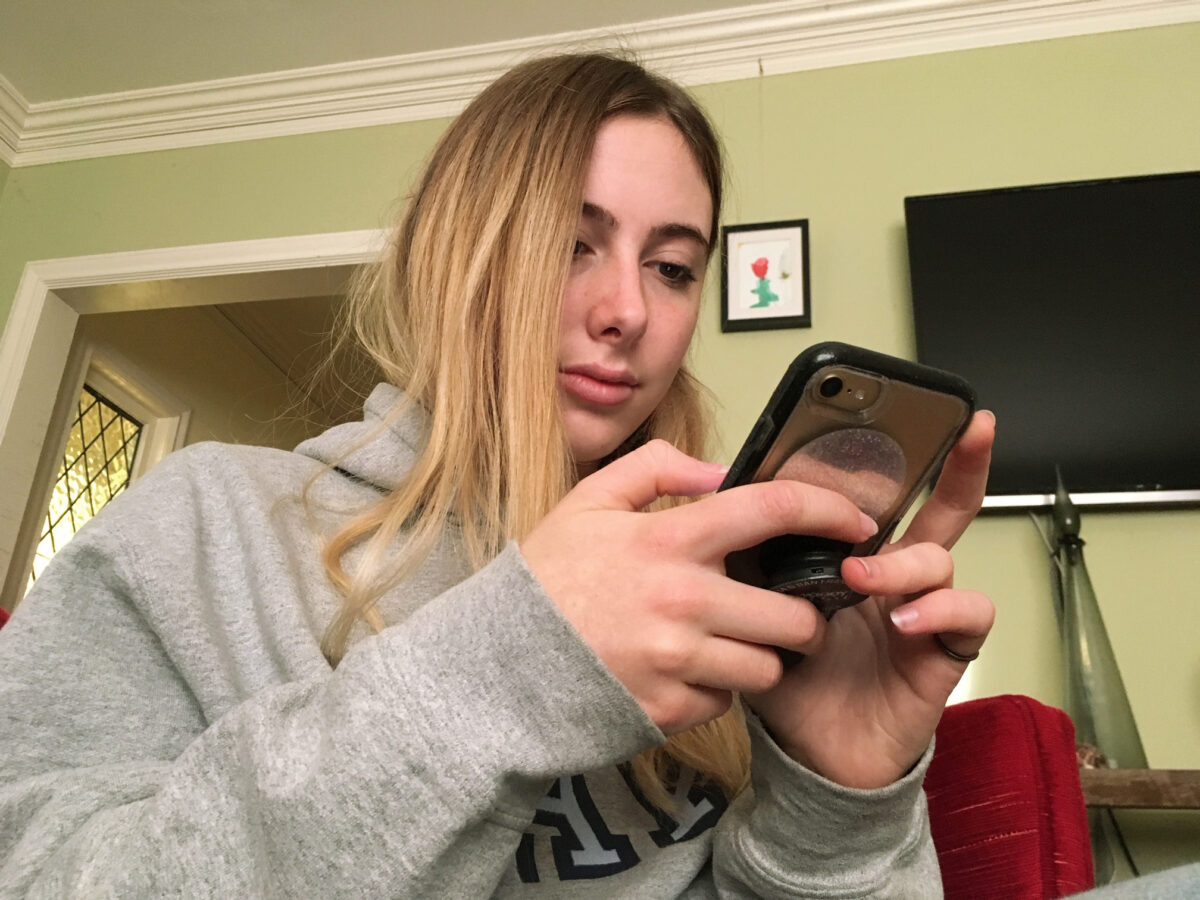
- In this Nov. 1, 2018, file photo, Laurel Foster, among teens involved in Stanford University research testing whether smartphones can be used to help detect depression and potential self-harm, holds her phone in San Francisco.
-

- Families watch the Pony Express Days parade at Wride Memorial Park in Eagle Mountain on Saturday, June 3, 2023.

Ashtyn Asay, Daily Herald file photo
Children prepare to throw candy from atop a float at the Cedar Hills Family Festival parade on June 11, 2022.
As part of the Welcome Baby Ready to Learn program, one of the first lessons taught is about media literacy. Media is the communication of information that is taken in from a variety of different platforms, while literacy relates to the ability of someone to understand and gain competence in a specific area. Combing these two, media literacy is the ability to use media with a specific purpose, understanding and goals in mind.
Gloria DeGaetano and Kathleen Bander said, “A media-literate person will consciously choose what to watch rather than simply flipping channels; they will be mindful of the messages being sent in the media and the impact those messages have on them; and they will talk to their children about these media messages. It is important to teach children these same skills in order for them to also become media literate.”
Summer break allows children to rest, relax and reset before the next school year. With the consistent increase in accessible and enticing technology, children often prefer to stay home on their phones or other electronics during that time. While the occasional use of such technology is okay, it should not be used as a primary teaching or distraction tool for children. Too much technology use can be detrimental to their development.
This is not to say that television and games are all bad. There are many educational programs that teach positive lessons. But the purpose of summer is to allow children time to flex physical and social muscles, be active, and explore new interests. There is a real danger of academic setbacks during the summer months if time isn’t spent purposefully and intentionally.
Some children have less active temperaments, but even for those children, the suggestions to include physical activity and limit television remain the same. Those who enjoy quiet time can be given different games, toys and options that promote a lesser active temperament while limiting technology use. Another suggestion is to create an exchange system that switches time spent outside for TV.
Haven Daley, Associated Press
In this Nov. 1, 2018, file photo, Laurel Foster, among teens involved in Stanford University research testing whether smartphones can be used to help detect depression and potential self-harm, holds her phone in San Francisco.
Whatever method or direction you decide to do isn’t necessarily important. What is important is that you remain intentional with your media use. Do all you can to not allow technology to be the focal point of your summer vacation. Take advantage of the time, weather and opportunities to bond with your kids, create new memories and promote positive development.

Families watch the Pony Express Days parade at Wride Memorial Park in Eagle Mountain on Saturday, June 3, 2023.