Chamber Chat: Improving air quality in Utah County
-
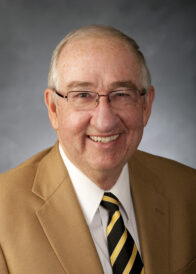
- Ned Hill
-
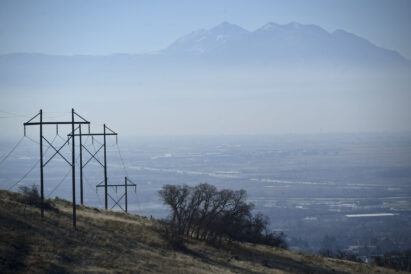
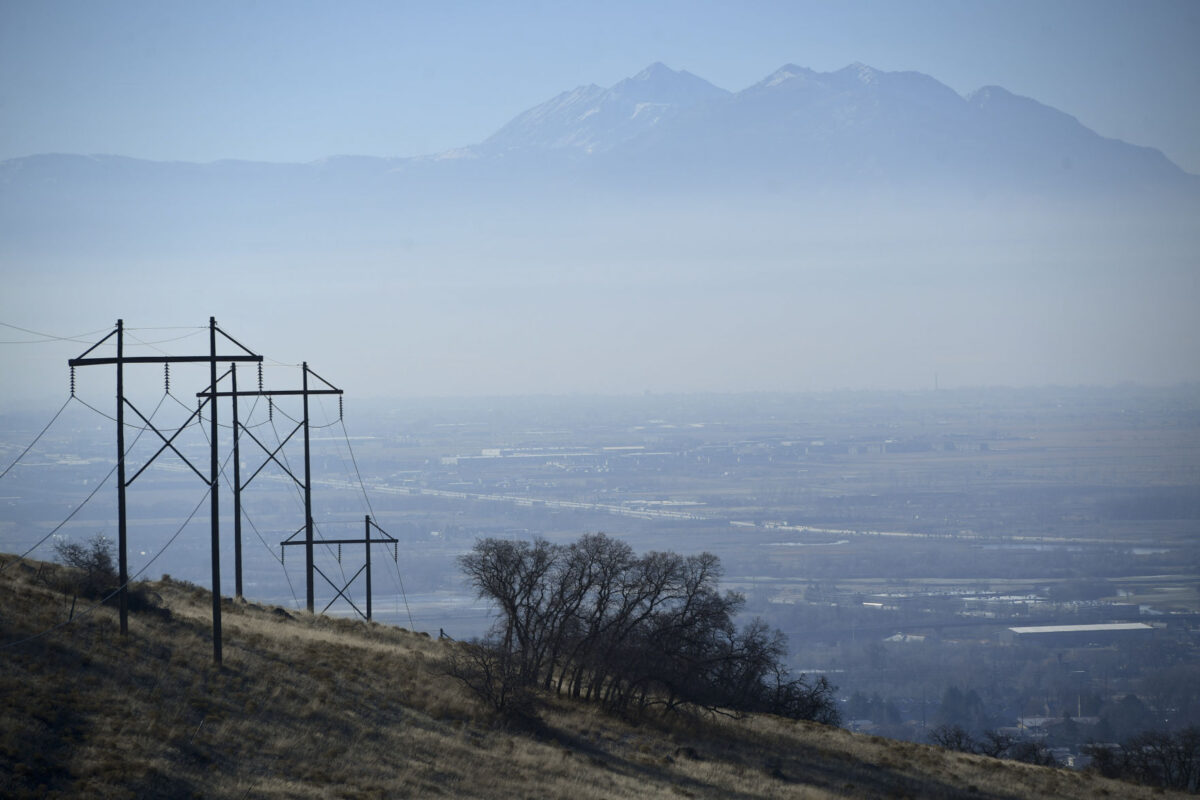
- An inversion, created from a top layer of warm air that keeps pollutants trapped in the cold air beneath, hangs over the southern part of Utah County on Saturday, Dec. 9, 2017, as seen from Y Mountain Trailhead in Provo.
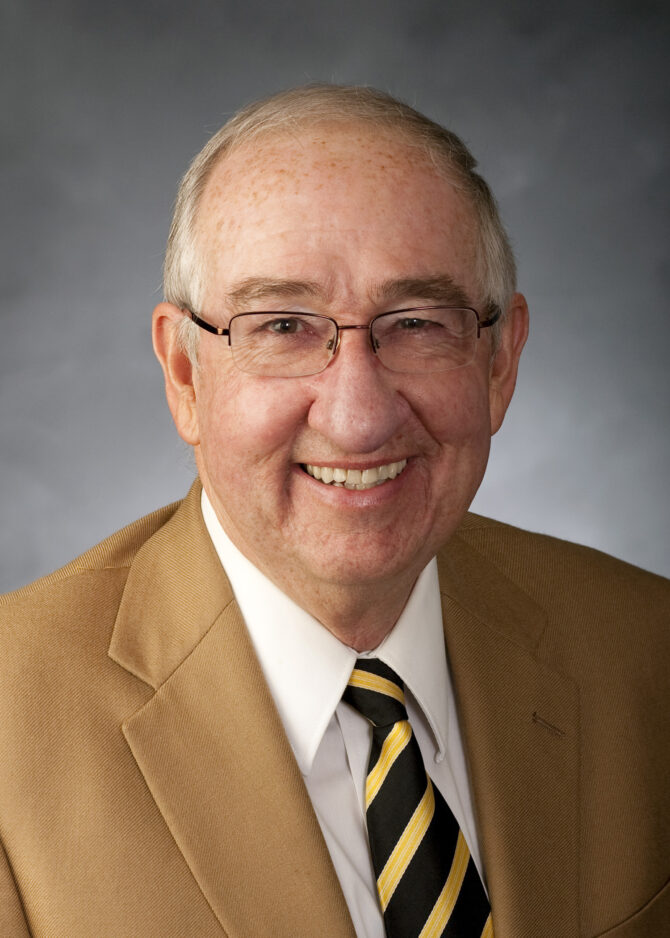
Courtesy photo
Ned Hill
Most of Utah’s population lives along the western side of the Wasatch Mountains. This provides us with beautiful mountain scenery, a good-sized river, several streams, picturesque hiking trails, challenging ski slopes and other recreational opportunities.
But, in cold weather, our mountains endanger our health. Why? Because they serve as a wall that traps the heavy, cold air in our valleys. These “inversions” hold chemicals that are harmful to our lungs. Those molecules originate from the combustion of hydrocarbons like coal, gasoline, natural gas and wood. Half comes from vehicles and the other half from buildings.
The products of those burning fuels are various nitrogen oxides that cluster together into very small particles. These particles, when inhaled into our lungs, can harm the cells that transport oxygen into the blood stream.
A retired Utah pathologist said he could tell about how long a person had lived in Utah County by how grey their lung tissues are; lungs of long-term residents looked more like lungs of people who had smoked cigarettes for years.
Air quality is not only an important health issue, it is also an important business issue. It is easier to recruit a bright, capable employee if we can answer the question “What’s the air quality like in this city?” with “Great!”
Isaac Hale, Daily Herald file photo
An inversion, created from a top layer of warm air that keeps pollutants trapped in the cold air beneath, hangs over the southern part of Utah County on Saturday, Dec. 9, 2017, as seen from Y Mountain Trailhead in Provo.
In 2010, Mayor John Curtis formed a task force to look into the challenge of improving air quality over the following 10 years. That task force continues today with sponsorship from both the Utah County Health Department and the Utah Valley Chamber of Commerce.
Members come from many municipalities and other organizations throughout the valley. They represent a variety of backgrounds: city government, medical research, state government, public relations, chemistry, university administration, vehicle emissions, law, transportation, healthcare, sustainability, EV charging stations, etc.
The most important focus of the task force is to ask “What actions can we encourage that will improve air quality?” Here are some of the steps taken so far by many people and organizations in the valley.
Generating clean electricity. The Utah Municipal Power Agency (UMPA) is the provider of electrical power to Provo and five other cities in the Valley. Much of the electricity in the past has been generated by burning coal, a very high-pollution fuel.
In late 2021, UMPA completed a 560-acre solar farm west of Mona. It produces approximately 80 megawatts of clean power, most of it sent to Provo Power and its customers. UMPA also built a 4 megawatt “Shared Solar” farm in Spanish Fork. Provo Power customers who can’t buy their own roof-top solar panels (they might rent an apartment, for example) can purchase “Shared Solar” and receive the benefits of solar without putting up the panels.
“Green Exchange.” Provo Power, with UMPA, offers financial incentives to encourage customers to replace polluting gas-powered lawn tools with electric lawn tools. Customers turn in their gas-powered lawn mower and receive a sizable discount on a new electric lawn mower.
Rebates. Provo Power is also offering rebates for those who replace natural gas furnaces and/or gas water heaters with heat pumps. Heat pumps are fully electric.
Vehicle charging rates. Provo Power, recognizing the need for convenient electric vehicle charging, changed its rate schedule so rates are lower when customers recharge their vehicles overnight.
Investment in green energy. The task force has disseminated information about U.S. government rebates for investments in electric cars, EV chargers, heat pumps, insulation and many other investments that conserve energy and reduce air pollution.
Transportation. In August 2018, Bus Rapid Transit (BRT) began service in the county, initially connecting eastern Provo (BYU), the FrontRunner train station in southern Provo, and western Orem (UVU). UVU soon discovered that several hundred fewer cars came on campus, meaning those cars would not be spewing harmful pollutants into the atmosphere.
In 2012, FrontRunner train service opened its full-service route carrying passengers from Ogden to Provo. It now serves over 12,000 riders on an average workday. That represents several thousand passenger cars that are not sending exhaust clouds into the air.
Utah Transit Authority has plans to eventually extend its FrontRunner service further north and south and to “double track” some portions of track. That would allow more and faster traffic between larger populations.
Education. Many citizens are realizing the importance of clean air. For example, more parents are hearing from their school-aged children that idling a car is not good for the environment. Where did they hear that? From school programs like the one delivered by Janelle Jarvis from the Provo Sustainability Committee with the help of BYU students. Similar programs are offered by Orem and other cities.
These are just some of the innovations helping Utah County reduce the amount of harmful pollutants in our air, improve the health of our residents and make Utah County a more attractive place for workers or companies looking to relocate. We know our air quality is improving, but we have a long way to go before the air quality index is “Green” for most days, especially in January and February.
With continued patience and hard work to spread the importance of clean air, we’ll find more and more people willing to help all of us clean the air.
Ned Hill is chair of the Utah Valley Clean Air Task Force and and Dean Emeritus of the Brigham Young University Marriott School of Business.