Everyday Strong: Let your child feel safe to be themselves
-
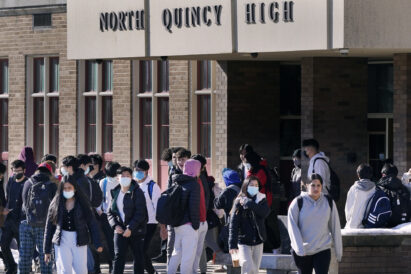
- Students walk from North Quincy High School at the end of the school day in Quincy, Mass., on Feb. 28, 2022.
-
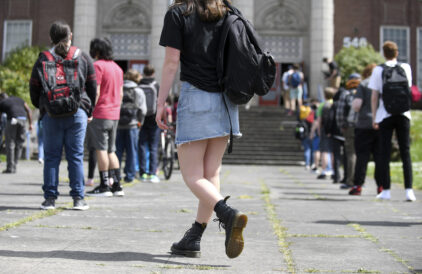
- Students arrive at Benson High School during Portland Public Schools first day of hybrid instruction for middle and high schools, Apr. 19, 2021, in Portland, Ore.
Charles Krupa, Associated Press
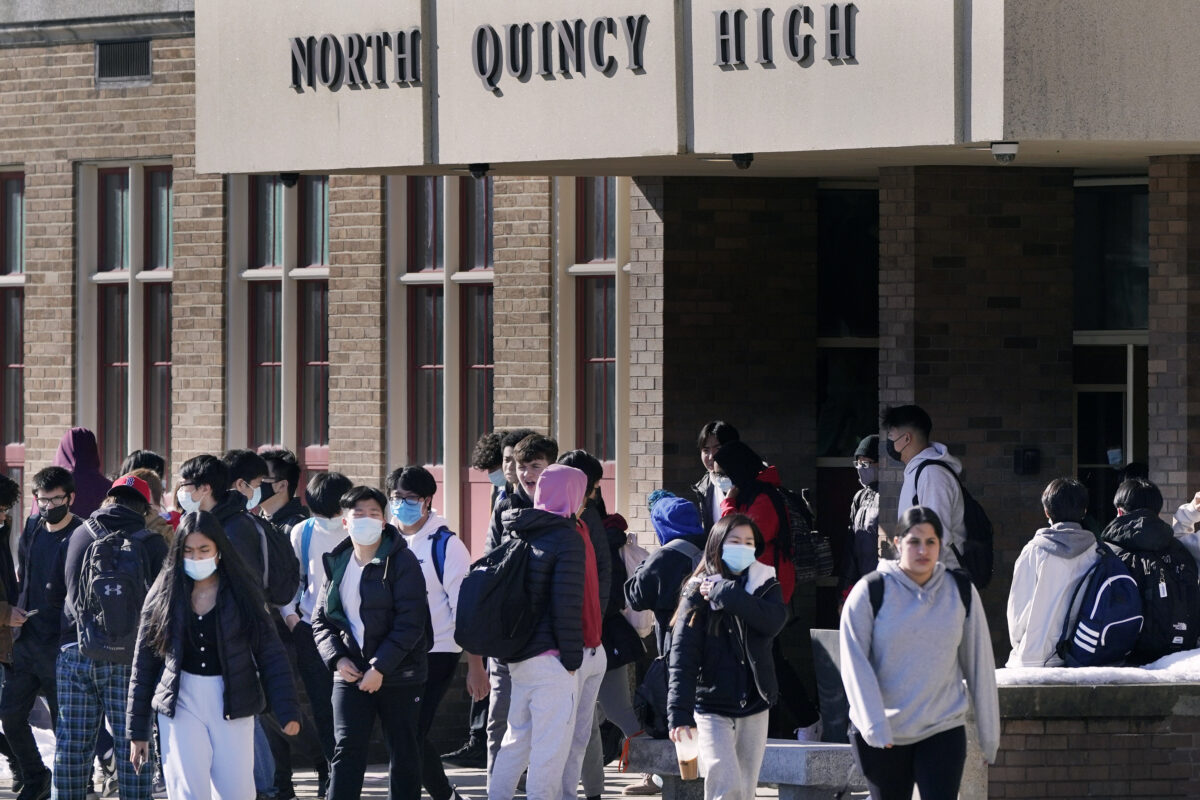
Students walk from North Quincy High School at the end of the school day in Quincy, Mass., on Feb. 28, 2022.
Does your teen insist on wearing baggy sweatpants and stained t-shirts every day? Or maybe your child speaks in a silly voice that grates on your nerves. Or perhaps they blast music that sounds to you like cats with their tails under a rocking chair.
Children have behaviors and preferences that are different from our own. Often these quirky likes and actions annoy us. We may worry about our children being judged or bullied because of their weird preferences. Likewise, we may worry about people judging us and our parenting.
The EveryDay Strong team believes that “When a child feels safe to be different from others, they can thrive as they feel able to make their own choices.” It is important for us as parents and caregivers to create that safety and love our children as they are.
School counselor Kellie Byars says, “When (a child) feels safe and secure in who they are, they are resilient against bullying and failure. They will be able to pick themselves up and keep going, even when life gets hard.”
When a child has traits that make them unique from other kids or other family members, they may feel insecure and embarrassed. Byars lists some signs that indicate a child may not feel safe in who they are. These include:
- Avoiding eye contact.
- Being nonverbal.
- Shutting down.
- Negative self-talk.
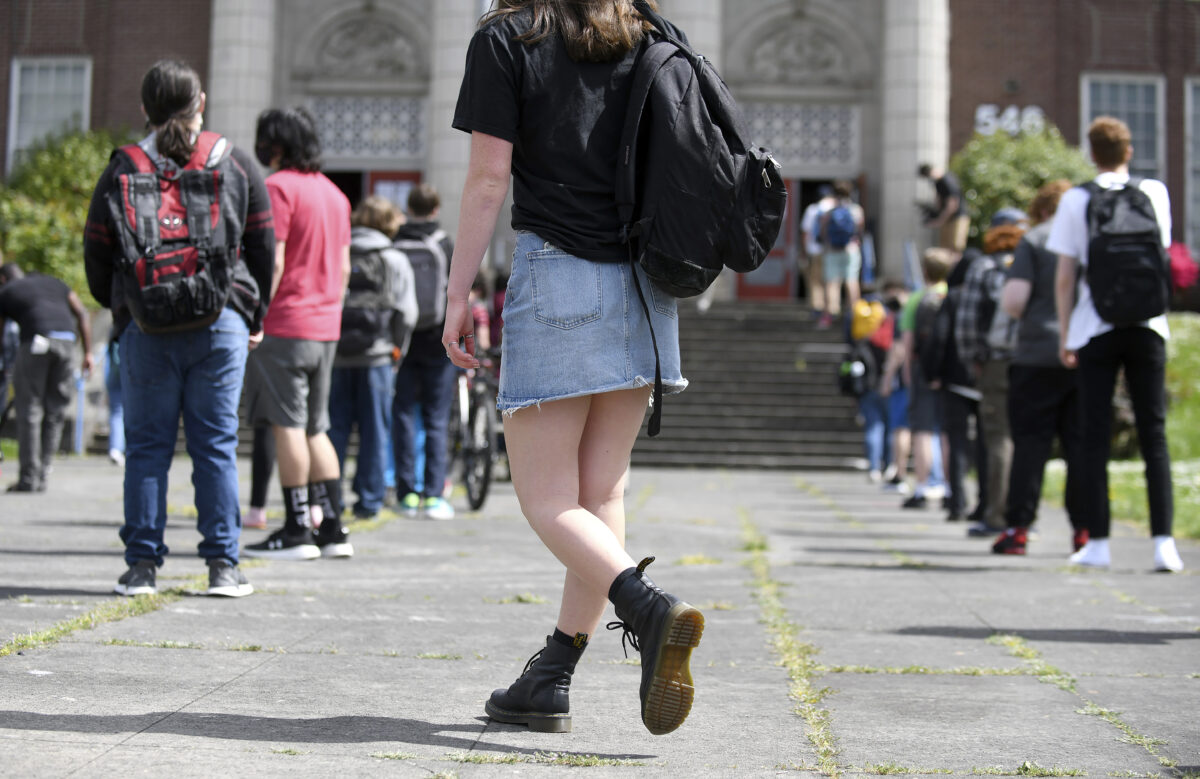
Carlos Delgado, AP Images for Portland Public Schools
Students arrive at Benson High School during Portland Public Schools first day of hybrid instruction for middle and high schools, Apr. 19, 2021, in Portland, Ore.
When a child does feel safe in their own uniqueness they will be:
- Confident.
- Decisive.
- Value driven.
- Able to carry on conversations.
It can be difficult as a parent to listen to your child sing in a talent show when they don’t have much ability in that area, or participate in a sport or activity that you don’t find very dignified or appealing.
Our first reaction may be to immediately shut down the idea or try to convince the child to choose to do something else. We must be careful in our reactions, however, as many young people will take this feedback as a criticism of themselves personally and not just the choice they are making.
There are many things we can do to help a child feel confident in who they are. We can be aware of our own feelings and recognize how they may affect our reactions. Remember that different people have different preferences. Asking a child to explain why they have these specific likes in order to help you both to understand more about the child. Another way to help your child feel comfortable in their own skin is to validate their opinions. It’s okay not to like the same things your child does, but you can generally find something good about their preferences. Complementing them on their inherent characteristics rather than their skills sends the message that you love them for who they are and not only for what they can do.
Each of these things can help to create safety for your child to be uniquely themselves.
“When you love a child for who they are,” Byars says, “regardless of how quirky or weird you find the trait, you build a sense of safety that allows the child to thrive.”
United Way of Utah County is on a mission to help every child in our community feel safe, connected, and confident. You can listen to our latest podcast episode at anchor.fm/everydaystrong (or on Apple Podcast and Spotify). Learn more about us at everydaystrong.org.