Making a Difference: To Grant Collins, grassroots giving is a gift itself
-
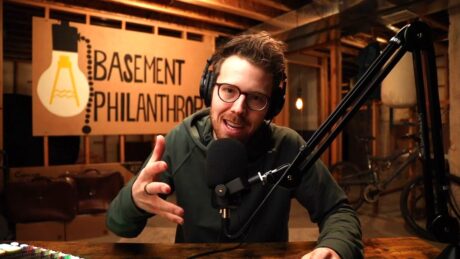
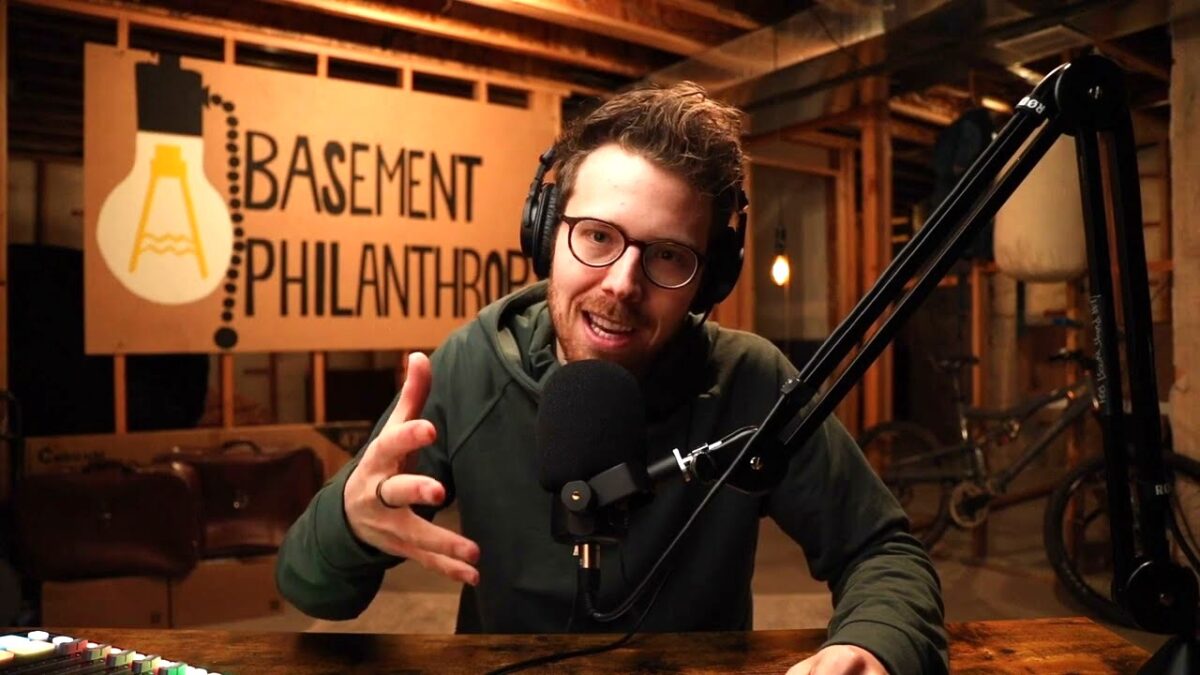
- Grant Collins on the set of his “Basement Philosophy” podcast, now named “Giving is a Skill.”
-
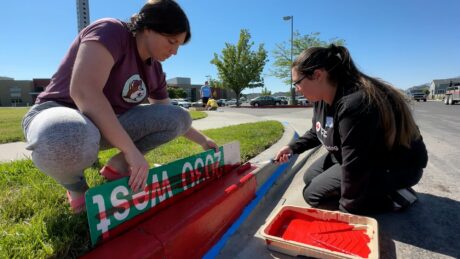
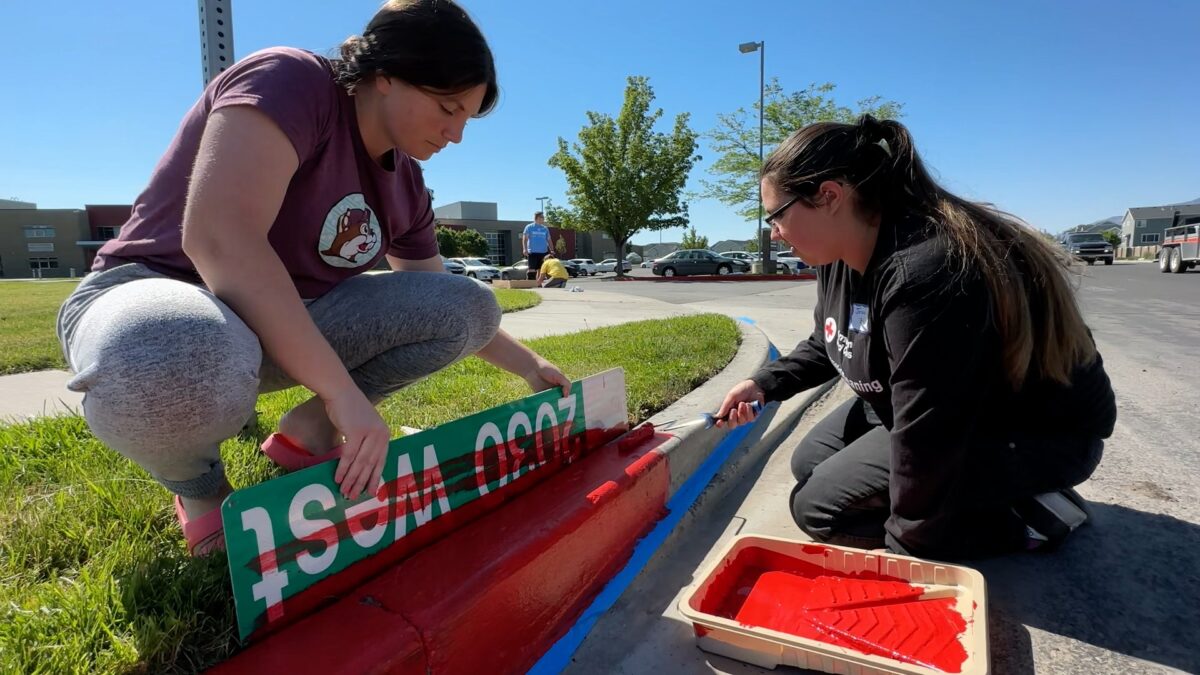
- Unidentified volunteers help paint safety markings on the curb outside an elementary school.
-
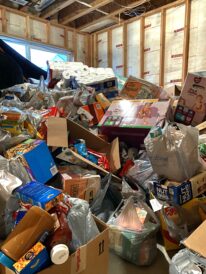
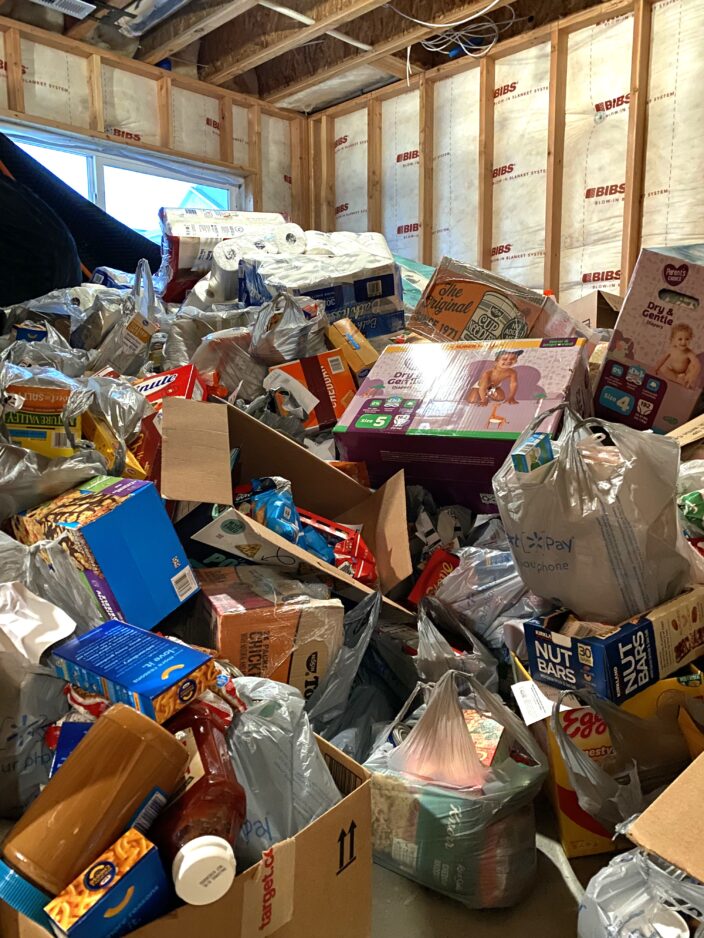
- Food, diapers and other donated goods are stored prior to being given away.
-
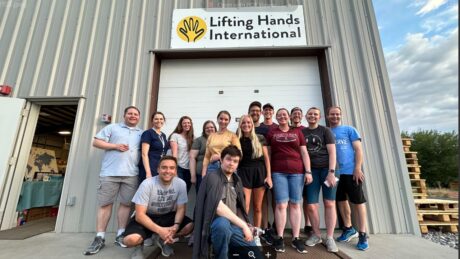
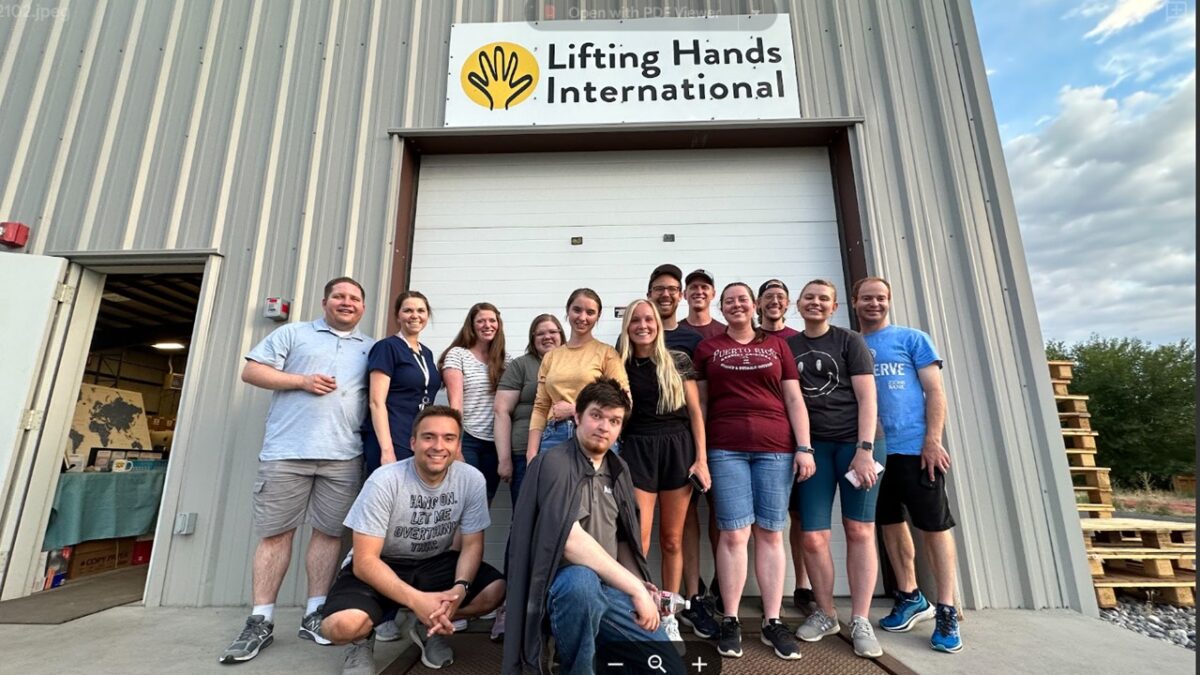
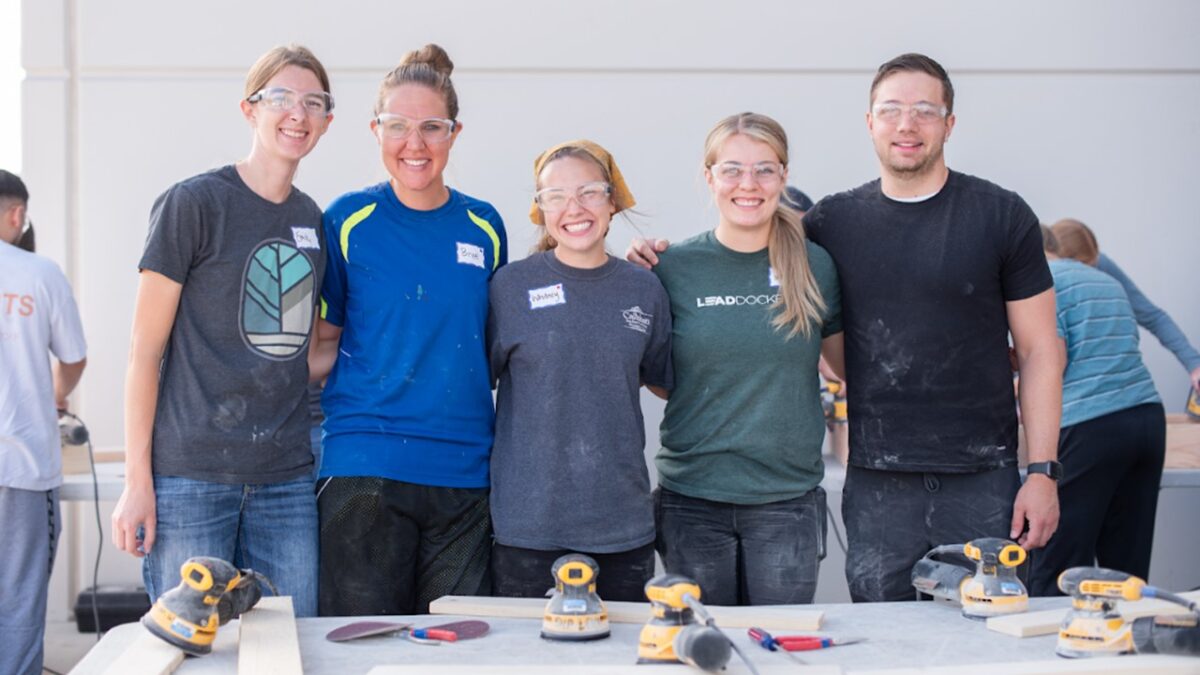
- Grant Collins and other volunteers are pictured while helping Lifting Hands International.
-
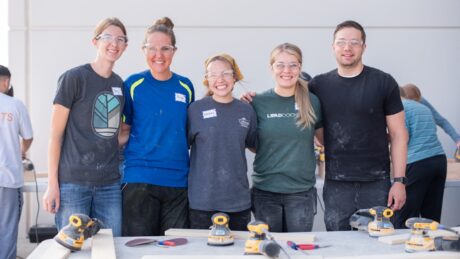
- Unidentified volunteers are pictured during a recent project helping Sleep in Heavenly Peace, a nonprofit that makes beds for those in need.
-
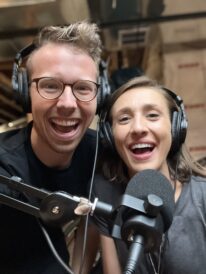
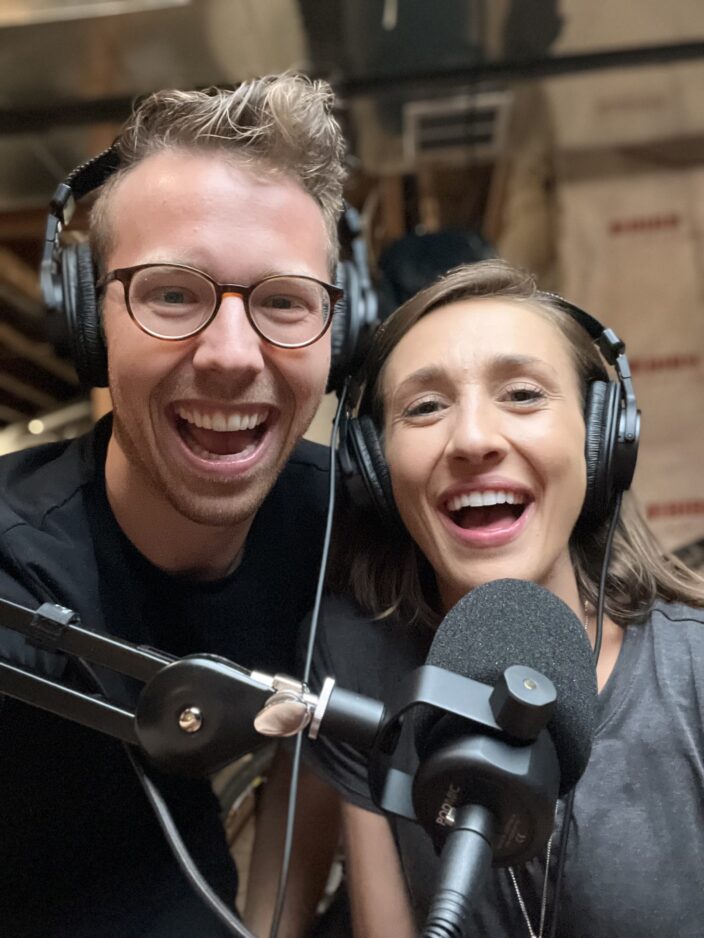
- This undated photo shows Grant Collins and an associate.
For Grant Collins, a 29-year-old philanthropist, giving and serving were part of his family’s DNA. “I grew up in a home that was very centered on giving and service,” he said. “I would say that, in some ways, I feel like the desire to give is almost a gift of itself. It feels like a seed.”
While serving a church mission in Oklahoma, he was a passenger in a car when the driver stopped for a soda on a hot day. On the way back to the car, the driver stopped and talked to a woman who seemed to be in need. Collins saw him use his credit card to pay for her gas. Once back in the car, the driver didn’t discuss what he had done. Watching someone pay for another person’s gas caused him to think differently about his equation of having to earn lots of money or retire before you could begin to give.
He completed his mission and attended BYU-Idaho, where he thought about helping but really did not do anything about it until he tried to help a couple of roommates. His plan backfired.
His father taught him about exponential gain and investing money and what it could do for him long term. “I started thinking: If this works in the stock market, can it work with any skill? Is giving the same thing? Giving is a skill set and can be enhanced,” Collins said.
With this epiphany, he began developing the skill of giving. “I started to do little, tiny things — buying flowers, gift cards for someone in need, a card to give to a friend whose dog had died,” he explained, “and I started noticing why my original equation was not completely valid.”
What Collins learned from all this was that you do not need to swoop in and do everything for everyone all at once. His equation broke down and dissolved, and he discovered it was the little things that made the biggest difference initially.
“At this time, I started to put systems into my life that allowed me to give more,” he explained. “My system was three buckets consisting of time, talent and money. In each one of the buckets, people can develop a system to become proactive and give in a more efficient way.”
From then on, each time he received a paycheck, Collins designated a percentage specifically for giving. “I distanced myself from it,” he said. “Then, if something arose, and I saw a need, I already had the money to do that thing. These experiences came more and more often because I started to see.”
For Collins, the skill of giving starts with being able to get outside of yourself. “So many people want to give but they cannot get out of themselves,”he explained. “It takes intention. It is the same thing with time and talents.”
A few years ago, Collins decided to expand his new equation by helping those along the sidelines of giving and see what the ripple effect might be. “I asked myself a question,” he said. “What if I put my time and talents to better use? I am comfortable in this giving space and sitting down with individuals. Since I haven’t met people who don’t want to give, I know there is a way to make a difference.”
According to Collins, part of the giving mentality hinges on people’s inaccurate mindset that since they do not have a lot, then their giving really does not matter. “People actually see these huge, world problems and wonder what their small donation, skills and talents can do,” he explained. “People think they can either change the world or just sit on the sidelines. What we need to do is reframe these challenges, to literally lower the barrier to entry into giving, so individuals can make a difference, no matter the size of the donation of their time, talents or money.”
About a year ago, some young women in Collins’ social group were feeling disconnected socially in the community. Together, they decided to try to create something more impactful, more exponential than just having social gatherings.
“We decided to do something bigger than just a regular food drive. We gathered 120 volunteers, involved a broader community, and placed bags on the steps of 4,000 homes,” he said. “We literally leveraged all three buckets of time, talent and money.” In less than three hours, they collected 6,000 pounds of food for the Tabitha’s Way food pantry in American Fork.
Thus, the concept of grassroots giving emerged. What started with a single food drive grew into doing projects such as painting school curbs, doing food drives, volunteering at a food bank every three weeks and doing similar projects.
To keep himself accountable and grow the grassroots community, Collins started a podcast called “Giving is a Skill” (formerly “Basement Philanthropy”). “If you have a weekly podcast,” he explained, “you got to do the work around building content. This is a forum that I can use to start to get clarity around what I actually want to be doing. Seventy weekly episodes later, I am now much clearer about what I am doing.”
One project that gave the grassroots community holistic clarity was a recent project working with Sleep in Heavenly Peace, a nonprofit that makes beds for those in need. “Our experience with Sleep in Heavenly Peace allowed 70 people to have a hands-on experience, by taking raw lumber and building beds to help others. We saw the outcome right then and there.”
Collins is making a difference in helping people change and overcome stereotypes. Take Amber Larsen, a young professional who wanted to start giving more in her community.
“A few years ago, I contemplated several elements I wanted to include in my life, and one of those was community service,” she explained. “I decided service and giving needed to be a significant part of my life. Just this year, Grant texted me about a project he was doing and asked if I would help. I said yes.”
Since connecting with Collins, Larsen has participated in a variety of community service projects, including producing the “Giving is a Skill” podcast. For her, this concept of giving has become part of her subconscious. “Now, I am on lookout for opportunities to serve and give,” she said. “This change has become part of my mentality and lifestyle.”
Another change came to Austin Heath who works for a venture capital firm. A year ago, he participated with other young single adults in a food drive, facilitated by Collins.
“I was impressed with Grant’s ability to put things together, and he helped me see my potential,” Heath said. “Grant challenged me to develop a system that I manage where I can introduce people to other people and help them make connections. My desire is helping people find and give their gifts and skills, which aligns perfectly with Grant’s philosophy.”
For Collins and his media production company, GrassRoots Giving, helping people learn to give is having a community of partners, including sometimes just four or five people doing a small community project and determining what impact that will have on the community. Individual interactions create long-lasting opportunities for effective and sustainable service and giving.
“What I want people to know is that simply giving is a skill. Once you frame that giving is a skill you aren’t very good at, you come to open your mind to the fact that you can get better. Giving actually starts to make a difference, and it is sustainable.”
Collins’ future vision focuses on GrassRoots Giving. “It starts with the seed and is created from there,” he explained. “I feel so privileged and honored to be a part of this seed, to watch things happen on the inside and the outside.”
If you would like to learn how giving can become a sustainable part of your life or become part of volunteering, text “Give” to 435-465-2245 and make sure to check out the “Giving is a Skill” podcast on your favorite podcast platform.
Community
EveryDay Strong: Halloween isn’t about candy – it’s about helping kids thrive
RMU: Making a difference: Friendships, connections renewed in a small world of service