CASFB: Fighting the war on poverty one family at a time; learn how at summit
Courtesy photo
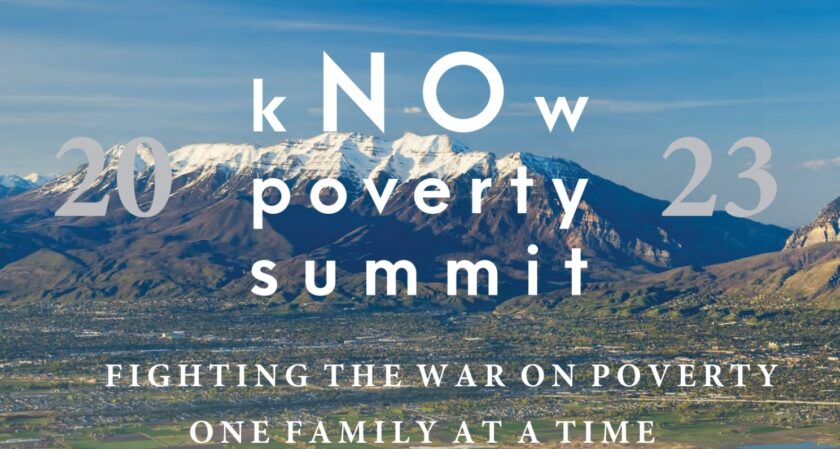
This year's "kNOw Poverty Summit" will be held Thursday, Sept. 21, 2023, at the Provo Library.Hundreds of thousands of Utahns are faced with poverty every day. Friends, family members, neighbors — people from every walk of life can struggle with poverty, though it is not always obvious to those around them. Nearly 9% of Utahns lived in poverty as of 2022, according to the U.S. Census Bureau, making less than $35,000 a year for a family of five.
Fighting poverty is a continual effort that requires involvement from the whole community. Education, volunteering, programming and other avenues can help lift people out of poverty. Here’s what you should know about how Utah families are affected and what you can do to help.
How widespread is poverty in Utah?
While about 8.6% of Utahns as a whole live in poverty, some groups can be more heavily impacted than others. About 9.6% of women, 10% of children and 21% of single-family homes live below the poverty line. Minorities in Utah are especially at risk, with data from 2015 putting the poverty rate for Black Utahns and Native American Utahns at 27%, and nearly 25% for Hispanic Utahns.
What does poverty look like in Utah?
Poverty can affect people in many different ways and often hide in unexpected places. About 3,000 people throughout the state were homeless in a 2020 estimate — but poverty stretches far beyond homelessness. Some families may have trouble paying the rent or mortgage. Still others may get the bills paid, but the fridge and pantry are consistently empty. Parents with small children may have trouble affording enough diapers for their kids to go to child care, keeping the parents out of school or work.
How does poverty work?
In order to lift families out of poverty, it is important to understand how it works and what factors inhibit financial freedom. In Utah, poverty is divided into two categories: intergenerational and situational. Getting laid off, losing a spouse and experiencing expensive health issues can all be associated with situational poverty. When the underlying financial stress is resolved, families can often recover.
Intergenerational poverty, on the other hand, affects at least two generations. The continued financial burdens can keep grandparents, parents and children from getting ahead. Addressing the issues that impact families from generation to generation can help stop the cycle of poverty.
Federal and state programs can make a big difference — safety net programs like rental assistance, Social Security and SNAP cut Utah poverty rates roughly in half, according to data from 2011 to 2013. In that time period, poverty in Utah was at about 9.5%, compared to 20.6% before government assistance. Programs through Community Action Services and Food Bank are designed to lift families out of poverty through emergency funds, food assistance and education.
What can you do?
You can make a difference for your neighbors and community members who are struggling with poverty. There are avenues for anybody who wants to help, regardless of their training or ability. Financial and food donations help support nonprofit programs that benefit people in need.
However, there are many ways to help without contributing money. Volunteering time and expertise is also a great way to get involved. For example, programs like Circles provide education and connections for people in need but rely on volunteers to effect change.
Education is the first step to fighting poverty. This year’s “kNOw Poverty Summit” on Thursday is a great way for the community to learn more about how poverty affects families in Utah and what can be done to address it. This year, the summit will highlight how women in the state are impacted by poverty. (WalletHub recently labeled Utah as the worst in the United States for women’s equality and second to last for the number of women in poverty.) The summit will outline several steps the community can take to make positive changes, and participants will hear from speakers involved in the Circles program and People Helping People. The keynote speaker will be Susan Madsen, founding director of the Utah Women and Leadership Project, who is considered one of the top global scholars on women’s leadership. To attend the poverty summit, sign up here by Wednesday.
Poverty is a pervasive problem that can affect families for years and even generations. The issue can be attacked with the help of an engaged community through education, volunteer work and effective assistance and programming. If you need help or would like to help, contact Community Action Services and Food Bank.