EveryDay Strong: There is safety in routines

Stock photo
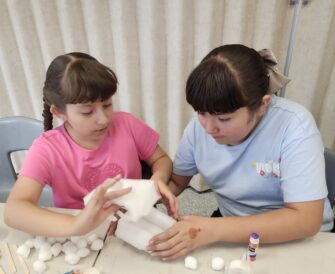
Daily set routines can be beneficial through providing structure to our lives, which reduces stress and strengthens our self-discipline.Creating emotional safety for teens can be done in many ways. Assuring them it’s OK to fail is one way. Celebrating their unique personalities by withholding judgment is another. I recently came across the statement, “There is safety in routines.” I believe this to be true for children and adults.
I lived in a cramped apartment with five other girls during my second year of college. Most of us would sleep in as long as possible, hitting snooze on the alarm over and over. At the last second, we would jump out of bed, throw on some shoes with our pajamas and race across campus, hoping to get to class on time.
One roommate, Brittany, did things differently. She would get up early every morning, leaving plenty of time to get dressed leisurely, eat a filling breakfast and make her way to campus after reviewing her planner for the day. Looking back, I can see that Brittany’s routine gave her an advantage in school and in life.
Routines facilitate familiarity and predictability, both of which can be lacking in other aspects of our day-to-day lives. A teen whose heart is set on making the team may be cut. Long-time friends may turn away. Families may move to new cities. Being able to roll with uncertainty is an important skill to have, but implementing routines in areas that we can control offers some emotional safety.
Routines save us time and energy as they allow us to go on “autopilot.” There’s no need to scramble to get things done or waste time making decisions. You already know when you will do your daily meditation or what you will eat for breakfast. If you leave home at the same time every day, you know you will most likely make it to work or school on time.
Routines mean boundaries. Enforcing a consistent bedtime each night might mean your teen has to sacrifice the late-night YouTube scrolling they want to do. The expectation that phones will be turned off during dinnertime may be annoying to them. Requiring that the bedrooms get cleaned every Saturday might cut into time with friends.
But these boundaries provide benefits. Consistently getting a good night’s rest will allow your child to think more clearly in school. Talking as a family at dinnertime will strengthen relationships and teach important things about one another. Keeping a room clean will make finding homework and sports equipment easier and will teach responsibility.
Several years ago, I listened to a podcast where people simply shared stories about their lives. One man, let’s call him Mike, talked about how his parents bragged about being very hands-off and forward-thinking in their parenting. They rarely made meals, took very little interest in their son’s schooling or other activities, and would sometimes leave him at home alone for days at a time. Mike, then a teenager, was invited to sleep over at a friend’s house. While he was there, the family all sat down to dinner together. The parents asked about everyone’s day. They told the boys when it was time to get ready for bed and even washed Mike’s clothes, since it was obvious it hadn’t been done in a while. The friend was embarrassed about how involved his parents were. But Mike remembers how good he felt that night, how safe he felt. He ended up staying with that family many nights and began to realize that expectations and routines are good.
We could all benefit from having set routines. They provide structure, ensure we get the most important things done each day, reduce stress and strengthen our self-discipline. Implementing routines in the home can provide emotional safety for children and teens.
United Way of Utah County is on a mission to help every child in our community feel safe, connected and confident. You can listen to our latest podcast episode at anchor.fm/everydaystrong (or on Apple Podcast and Spotify). Learn more about us at everydaystrong.org.
Community
Important services, close to home: Two special purpose schools open in Orem to serve students in future Timpanogos School District

Bridging the language barrier: Tu Voz Importa promotes community resources in Provo