Garden Help Desk: There’s still time to plant green beans
-
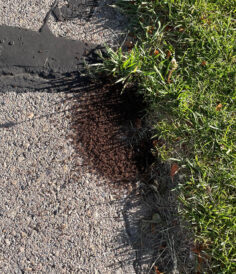
- Early summer is the time when ant swarms show up at the edges of sidewalks and driveways and often in the garden. They’re usually harmless and seem to settle down after a short time.
-
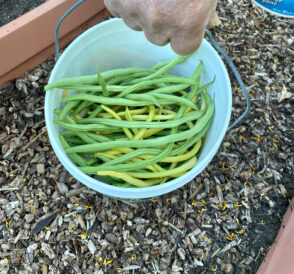
- There are many varieties of “green” beans in different colors, including purple beans or the yellow beans in this bucket of green beans. Regardless of their color, garden-fresh beans are delicious.
-
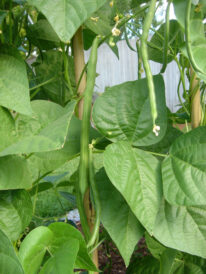
- As their name implies, pole beans need some kind of support, which means more work at the beginning of the season. The advantage beyond a longer season of harvest, though, is that you’ll do less bending over while you pick your beans.
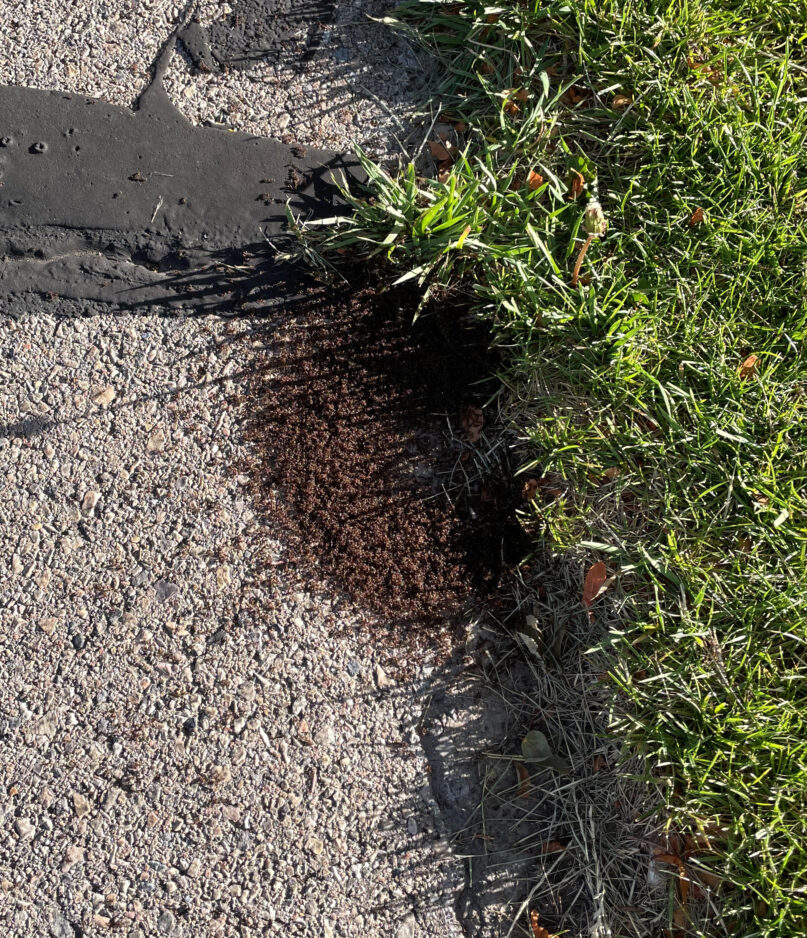
Photo by Meredith Seaver
Early summer is the time when ant swarms show up at the edges of sidewalks and driveways and often in the garden. They’re usually harmless and seem to settle down after a short time.
I usually have my beans planted before now, but it’s been such a busy spring for me that I haven’t been able to. Can I still plant my beans? Will there be time to get anything from them?
Go for it! I’ll be planting my own beans this weekend, too.
Beans are a warm season vegetable. They do best when planted once the soil is warm, 60 degrees or warmer. Germination can be slow and uneven when soils are cooler. With the off-and-on again warm and cold weather we had this spring, you probably haven’t missed too many good growing days.
Some gardeners intentionally delay planting until the beginning of June because they know their warm season veggies like squash, beans and cucumbers will germinate quickly and grow well with the warmer temperatures. Planting later in June or the beginning of July can also help gardeners avoid pests like the Mexican bean beetle. As a bonus, some vegetable gardeners feel that the green beans they harvest in cooler fall weather have the best flavor.
It sounds like you’ve had plenty of experience planting and growing green beans, but for readers who haven’t grown beans before, here’s a quick review of the basics for a successful green bean harvest.
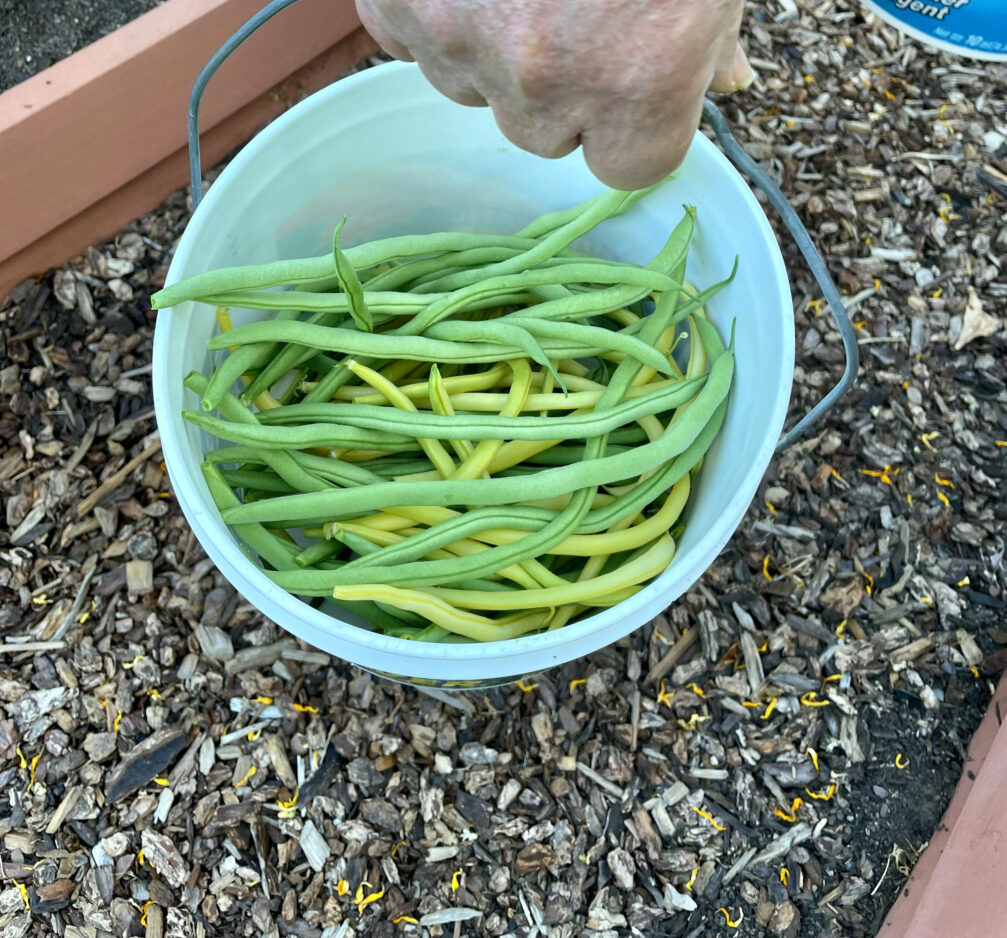
Photo by Meredith Seaver
There are many varieties of “green” beans in different colors, including purple beans or the yellow beans in this bucket of green beans. Regardless of their color, garden-fresh beans are delicious.
Bush beans tend to produce their entire crop more quickly and over a shorter period of time than pole beans, which will produce a lighter harvest until frost. If you prefer bush beans, try doing one or two more plantings two weeks apart to extend your harvest.
Beans are planted about 1 inch deep and 3 inches apart in rows that are about 18 inches apart. If you’ve done good soil preparation before planting, your beans won’t need to be fertilized during the growing season. Beans need regular watering but avoid frequent watering as that can keep the soil wet and lead to root diseases. A 1-inchd layer of compost applied as a mulch can reduce moisture loss between waterings and help with weed control.
I have swarms of ants by my sidewalk. How do I get rid of them?
Swarms of ants at the edges of sidewalks and in the cracks of driveways are common at this time of year. What you’re seeing are probably pavement ants. Most of the time, these swarms don’t cause any real harm and can generally be left alone; they’re just nature’s aerators going about their summertime business.
Occasionally, a colony may be large or in an inconvenient or troublesome place in a landscape and a little control may be needed. The ants that you see are worker ants. Spraying them with insecticides won’t solve the problem because you’ll only be killing the ones you see and they will quickly be replaced. A better strategy is to use a slow-acting ant bait. Ants like to share their food and the worker ants will take the bait back to their nest to share with all their friends. Over time, the bait can be shared throughout the colony. The bait must be placed where you have seen activity from the colony and MUST be placed in a way that prevents pets and children from reaching it.
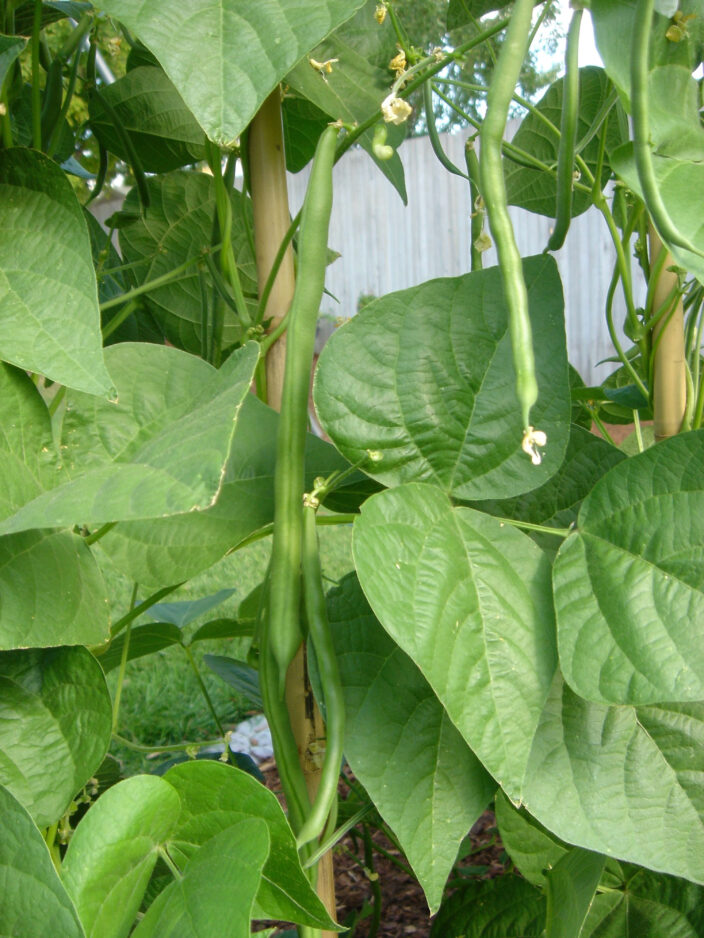
Photo by Meredith Seaver
As their name implies, pole beans need some kind of support, which means more work at the beginning of the season. The advantage beyond a longer season of harvest, though, is that you’ll do less bending over while you pick your beans.
Most of these swarms settle down within a few weeks, so if you can avoid chemical controls for just a little while, the problem may take care of itself.
Meredith Seaver is a horticulture assistant at the USU/Utah County Extension Service.
Community

Constitution conversation: High School students taught the significance of the U.S. Constitution at UVU conference

With demographic dip in sight, Utah universities prepare for budget impacts