‘Live, Work, Thrive:’ How ScenicView Academy has evolved throughout 25 years of helping young adults

-
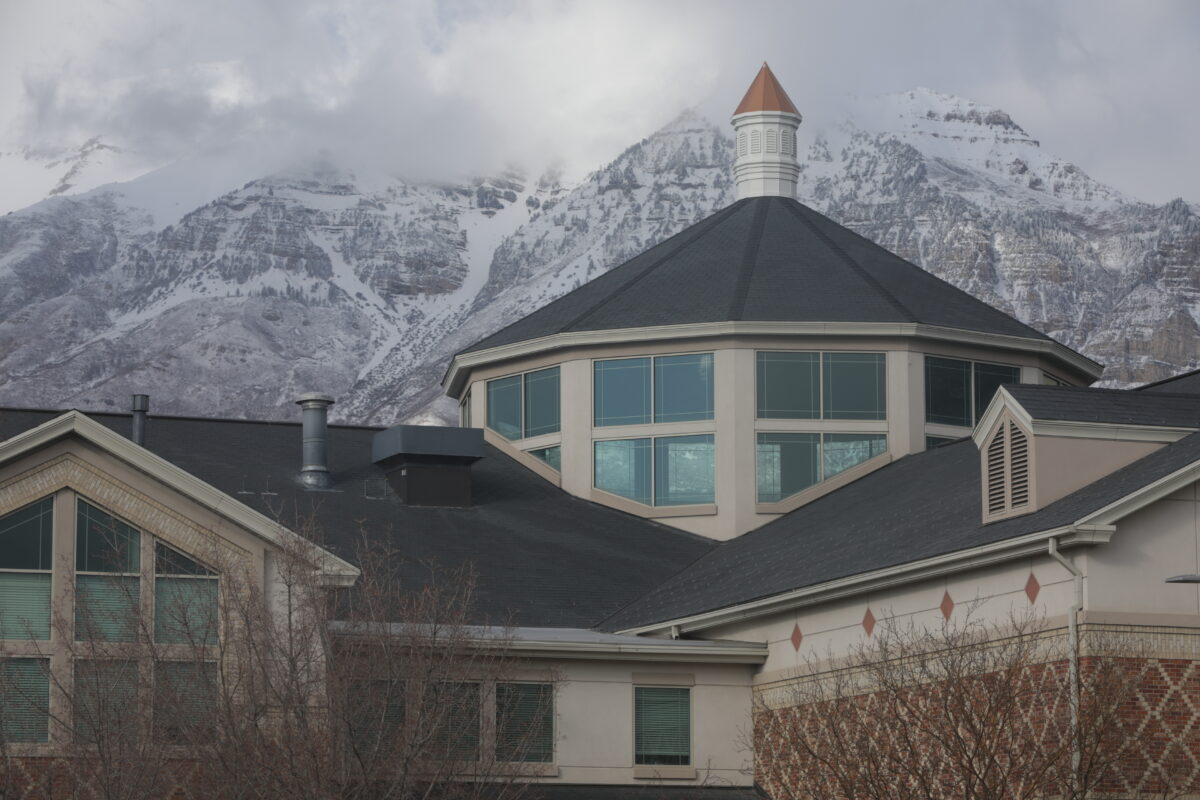
- ScenicView Academy is pictured Friday, March 6, 2026, in Provo.
-
- ScenicView Academy is pictured Tuesday, March 3, 2026, in Provo.
-

- Women work on an art project Tuesday, March 3, 2026, at ScenicView Academy in Provo.
-
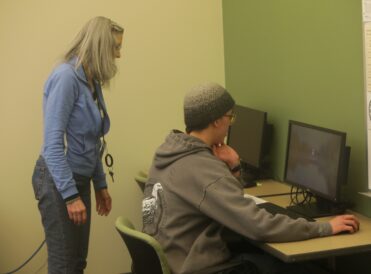
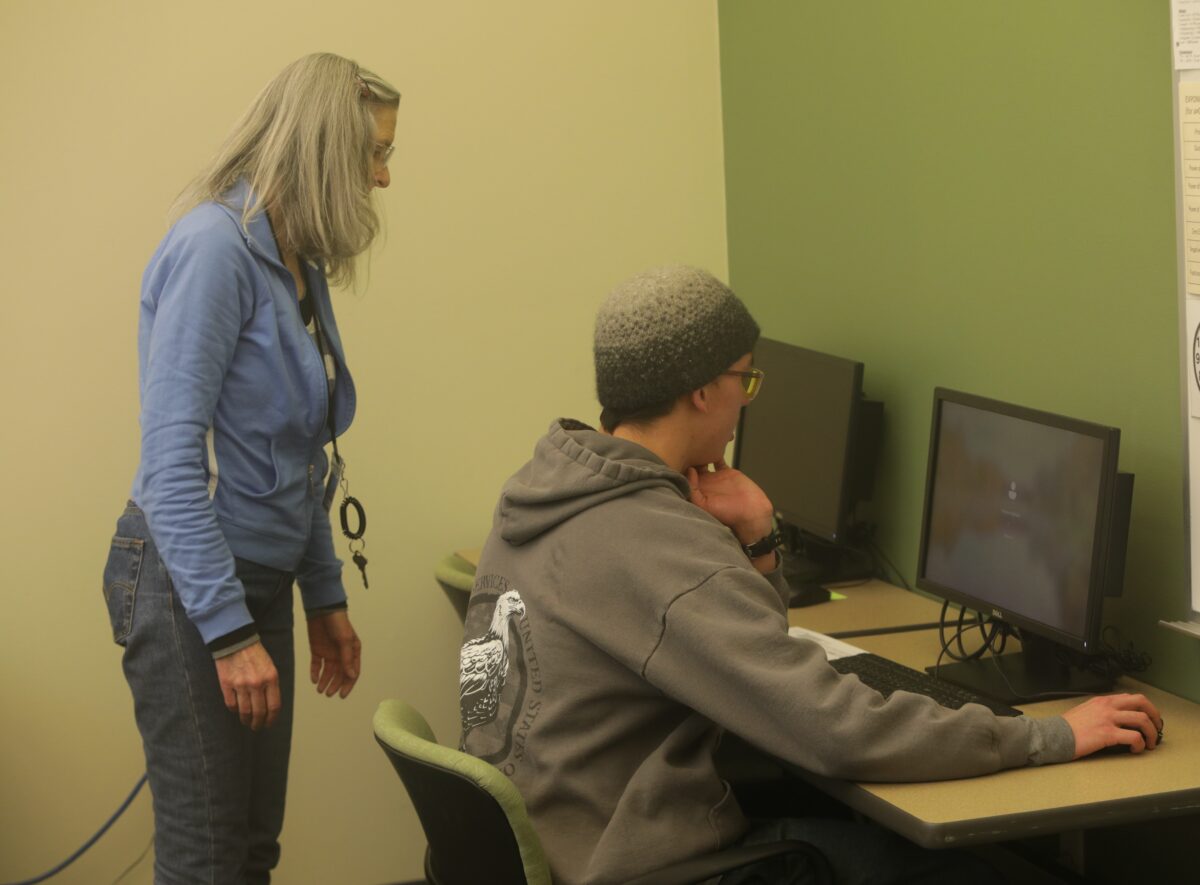
- A student and a teacher work an an assignment Tuesday, March 3, 2026, at ScenicView Academy in Provo.
-
- ScenicView Academy is pictured Friday, March 6, 2026, in Provo.
-
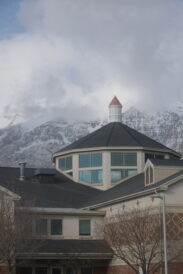
- ScenicView Academy is pictured Friday, March 6, 2026, in Provo.
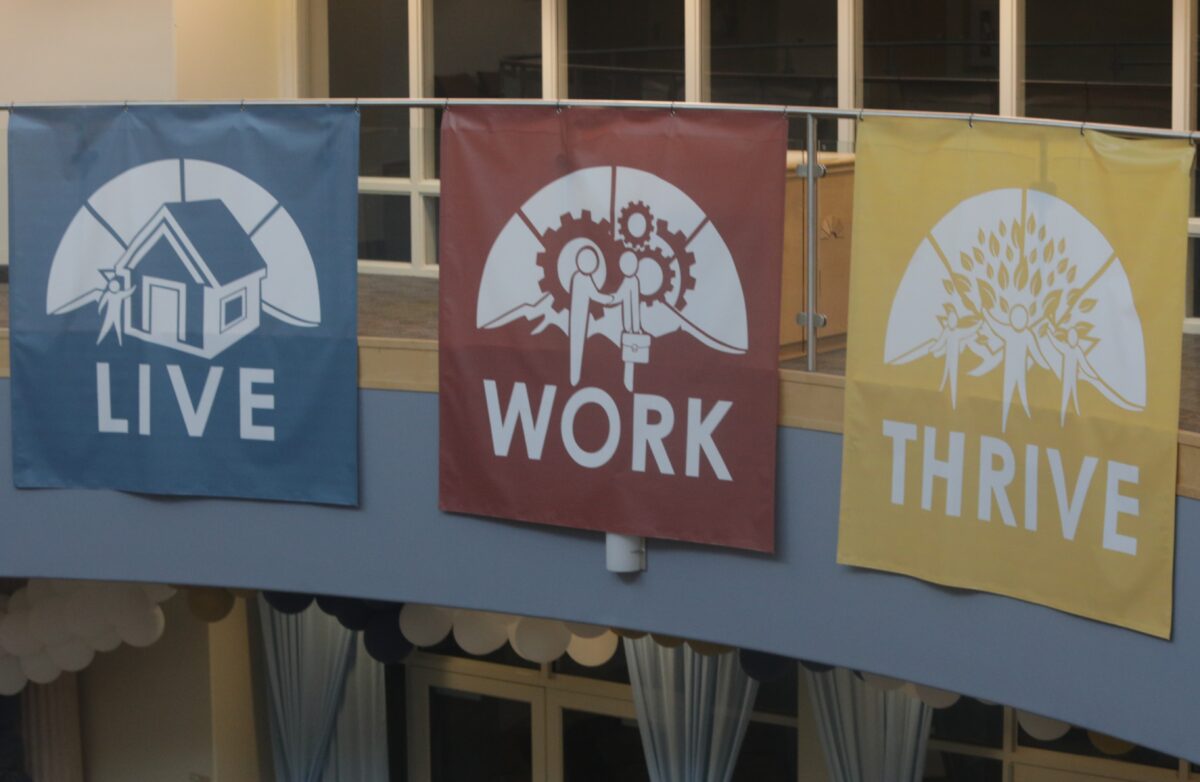
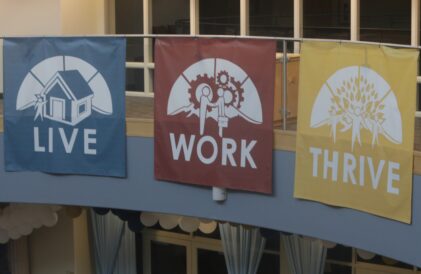
Inside the rotunda at ScenicView Academy’s community building are three banners that say “Live, Work, Thrive.”
The simple mantra represents what the Provo nonprofit transitional school aims to teach its young adult students who have autism or face other neurodivergences: How to live independently, have a successful career and improve their well-being.
A quarter-century since ScenicView was founded in 2001 by Ray and Tye Noorda, who were concerned there was nothing for individuals with disabilities after high school and placed a large endowment to start and fund the facility, program director Jared Stewart believes it’s been a successful endeavor thus far.
As it celebrated its 25th anniversary as an institution last week, ScenicView houses 60 young men and women at a time, providing education and a robust work-placement program, while giving individuals the necessary support as they transition from adolescence to independence.
“First we were just kind of figuring it out, but now I really feel like we’ve hit our stride,” Stewart said. “We’ve really figured out the way that we can serve to help people on the autism spectrum and related conditions be able to go and live their best lives. And now that we’ve got that piece done, let’s do even more with the community.”
Evolving over time
Jared Davis, ScenicView’s operations director and director of human resources, said the first class of students joked that they were the guinea pigs of the program — and they were.
At first, the academy only admitted male students, unsure if they could handle a co-ed dormitory. They didn’t have any employment opportunities for their students, and the typical stay was a lengthy five to eight years. The minimum entry age was 21.
“Sometimes we feel a little bad for our first students,” Davis said.
As the research and the experience of the staff improved, the experience evolved over time.
Six years in, ScenicView opted to bring in female students, who now make up one-third of the facility. They lowered the minimum age to 18, accommodating individuals immediately out of high school, and set a cap age of “30-ish,” Stewart said.
ScenicView used to contract with an external company to clean the facility, but at some point, an employee suggested the students could do it. So they began paying their own students to keep up the grounds, starting the work program.
“So just those little ideas that just come like, ‘Well, why didn’t we think of that?'” Davis said.
The program was shortened to around two-and-a-half years, sometimes less, because they determined the facility was supposed to just be a pit stop on the “road of life,” Stewart said.
“Get here, get some new tires, get some gas in the tank, get back on the track and get back in the race,” he said. “And if you’re here for 10 years, that’s just such a huge chunk of your life. People who spend eight years at school, we call them doctors.”
The staff also learned how to help students on an individualistic level.
Early on, Stewart recalls there being a student who had meltdowns, throwing furniture and punching holes in the wall. Leadership knew that behavior wasn’t going to work as an adult, so they taught him how to patch sheetrock.
“He is now an HVAC guy, and has been for about 15 years,” Stewart said.
Davis added: “His company is going to my house today.”
The academy has a simple formula to foster its students’ growth. Stewart said they call it “comfort zone plus one.” They identify where an individual is comfortable, and they stretch them one step out of their comfort zone. Once they get comfortable with the new step they expand it again, and see how many times they can do that over the course of two to three years.
Some of the results have surprised the staff.
One former student went on to double major in German and philosophy, and wants to live and work in Germany. A couple of former students married each other and now have a baby. They even have a few former students who now work at the facility.
“It’s the best feeling in the world to see people whose lives now are that much better because they did take the pit stop and they were willing to come here,” Stewart said. “It’s a big deal, to give up that much of your life and then move on. Some of them go on to college. Some go just into the workplace, some of them go back home. But they’ve learned different skills, and they’re a different person.”
How things work
ScenicView leaders take pride in being a nonprofit organization that can offer students these experiences at an affordable rate. Stewart said the institution works with a third party that determines what the family can afford, and that becomes the rate of their stay.
“It is really, really unique in the entire world,” he said. “There’s no other program remotely comparable that offers that kind of scholarship level. So that’s really cool.”
In turn, the facility offers what Stewart calls a “holistic” experience.
The 40-acre facility has grown into multiple buildings with separate dorms, classrooms and a community center that has a college feel to it.
The institution’s schedule is structured and designed to fulfill the live, work and thrive goals. Students work 15 hours a week on campus, then the other 15 hours are filled with classes and therapy. There are also clubs or activities on a nightly basis. Students develop friendships and hobbies and are able to learn a balanced life.
“We can’t just work and shop and eat. Daily living skills and working aren’t enough. We need to have more purpose in life,” Davis said.
The work aspect, though, is an important function, and one of the most unique services ScenicView offers.
According to Stewart, every student is employed from day one, and are initially paid to do custodial and grounds work, giving them ownership of the place they live and giving them skills. As the students progress, they can get an internship to help in the kitchen — preparing meals and doing janitorial duties.
“We’ll work through any challenges you have, your tardiness, your hygiene issues, your disruptiveness with a co-worker,” Davis said.
Once students develop those skills, they may be given a chance to work outside the academy. ScenicView partners with several businesses throughout the community to give students internship opportunities that are paid by the school.
According to off-campus work specialist Tiana Ruell, the national average for adults with disabilities being hired is about 60%. That figure for ScenicView students jumps to 80% to 82%. Students currently work at a number of restaurants, entertainment centers and public facilities around the Provo-Orem area.
“Most individuals don’t like interviews, and with how saturated the work market is in Utah County right now, it’s really hard to find a job if you don’t have experience,” Ruell said. “So these internships give the students experience, but also help them prove, ‘Hey, I can do this work.'”
Stewart said finding employment is one of the most important things an individual can do, not just because it gives them money but also a sense of ownership.
“The first thing someone asks you is your name, but then the second thing you’re always asked is, ‘What do you do?’ And so if you’ve got no answer for that, it feels like you’re not even really part of society,” Stewart said. ” But as soon as they can say … ‘That’s what I do.’ It’s like, Yeah, that’s awesome. And so they become part of that Provo community.”
With 25 years down, the ScenicView leadership feels satisfied with what they’ve accomplished, but is looking at how they can help more. The institution has reached capacity within its existing infrastructure, but there is room to grow on the 40-acre property. They also wonder how else they can help individuals beyond housing them in the facility.
“Let’s branch out,” Stewart said. “Let’s find ways to serve people who maybe can’t give up three years of their life and live here, 24/7, but what else can we do to serve? And what else can we do to help? Because there are so many people who are out there who are neurodivergent whose potential is being wasted. … They can do so much more to contribute and so much more to make progress, and they can really have that feeling of belonging, and that’s what we’re hoping we can offer more and more.”
Local News

Utah’s campus gun policy could change, banning open carry and making concealed carry easier

BYU: Rare ‘Gates of Paradise’ replica restored and on display at BYU museum