Matters that Matter: It’s OK to talk about suicide
-
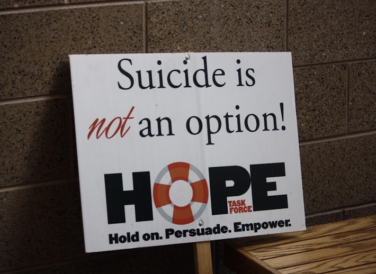
- Hope4Utah’s Hope Squads program operates in more than 2,500 schools throughout the United States.
-

- Laura Giles
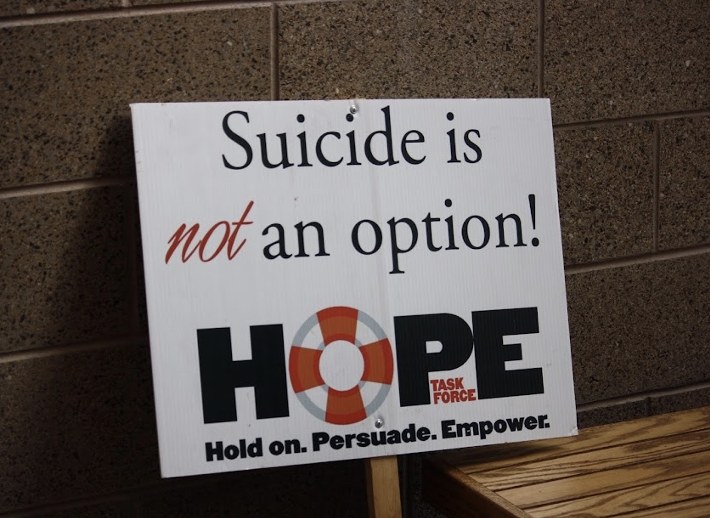
Courtesy Hope4Utah
Hope4Utah’s Hope Squads program operates in more than 2,500 schools throughout the United States.
Not only is it OK to talk about suicide, but asking someone who is struggling if he or she is considering suicide could actually be an important first step. Sometimes, asking the question opens the door to getting help.
“Listen to their story, and let them know you care. Ask directly about suicide, calmly and without judgement. Show understanding and take their concerns seriously. Let them know their life matters to you. That one conversation could save a life,” it reads on the American Foundation for Suicide Prevention website.
The month of September is National Suicide Prevention and Awareness Month. Any time is a good time to reach out to help others, but during the month of September, we can recommit to reaching out to help prevent suicide. Saying the word suicide — asking a friend or family member if he or she is considering suicide — is one way to reach out.
“Talking about suicide is one of the best ways to prevent it,” according to National Alliance on Mental Illness, nami.org. How we talk about it should include messages of hope, healing and help, rather than messages of shame or accusation.
Children and Teens
It is not easy to accept the fact that young children think about suicide and the issue is sometimes ignored until adolescence and secondary school. Because of the prevalence in teenagers, there has been much research on the topic and prevention programs have been focused on this age group.

Laura Giles
However, elementary-age children are in need of help as well. While young children’s general understanding of death and suicide may be immature, many have heard about these from movies, television and discussions with other children. It is not as likely that these discussions are with adults.
Still, we’re often afraid that discussing suicide will put the idea into children’s minds. And, as parents, that scares us into being silent. However, research tells us differently. According to the American Foundation for Suicide Prevention, afsp.org, “Asking your child directly about suicide will not increase their risk, or plant the idea. It will create an opportunity to offer support, and let them know you care enough to have the conversation.”
While we should be openly communicating with young children about suicide, that communication will be different than it is with teenagers and adults. According to National Alliance on Mental Illness (NAMI), suicide prevention with younger children is less about just talking about suicide and more about supporting them in coping with and expressing difficult emotions, teaching them to show empathy for others, practicing and encouraging resilience and letting them know where to turn for help.
Steps to take
We can all do more. Becoming educated about warning signs, watching out for each other, supporting those in need, asking questions and using the “s” word are some of the ways.
Common warning signs include: talking about wanting to die or being a burden to others, feeling empty, hopeless or trapped, exhibiting more sadness or anger than usual, withdrawing from friends, saying goodbye, using drugs or alcohol often and eating or sleeping more or less.
If you or someone you know is struggling right now, reach out for support. You can always call or text 988, 24/7 every day of the year.
Community

Pick up a book: Utah Valley University’s forum on reading focuses on fostering lifelong readers

A strong connection: As school closures are considered, one Orem elementary cherishes its community