Statewide program offers loans for first time homebuyers as costs rise in Utah, Utah County
-
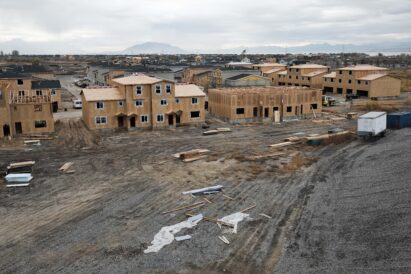
- Hundreds of houses are built in conjunction during a small boom in the housing industry in Vineyard are shown in this Nov. 10, 2016, photo.
-
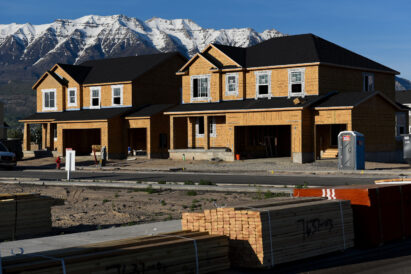
- New homes under construction in Vineyard are photographed on Friday, May 13, 2016.
Dominic Valente, Daily Herald file photo
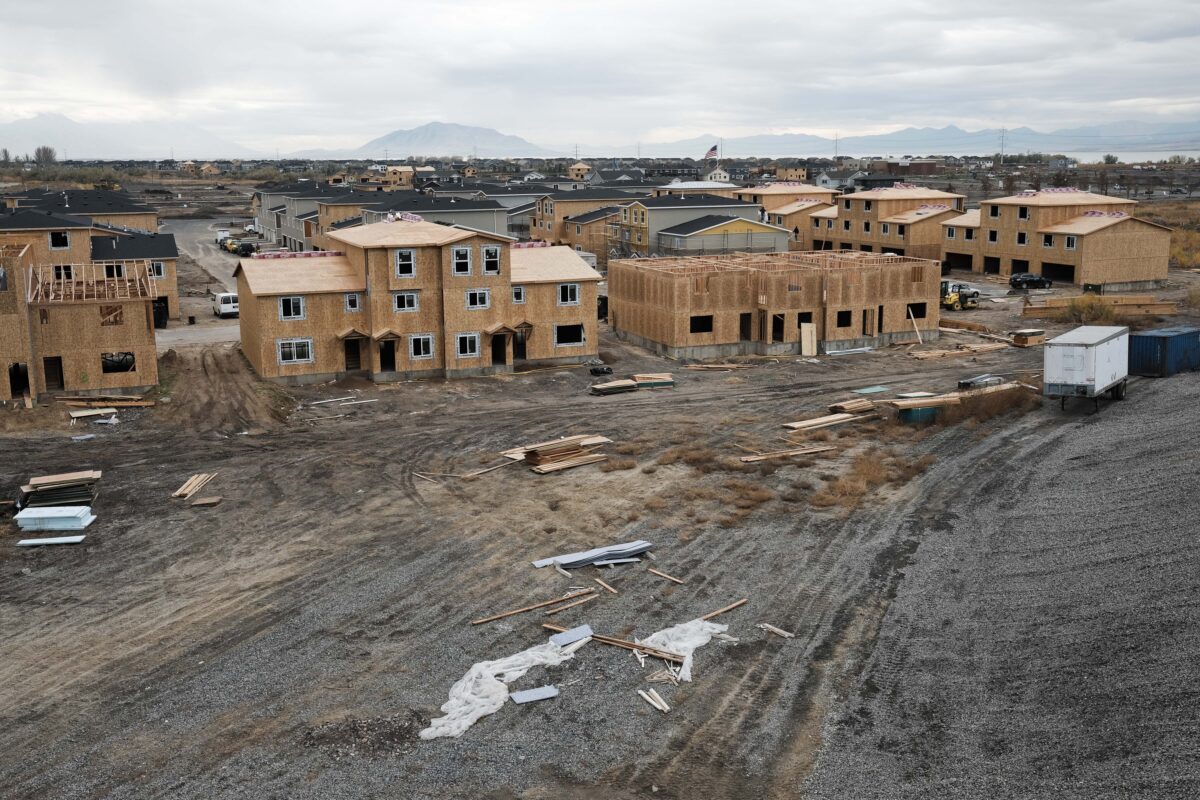
Hundreds of houses are built in conjunction during a small boom in the housing industry in Vineyard are shown in this Nov. 10, 2016, photo.
Amid an affordable housing shortage and increasingly expensive housing market in Utah, the state legislature in 2023 passed Senate Bill 240, seeking to make it “possible for more Utahns to afford homes and experience the pride of homeownership.”
The First-time Homebuyer Assistance Program is for individuals or families who have not owned a home in three years and have lived in Utah for at least one year. The house being purchased must be newly built or never lived in with a cost under $450,000.
Applications for this program opened Tuesday and the funds will be distributed on July 25 on a first-come, first-serve basis until they run out. The legislature provided $50 million to this program which the Senate said “will help an estimated 2,400 families purchase homes.” Up to $20,000 can be allocated per homebuyer, according to the Utah Housing Corporation.
J. Stuart Adams, Utah State Senate president and the bill’s sponsor, said the body chose to keep the price cap where it is and make the program exclusive to new builds in an effort to incentivize builders to create more affordable housing.
Having the grant only available for new builds was to ensure the supply of affordable housing rose, according to Adams. If the loans were available for existing housing, he said, the demand for housing would have risen without a rise in supply, resulting in home prices rising.
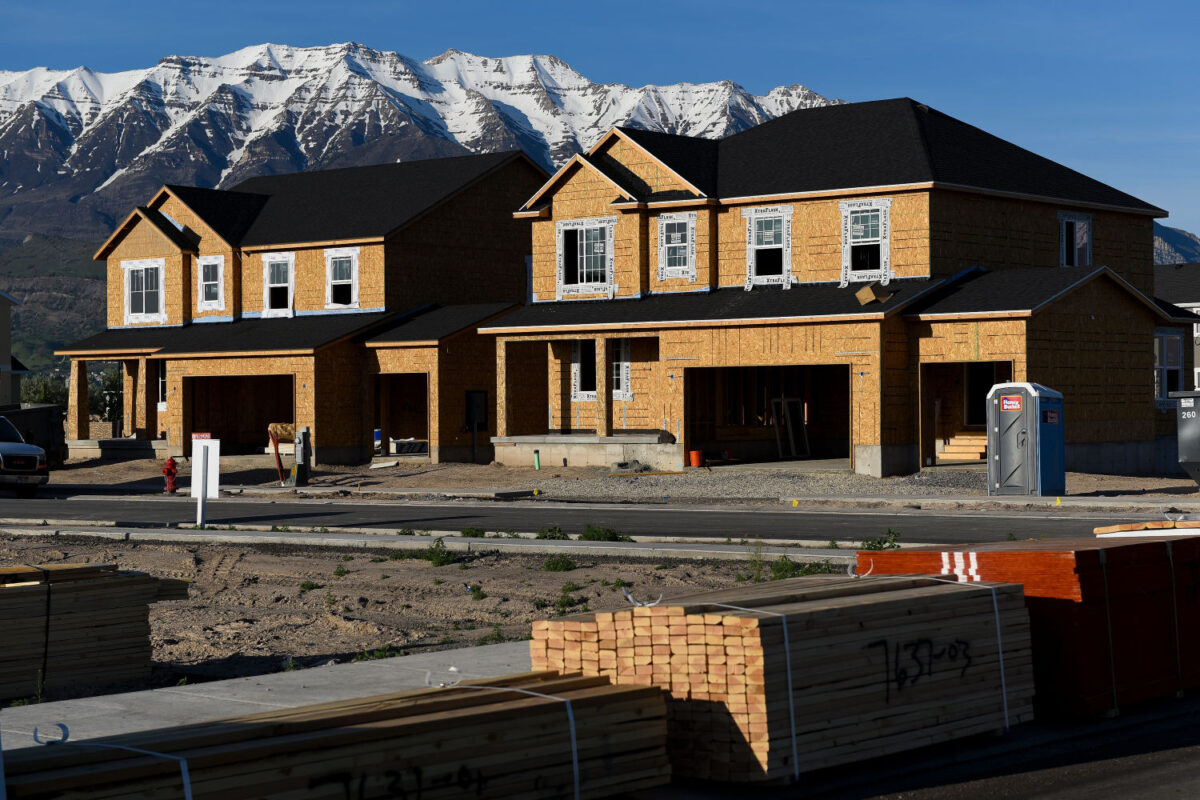
Daily Herald file photo
New homes under construction in Vineyard are photographed on Friday, May 13, 2016.
“We’re trying to get the cities and the counties and the developers and the builders to bring a product online in this price range and it’s difficult, but I think they’re doing it,” Adams said.
On Tuesday, a search on Multiple Listing Services — which real estate brokers use to establish contractual offers of cooperation and compensation– showed 78 listings for condos, town homes, twin homes or single family homes under $450,000 in Utah County. Alyssa Steinhouse, sales and marketing coordinator for Woodside Homes, said it can be challenging to find a home within the qualifying price range for the program in the county.
Steinhouse said they have seen the most questions about this program from people looking at townhomes, since they are typically at or below $450,000.
Adams said he has spoken with several builders who trying to create single-family homes eligible for the program. Steinhouse said this program has sparked conversations at Woodside Homes about how to best help their clients get into homes that fit their needs.
“It’s made our agents more conscious of working with people in that price range,” she said. “It’s really been good at creating those conversations and driving traffic and hopefully motivating people who are first time homebuyers, that their dreams, that their dream house might be closer in reach than they expect it to be.”
Qualifying home buyers will “receive a loan of up to $20,000 to buy down interest rates, apply funds towards a down payment or pay closing costs on a first home.” This loan has a 0% interest rate and does not require monthly payment. The loan will be paid back in part or in full depending on program requirements when homeowners refinance or sell their home.
Money repaid by homebuyers will go back to the Utah Housing Corporation to be circulated into the program for the future. There is no requirement for the time a person must live in the house they buy using the loan, but Adams said he expects within people will begin refinancing or selling their homes three to seven years, which will refund the program for others. If things go well, he added, the program may receive more funds even sooner.
While this program does create one way for first time home buyers to find affordable housing, Steinhouse wanted to remind first time home buyers that there are many options through incentives that many builders offer if this program does not work for them.
“I don’t want people to feel discouraged in any way if they don’t qualify for that because there could be something else that’s more specific to the builder that works better for them,” Steinhouse said.
Adams said while there have been options brought up and passed in legislative sessions to help reduce rent prices, those do not help people take steps toward home ownership.
“It doesn’t help people build equity. It doesn’t help with the quality of life. It doesn’t help with the self esteem of homeowners and homeownership. This is a pivot away from focusing on multifamily and focusing on getting people actually out of their apartment and into a first home and that’s kind of an American dream. We think it’s a good thing to do, and we think it’s a pretty balanced program,” Adams said.