Provo River diverted as officials celebrate ‘milestone’ in river delta restoration project

-
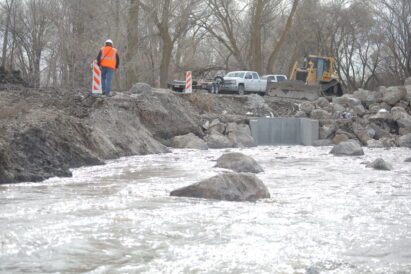
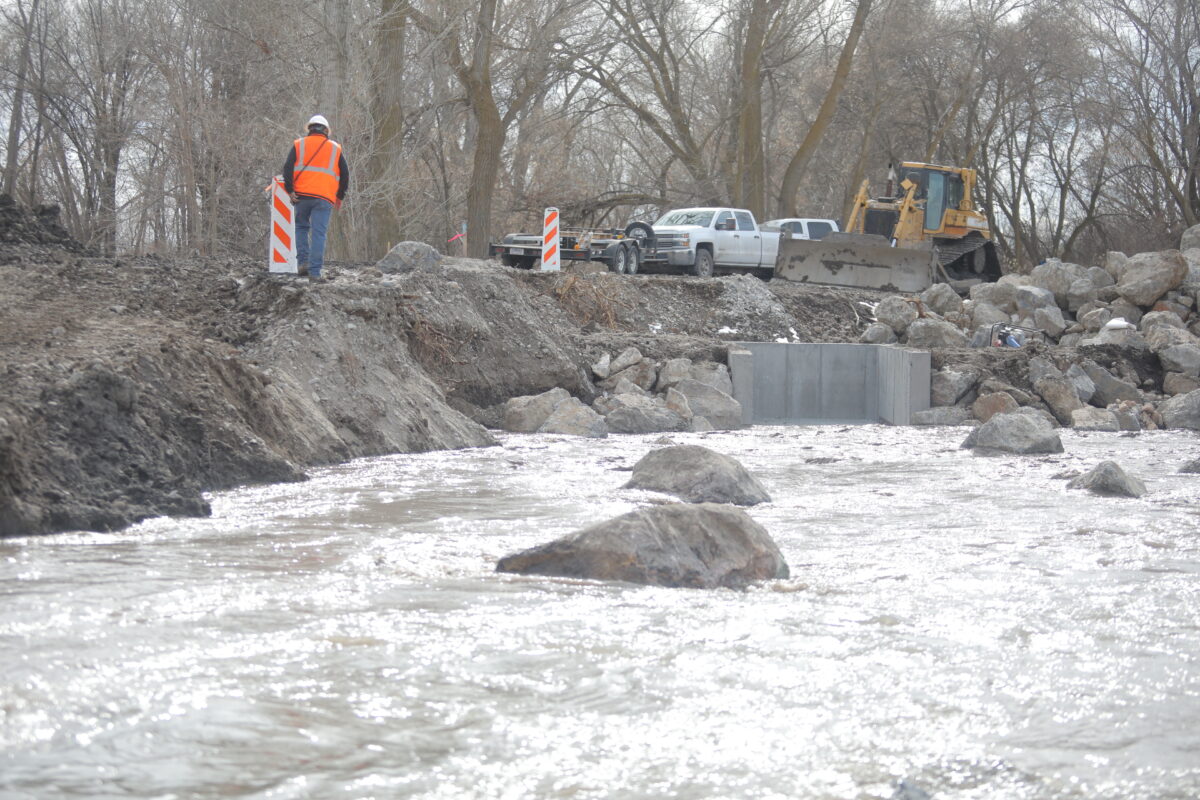
- Water flows into the Provo River Delta after being diverted from the main Provo River on Thursday, March 2, 2023.
-
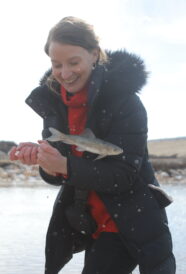
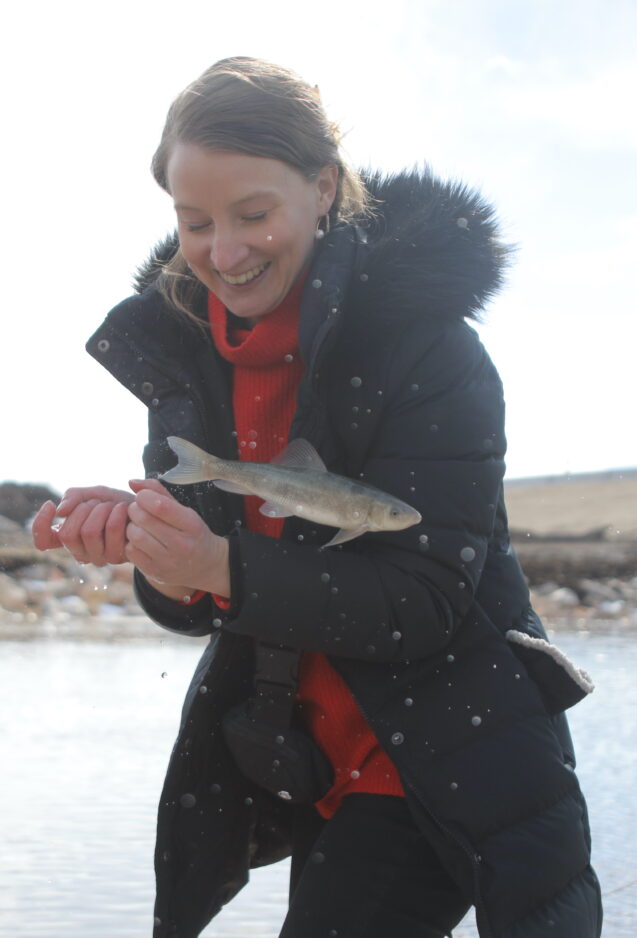
- A June sucker jumps out of the hands of Sally Tucker, communications advisor with the U.S. Department of the Interior, as a handful of the species are introduced to the newly formed Provo River Delta on Thursday, March 2, 2023.
-
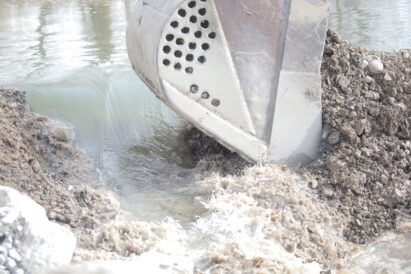
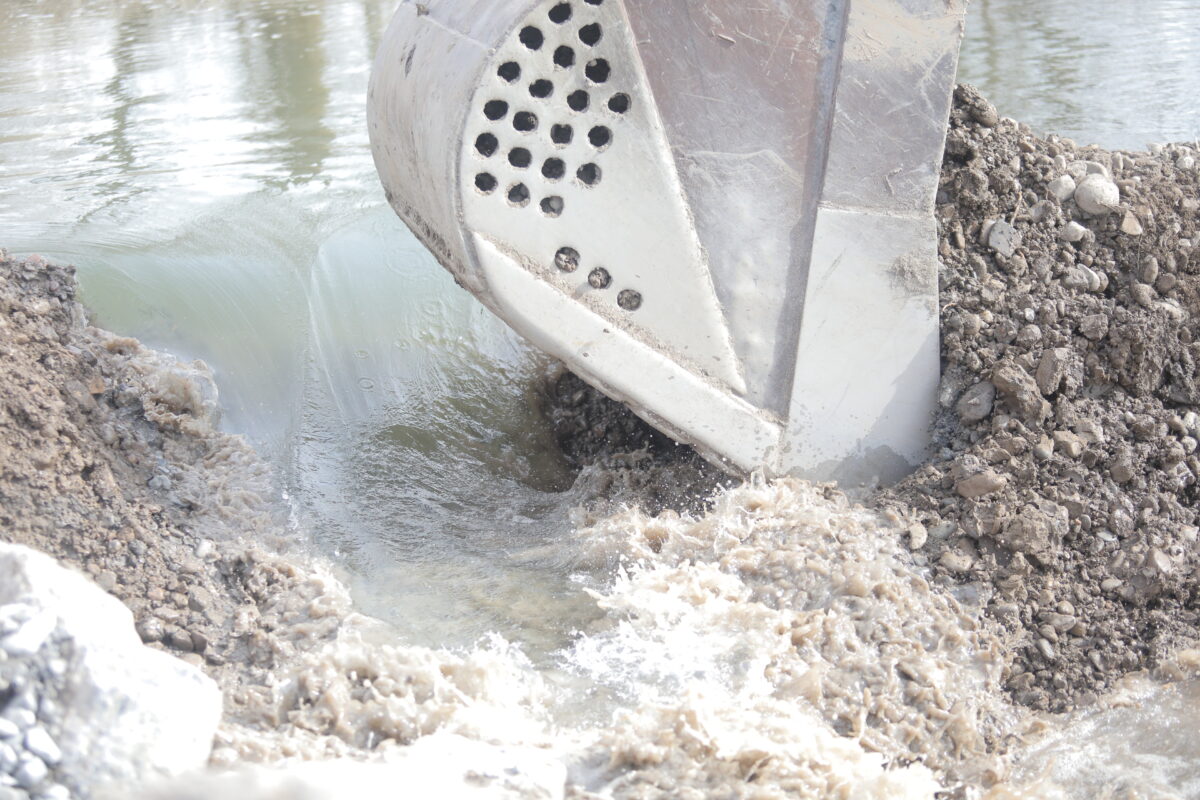
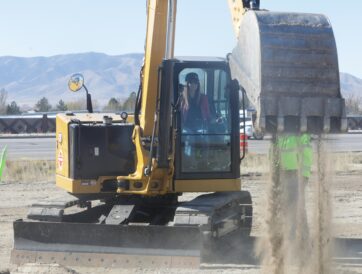
- A construction crane removes dirt, diverting water from the Provo River into a newly formed delta on Thursday, March 2, 2023.
-
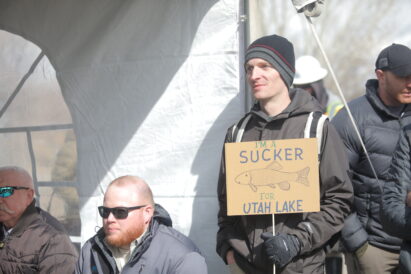
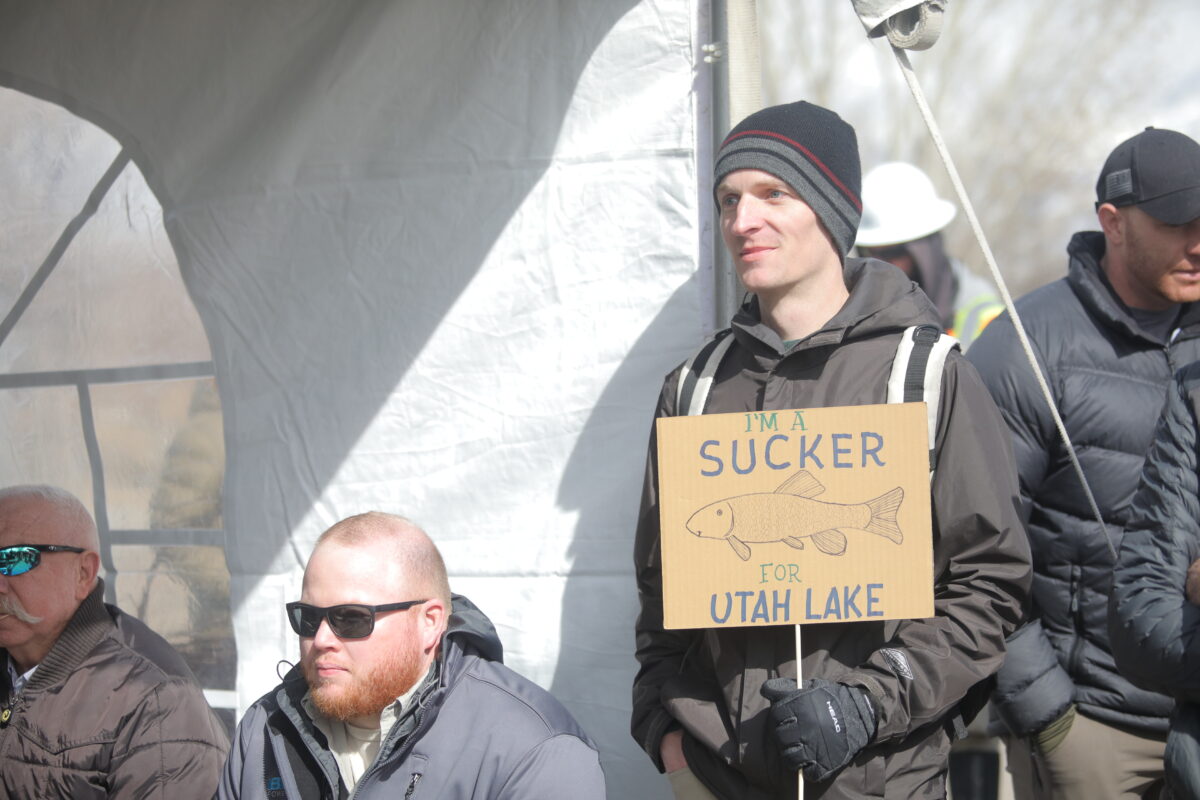
- Logan Millsap, of Springville, holds a sign reading “I’m a Sucker for Utah Lake” with a drawing of the June sucker during a ceremony to mark the diversion of water from the Provo River into a newly formed delta on Thursday, March 2, 2023.
-
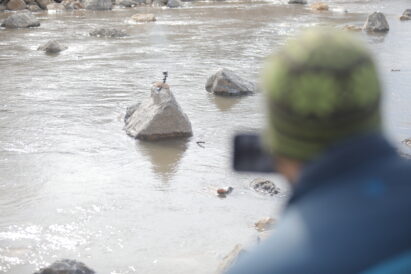
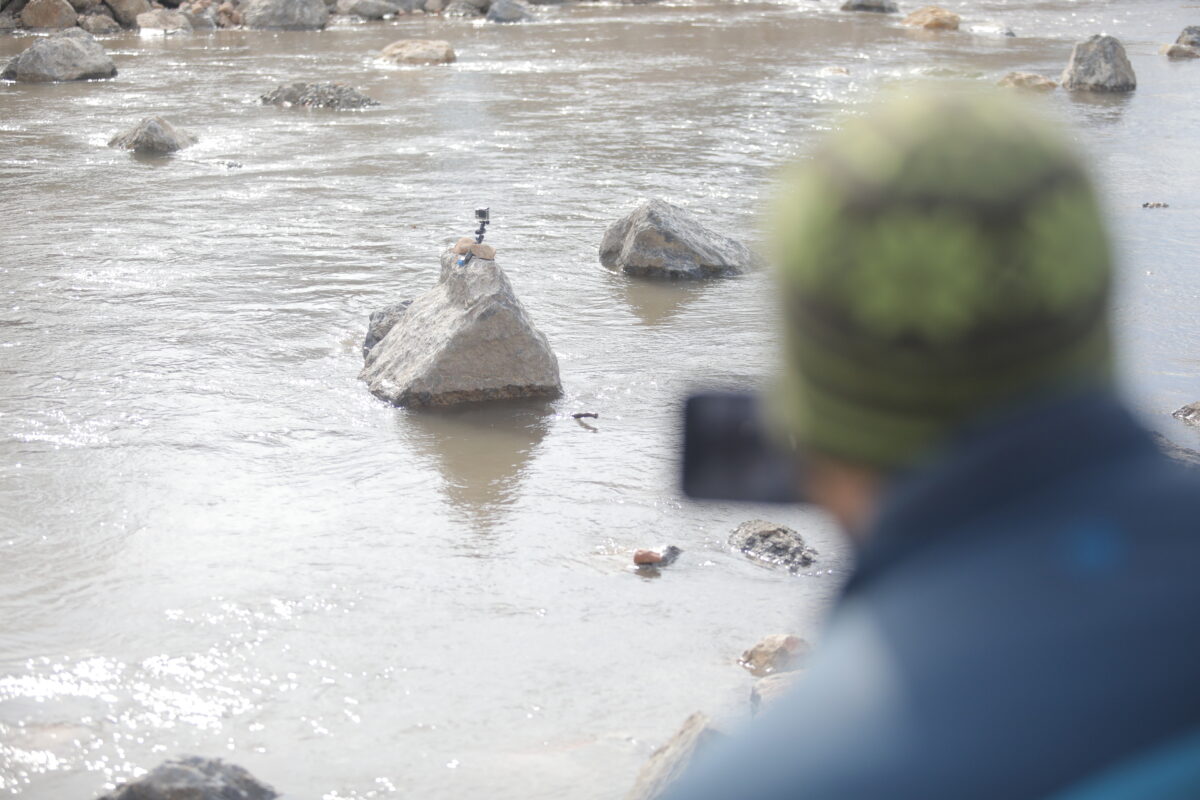
- People take photos of the Provo River Delta after water was diverted from the main Provo River on Thursday, March 2, 2023.
-

- Tanya Trujillo, assistant secretary for water and science with the U.S. Department of the Interior, speaks during a ceremony to mark the diversion of water from the Provo River into a newly formed delta on Thursday, March 2, 2023.
With three scoops of a construction crane, years’ worth of work was completed and met with roaring applause. On Thursday, government officials from the local, state and federal levels congregated to divert the Provo River into a new delta, sending the water toward Utah Lake.
The work is a milestone in the Provo River Delta Restoration Project, a joint effort by the Utah Reclamation Mitigation and Conservation Commission, the Central Utah Water Conservancy District, the Central Utah Project Completion Act Office of the U.S. Department of the Interior and the June Sucker Recovery Program.
“What it is is reconnecting the river to the delta and the lake and it’s providing essential habitat for the June sucker,” said Tanya Trujillo, assistant secretary for water and science with the U.S. Department of the Interior. “This project is a great example of how we’re using water for people, but we’re also making sure we’re taking care of the natural habitat that may be affected by the projects and the work that we’re doing. So it’s a recovery program that works hand-in-hand with the water supply program that we have. It’s a great combination of work.”
Trujillo touted the Bipartisan Infrastructure Law signed by President Joe Biden, which provided $10 million to the delta restoration project, “to help complete this project faster than it otherwise would have been completed,” in addition to $40 million for the Central Utah Project Completion Act to complete the Utah Lake System pipeline.
According to URMCC projects manager Melissa Stamp, the project is the culmination of approximately 156 coordination meetings over the past six and a half years. Dozens gathered around the edges of the dry riverbed to watch as the diversion went from plan to a reality. The water is now moving into channels and ponds that have been under construction for the past three years.
According to Stamp, the diversion is restoring the Provo River’s floodplain while “reuniting” it with Utah Lake. Calling it one of Utah’s “largest and hardest-working rivers,” Stamp highlighted the role it played through history, from offering food and building materials to Native Americans for thousands of years to eventually nourishing settlers from The Church of Jesus Christ of Latter-day Saints in the 1800s.
“If it can bring more people to enjoy our river, that’s what I love,” Utah County Commissioner Brandon Gordon said. Gordon highlighted the opportunities for recreation, fishing and more as reasons to celebrate the milestone.
According to the Provo River Delta Restoration Project, construction will continue on existing portions of the Provo River, including the installation of a small dam near Utah Lake State Park.
The dam will maintain water levels deep enough for flat water recreation, sport fishing and improve aesthetics, according to the group. Additional recreational features will be built along the existing river and around the delta, including new trail connections.
While a majority of the project area west of Lakeview Parkway will be closed to the public until 2024, residents can still make use of the southern half of the Skipper Bay Dike Trail, which will remain open. The additional trails and features are set to open in 2024, along with Delta Gateway Park, a nature-focused playground developed by Provo City.
“We recognize the changes we’re bringing to this quiet part of west Provo aren’t necessarily easy for the property owners or for those who love to recreate along the channel in its current condition,” Stamp said. “We continue to ask for your patience. Thank you for your sacrifices — know that great things are coming when we’re able to open this new space to the public next year.”
As water levels rose and attendees walked the trail back to their cars, a handful of government employees and guests were just downstream with a dozen June suckers, each one tagged and ready to be released.
The June sucker, found only in Utah Lake and the Provo River, was on the brink of extinction just decades ago, Chris Keleher told the crowd. Keleher, the June Sucker Recovery Implementation program director for the Utah Division of Wildlife Resources, praised community partnerships that have helped revive the species.
“The June sucker program had known for decades that improvements in the habitat to support early life-stage June sucker was essential to achieve recovery and for the species to be able to complete its entire life cycle in the Utah Lake ecosystem,” Keleher said. “The June sucker program has demonstrated that we can develop and use our water resources in a way that is compatible with conservation and recovery.”
Work has been done in the valley for decades to protect the June sucker. Since the early 1990s and 2000s, restoration projects have sought to protect the species and, in January 2021, it was classified as “threatened” rather than endangered. Keleher previously told the Daily Herald that there were fewer than 300 adult June sucker in the lake when he started working as a field biologist in the early 1990s.
The handful of June sucker added to the delta will now move throughout the streams and along the Provo River and Utah Lake with tags so researchers can track their movement along the system.
“We’ll be able to keep track of how they’re doing. We want to make sure we have habitat for them as they grow bigger and stronger,” Trujillo said.
Local News
‘Investing in people:’ UDOT breaks ground on 2100 North freeway project in Lehi

Women may now serve in ward Sunday School presidencies, The Church of Jesus Christ of Latter-day Saints announces