Orem treatment center for parolees dealing with substance abuse to open by the end of the year
-
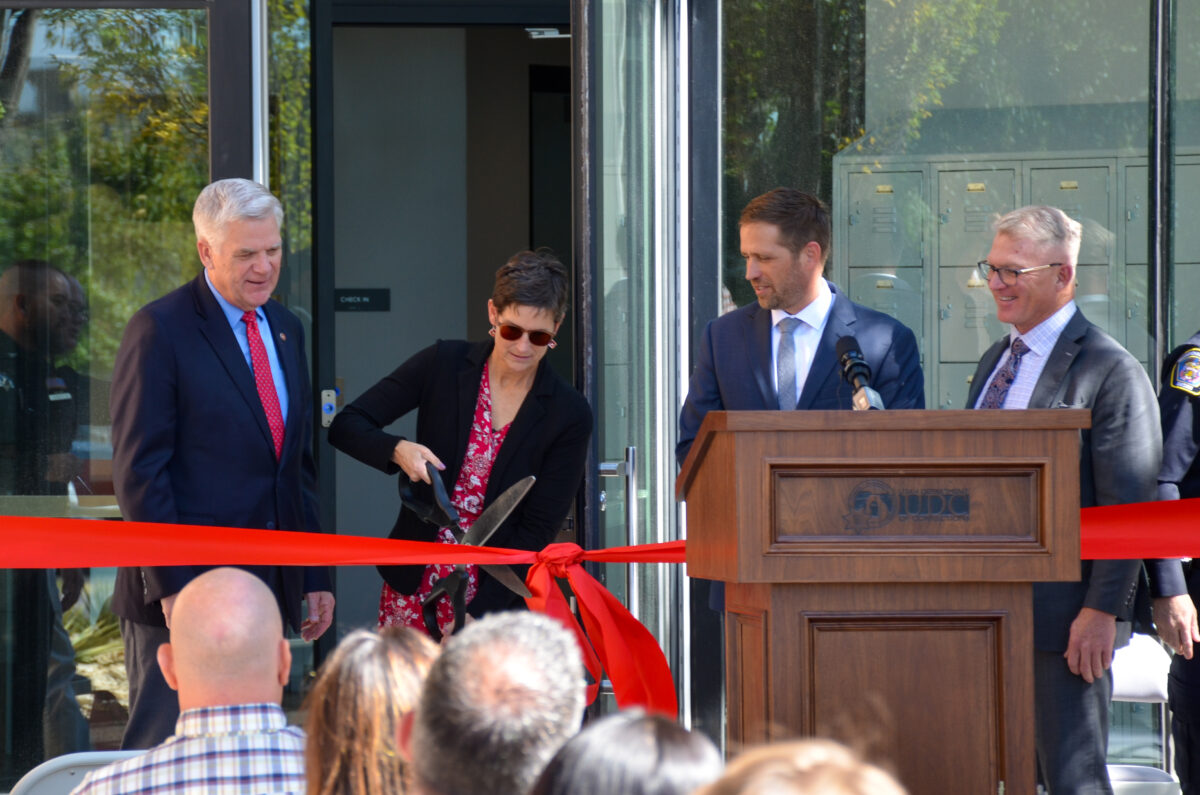
- A ribbon is cut Thursday, Sept. 28, 2023, to signify the opening of the Timpanogos Community Treatment Center in Orem. The facility is operated by the Utah Department of Corrections for substance abuse parolees. The center is expected to open by the end of the year.
-

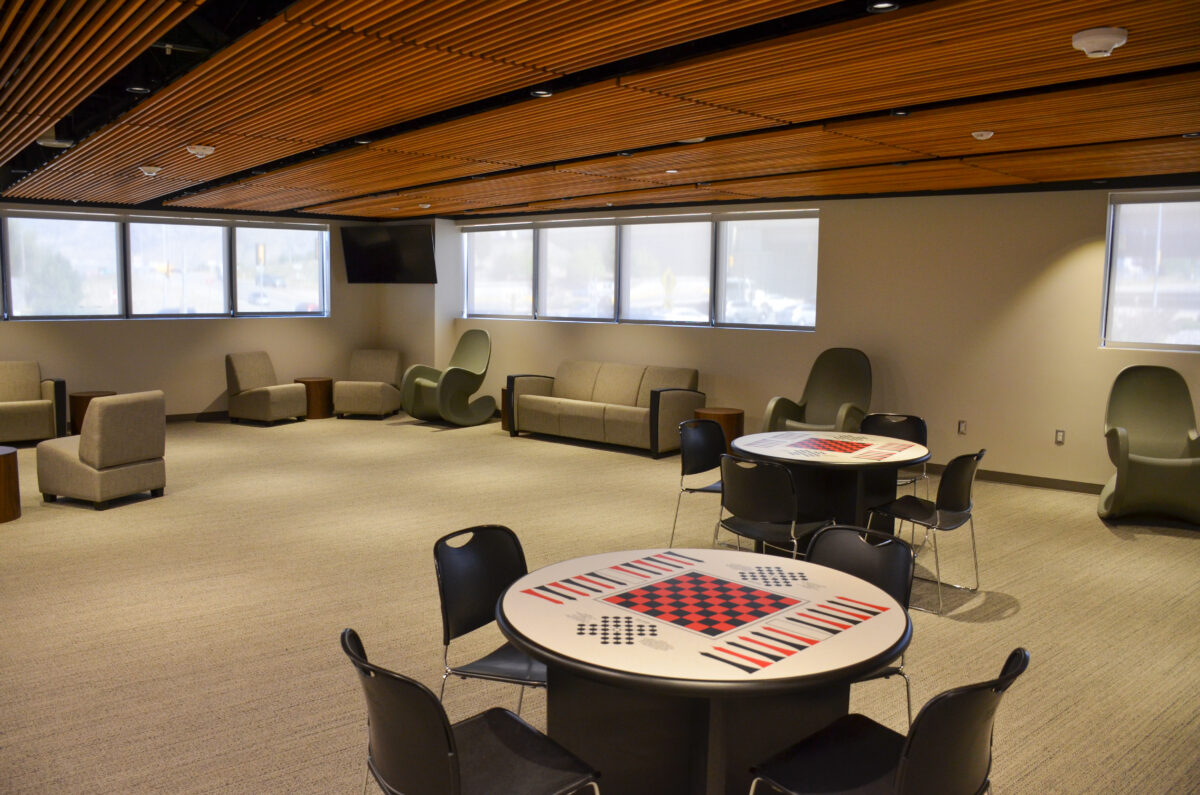
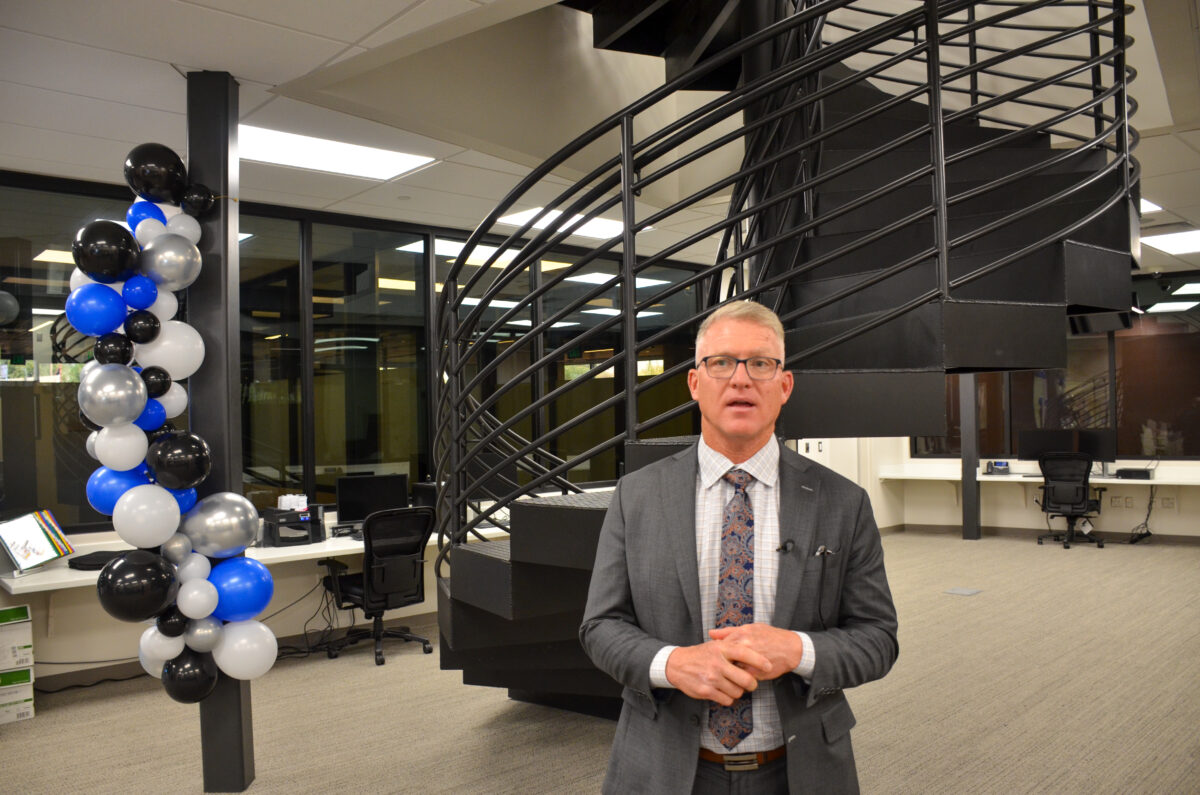
- At the new Timpanogos Community Treatment Center in Orem, parolees are given open lounge spaces with many windows to allow for natural light and an easier transition back into society. The treatment center is for those on parole for substance abuse. A ribbon-cutting ceremony for the center was held Thursday, Sept. 28, 2023.
-
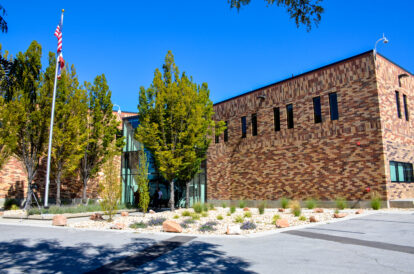
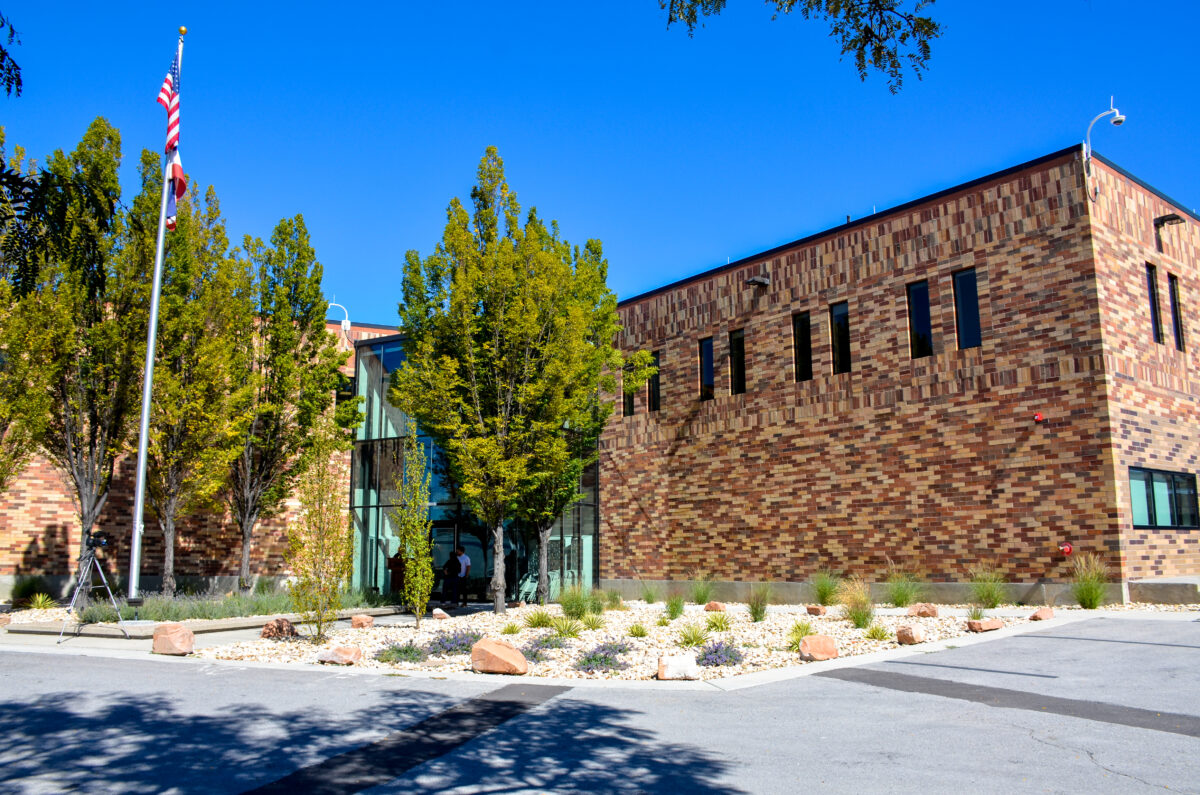
- The Timpanogos Community Treatment Center is the Utah Department of Corrections’ first rehabilitation center to be located in Utah County. The Orem facility will be open by the end of the year.
-
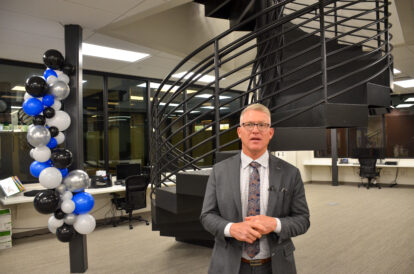
- Utah state Rep. Cal Musselman speaks inside the new Utah Department of Corrections Timpanogos Community Treatment Center in Orem on Thursday, Sept. 28, 2023.
-
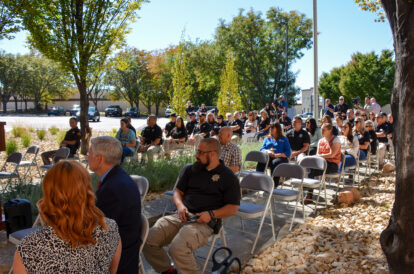
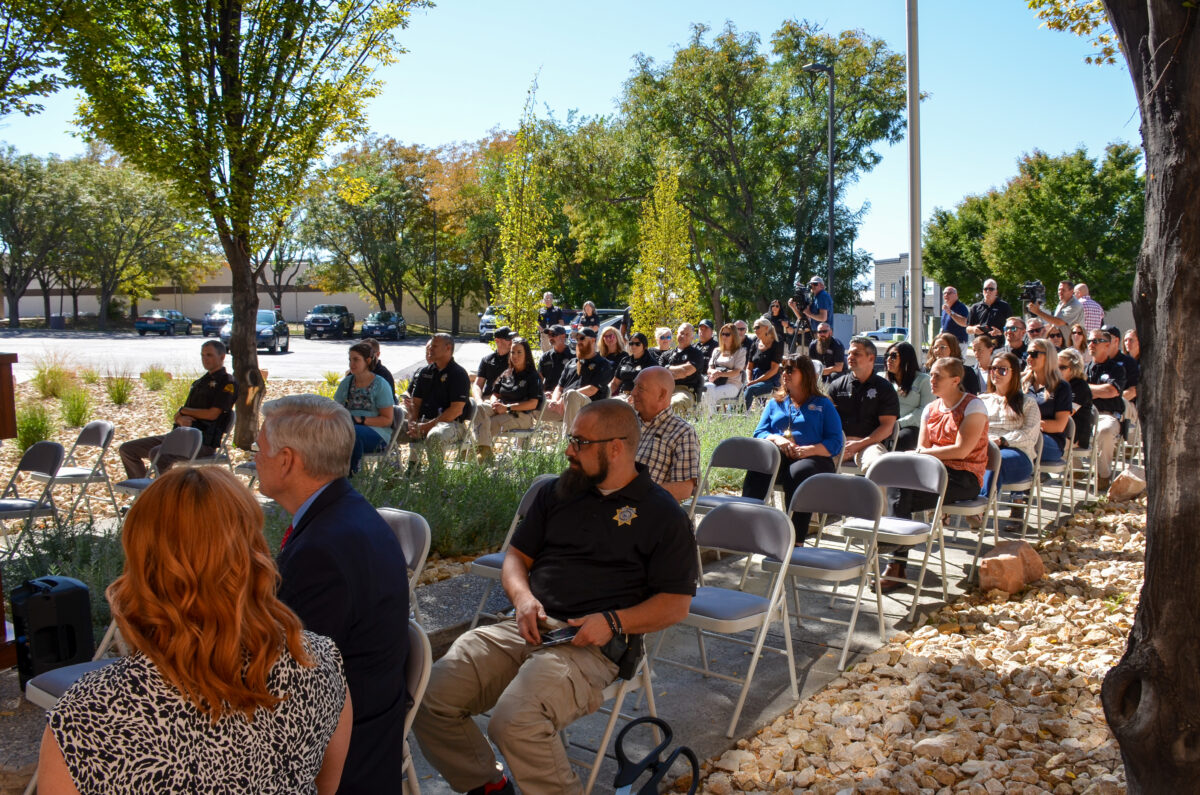
- Over 50 people attend the ribbon-cutting ceremony for the new Utah Department of Corrections Timpanogos Community Treatment Center in Orem on Thursday, Sept. 28, 2023.
-
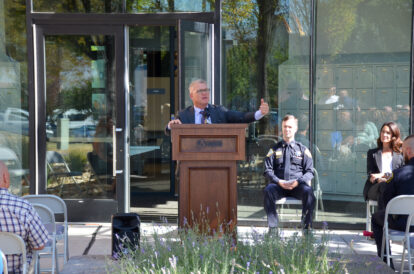
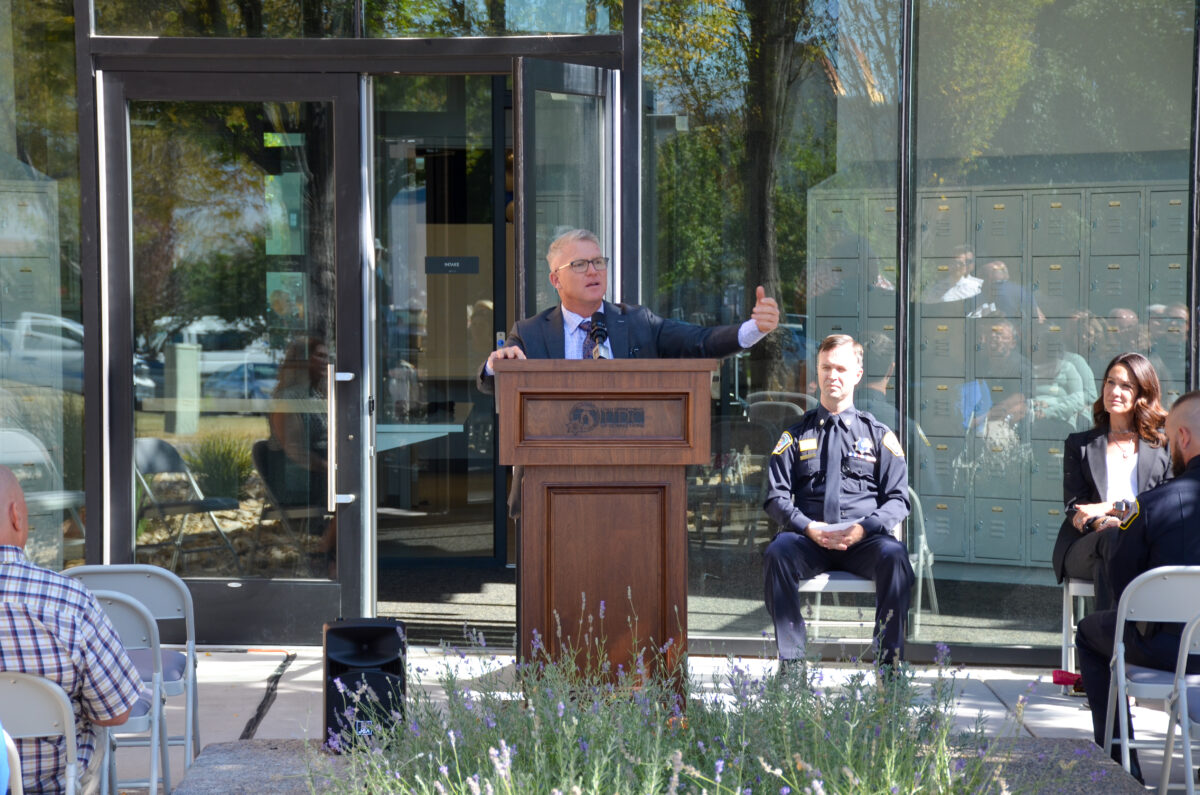
- Utah state Rep. Cal Musselman speaks at the ribbon-cutting ceremony for the new Utah Department of Corrections Timpanogos Community Treatment Center in Orem on Thursday, Sept. 28, 2023.
The Utah Department of Corrections will open the doors to the new Timpanogos Community Treatment Center by the end of this year. Located in Orem at 748 N. 1340 West, this facility is the first correctional treatment facility in Utah County and south of the Point of the Mountain. It will begin as a center for those on parole for substance abuse and, as needed in the future, will expand to programs for sex offenders on parole.
A ribbon-cutting ceremony followed by a tour of the center was held on Thursday. There are five other facilities, four in Salt Lake and one in Weber County, of which are all for men except one facility in Salt Lake.
“The Department of Corrections has the mission to protect communities, keep them safe, but also improve the lives of some of these individuals within our supervision,” said Executive Director Brian Redd. This new facility provides support for those coming out of incarceration in the form of supervised transition into society, help finding a job or a house, and help recovering from substance abuse.
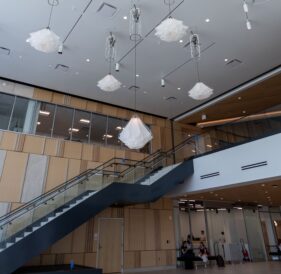
Unlike the UDOC’s five other facilities in the state, the Timpanogos Community Treatment Center offers a new way of living for those on parole. The rooms have an added design element: Typical concrete floors are replaced with hardwood, dark rooms are replaced with window-lined walls to allow for natural light, and closed-off spaces are replaced with open spaces, games, and lounging and rocking chairs. The design of the center provides an environment where they are not transitioning out of prison to another prison, but instead it brings them a step closer to being in society, said state Rep. Cal Musselman, R-West Haven.
The process of creating this facility cost tens of millions of dollars and started five years ago, with the building being purchased two years ago. The center took over the former Utah National Parks Council Boy Scout building in Orem.
The people coming to this facility are those coming straight out of prison to go on parole. It is part of their parole agreement to participate in the program offered at the center. Liam Truchard, information specialist at the UDOC, said it is unlikely any of them would be a safety risk to the community because their release from prison means “the board has decided that they are worthy to be transitioned back into society. If they’re not worthy, they wouldn’t come here,” Truchard said.
The transition back into society can be difficult for many who were incarcerated, so this facility prepares them for that transition by helping them find a job, a permanent residence and allows for them to get an education while living there.
As users of the treatment center will be on parole, they are allowed to leave the facility unattended after checking out with the staff, as the front door is always locked. They live like they would if they were on parole at home, just with extra supervision. They do their own laundry, can go grocery shopping or run other errands to prepare them for life outside of the center.
This process of assisted transition is intended to help parolees maintain a life outside of prison instead of ending up homeless or reincarcerated. Treatment for mental health and substance abuse for those living at the center is also provided.
Musselman said the idea behind the location is that offenders from Utah County can be close to their family and support system when they get out of prison instead of the family having to come to Salt Lake City to see them and offer support. The location of the facility is not by accident, he said, as it was chosen to be placed in Utah County based on the offender population in the area.
Over time, connections with the community will grow just as they have where the other facilities are located, Musselman said. “They (the community) will recognize this as a good labor force they could rely on and tap into and be a part of the healing process both for the offender and the community and their family,” he said.
The facility will open with 33 parolees, but there are 82 beds in total. Most people will stay at the center between four and six months depending on their program. “Hopefully in the meantime while they’re here, they’ll be able to save some money for rent or whatever it is that they need to get their life in order,” said Luke Lassiter, director of the Timpanogos Community Treatment Center and deputy chief for Adult Probation and Parole in the region. “It’s a beautiful program, and it’s so much better than someone just leaving the prison system and walking into unknowns.”
During construction, Lassiter had several phone calls with people who were initially concerned about the facility being in Orem. However, he said after speaking with them to explain what the facility is for, there has not been strong pushback.
“It’s been more of a lack of knowledge of what we do here and how we operate that and that there’s staff here 24 hours a day, seven days a week,” he said. “And when people leave the facility, we’re allowing that to happen and we know where they’re going and when they’re supposed to be back; there’s a lot of oversight.”
Redd said for those who have been in prison for many years, there are barriers such as new technology, finding stabilization, learning to work again and learning to reintegrate themselves into their family and community. “A facility like this gives individuals an opportunity to do that with support,” he said. “And so that’s the key: Individuals who are coming out of incarceration need community support, family support, and sometimes it takes a minute to rebuild those and establish those relationships.”