Distinctive structure: A first glance at a temple Lindon can call its own
-
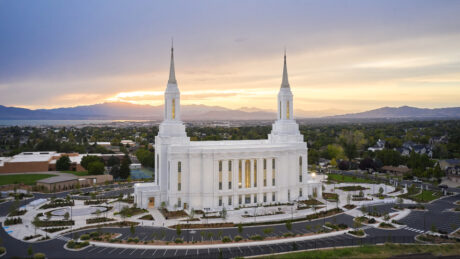
- The Lindon Utah Temple of The Church of Jesus Christ of Latter-day Saints is pictured.
-
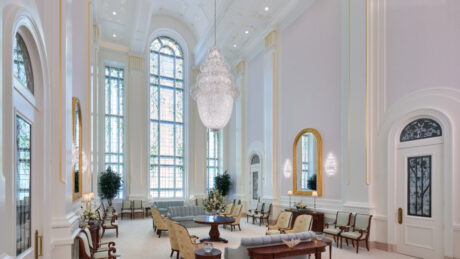
- The celestial room inside the Lindon Utah Temple of The Church of Jesus Christ of Latter-day Saints is pictured.
-
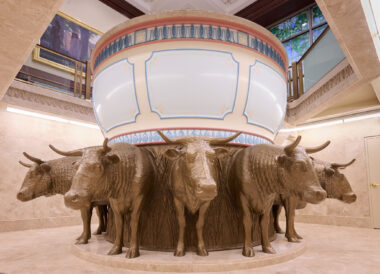
- One of two baptismal fonts inside the Lindon Utah Temple of The Church of Jesus Christ of Latter-day Saints is pictured.
Courtesy Intellectual Reserve
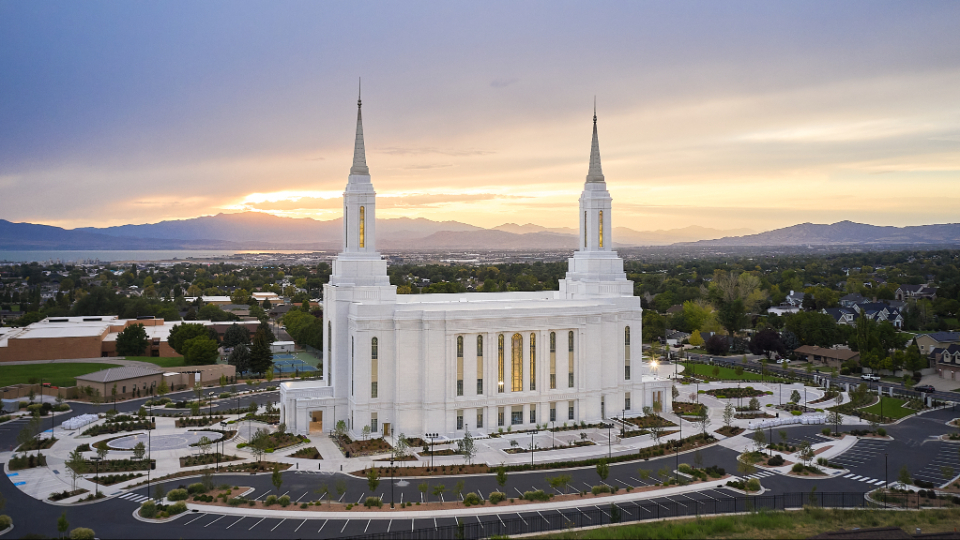
The Lindon Utah Temple of The Church of Jesus Christ of Latter-day Saints is pictured.
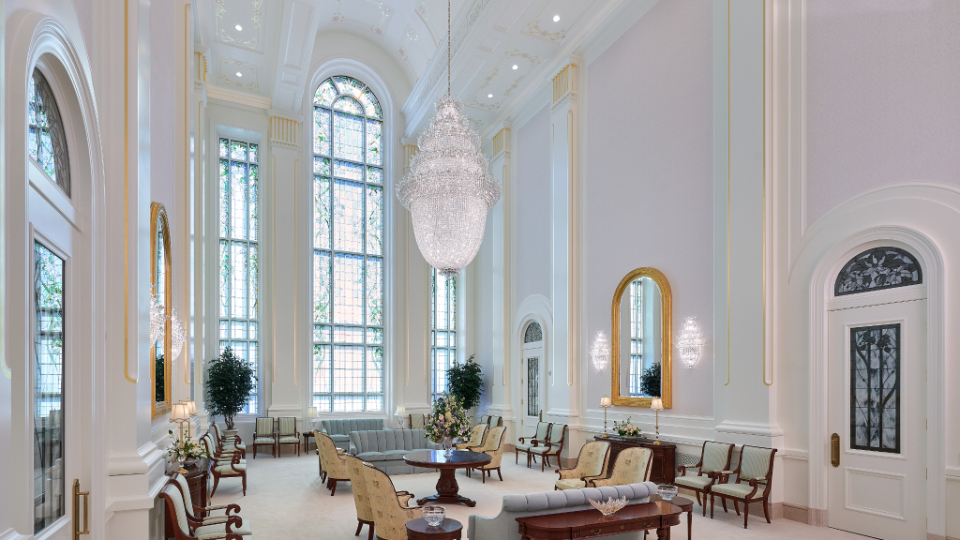
Green vines and leaves weave through the high-arching stained-glass windows of the Lindon Utah Temple celestial room, glistening in the sunlight and providing a charming contrast of colors in an otherwise white room.
This greenery, seen throughout The Church of Jesus Christ of Latter-day Saints’ newest holy house of worship in various elements, is not just there for the ambience; it gives the temple a distinguishing flair that makes it uniquely Lindon’s.
It represents the Linden tree — an important landmark in the community’s early days that served as a drop-off point for mail and ultimately inspired the name of the town.
“Lindon City was named after the Linden tree, and so they’ve represented that all throughout the building,” explained Dana Daley, a member of the Lindon Temple open house committee. “So it’s in the stained glass, the flowers, the buds, the vines, the trunk. It’s in the carpeting, you can see little representations of the Linden flower. It’s in the woodwork. You can just see little touches of it everywhere. So it really just makes me feel like they’ve incorporated the spirit of Lindon into the temple.”
The Daily Herald got an early look at the building during a media tour led by Elder James R. Rasband of the General Authority Seventy of the church Monday morning. Community members, including those who are not members of The Church of Jesus Christ of Latter-day Saints, are invited to visit the temple for themselves during a public open house that runs Thursday through April 11, excluding Sundays, prior to its dedication on May 3.
Courtesy Intellectual Reserve
The celestial room inside the Lindon Utah Temple of The Church of Jesus Christ of Latter-day Saints is pictured.
The 83,140-square-foot building was first announced in the October 2020 general conference and broke ground in 2022. It has a number of distinguishing elements that tie it to the local community and make it stand out from other temples that dot Utah Valley and the Beehive State.
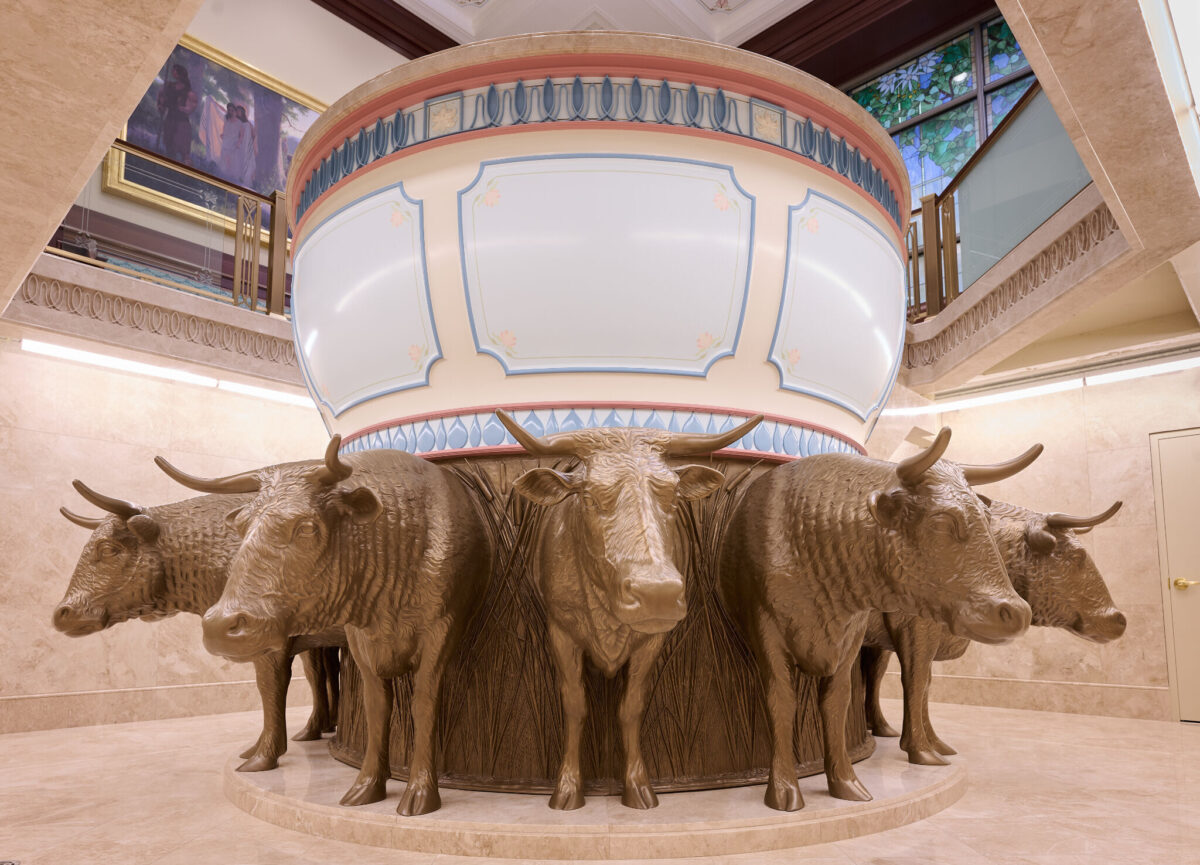
It is the only temple in Utah Valley with two spires on either side, standing in equal prominence in size and height. It is also the first temple in Utah Valley and one of the first in the world with two baptismal fonts, meant to accommodate the high volume of youth members performing proxy baptisms.
“We have so many temples dotting around Utah Valley, but now we have one just in our own community, and it just sits right in the center of all the homes around it,” Daley said. “And I love that it just sits up and above so you can see it from anywhere in the valley, and it’s just like a historic building with double spires. And that’s what I love about it.
Beyond the Linden tree, many other natural elements are incorporated into the temple through art on its walls. Along with pictures of Jesus Christ are many pieces of art that show the banks of Utah Lake, Mount Timpanogos, Bridal Veil Falls and other local features.
According to Elder Jorge T. Becerra, a General Authority Seventy of the church, temples throughout the world draw motifs from the community where they reside — first, to thank the community for allowing the church to build a house of worship in its city and second to draw them to the temple.
Courtesy Intellectual Reserve
One of two baptismal fonts inside the Lindon Utah Temple of The Church of Jesus Christ of Latter-day Saints is pictured.
“This is an opportunity for them to come, especially during the open house, to see a temple in their community. Because they’re usually closed to people who are not of our faith,” Becerra said.
Becerra’s wife, Sister Debbie Becerra, said that including natural elements in the temple adds to the holiness of the space for some people.
“The Spirit speaks to different people differently,” she said. “So what somebody needs at the moment might not be what somebody else needs. And I think those natural images really appeal to a wide variety of people and bring a different kind of peace.”
Elder Becerra said the ultimate purpose of a temple is to worship Jesus Christ and to inspire members to work toward fulfilling his commandments and becoming like him. But he said the impact such a space can have on the community it resides in — such as Lindon — is substantial.
“I would just imagine the people of Lindon are grateful that God is saying to them, yes, there are temples worldwide, but for me, Lindon is an important place,” Elder Becerra said. “The people in Lindon are good people, and I want to bless them, because wherever we put a temple, it’s kind of interesting. Economically, the community booms. Everybody’s blessed near and around. So it’s not just a blessing for members of the church; the community is going to benefit very much, because it’s evidence that God loves his children and he wants to bless them.”
And for members of the church that reside in Lindon, it gives them a house of worship in their own backyard and alleviates the demand of the nearby temples.
“This normally was part of the Mount Timpanogos Temple area. So I’m really glad that Lindon has its own temple,” Daley said. “I think it alleviates some of the pressure from Mount Timp, which I think is the busiest temple in the world.”