
Guest opinion: The infrastructure investment nobody talks about
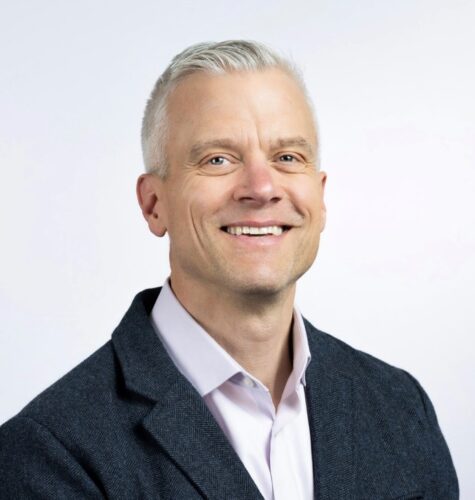
Photo supplied
Matt SibulAmericans love ribbon cuttings. We celebrate the groundbreaking. We admire the rendering. We announce the project cost. Politicians gather for photographs. Local headlines proclaim progress.
Then we move on.
What rarely receives the same attention is what happens 10, 20, or 30 years later when that infrastructure must still perform exactly as promised.
The truth is, while building infrastructure is challenging in its own right, maintaining the same infrastructure through the years of use is often equally challenging and overlooked.
Across the country, communities are paying the price for decades of deferred maintenance. Roads deteriorate, bridges age, transit systems struggle with reliability, and costs rise. The bill eventually comes due, and it is almost always larger than anyone expected, particularly when systems are not properly maintained.
That’s why one of the most important infrastructure conversations happening in Utah today isn’t only about a new rail line or a major expansion project. It’s about governance.
This month, the Utah Transit Authority (UTA) transitioned to a new board structure. While governance changes rarely generate headlines, they often determine whether public agencies succeed or struggle over the long term.
UTA is shifting to a seven-member Transit Commission. The Legislature’s stated goal is to create a governing body that is more nimble, responsive, and better equipped to address the agency’s evolving needs.
Good governance shapes the decisions that affect every rider, taxpayer, and community. It influences whether leaders make investments for the next quarter or the next generation. It determines whether agencies focus solely on what’s new or whether they also protect the infrastructure already in place.
Those choices matter because Utah’s transportation system is entering a period of enormous demand. Our state is expected to add nearly one million residents in the coming decades. Businesses continue to invest here. Communities continue to grow. And in less than a decade, Utah will once again welcome the world for the 2034 Winter Olympic and Paralympic Games.
Meeting those challenges will require more than ambitious plans. It will require discipline.
The public rarely notices infrastructure when it’s working. Nobody celebrates a maintenance program that prevented a problem from occurring in the first place. But that’s exactly the point. The best infrastructure systems are often invisible. They work so reliably that people stop thinking about them.
That kind of performance doesn’t happen by accident. It happens because leaders make difficult decisions year after year to invest in maintenance, replacement, modernization, and long-term planning — even when those investments are less exciting than launching something new.
As transportation professionals, we spend a lot of time talking about innovation, and we should. As part of my role, I’m constantly looking for ways to apply innovations like AI across our portfolio of projects and programs. That isn’t unique to me; it’s a mindset our industry should embrace because Utah’s future depends on continued growth, smart planning, and bold ideas.
But innovation without stewardship is not a strategy. The transportation agencies that will succeed over the next several decades are not necessarily the ones that build the most. They will be the ones that manage the best.
Because when the world arrives in Utah in 2034, it won’t be judging our plans. It will be judging our performance. The trains will either arrive on time or they won’t. The systems will either work or they won’t. The investments made today will either deliver for the next generation or they won’t.
And as Utah prepares for continued growth and a global spotlight, we should remember that our transportation legacy will be measured not by what we build, but by what we sustain.
Utah is up to this challenge and I believe we will have the leadership to get it right. As a transportation wonk on the private side, we are ready to join UTA to get the job done.
Matt Sibul is the Transportation District Business Line Lead for WSP’s Southwest Mountain District, where he oversees operations, project delivery and client success across Arizona, Colorado, New Mexico, Utah and Wyoming.


