
Guest opinion: Utah celebrates recovery. Our systems should recognize it, too.
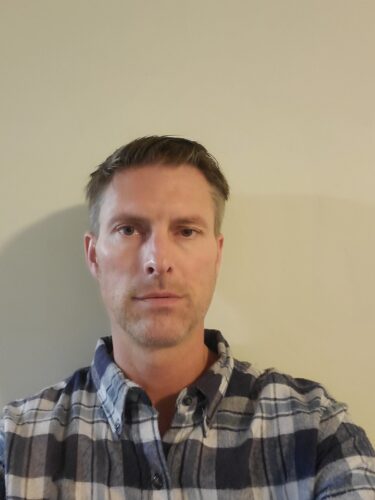
Photo supplied
Jay WertherSeptember is National Recovery Month. Across Utah, people will gather this month to celebrate something worth celebrating: People can recover from addiction.
But there is a question we don’t ask nearly as often.
What happens after they do?
We tell people struggling with addiction to change. Get treatment. Get sober. Take responsibility. Rebuild your life.
Then, when they try, they often discover that many of the systems around them are much better at recording what they did wrong than recognizing what they have done since.
I know something about this.
Alcohol took years of my life and led me to consequences I earned. Recovery required accepting those consequences, not pretending they never happened.
But recovery also taught me something I hadn’t expected: Getting sober and rebuilding your life are two different things.
A person can stop drinking. A criminal record does not disappear.
A person can become reliable again. A background check may still introduce that person through mistakes made years earlier.
A person can rebuild a career. Licensing rules, employment screening and an internet search can continue defining that person by the worst period of his or her life.
At some point, we should ask what society actually wants from people in recovery.
If the answer is accountability followed by change, then our institutions should be capable of recognizing both.
Utah has already embraced that principle in some important ways. Its Clean Slate law allows certain qualifying criminal records to be cleared automatically. That’s significant. Traditional expungement can be complicated and expensive, and eligibility means little if people cannot realistically navigate the process.
But record clearing is only part of rebuilding a life.
People in recovery can face barriers to employment, housing and professional licensing. And in the internet age, even an old or resolved case can remain attached to someone’s name through arrest websites, news stories and search results that tell you what happened years ago but nothing about what happened afterward.
None of this means pretending the past didn’t happen.
I don’t want mine erased.
There are things in my past I deeply regret. They are also part of why I write about alcohol, recovery and second chances today.
But there is a difference between remembering someone’s past and requiring that person to permanently live inside it.
That distinction matters for more than compassion.
Recovery depends partly on having something to recover to.
A job. A home. Relationships. Responsibility. Purpose. A place in the community.
If we tell people they can change while maintaining systems in which their change rarely matters, we create a contradiction. We demand rehabilitation while making it harder for people to build the lives that sustain it.
Utah can do better.
We can continue expanding sensible record-relief policies while protecting public safety. Employers can consider how long ago conduct occurred, whether it has any relationship to the job and what someone has done since. Licensing bodies can distinguish legitimate public-safety concerns from punishment without an end date. Treatment and recovery programs can devote more attention to what comes after sobriety: employment, housing, education and rebuilding professional lives.
And perhaps we can broaden what we mean when we talk about recovery.
Recovery is not simply the absence of alcohol or drugs. It is the process of becoming capable of participating fully in society again.
This month, Utahns will celebrate people who have done exactly that.
We should.
But if Recovery Month means anything, our belief in second chances should extend beyond rallies, banners and inspirational stories.
People should be accountable for what they have done.
They should also be allowed to become more than what they have done.
Recovery Month asks us to believe that people can change.
Our institutions should reflect that belief.
Jay Werther is a writer in Summit County and founder of the Fair Identity Project, which advocates for a more proportional approach to how past mistakes follow people through employment, public records and the internet.
Opinion
Guest opinion: Utah celebrates recovery. Our systems should recognize it, too.
Guest opinion: Does it matter that I’m here? Why student involvement alone isn’t enough.
JOECKS: Why liberty requires virtue
A farmer can't make his plants grow, but he can create the conditions that lead to their flourishing. A society ...