Utah water conditions thrive with strong winter and conservation efforts
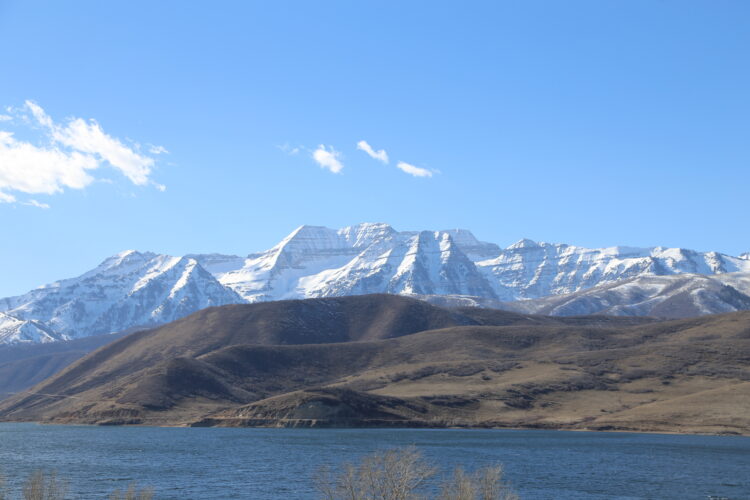
Deer Creek Reservoir is filled almost to capcity this year with the over abundance of water.
SALT LAKE CITY — Utah’s water supply continues to flourish thanks to an exceptional winter season, benefiting the state’s water reserves. The gradual melt-off has replenished water sources, marking a positive milestone compared to the previous year.
Candice Hasenyager, director of the Division of Water Resources, expressed her optimism, stating, “Last year, we faced unfavorable records. Now, we have the opportunity to enhance our drought resilience through water conservation and preservation, thanks to this year’s exceptional snowpack.”
According to the latest data from the Natural Resources Conservation Service, Utah has received 137% of normal precipitation. This significant improvement contrasts with last year’s precipitation, which was 7% below normal. The high soil moisture, driven by the record snowpack, has facilitated efficient runoff, refilling streams, rivers, lakes, and reservoirs, with minimal saturation of the soil.
Statewide reservoir storage stands at 86%, a notable increase from last year’s 59% during the same period. For context, the normal storage level for this time of year is 72%. Diligent water management practices and the record-breaking snowpack have contributed to the healthy storage levels in Utah’s reservoirs. This abundance ensures a reliable water supply for agriculture, municipalities, and recreational activities. However, continued conservation efforts are necessary to sustain this positive trajectory and preserve water resources for future generations. With the support of community members, policymakers, and legislators, Utah remains confident in maintaining a resilient water supply.
The Great Salt Lake reached its peak level for the year at an elevation of 4194.0 feet on June 19 and 20. This elevation is approximately 5.5 feet above the record low set last November. The lake’s salinity has returned to favorable levels. As inflows decrease and temperatures rise, the lake is expected to experience a decline until around October when cooler temperatures and increased precipitation occur.
In related news, Brian Steed has been appointed as the Great Salt Lake commissioner. Hasenyager expressed enthusiasm, stating, “We are excited to work with Brian in this new role. His extensive experience, including his tenure as the executive director of DNR and the first executive director of Utah State University’s Land, Water, and Air Institute, will greatly benefit our efforts.”