
Utah water conditions update: Reservoirs full, streams running high
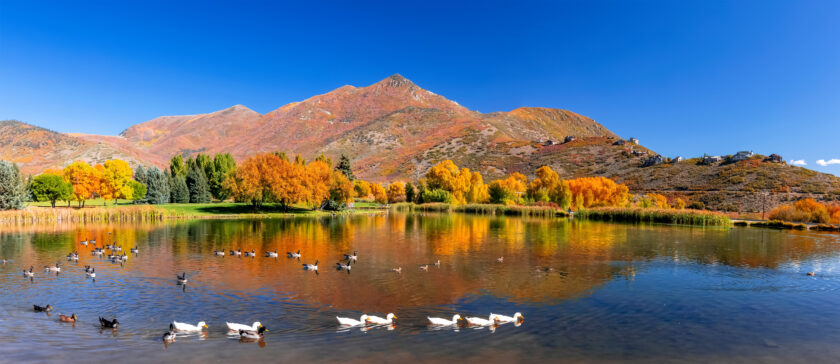
As of mid-May, over half of this winter’s snow has melted. Utah’s water conditions continue to benefit from favorable weather patterns, ensuring optimal spring runoff.
SALT LAKE CITY – As late June arrives, Utah’s snowpack has largely melted, resulting in high, fast, and cold streams and rivers across the state. With drier and hotter conditions on the horizon, state officials urge caution around these water bodies.
“Our gradual snowpack melt has significantly benefited our reservoirs and natural environment,” said Candice Hasenyager, director of the Division of Water Resources. “We’ve mostly avoided flooding and have managed our reservoirs effectively.”
The latest June Water Supply Report from the Natural Resources Conservation Service highlights that statewide reservoir storage is at its highest level in over 15 years. Many basins, including Weber-Ogden, Tooele Valley, Duchesne, Provo, Price, Southeastern Utah, and Beaver watersheds, are at or near capacity.
Currently, Utah’s reservoirs are at an impressive 92% capacity, about 20% higher than normal and 17% higher than last year at this time.
“Our strong reservoir storage underscores the importance of water conservation,” Hasenyager said. “Let’s make the most of our water by using resources like the Weekly Lawn Watering Guide and taking advantage of rebates and incentives available at UtahWaterSavers.com.”
Over the past 30 days, temperatures have been warmer than normal, accelerating the snowmelt and causing many streams to run high. Despite the higher temperatures, evaporative demand–the air’s thirst for water–has remained typical for this time of year.
About 88% of streams are flowing at normal to above-normal levels, enhancing the resilience of Utah’s water systems. While many streams have passed their peak flow, those that remain have less than a 10% chance of reaching flood stage. However, the increased volume has made rivers and streams very fast-moving, posing risks, especially for children and pets.
The Great Salt Lake has seen a notable net increase, rising approximately 6.5 feet since its historic low in November 2022. This rise is a testament to legislative actions and investments over the past three years aimed at preserving and protecting the lake. Modifications to the Great Salt Lake berm, as directed by the governor’s executive order, have reduced salinity and benefited the brine shrimp population in the lake’s south arm.
In Utah, about 95% of the water supply comes from snowpack, with reservoir storage crucial for preserving water for dry summer months and drought years. To encourage water conservation, the Department of Natural Resources continues to promote initiatives like the Agricultural Optimization Program for farmers and SlowtheFlow.org for residents. These programs aim to educate and incentivize water-saving practices, helping Utahns become more drought-resilient and better prepared for future conditions.
For more information on water conservation efforts and updates, visit UtahWaterSavers.com and SlowtheFlow.org. Stay informed and stay safe as Utah navigates these changing water conditions.
News
Utah faces Record-Low Snowpack as officials urge water conservation

Crystal Festival brings sparkle, science, and family fun to Mt. Pleasant
Young artist chamber players return to Spring City for special Thursday performance
SPRING CITY — Music lovers in Sanpete County will have a unique midweek opportunity to enjoy an ...