Granary Arts presents ‘Connected to the Land’: A celebration of rural women and creative labor
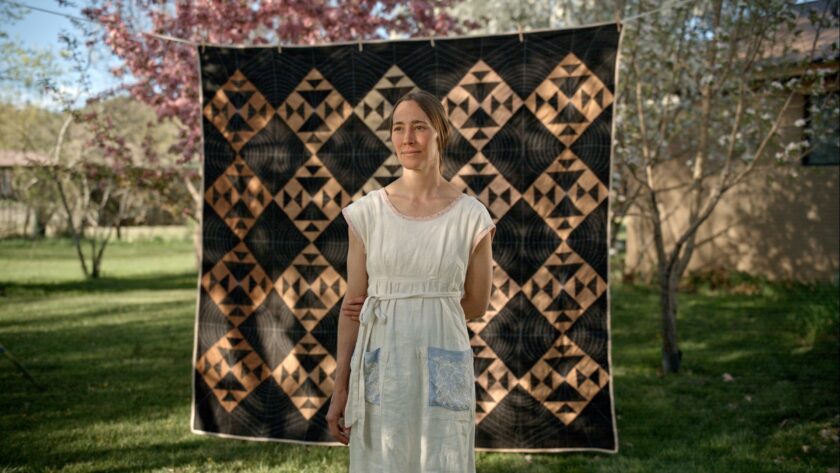
Carly Jakins, American Seams, Sara Quilt Portrait, 2024
Granary Arts is proud to present “Connected to the Land,” a remarkable new exhibition running from Oct. 9 through Jan. 17 at its gallery in Ephraim. This exhibition brings together the works of six talented women artists — Odette England, Ray Farmer, Carly Jakins, Jane Roberts DeGroff, Elizabeth Stone and Elpitha Tsoutsounakis — each exploring the profound connections between land, memory, and creative labor. Through diverse artistic practices, these women examine how their identities and cultural traditions are interwoven with the landscapes they inhabit and the materials they use.
The featured artists draw inspiration from their personal histories and rural roots, shedding light on the vital yet often overlooked role of women as creators and custodians of cultural traditions, particularly in rural settings. Whether through photography, film, textiles, or multimedia works, these pieces reflect the interconnectedness of creativity, labor, and survival, offering fresh insights into the complex relationship between women and the land.
A deeply personal journey through art
Each artist in “Connected to the Land” brings her own unique approach to storytelling, creating a dynamic dialogue about the power of land and memory.
Odette England’s stitched photographs convey an emotional and physical connection to land that has been disrupted by familial displacement. Her work, stitched by both her and her mother, weaves together fragments of memory and place, symbolizing the loss of home and the yearning to belong.
Ray Farmer’s ceramics and quilts reinterpret the stories passed down through families and institutions, particularly those linked to the mythologies of the American West. By focusing on their own early Mormon ancestry, Farmer presents these histories with a feminist and queer lens, challenging traditional narratives and reshaping our understanding of the past.
In Carly Jakins’ film, viewers are transported into the intertwined lives of rural women in the American West. These women’s survival and creativity are inextricably tied to their matriarchal responsibilities and the land they live on. Jakins’ film explores how rural women use creativity as a means of both survival and self-expression.
Elizabeth Stone’s oil-based chemigrams explore the scars left on both land and communities by extractive industries, such as mining and agriculture. Her work serves as a poignant reflection on the environmental damage caused by such practices, and how these marks are mirrored in the communities that depend on the land.
Textile artist Jane Roberts DeGroff draws upon the traditional crafts passed down through generations of women. Her use of Shibori, a Japanese dyeing technique, and plant-based dyes speaks to the harmonious relationship between fabric and the natural world. The slow, meditative process of stitching and dyeing is central to DeGroff’s work, which reflects a desire to restore balance and calm in a world that often feels rushed and chaotic.
Elpitha Tsoutsounakis brings together textiles, pigments, and narratives of women’s labor from Crete to rural Utah. Her multimedia works emphasize the universal resonance of women’s creative labor across time and space, linking past and present and highlighting the significance of craft and materiality in shaping cultural identity.
Together, these artists tell a powerful story of rural women and their deep-rooted connection to the land, exploring cultural, environmental, and personal themes that resonate with viewers.
Crossroads: Change in rural America
In conjunction with “Connected to the Land,” Granary Arts is also hosting “Crossroads: Change in Rural America,” a traveling Smithsonian exhibition at the Snow College Karen H. Huntsman Library from Oct. 19 to Dec. 15. This exhibition delves into the dramatic economic and social changes that have reshaped rural America over the last century. By examining how rural towns have responded to shifts in population, industry, and culture, “Crossroads” prompts viewers to consider the evolving role of small towns in shaping the nation’s future.
In the early 1900s, nearly 40% of Americans lived in rural areas. By 2010, that number had dropped to less than 18%. Despite these demographic changes, nearly 60 million Americans still live in rural areas, and their contributions to the country’s economy and cultural fabric remain critical.
“Crossroads” offers small towns an opportunity to reflect on their past and explore new possibilities for growth and development. Rural America has often been stereotyped as struggling with declining employment, inadequate schools, and barren landscapes, but the true story is much more complex. Many rural communities are embracing economic innovation and cultural preservation to create a new future for themselves, rooted in their unique heritage and identity.
This exhibition engages rural communities across the country in a discussion about their futures, highlighting the importance of revitalizing these areas for both current and future generations.
The cultural significance of ‘Connected to the Land’
By presenting “Connected to the Land” alongside “Crossroads: Change in Rural America,” Granary Arts provides an essential platform for discussions about rural identity, tradition, and creative labor. These exhibitions not only celebrate the voices and experiences of rural women but also offer valuable insight into the ongoing challenges and opportunities faced by rural communities.
As “Connected to the Land” artist Jane Roberts DeGroff reflects, “Fabric plays a significant part in the emotional, physical, and spiritual aspects of our lives.” This sentiment echoes the broader themes of the exhibition, where each piece becomes a testament to the enduring connection between people, land, and creativity.
“Connected to the Land” is a must-see exhibition for anyone interested in the intersection of art, culture, and community. For more information, visit Granary Arts at granaryarts.org or explore the Museum on Main Street initiative at museumonmainstreet.org.
Dates and location
- “Connected to the Land,” Granary Arts, Oct. 9 — Jan. 17.
- “Crossroads: Change in Rural America,” Snow College Karen H. Huntsman Library, Oct. 19 – Dec. 15.
Both exhibitions are free and open to the public.
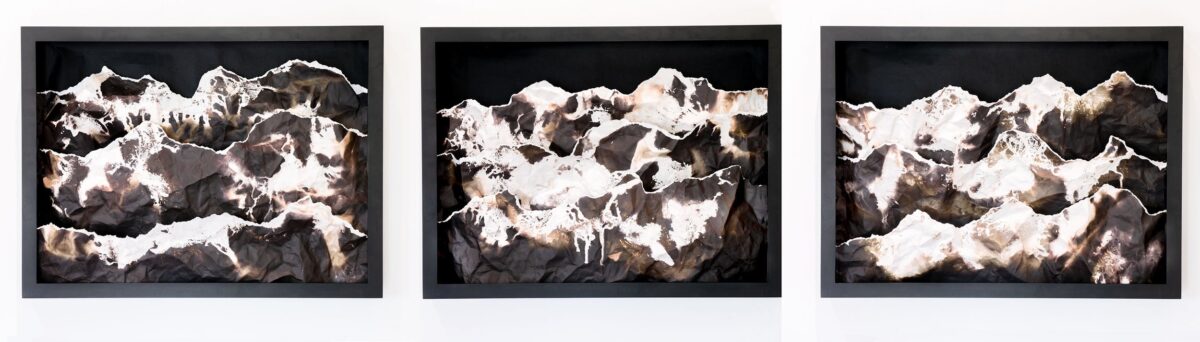
Elizabeth Stone, Oil and Land, 2024
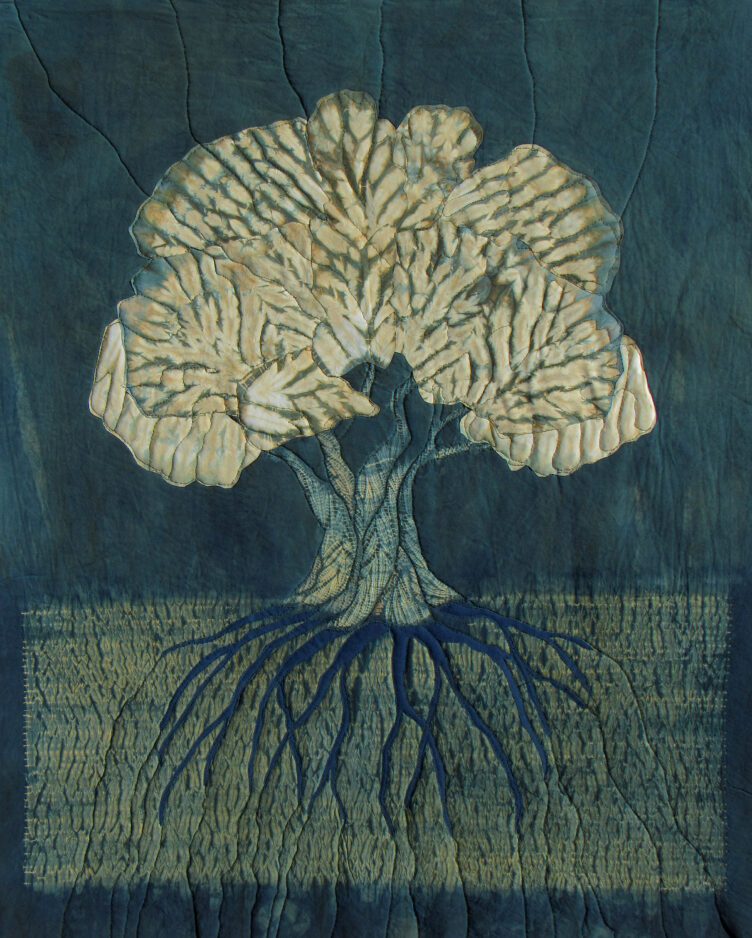
Jane Roberts DeGroff, Mother Tree, 2024
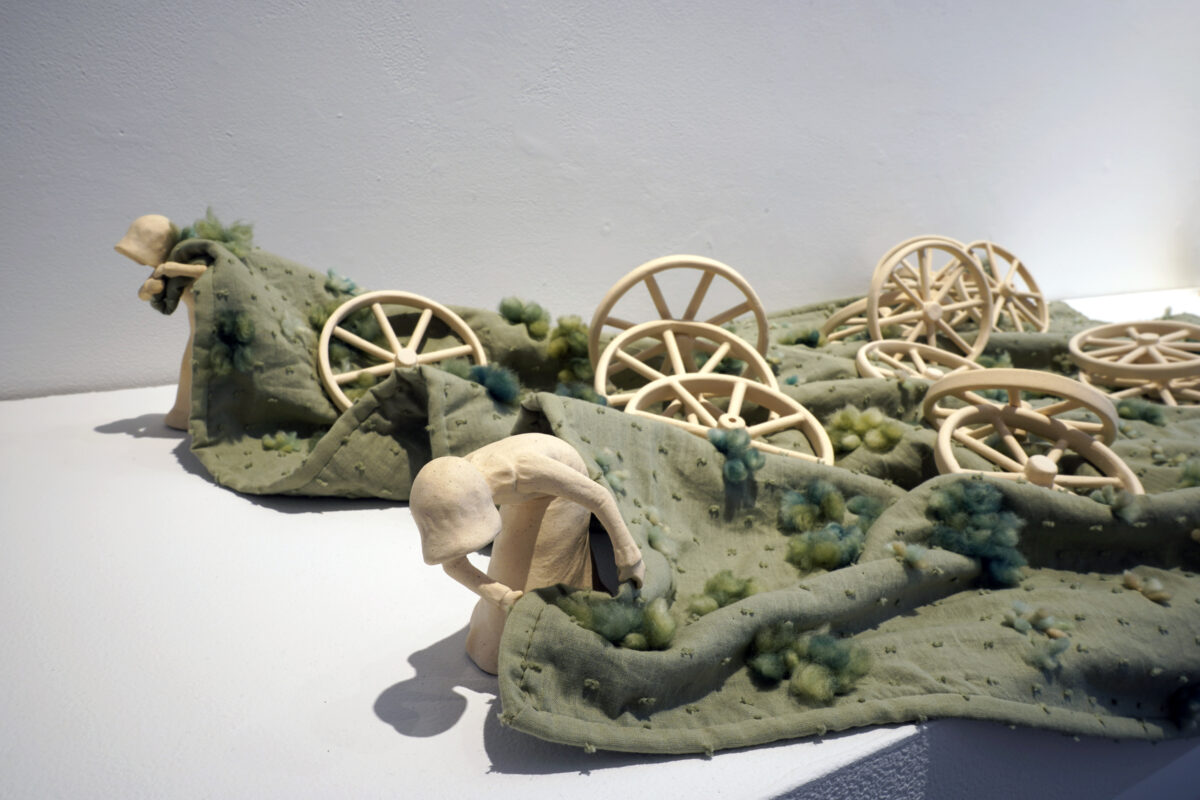
Ray Farmer, Lugging Around The Past, 2022
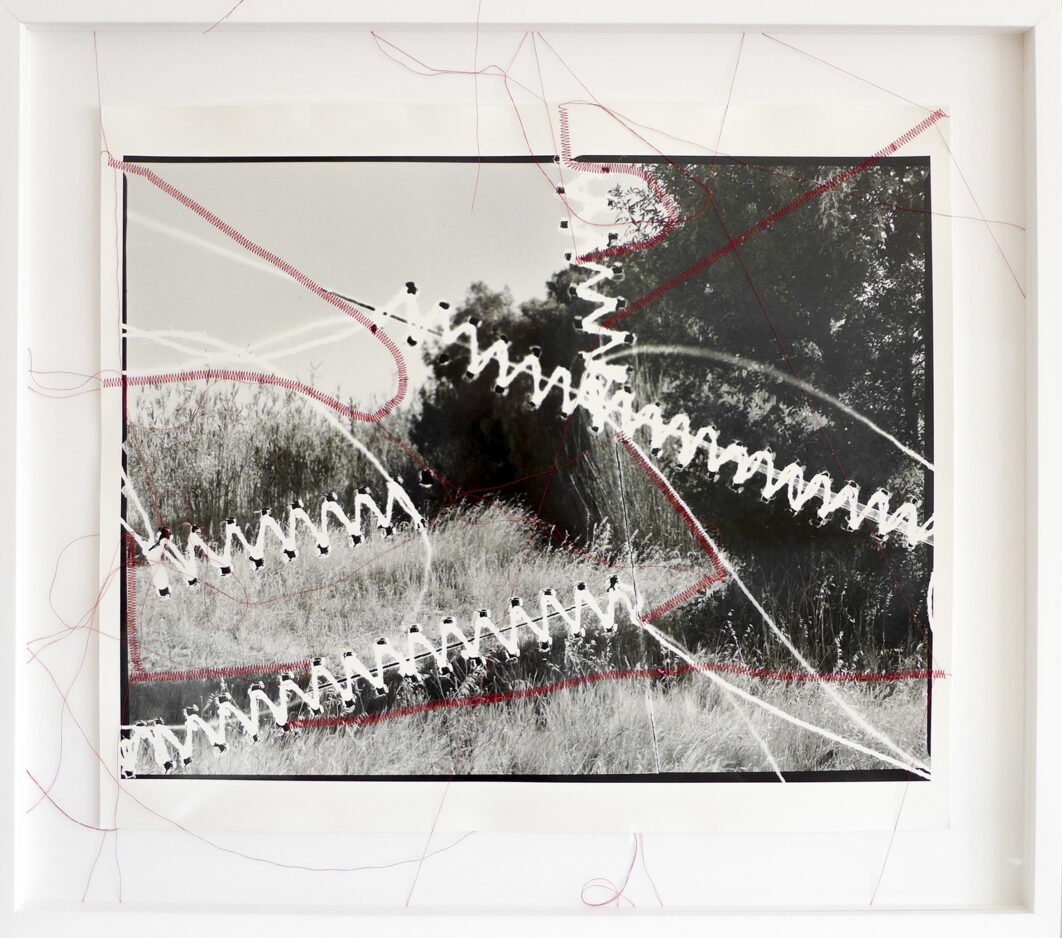
Odette England, In The Black, In The Red 01, 2021
News

Snow College Fine Arts Season brings full month of performances to Ephraim
Spring City Concert Series to conclude with showcase of young talent
SPRING CITY — The final performance of this year’s Spring City Concert Series is set for Friday at 7 p.m., ...