Free ethics course required for shed antler gathering in Utah Jan. 1–May 31
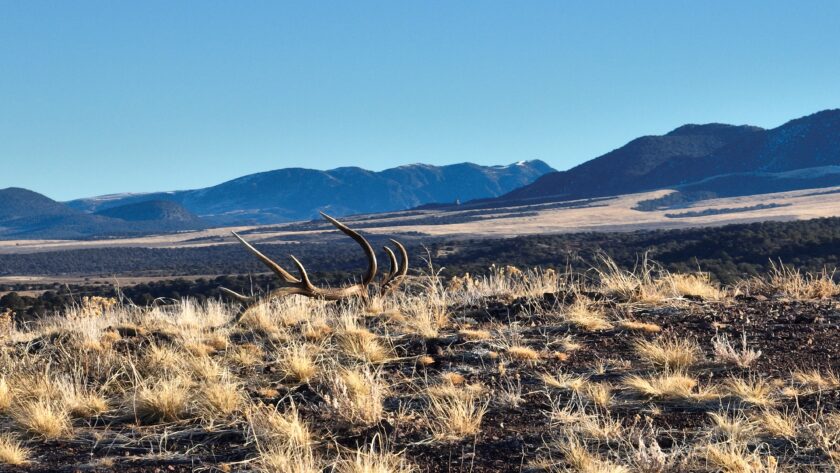
Want to gather shed antlers from Jan. 1 through May 31? Take the free, mandatory 2026 ethics course.
Utah wildlife officials are reminding outdoor enthusiasts that anyone planning to collect shed antlers between Jan. 1 and May 31 must first complete a free, mandatory ethics course offered by the Utah Division of Wildlife Resources.
Searching for shed antlers from deer, elk and moose is a popular springtime activity across the state, enjoyed by families and individuals alike. However, wildlife managers say the late winter and early spring months are also a critical time for big game animals, making education and responsible behavior essential.
The Antler Gathering Ethics course is required each year for anyone who wants to gather shed antlers during the January-through-May timeframe. Previously, the course was only required between Feb. 1 and April 15, but the Utah Wildlife Board approved expanded dates to better protect wildlife during the most vulnerable months.
During winter, deer, elk and moose often struggle to find enough food and rely heavily on fat reserves built up earlier in the year. According to DWR Once-In-A-Lifetime Species Coordinator Rusty Robinson, repeated disturbances from people can have serious consequences.
“If the animals receive constant pressure from people and repeatedly have to run or move, they can use up the fat reserves and energy they need to make it through the winter,” Robinson said. “Being disturbed briefly once or twice isn’t too significant, but we have over 20,000 people who routinely shed hunt in Utah each year, so ongoing, repeated disturbances can be detrimental to deer.”
In addition to stressing animals, late winter and early spring conditions often leave habitats wet and easily damaged. The ethics course teaches participants how to minimize impacts to wildlife and avoid harming sensitive habitat while enjoying the activity.
The course is free and available on the DWR website. Those who complete it must carry proof of completion while shed hunting. This can be done by storing the digital certificate in the DWR Hunting and Fishing app or by printing the certificate and carrying a paper copy in the field. Conservation officers may cite individuals who are shed hunting during the required dates without proof of course completion or who are found harassing wildlife.
Even with a completed course, some areas remain off-limits for antler collection. Many wildlife management areas are closed during winter and spring to protect animals and habitat, and visitors are encouraged to check for seasonal closures before heading out. Permission is required to collect antlers on private property, and gathering antlers is prohibited on Native American lands, national parks and many national monuments.
Recent rule changes also clarified regulations around commercial antler sales. Legally obtained shed antlers and horns may now be bought or sold at any time, but individuals or businesses that purchase antlers for resale must have a certificate of registration as a commercial antler buyer. This requirement does not apply to recreational shed hunters who sell their finds to an antler buyer.
Wildlife officials also remind the public to report any skulls found with antlers or horns still attached, commonly known as “deadheads,” as these animals may have been illegally killed. People should not disturb the scene and instead report the find using the Utah Deadhead Reporter app. The app allows users to submit reports, even without cell service, by including their DWR customer ID, GPS location, photos and other details.
In some cases, officers may allow the reporting individual to keep the antlers if the animal is determined to have died from natural causes.
More information about shed antler collection rules and the required ethics course is available on the Utah Division of Wildlife Resources website.