Warm, dry start to winter leaves Utah snowpack below normal
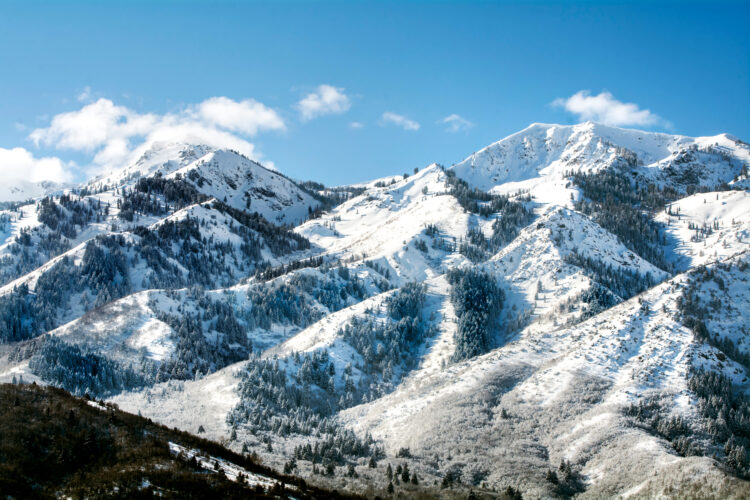
A warm and dry December and November have left the state with below-normal snow totals
SALT LAKE CITY — A warmer-than-average fall and early winter have left Utah with below-normal snowpack, raising concerns about the state’s water outlook as winter progresses.
According to a Utah Water Conditions Update released Dec. 18, dry conditions in November and December have limited snow accumulation statewide. While officials say the situation bears watching, they note that a few strong winter storm cycles could still bring snow totals closer to normal before peak snowpack season in early April.
The most concerning conditions are in northern Utah, where snow totals have lagged behind average. Southern Utah basins fared better early in the season thanks to early snowfall. However, the state experienced unusual warmth following a wet October.
Salt Lake City recorded a record-setting October for precipitation, followed by another record in November — this time for the highest average temperature ever recorded for the month. Midway through December, Salt Lake City’s average temperature stood at 42.2 degrees, about 8.6 degrees above normal.
“Utah’s water supply has been driven by extremes and has only experienced four ‘normal’ snow years in the past 30 years,” said Candice Hasenyager, director of the Utah Division of Water Resources. “The one thing we can control is how we use our water and what impactful decisions we make to be good water stewards.”
Despite the lack of snow, there is some positive news. Soil moisture levels across the state are currently above normal. Well-saturated soils allow spring snowmelt to flow more efficiently into streams and reservoirs, rather than being absorbed by dry ground.
Drought conditions, however, remain widespread. Currently, 93 percent of Utah is experiencing some level of drought, a sharp increase from 19 percent at the same time last year.
Snowpack plays a critical role in Utah’s water supply, accounting for approximately 95 percent of the state’s annual water resources. Reservoirs help capture and store that runoff for use during the dry summer months and in future drought years.
To help address ongoing water challenges, the Utah Department of Natural Resources continues to promote water conservation programs statewide. These include the Agricultural Water Optimization Program, which assists farmers in improving irrigation efficiency, and SlowtheFlow.org, a public education initiative that offers practical tips and incentives for residential water conservation.
State water officials encourage Utahns to take advantage of available resources and adopt water-saving practices now, helping ensure greater resilience as climate variability continues to affect water conditions across the state.