Mt. Pleasant City meets to examine water conservation
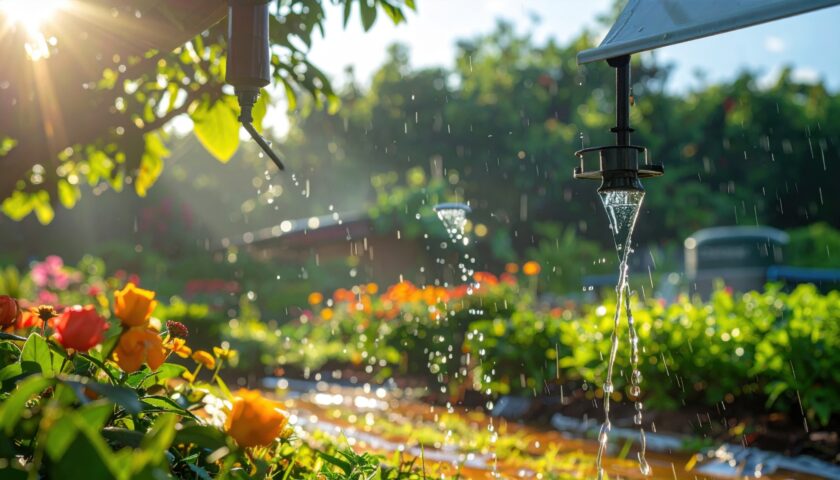
With snowpack levels far below normal across Utah, local leaders in Mt. Pleasant are sounding the alarm and calling on residents to take immediate steps to conserve water ahead of what could be a challenging irrigation season.
The entire state of Utah is being encouraged to make water conservation efforts. A dry winter, with snowpack well below half of our normal snow levels has resulted in less available water for the upcoming season when water usage peaks.
In a public meeting on April 8 at Mt. Pleasant City Hall, Mayor Mike Olsen partnered with local water masters and the public works director to vocalize concerns about Mt. Pleasant’s water situation.
Mt. Pleasant is one of the dryest areas in Utah because there is restricted water storage. The Cox Decree of 1936 is a legal ruling that settled water disputes and prioritized water rights in Utah. The decree created a framework for distributing water, including storage rites. It continues as the governing document for the entire Severe Basin. As a result, Mt. Pleasant is still unable to store water for more than 48 hours at a time, sometimes causing our water storage to be depleted. Currently Mt. Pleasant City uses both culinary water and a secondary irrigation system maintained by the Public Works Department.
This year, due to a historically low snowpack, irrigation water will already be on a two-day-a-week usage schedule when it is opened on April 15. Residents are being encouraged to conserve water usage as much as possible by showering less, flushing less and not using culinary water for lawns and gardens. We can survive this crisis by working together and understanding how water usage affects us.
- An open garden hose puts out 12 gallons of water a minute.
- Letting your lawn go dormant will not kill it. A half inch of water a week will keep it from dying. It will come back when it is watered regularly.
- Our water comes from multiple sources, including Twin Creek with slower snow melt, Pleasant Creek which provides the majority of Mt. Pleasant City’s water and private wells. Farms on the west side of town have their own well water.
- Private water shares owners need to keep track of their water usage.
- Large farms water on alternate days of city watering.
- Your neighbor may be on a different water system than you. If you suspect water abuse, be neighborly and ask them about their water source before reporting them.
- Overflowing stock water tanks and wheel lines or sprinklers that water the road are wasting precious water. Monitoring this water use is essential.
- Mt. Pleasant City does not own its water; the irrigation company owns it. Water shares are sold to water users. You may own water shares but not owning them does not exclude your access to water. Mt. Pleasant City owns a little under half of Pleasant Creek’s water shares and 12% of Twin Creek’s water shares. This is the water available to you as a city resident and to Mt. Pleasant City’s municipal properties. This is called culinary water.
- Drying up some public areas is being considered to save water, but efforts to maintain school sports fields and City Park grassy areas will be made. The Aquatic Center’s splash pad, which uses recirculated water, may be able to open if grant money becomes available.
- Xeriscaping encourages us to conserve water. North Sanpete High School is hoping to xeriscape much of its outdoor green space.
- Watering hours are 6 to 10 a.m. OR 6 to 10 p.m., but not both.
- For inquiries regarding Mt. Pleasant irrigation contact Colter Allen at (435) 201-9184. For other city water or power inquiries contact City Utilities at (435) 462-2456.
- We are all in this together. Be thoughtful, be proactive and be a good neighbor.
News
Gunnison Valley Hospital expands governing board to include more community representation
GUNNISON — Gunnison Valley Hospital is expanding its Governing Board to give more communities in the hospital's ...
Manti-La Sal National Forest lifts Stage 1 fire restrictions
Manti-La Sal National Forest lifts Stage 1 fire restrictions PRICE — Visitors to the Manti-La Sal ...