
Utah’s snowpack shortfall raises drought concerns statewide
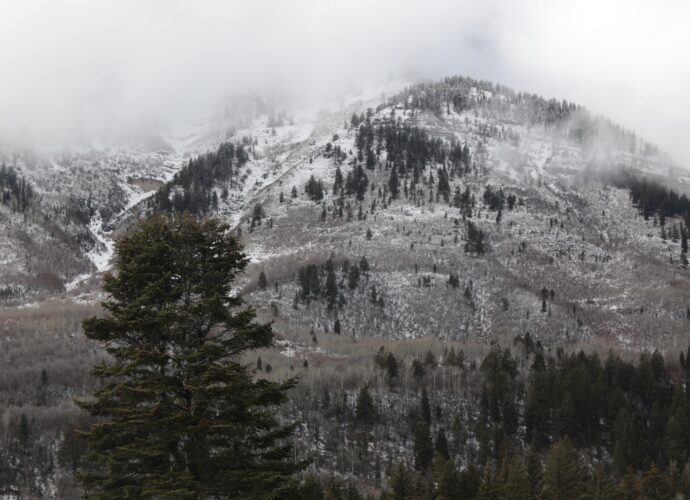
Jacob Nielson, Daily Herald
The Wasatch Mountains are pictured Friday, Jan. 2, 2025, in Sundance.Utah’s winter snow season continues to lag behind expectations, raising renewed concerns about water supplies as the state heads toward another potentially dry year.
According to state water officials, roughly 95% of Utah’s water supply comes from snowpack, making a weak winter snowfall a serious issue for refilling reservoirs and sustaining water needs through the summer and beyond. The concern is heightened by the fact that 2025 was the warmest year on record in Utah, as reported by the National Weather Service.
While Northern Utah is faring slightly better than other regions, snowpack levels statewide remain below normal. Currently, 94% of Utah is experiencing some level of drought, a dramatic increase from just one year ago when only 20% of the state was classified as being in drought conditions.
“As the old saying goes, ‘In Utah, we are either in drought or preparing for the next one,'” said Joel Williams, interim director of the Utah Division of Water Resources. “We can all see that our water situation is not looking great. For those looking to prepare, water conservation tips and tricks can be found at SlowtheFlow.org.”
Despite the disappointing snow totals, there is some encouraging news. Reservoir levels across the state are currently above normal for this time of year. Larger reservoirs such as Strawberry, Jordanelle and Deer Creek have the capacity to store multiple years’ worth of water, providing a buffer against dry conditions. However, many smaller reservoirs hold only about a year’s supply, making them more vulnerable if snowpack levels do not improve.
The Natural Resources Conservation Service noted in its Jan. 1 Water Supply Outlook Report that this winter’s unusual snowpack patterns have made it difficult to accurately model spring snowmelt runoff. This uncertainty complicates water planning efforts for irrigation districts, municipalities, and water managers statewide.
Reservoir storage plays a critical role in helping Utah weather dry summers and prolonged drought cycles. To encourage conservation and long-term resilience, the Utah Department of Natural Resources continues to promote several water-saving initiatives. These include the Agricultural Water Optimization Program, which helps farmers modernize irrigation systems, and the Slow the Flow program aimed at educating residents about practical water conservation strategies.
State officials emphasize that even small changes can make a difference. The Slow the Flow website offers numerous indoor and outdoor water-saving tips designed to help households reduce usage and prepare for ongoing dry conditions.
With climate trends pointing toward warmer and more variable weather, water managers say conservation will remain a key part of Utah’s future. As the snow season continues, officials encourage residents to stay informed, use water wisely, and take advantage of available resources to help protect the state’s most vital natural resource.
News
Utah’s snowpack shortfall raises drought concerns statewide

Sanpete County Chamber gives out Best of Sanpete awards
Acres Development plans new retail project at Ephraim Crossing
EPHRAIM — A new neighborhood retail development is coming to Ephraim Crossing as Acres Development moves forward ...