DWR urges caution around moose during summer recreation season
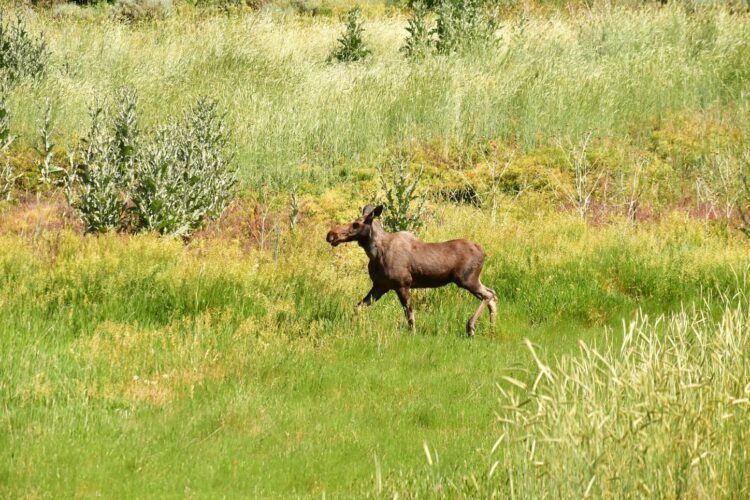
A moose stands in a mountain meadow. Wildlife officials are reminding Utah residents and visitors to give moose plenty of space this summer, especially when hiking with dogs.
As warmer weather draws hikers, campers and mountain bikers into Utah’s mountains, wildlife officials are reminding outdoor enthusiasts to give moose plenty of space and take precautions to avoid potentially dangerous encounters.
The Utah Division of Wildlife Resources says Utah is home to between 2,500 and 3,000 moose, many of which inhabit forested areas along the Wasatch Front and throughout northern and northeastern Utah. Moose are also occasionally spotted in parts of central Utah, including areas near the Manti-La Sal Mountains and foothill communities.
While moose are not predators, wildlife experts warn that they can be surprisingly aggressive when they feel threatened.
“In my years of working with wildlife, I have dealt with bears, rattlesnakes, cougars and moose, and the only species that I’ve had turn and come back at me was a moose,” said Rusty Robinson, DWR once-in-a-lifetime species coordinator. “Because they are not predators, people often underestimate how aggressive moose can be.”
Adult moose are the largest members of the deer family and can weigh between 600 and 1,000 pounds. Bulls can stand as tall as 6 feet at the shoulder. Their size alone can make encounters dangerous, and in some parts of North America, more people are injured by moose each year than by bears.
Wildlife officials say drought conditions this year could increase the likelihood of moose moving into lower elevations in search of food and water, bringing them closer to trails, neighborhoods and recreation areas.
Moose can become aggressive any time they feel cornered or threatened. Female moose, known as cows, are particularly protective of their calves during late spring and early summer. Bull moose become more territorial during the fall breeding season.
One of the most common causes of conflicts involves dogs.
Because moose view dogs as natural predators, they can react aggressively when dogs approach. A moose may charge, kick or stomp in an effort to defend itself, potentially injuring both the dog and its owner.
DWR officials strongly recommend keeping dogs leashed at all times when hiking in areas where moose are present. Utah law also prohibits allowing dogs to chase or harass protected wildlife species, including moose.
People should also watch for warning signs that a moose may be agitated. These signs include lowering its head, raising the hair on its neck, licking its snout and pinning its ears back.
If you encounter a moose, wildlife officials recommend staying calm and giving the animal plenty of space. Never attempt to approach or feed a moose. Instead, slowly back away while talking calmly and making your presence known.
If a moose charges, seek protection behind a large object such as a tree, or move into a vehicle or building if possible. If knocked to the ground, curl into a ball, protect your head and remain still until the animal leaves the area.
“Like with most wildlife, if you give moose plenty of space and don’t try to get too close, it will help keep you and them safe,” Robinson said. “If you normally hike with your dog, we strongly recommend keeping them leashed when you are in mountain areas with moose.”
Residents should report moose that wander into city limits or heavily populated areas. DWR biologists routinely relocate moose found in urban settings, where fences, roads and traffic can pose dangers to both the animals and the public.
Officials caution residents not to approach moose or attempt to drive them out of yards or neighborhoods. Instead, contact wildlife authorities and allow trained personnel to handle the situation.
With summer recreation season underway, DWR encourages Utahns to enjoy the state’s mountain landscapes while respecting wildlife and maintaining a safe distance from all animals encountered outdoors.