
Stresses and successes: Living well in an autistic world

Ailee O'Connor, 14, has her hair brushed by her mother Jeanne at their Saratoga Springs home on Wednesday, March 9, 2016. Ailee is low functioning on the autism spectrum and was only diagnosed with autism about five years ago.
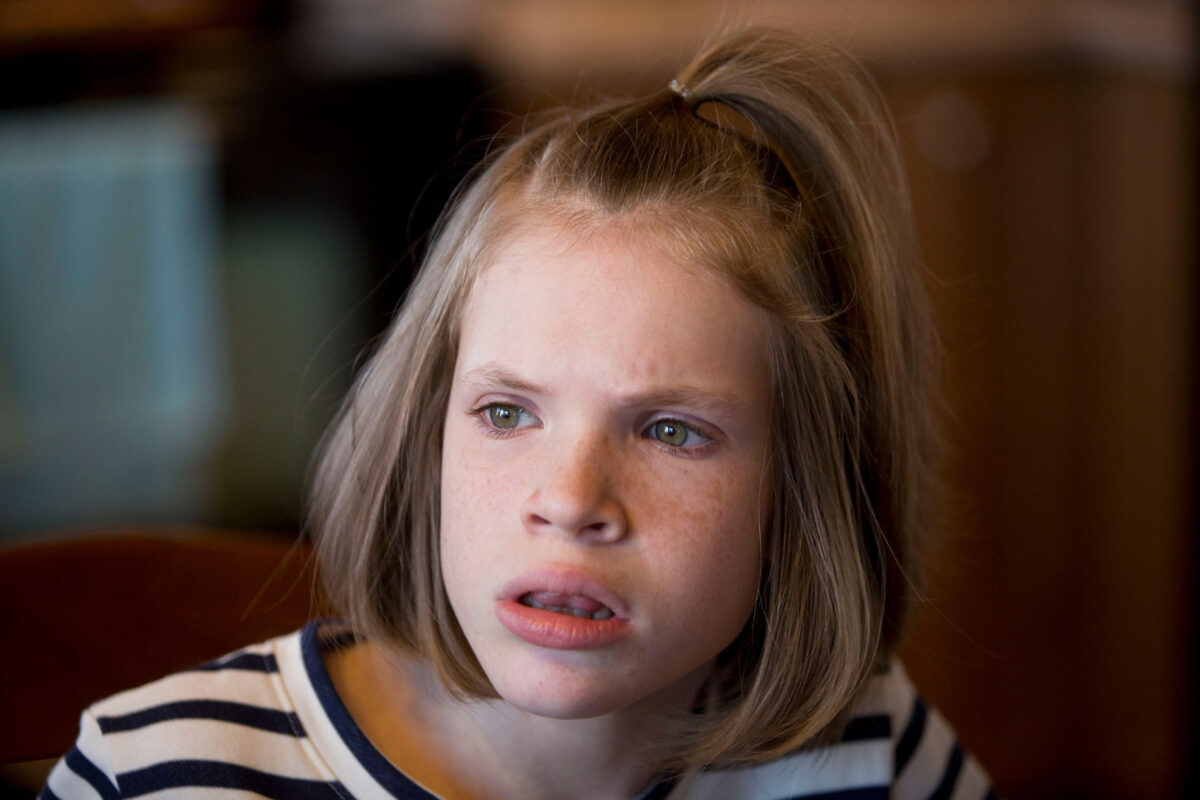
Ailee O'Connor, 14, looks out the window during dinnertime at her home in Saratoga Springs home on Monday, March 7, 2016. Ailee is low functioning on the autism spectrum and was only diagnosed with autism about five years ago.
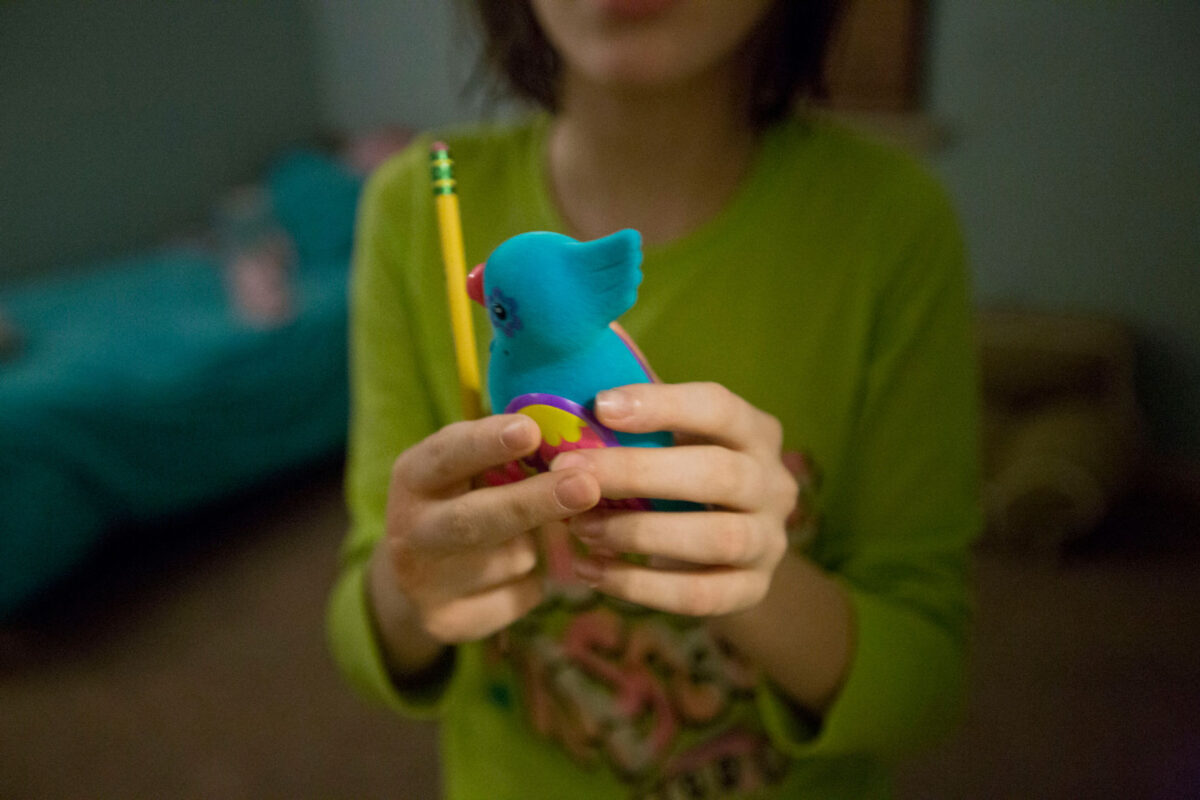
Ailee O'Connor, 14, holds her toy bird before bedtime at her home in Saratoga Springs on Wednesday, March 9, 2016. She often uses specific toys as coping mechanisms to transition between activities without causing an overload of stress. Ailee is low functioning on the autism spectrum and was only diagnosed with autism about five years ago.

Ailee playing in a sensory bucket full of beans as a toddler.
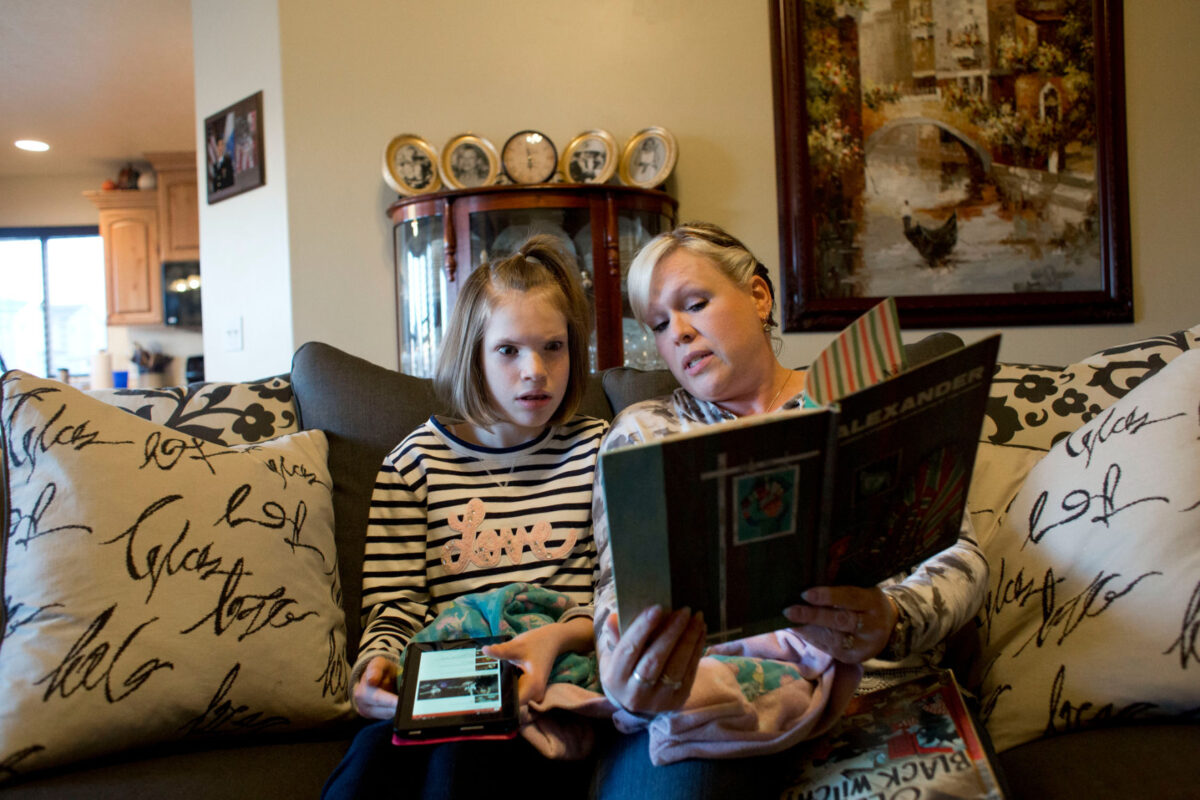
Jeanne O'Connor reads a book to her 14-year-old daughter Ailee after dinnertime in their Saratoga Springs home on Monday, March 7, 2016. Ailee is low functioning on the autism spectrum and was only diagnosed with autism about five years ago.

Ailee O'Connor, 14, laughs with her mother Jeanne during dinnertime at her home in Saratoga Springs home on Monday, March 7, 2016. Ailee is low functioning on the autism spectrum and was only diagnosed with autism about five years ago.
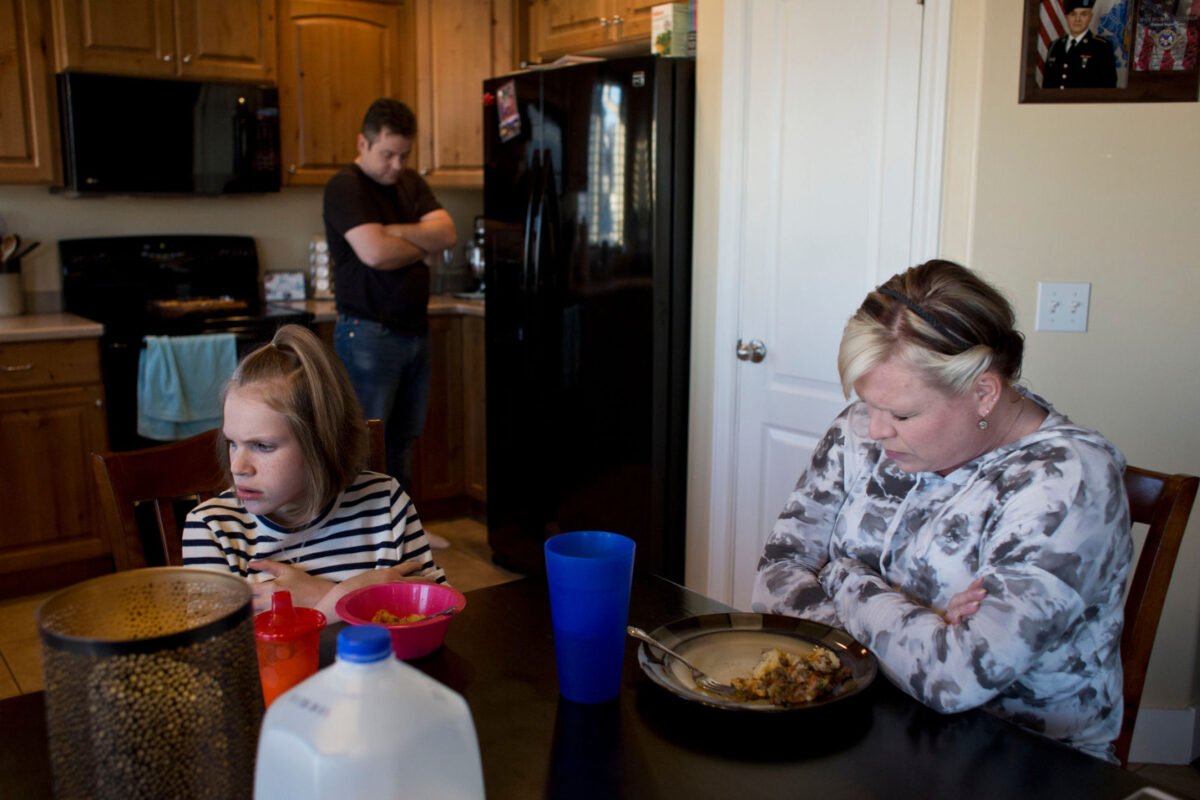
Ailee O'Connor, 14, prays with her mother Jeanne before dinner at their Saratoga Springs home on Monday, March 7, 2016. Ailee is low functioning on the autism spectrum and was only diagnosed with autism about five years ago.
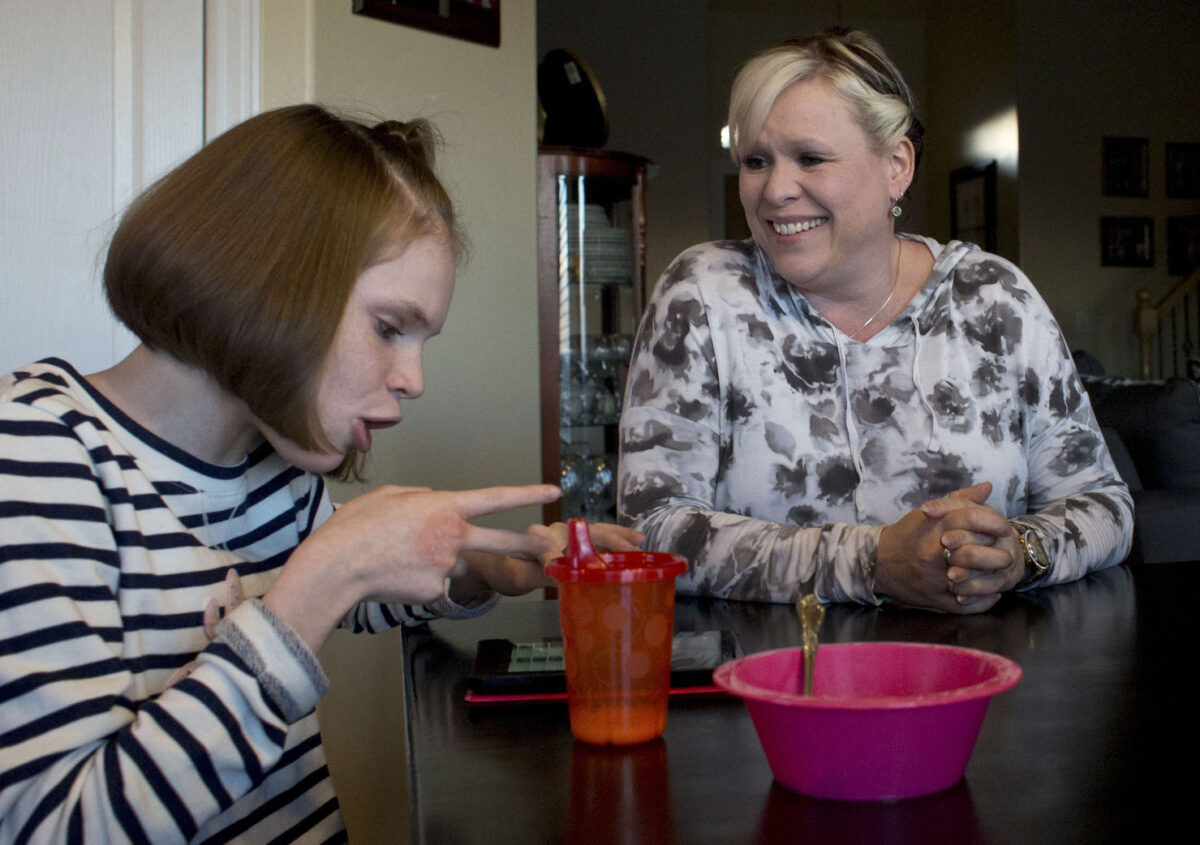
Ailee O'Connor, 14, laughs with her mother Jeanne during dinnertime at her home in Saratoga Springs home on Monday, March 7, 2016. Ailee is low functioning on the autism spectrum and was only diagnosed with autism about five years ago.
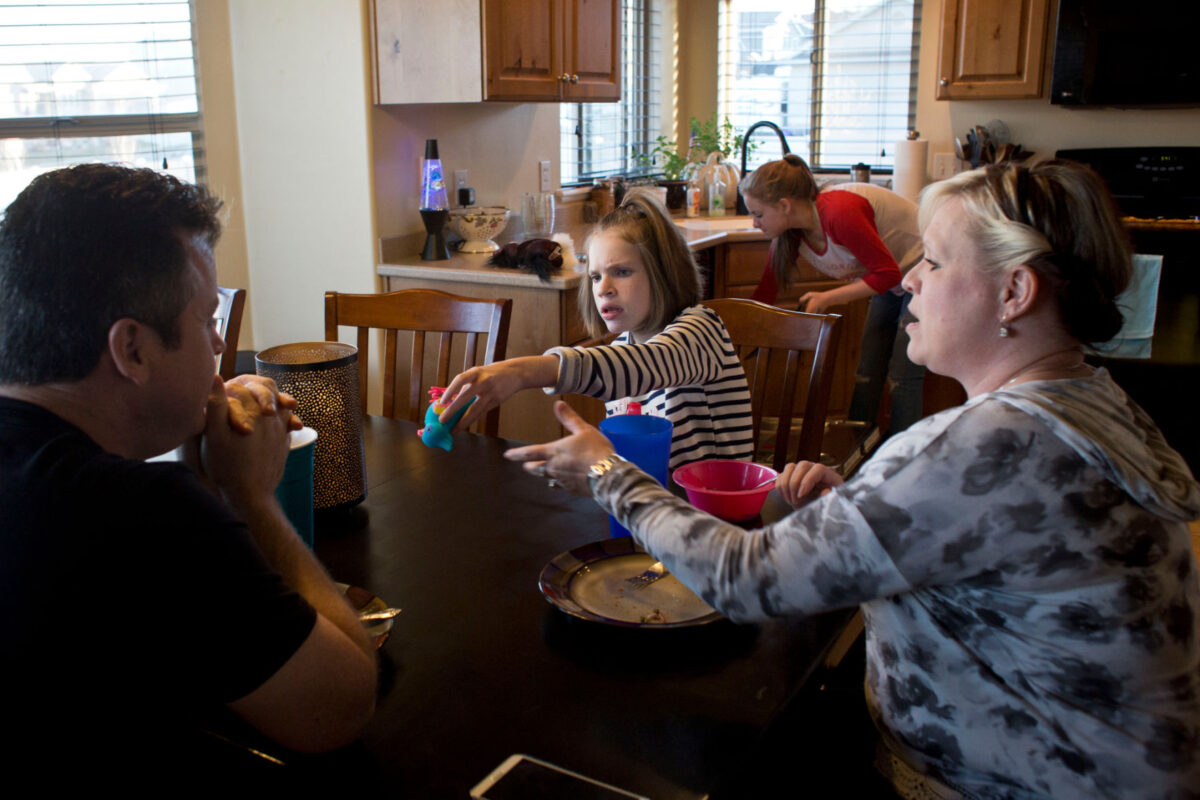
Ailee O'Connor, 14, eats dinner with her family at their Saratoga Springs home on Monday, March 7, 2016. Ailee is low functioning on the autism spectrum and was only diagnosed with autism about five years ago. SAMMY JO HESTER, Daily Herald
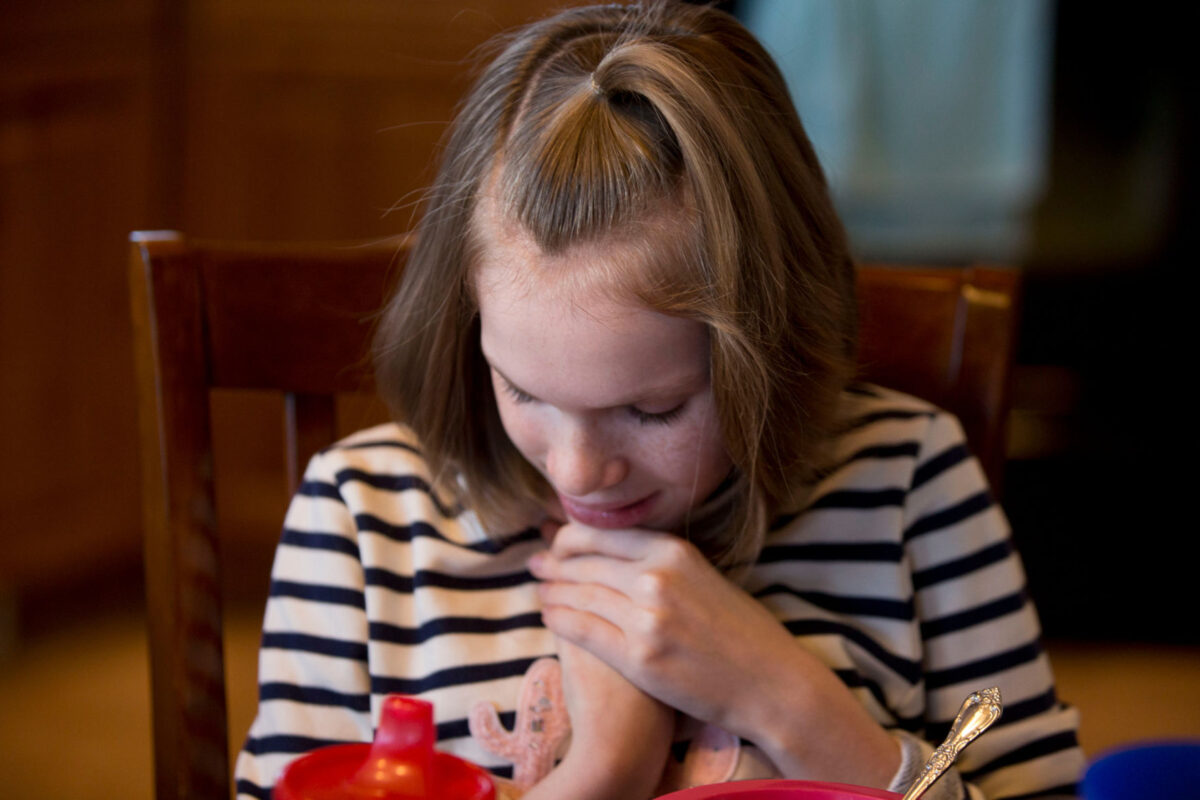
Ailee O'Connor, 14, hugs her arms toward her chest during dinnertime at her home in Saratoga Springs home on Monday, March 7, 2016. Ailee is low functioning on the autism spectrum and was only diagnosed with autism about five years ago. SAMMY JO HESTER, Daily Herald

Photos depict the children of the O'Connor home in Saratoga Springs home on Monday, March 7, 2016. Ailee is low functioning on the autism spectrum and was only diagnosed with autism about five years ago. SAMMY JO HESTER, Daily Herald
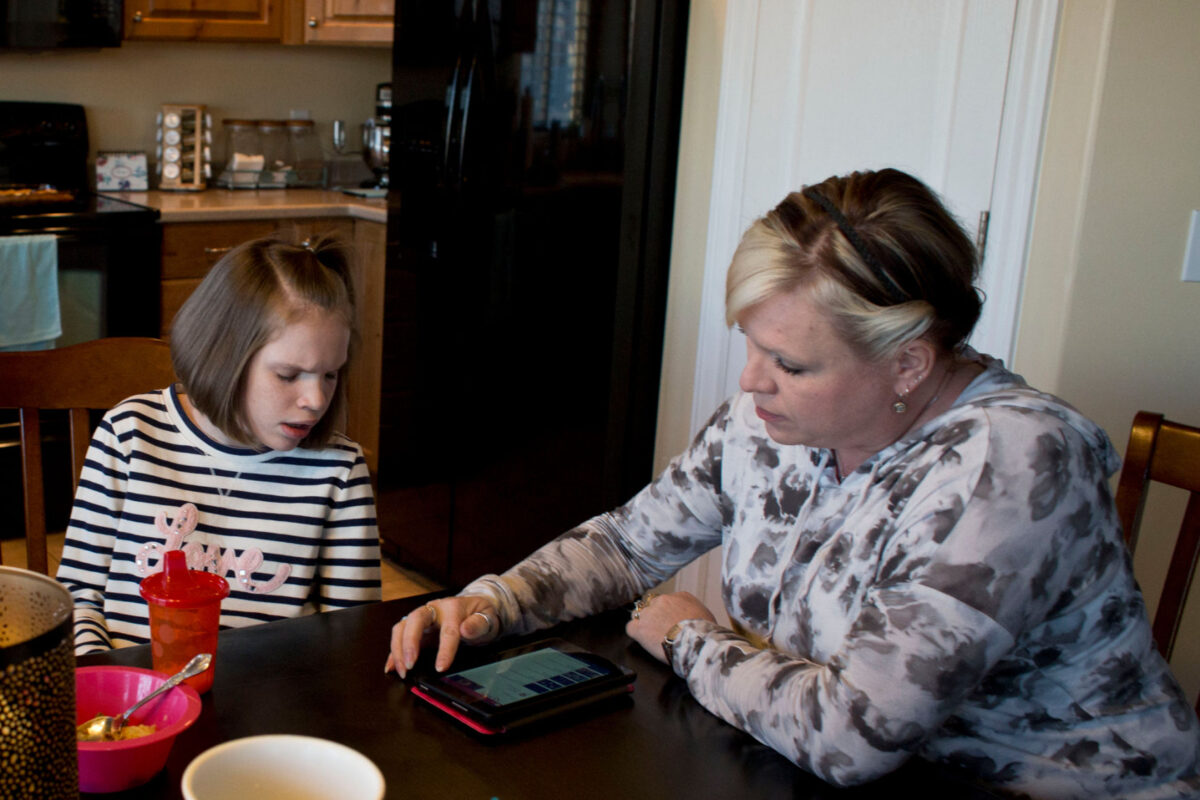
Ailee O'Connor, 14, looks for music on the family iPad with her mother Jeanneat their Saratoga Springs home on Monday, March 7, 2016. Ailee is low functioning on the autism spectrum and was only diagnosed with autism about five years ago. She loves listening to rock music on the iPad. SAMMY JO HESTER, Daily Herald
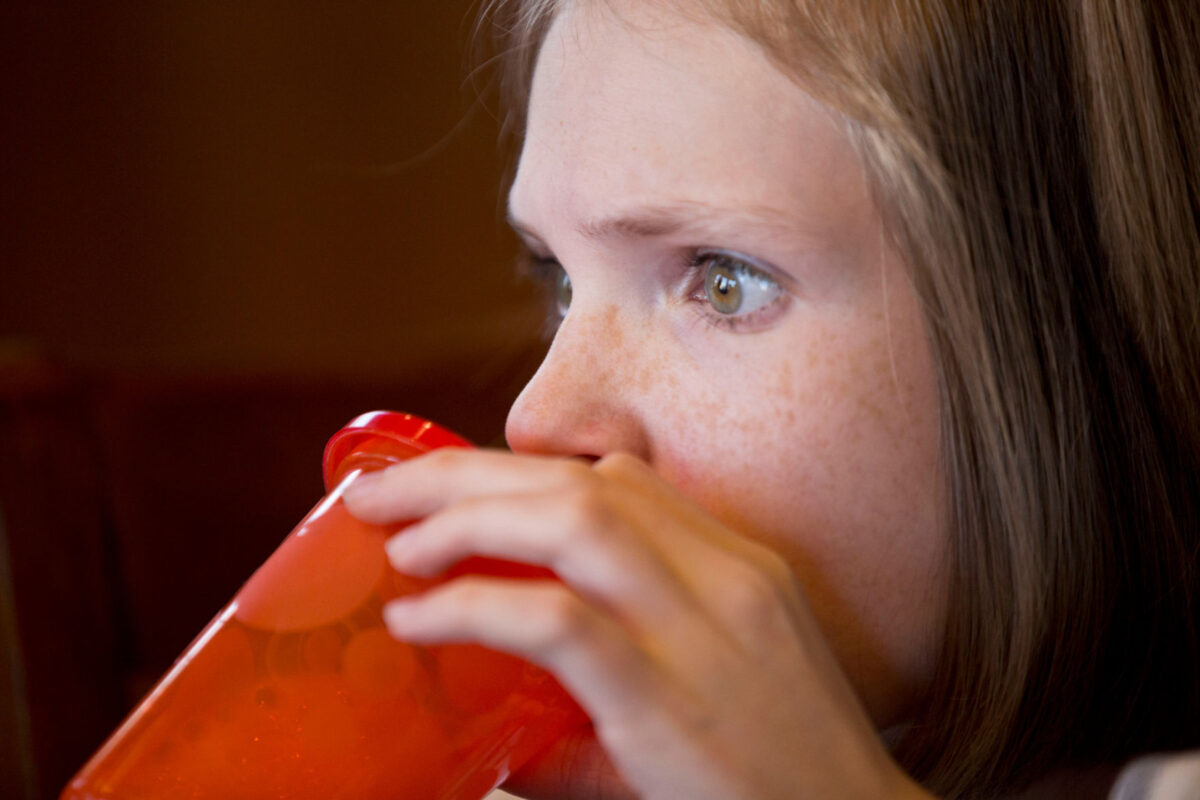
Ailee O'Connor, 14, drinks milk from a sippy-cup during dinnertime at her home in Saratoga Springs home on Monday, March 7, 2016. Ailee is low functioning on the autism spectrum and was only diagnosed with autism about five years ago. SAMMY JO HESTER, Daily Herald
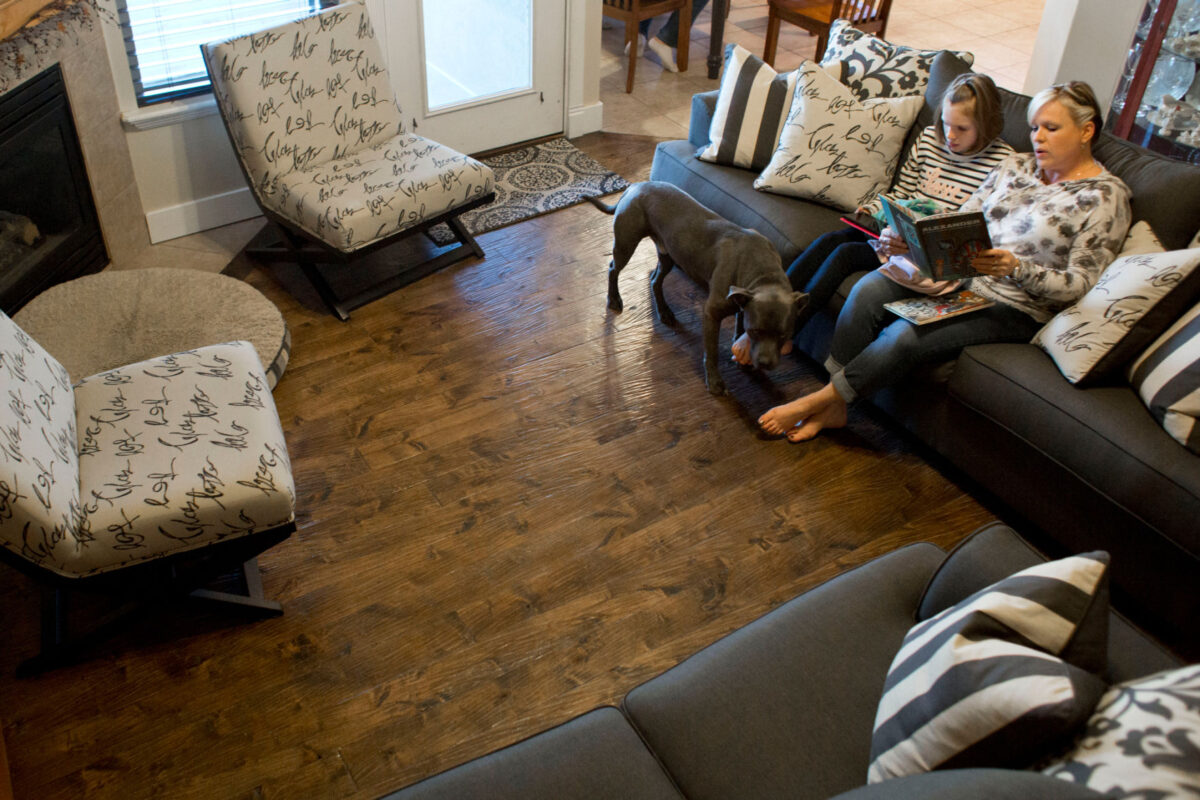
Jeanne O'Connor reads a book to her 14-year-old daughter Ailee after dinnertime in their Saratoga Springs home on Monday, March 7, 2016. Ailee is low functioning on the autism spectrum and was only diagnosed with autism about five years ago. SAMMY JO HESTER, Daily Herald

Jeanne O'Connor reads a book to her 14-year-old daughter Ailee after dinnertime in their Saratoga Springs home on Monday, March 7, 2016. Ailee is low functioning on the autism spectrum and was only diagnosed with autism about five years ago. SAMMY JO HESTER, Daily Herald

Ailee O'Connor, 14, has her hair teeth by her mother Jeanne at their Saratoga Springs home on Wednesday, March 9, 2016. Ailee is low functioning on the autism spectrum and was only diagnosed with autism about five years ago. SAMMY JO HESTER, Daily Herald

A special toothbrush sits on the dresser of Ailee O'Connor, 14, before her bedtime on Wednesday, March 9, 2016. Ailee is low functioning on the autism spectrum and was only diagnosed with autism about five years ago. SAMMY JO HESTER, Daily Herald
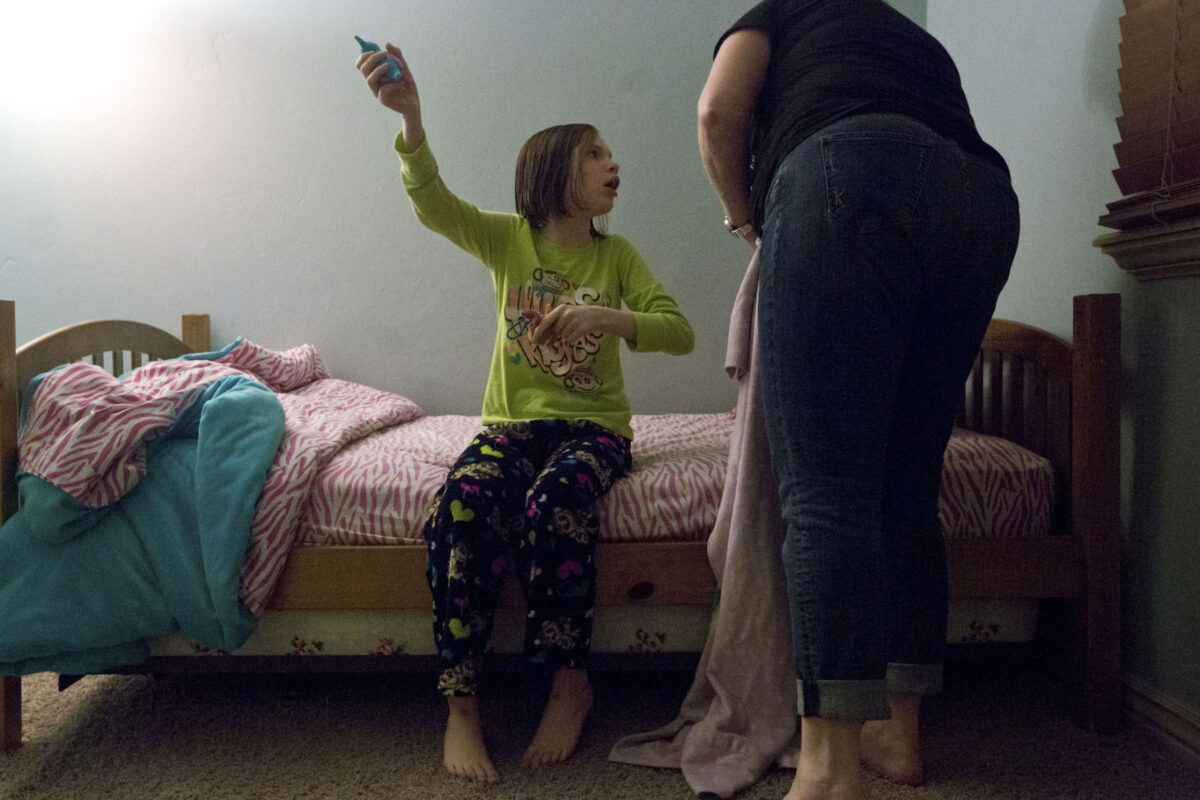
Ailee O'Connor, 14, is tucked into bed by her mother Jeanne at their Saratoga Springs home on Wednesday, March 9, 2016. Ailee is low functioning on the autism spectrum and was only diagnosed with autism about five years ago. SAMMY JO HESTER, Daily Herald
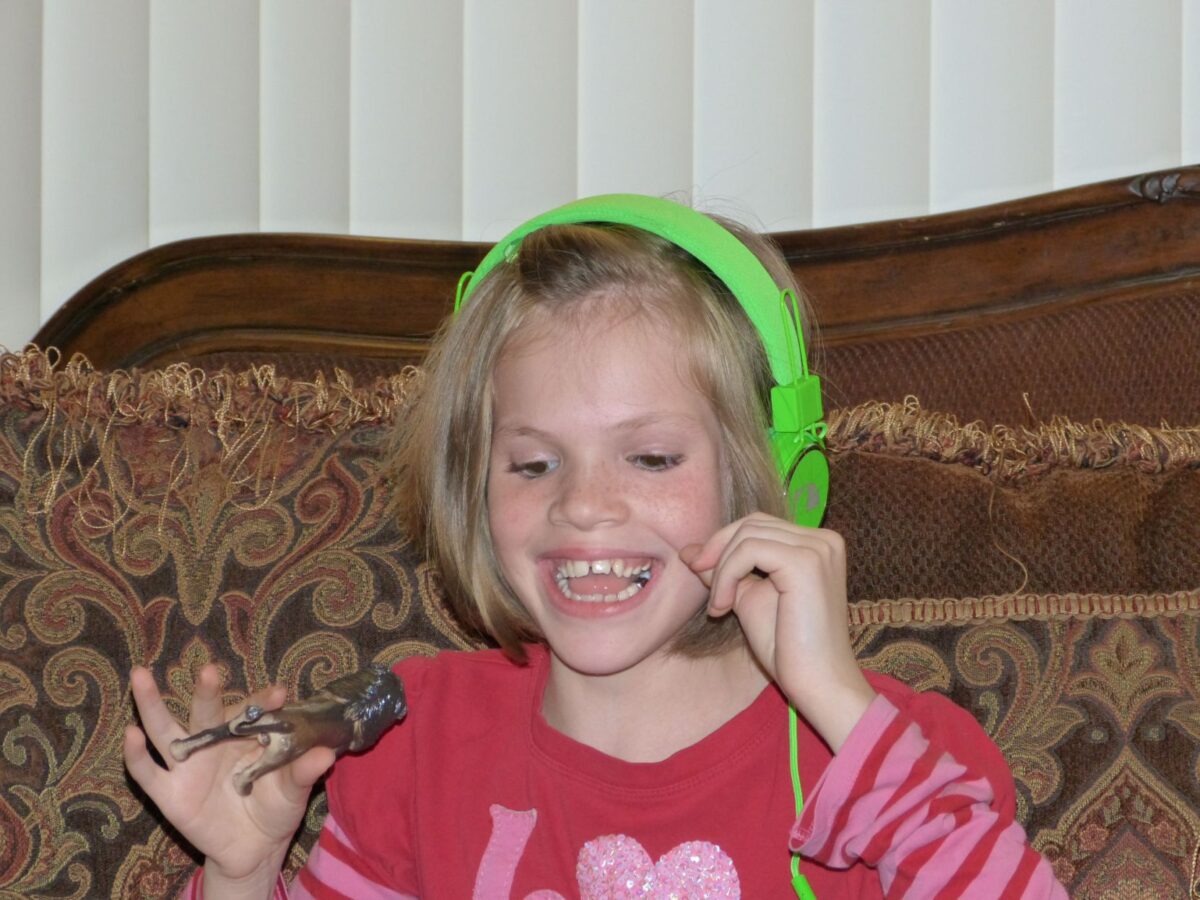
Ailee loves rock music.

Ailee at three years old. She's always loved crunchy snacks.

Ailee O'Connor as a baby.

Ailee at four months old.

Ailee O'Connor loves animals.
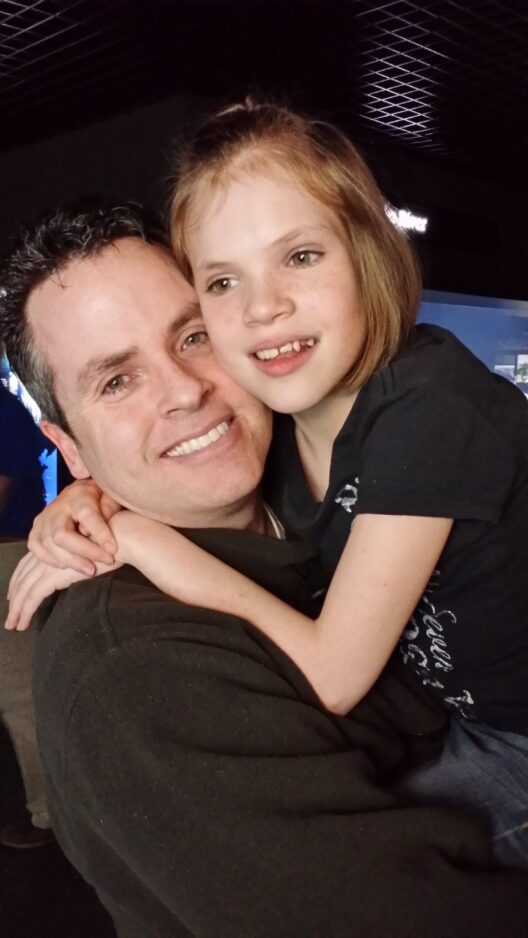
Ailee with her dad Michael O'Connor.
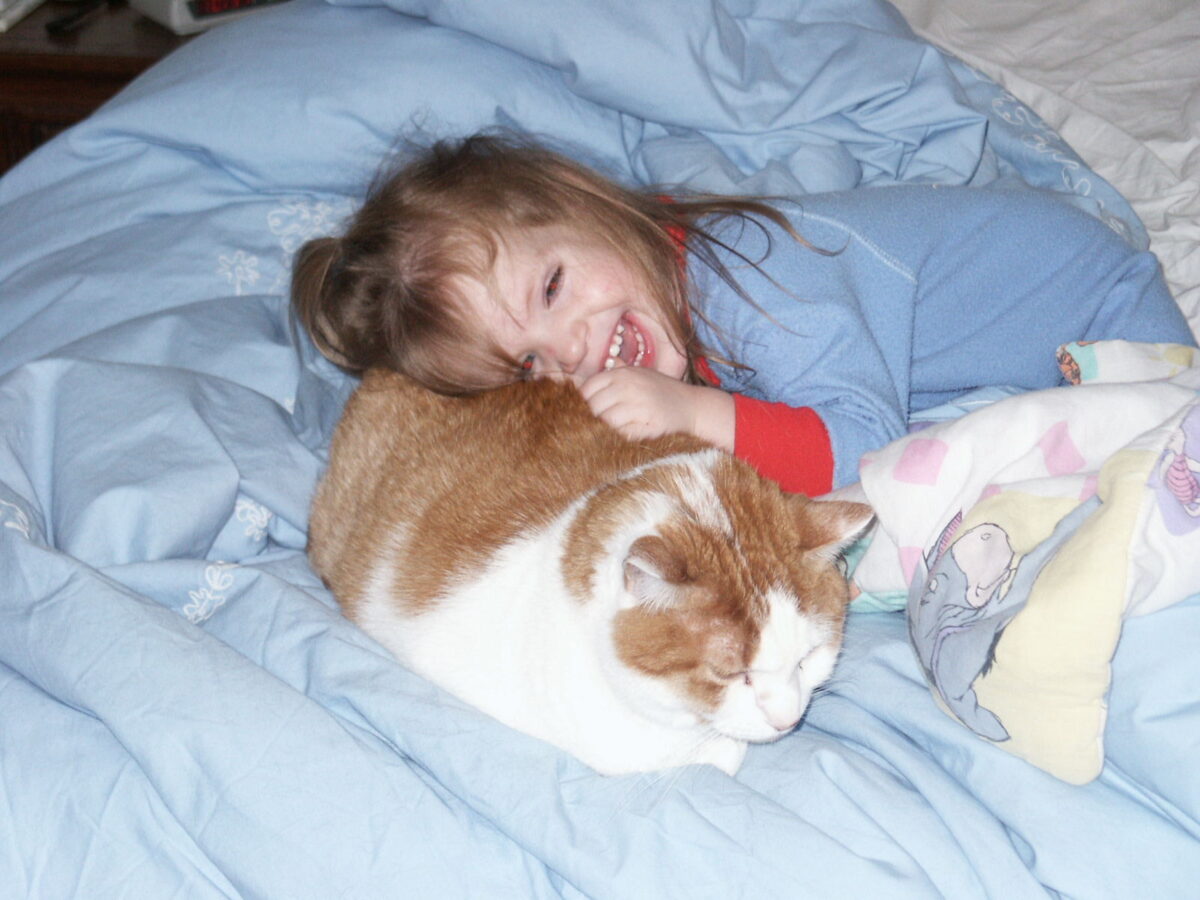
Ailee loves animals.

Ailee at two years old.
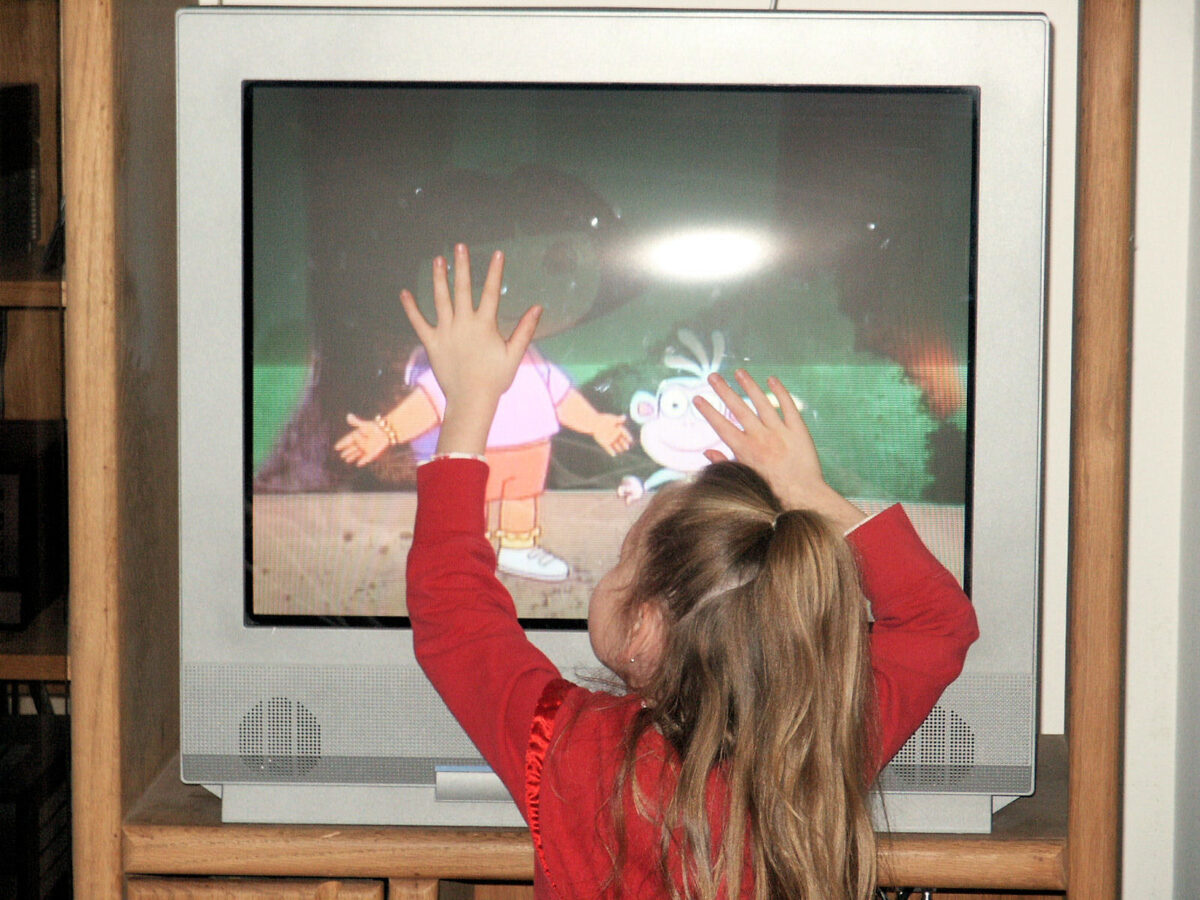
At age five, Ailee was obsessed with "Dora the Explorer."
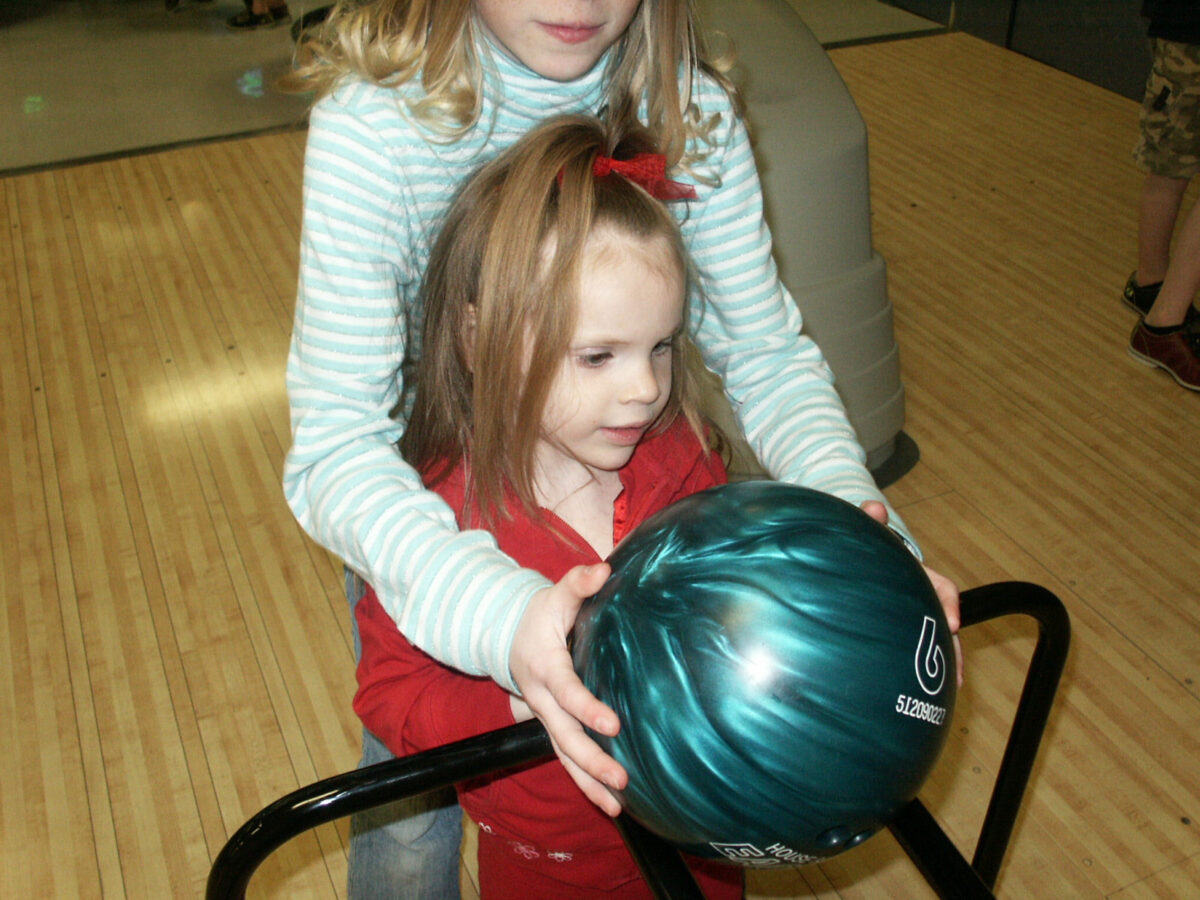
Five-year-old Ailee bowls with the help of her sister.

Three-year-old Ailee celebrating Halloween.
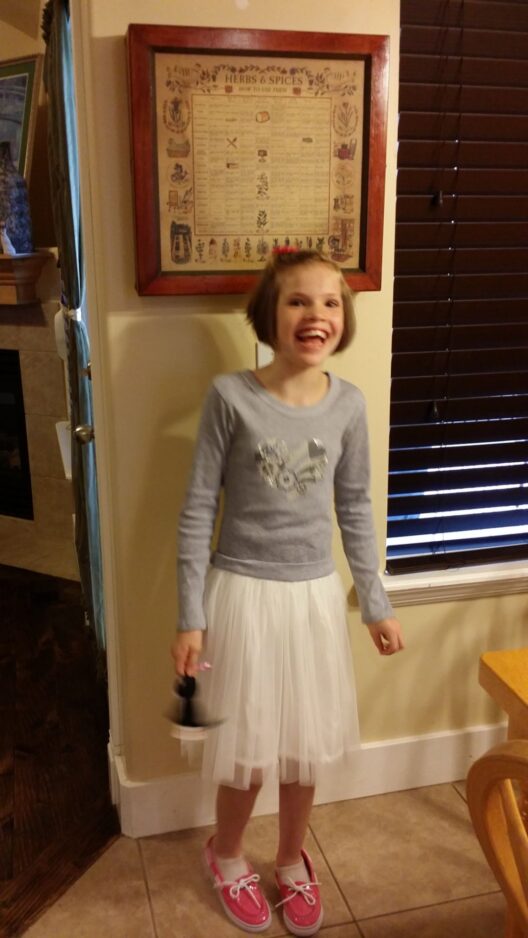
Ailee on her first day of seventh grade.
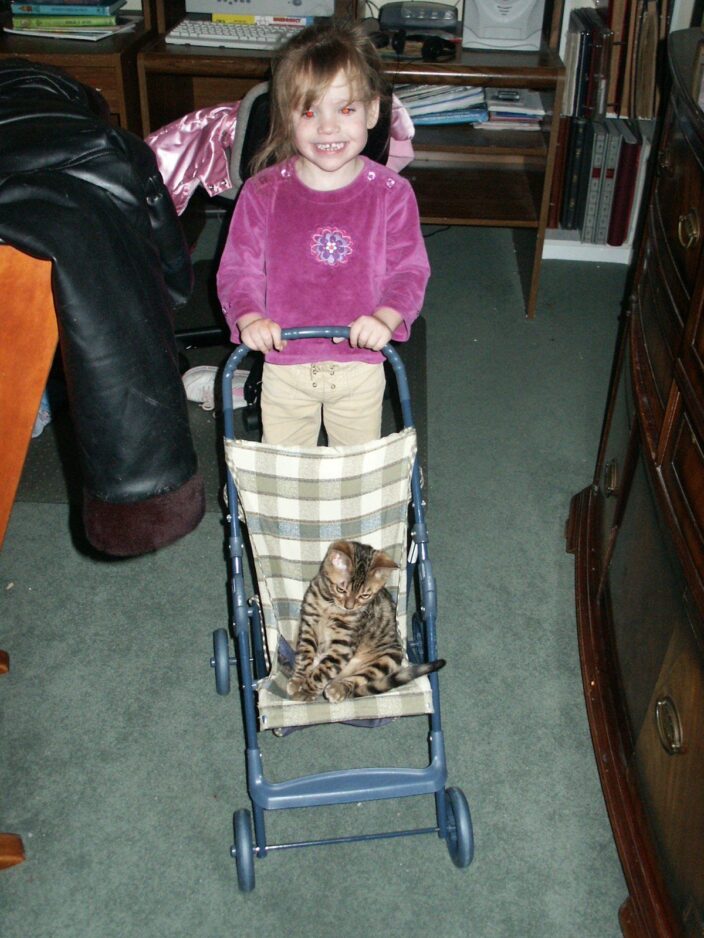
Ailee loves animals.
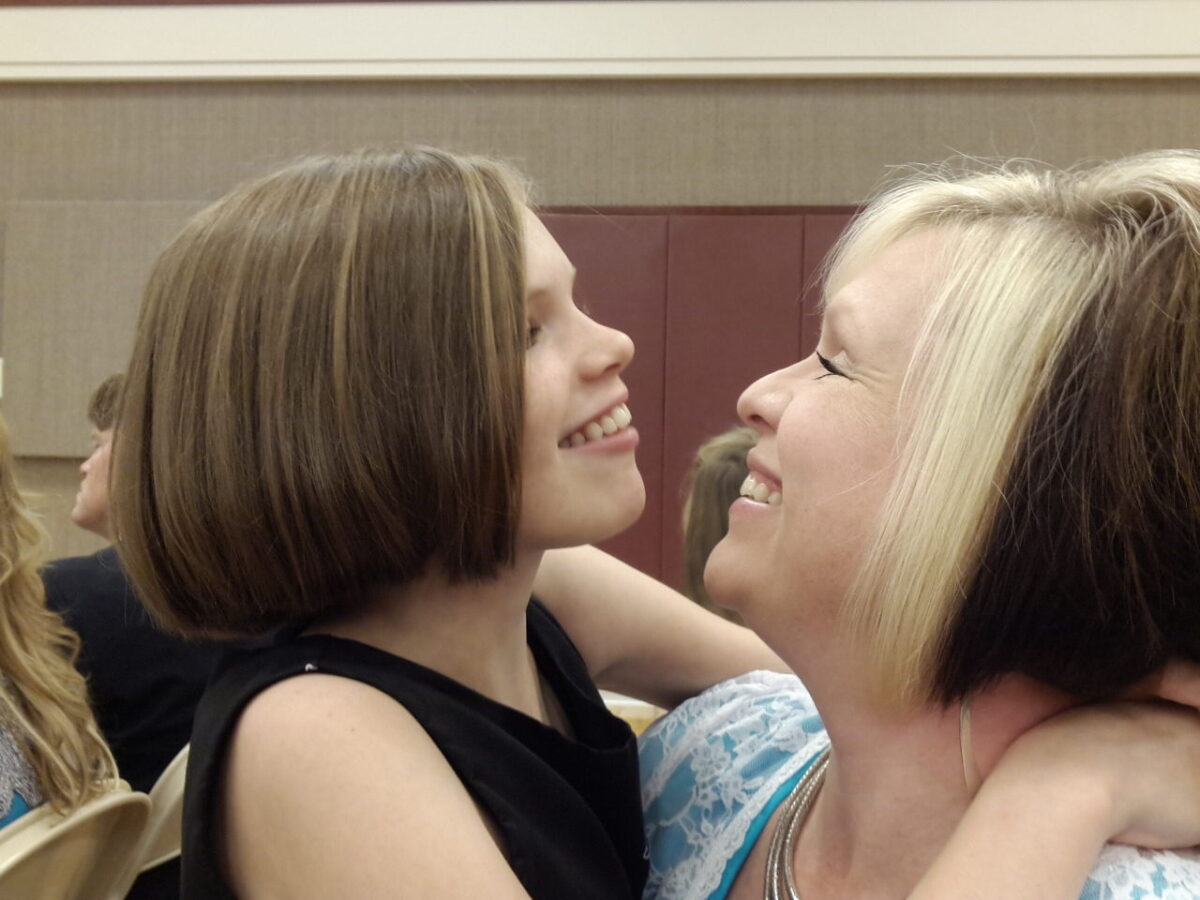
Ailee, 12, hugs her mom Jeanne O'Connor.
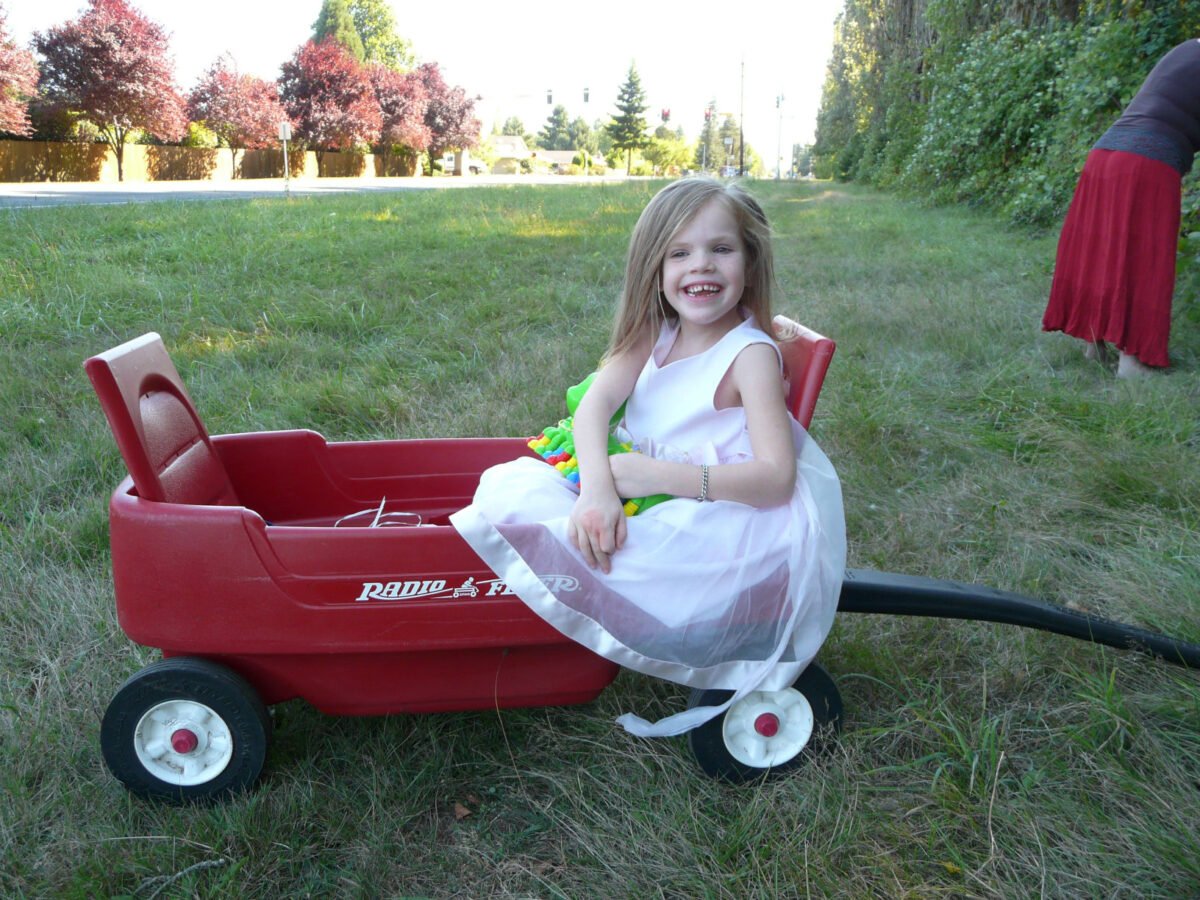
Six-year-old Ailee goes for a ride in her wagon.
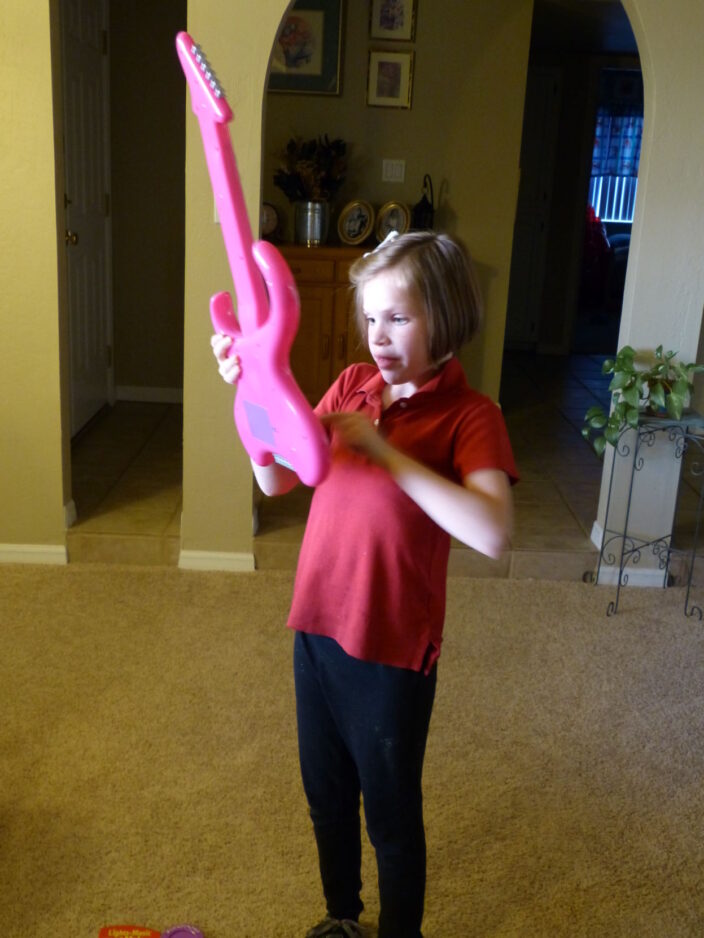
Ailee loves the electric guitar.

Seven-year-old Ailee sits on her mom's lap.
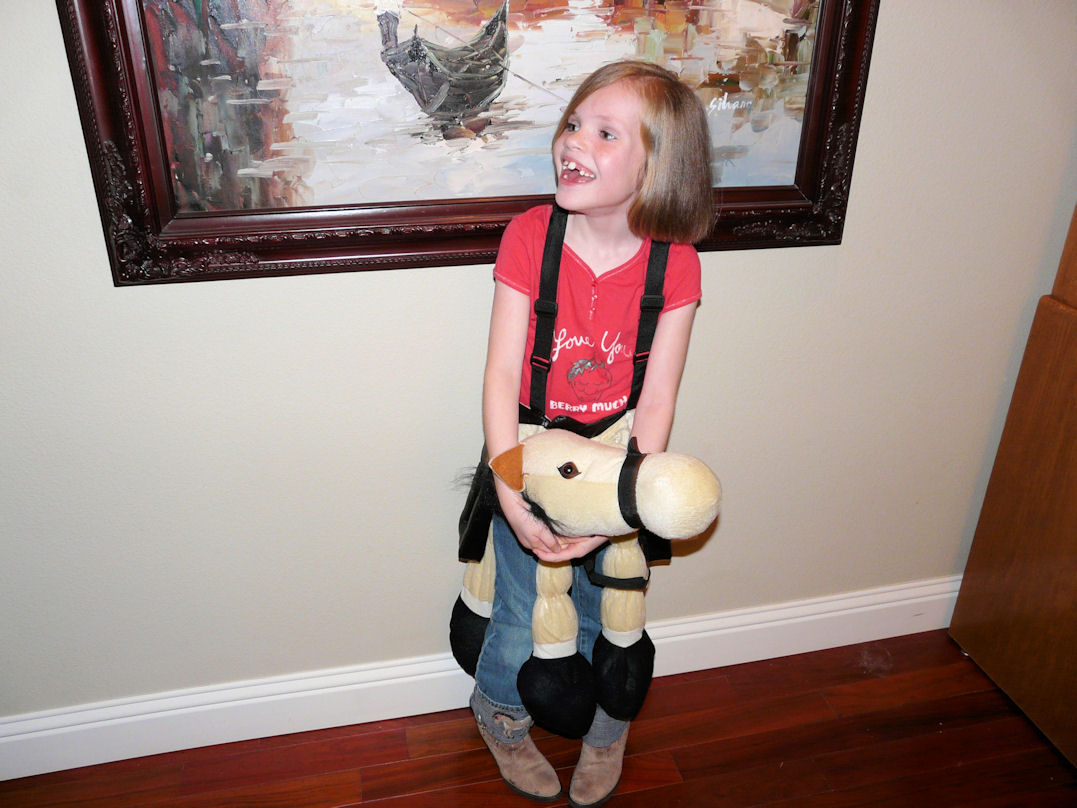
When she was 7, Ailee was a horse for Halloween.
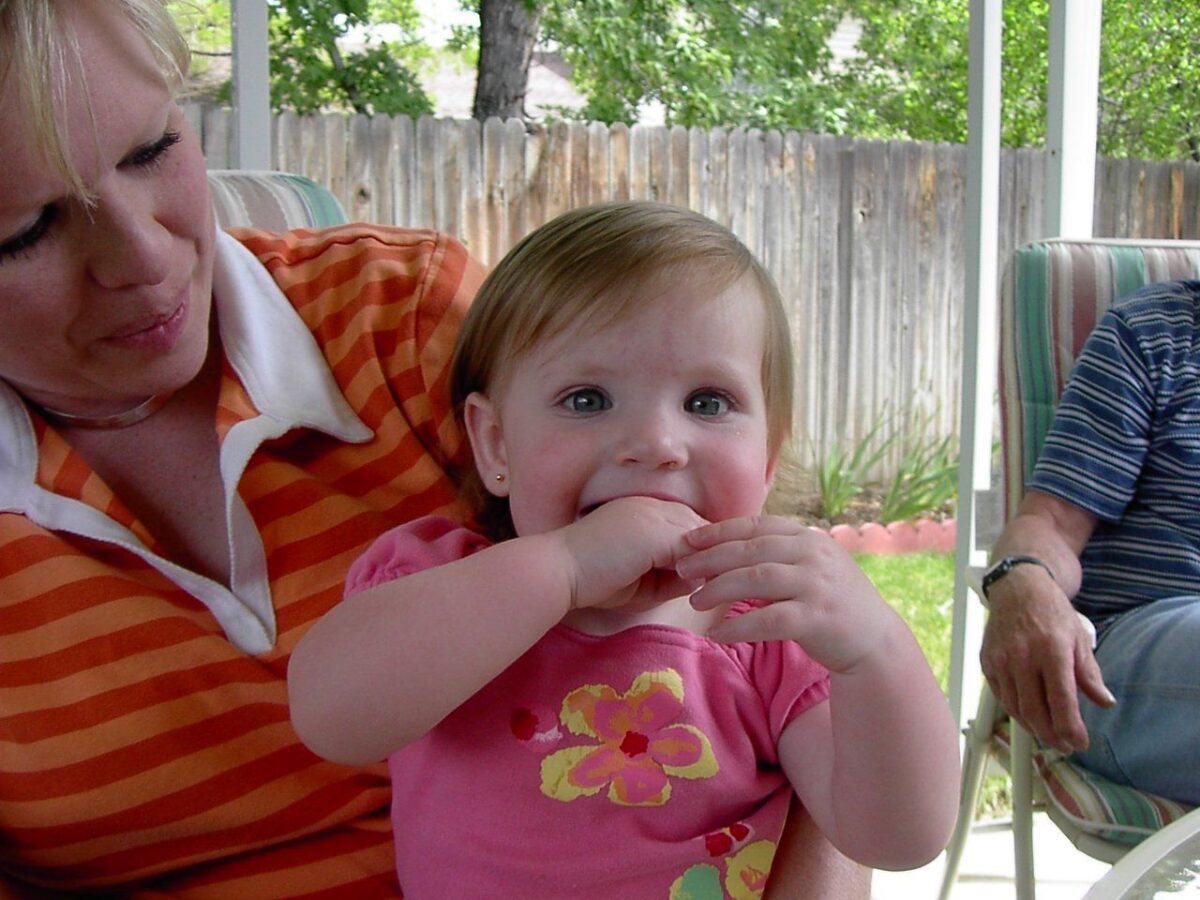
Jeanne O'Connor holds one-year-old Ailee.

Ailee celebrating her eighth birthday.

Ailee at eight years old.

Ailee at eight years old.
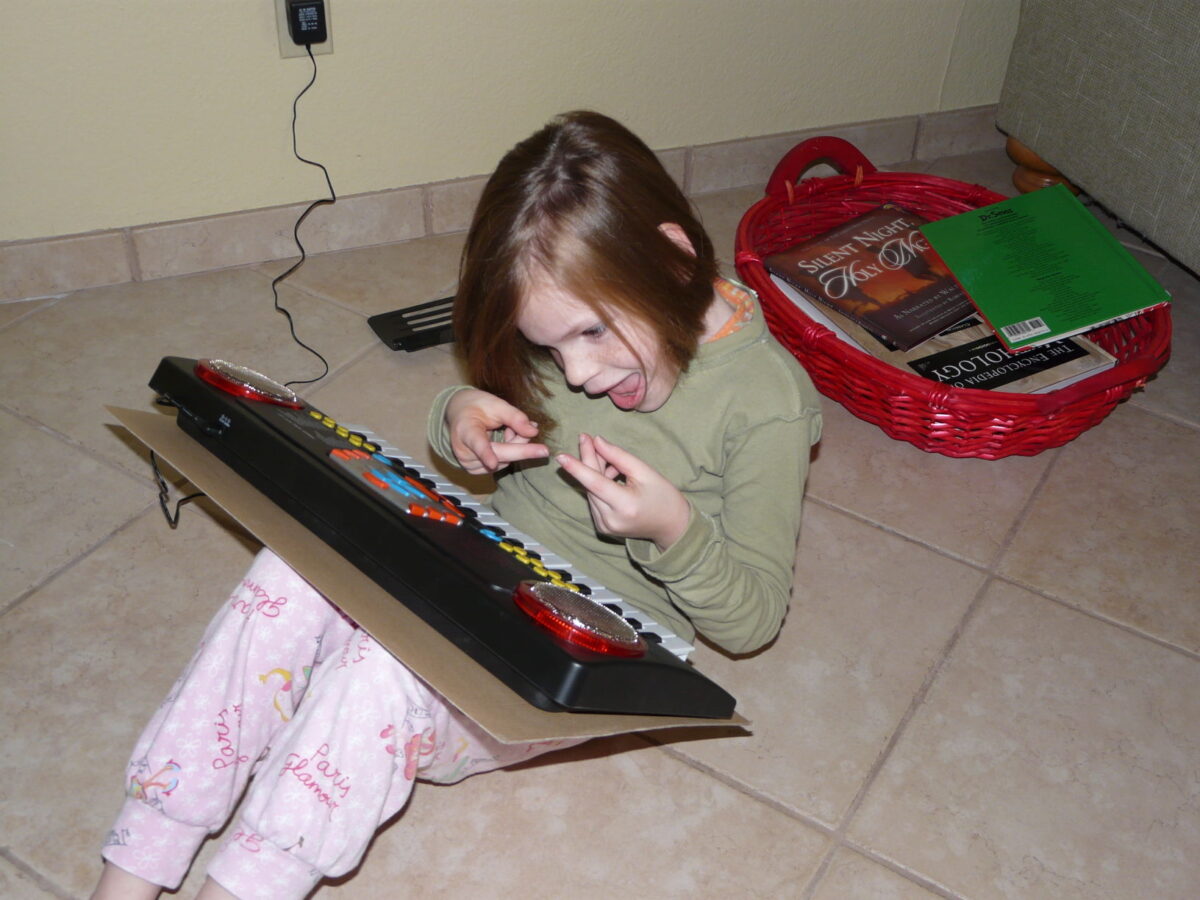
A lover of rock music, 8-year-old Ailee celebrates on Christmas morning.

Nine-year-old Ailee celebrates on Christmas morning.
As I walk up to the family’s red brick home, I notice a fairy garden on the doorstep. The neighborhood is nice, the street quiet but friendly.
Immediately after ringing the doorbell, I hear a loud, sing-songy voice ask, “Who’s that?” over and over until a woman answers the door.
Cordial but somewhat guarded after years of defending her daughter, Jeanne O’Connor lets me in. Across the room I see Ailee, but I hang back to let her make the first move.
I’m surprised as she easily makes her way over to me — a huge smile spread across her face — and says hi. She hands me a bright turquoise toy bird and we talk about it for a while before she finds her fuzzy, brown stuffed horse on the couch.
I small talk with Jeanne and her husband Mike; Ailee stays close by my side. After a while, I pull out my notebook, and she immediately asks “What’s that?”
I respond that it’s my notebook, which she repeats. I tell her it’s where I take notes, to which she responds “Take notes,” over and over — sometimes like she’s asking a question, other times like she’s stating a fact.
It’s how she communicates, her mom says. To engage, Ailee usually lists the things she likes and wants the person listening to repeat them back to her.
I notice this at dinner, as we’re talking about Ailee’s favorite food. On the table is shepherd’s pie, which Ailee picks at after several proddings from her mother. Breakfast foods are her favorite, Mike says. He starts naming a few, like eggs and toast, which Ailee readily repeats. She picks up on our game and adds in a few of her own, shouting “Hash browns!” and “Sausage!” as we all laugh and enjoy her enthusiasm.
At 14, Ailee is small for her age, standing about 4-foot-9 and weighing in at about 85 pounds. But she’s a good eater, and her parents’ worries of her someday needing a feeding tube are tabled for the time being. Unlike many children with autism, Ailee doesn’t have many food aversions. Instead, for her, food is fun.
“Ailee needs a lot of sensory input, so she will try a lot of new things,” Jeanne says. “She is particularly going to like it if it’s spicy. So the things you’d typically think ‘Oh, you aren’t going to want to feed her that,’ are the things she’s going to like.”
For example, Ailee eats jalapenos and onions straight, loves spicy salsa (and most Mexican dishes in general) as well as Thai food. Right now, her favorite meals include spaghetti and hot dogs. She used to be big on chicken nuggets and macaroni and cheese, but has recently phased out of them.
For snacks, it’s all about the crunch: Goldfish, Cheez-Its, chips, crackers. Because eating is a sensory experience, Jeanne will sometimes smash and sprinkle chips in a meal Ailee wouldn’t eat otherwise.
“We’ve found we can get her to do something she may not normally want to do if we add something she likes,” Jeanne says, leading into a story of Ailee’s love of mustard.
“When she was little, Ailee couldn’t do canned peaches because of the texture. But then in elementary school we introduced them with mustard and she loved them. Every day after school she had to have them, with mustard. If I can’t get her to eat something, I’ll grab the ketchup or mustard and she’ll eat it.”
But all isn’t always well in the eating department. Sometimes Ailee’s sensory needs are more powerful than her hunger, meaning eating isn’t an option.
“It’s not always about being hungry,” Jeanne says. “You cannot make her no matter how hungry she is, if she doesn’t want it, she won’t eat it.”
It’s in these situations that the worry starts to settle in, and Jeanne lets her feeding tube fears creep in.
“When Ailee’s in the mode of not wanting to eat anything, she’ll just want crackers, which she already had as a school snack and after-school snack,” Jeanne says. “I struggle with that. Do I just give her crackers all of the time? Because that’s not healthy. Knowing what to do in those moments is hard.”
Receiving a diagnosis
Born in Utah, Ailee wasn’t diagnosed with autism until she was almost 9 years old and living in Arizona. But her parents suspected she was on the spectrum long before then.
“I knew pretty early on actually, but I was kind of afraid of acknowledging it,” Jeanne remembers. “She was my baby, so I thought maybe I was just spoiling her too much. I was kind of in denial.”
When she was young — about 6 months old — Ailee would repeatedly rub her eyelashes with her palm, a habit her parents recognized as sensory behavior. She was also developmentally delayed, and didn’t sit up, crawl or reach any of the milestones others her age were reaching.
After therapy, Ailee started walking at about age 2 1/2. It wasn’t that she wasn’t physically capable before then, but that the sensory issues related to walking had been too much. At about age 3 she started playing with words, but she still wasn’t able to communicate her basic needs.
During the next several years, her family moved from state to state, each having different requirements of what qualified or disqualified Ailee for receiving state services. And of course, each new state brought new doctors.
In Utah, when Ailee was still a toddler, Jeanne said doctors were hesitant to diagnose Ailee because she would look adults in the face, laugh and smile, things children with autism sometimes won’t do. Other doctors thought Ailee might have Rett syndrome or some other genetic disorder.
So when the autism diagnosis finally came, Mike remembers, so did relief. Though they were grateful Ailee likely wouldn’t lose coordination, speech and use of her hands (effects of Rett syndrome), he and Jeanne still knew little of autism and found themselves wondering about Ailee’s future.
“I was the typical person who thought children with autism are the kids who don’t bond with their parents, and pound their heads on walls,” Jeanne remembers. “It scared me, it scared me a lot.”
Life on the spectrum
The thing about a spectrum disorder is that there is a wide degree of variation in the way it affects people.
Ailee, for instance, has no problem looking adults in the eye, smiling or laughing. Interacting with her peers, on the other hand, is a different story.
She’s not potty-trained, but Ailee can communicate that she’s hungry or thirsty. She loves school, her teachers and going for rides on the bus. Like many with autism, she also loves her devices.
“Ailee’s very low functioning but she can cruise through technology and get where she wants to be,” Jeanne says. “She can’t read or identify any numbers or letters, but she can get herself around on YouTube.”
On any given afternoon, you’ll find Ailee in her room watching a rock concert on her tablet with a movie showing on her TV in the background. She loves the electric guitar — one of her favorite musicians is Yngwie Malmsteen — and piano rock bands, including Journey and Queen. She also likes to filter through video clips of animal shows like “Balto” or “Spirit.”
“She usually spends a lot of time in her room doing her own thing,” Jeanne says. “We’ve learned to let her do what she wants to do when she gets home to wind down and decompress after school. We’ve found that by letting her do whatever she wants, she does better and then she’s more renewed to do better at school.”
If she’s feeling more interactive, Ailee loves to snuggle with her mom — whom she adores — and read books.
“A lot of people don’t understand that these kids don’t like to be touched,” Jeanne says. “They don’t want you to initiate the interaction. With Ailee, if she initiates it, she can have almost a normal interaction of talking and touching because she’s ready for it. But if someone goes up to her and initiates it, it’s total overload and she’ll yell and get upset.”
This tends to be the problem when well-meaning people try to interact with Ailee and go about it the wrong way.
“I don’t think they realize how a little condescending they can be,” Jeanne says. “They’ll pat her on the head … and it can send her over the edge.”
The sensory world of autism
When Ailee experiences a sensory overload, she’ll mimic what’s being said around her, a behavior known as echolalia. When she needs more sensory input, she’ll yell or stim — usually flapping her hands in the air with her elbow bent in front of her. When she experiences an intense emotion, good or bad, she’ll often bite the back of her hand; the calloused knuckles of her right hand act as proof of the daily roller coaster she is on.
“I think most people don’t get to see the real side of an autistic child because when other people are around, their routine is messed up and they aren’t on their normal behavior,” Jeanne says. “So many people don’t get to see those moments of bonding. Even my extended family doesn’t get to see much of that.”
As she gets older, Ailee has gotten better at being touched, and will sometimes walk up to people and give them a hug. According to her dad, sometimes Ailee will treat a stranger on the street like her best friend. The problem is, if she doesn’t want to be touched, she isn’t able to tell you no.
Her inability to effectively express herself, or understand when someone is mistreating her, is one of her father’s biggest fears.
“Ailee is the kind of child who would be taken advantage of or abused,” Mike says, as the conversation takes a sobering twist. “And that’s my nightmare, that at some point she’ll be abused. And the thing with Ailee is that she wouldn’t be able to tell us, and she wouldn’t know to tell us. She just doesn’t get that. As her dad, that’s one of my nightmares.”
Facing challenges
Because Ailee has only a few trusted caregivers, Mike and Jeanne rarely do anything to break their regular routine. They try to have a weekly date night, but as their daughters Meagan, 18, and Erin, 16, grow older, it’s harder and harder to convince them to stay home to babysit every Friday night.
“It’d be nice to have a vetted, trusted caregiver who works with autistic kids who could come in even for just an evening so we could go out,” Mike says. “But it’s hard to trust people. I’m sure if we looked there are probably nanny services that serve those with special needs, but I haven’t looked hard for them.
“I’m a little concerned, to be honest, because we all hear horror stories. I’d almost want to put up hidden cameras.”
The O’Connors aren’t opposed to taking Ailee out in public with them, and on her good days they will. But then they’re faced with another challenge.
“Ailee doesn’t look special needs, so people expect her to not to be,” Mike says.
While at grocery stores or restaurants, the family has experienced its share of rude comments and wayward glances, including strangers straight out asking why the parents don’t “discipline their little girl.”
“When Ailee walks into public, people expect normal and then when they don’t get it, it throws them off,” Jeanne says. “I don’t think that people don’t want to be accommodating, it’s just that they look for visual indicators.”
On the other hand, Ailee often gets special treatment she doesn’t need — usually from well-meaning people at church who let her get away with things they shouldn’t.
“She’s fun and cute and she totally knows it,” Jeanne says with a laugh. “Just like any other kid, she’s going to manipulate, and she’s going to play you and try to get what she wants. It’s funny to see that there’s this underlying normal going on.”
Planning for the future
Nestled in the hills of Saratoga Springs, the O’Connors have a routine. Mike works in the online fraud prevention industry. Jeanne is a stay-at-home mom. Their son Sean, 20, is in the Army. Meagan is an assistant manager at a local fast food joint. Erin is a junior at Westlake High. Ailee attends an enclosed special needs classroom at Vista Heights Junior High.
Everyone does their part to contribute to the fluidity of the family, and for now, it works. But Jeanne knows in the next several years, things are going to change.
“Honestly I don’t know what is going to happen when I get to the point when I can’t take care of her anymore … and it scares me to death,” Jeanne says. “I think about it all of the time. I feel like I have to stay in the best shape that I can so I can take care of her for as long as I can, because it’s going to get harder as she gets bigger and as I get older.”
Weighing heavily on her mind aren’t just topics of long-term care, but more immediate concerns like the fact that Ailee isn’t potty trained and is approaching puberty.
“We have to think about difficult things, like wondering if we can prevent her from having a period,” Jeanne says. “For a child who doesn’t understand, that could be traumatic.”
The family isn’t receiving state services — such as respite care, a Medicaid card or physical, speech or occupational therapy — because when they lived here years ago, Ailee didn’t qualify. According to Jeanne, in 2005, the state of Utah would not recognize Ailee as disabled without a diagnosis.
“Regardless of her symptoms, because she didn’t have a diagnosis, Ailee was denied services,” Jeanne says. “I don’t know if she would qualify now because to be honest I haven’t had the guts to call them and try to go through the process again.”
Though most days Jeanne will tell you caring for Ailee isn’t an added burden, on some days she feels the stress.
“I love her to death, but the truth is I am doing more for her than you would do for any other 14-year-old,” Jeanne says. “I’ve been changing diapers for almost 21 years. And it’s not going to stop in the foreseeable future.”
Enjoying the present
After dinner, Ailee sits on the couch and listens to her mom read “Old Black Witch!” a classic from Jeanne’s childhood. Mike and I sit at the kitchen table. Duke, the family’s friendly pit bull, goes back and forth between us.
Ailee loves Duke, and he loves her. According to Mike, the pair have a special relationship. In the mornings and after school, Ailee will sit on the ground and Duke will lick and lick her.
“He knows that there is something special about Ailee, so he treats her very carefully,” Mike says, running his fingers through Duke’s gray coat.
The girls join us at the table; Ailee has agreed to finish her dinner in order to have a slice of her days-old birthday cake.
“To be honest, I used to be terrified of having my own special needs child,” Jeanne says. “When you’re looking from the outside in, you are thinking it’s so hard. And I’m not saying it isn’t … but you don’t think of it that way as a parent. It’s your kid and you just do what your kid needs.”