
Farmers markets prepare for opening season as local food demand grows
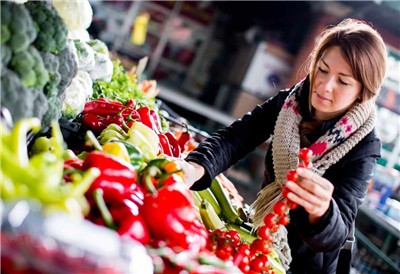
A March 2025 study conducted by the University of Wisconsin finds 80% of Americans attend a local farmers market at least once a year. Forty-one percent hit the stalls six or more times a year, and dined at a local restaurant before they headed home. As more farmers markets sprout up in the spring, demand for high-quality, fresh, local food grows.
In the past, farmers markets were turned to in hopes of eating healthier. That’s still the case, but there’s more going on in 2026. Wellness, sustainability and reducing one’s own carbon footprint are all at the forefront of many people’s minds. Further, people want to be more connected to their food; they want transparency and sustainability, and to feel a sense of place when eating.
The University of Wisconsin study also notes socializing and learning as perks consumers look for in farmers markets. Desire for not only healthy foods but a healthy earth to provide them drives the purchasing habits of 4 in 10 consumers. One-quarter of adults say farmers markets are the answer, and shop at their local stands at least once per week.
Shopping in season
As farmers markets prepare to open for the spring, both vendors and potential shoppers express added interest. Organizers say it’s partly a reflection of the economic times as well as a quest for healthier food. As of 2019, the U.S. Department of Agriculture counted more than 8,700 farmers markets in the United States. Vermont has the highest per capita rate, with 12 per 100,000 people.
“Whenever the country or a community experiences extreme job losses, we see an increase in vendor applications,” shares Catt Fields White, the CEO of Farmers Market Pro and co-founder of the annual InTents National Farmers Market Conference.
“We’re seeing more intentional local food buying and more customers treating the farmers market as a primary weekly shopping stop. Not just a special trip, says Paula Stocker, farmer market manager at City Market in downtown Kansas City, Mo. “Customer turnout continues to grow across families and younger shoppers, with people looking for fresh food, direct connections with growers and a more social shopping experience.”
“I love hitting the local farmer’s market on Saturday mornings in the Spring. I always get fresh fruits and vegetables and plan my weekly menu around them,” says Karen Kelly, recipe developer at Seasonal Cravings. “The fresh bread and homemade dog treats are a must as well.”
Finding the freshest seasonal vegetables is a big plus for most farmers market attendees. Fresh radishes, artichokes and asparagus in the spring are more flavorful than canned, while eggplant rollatini has a different zest when the ingredients are gathered in fall. In-season produce is often cheaper at farmers markets thanks to lower transportation and storage costs. “There’s also a common misconception that ‘farm-to-table’ is more expensive, but I’ve learned that it’s quite the opposite,” explains Chef Sam Diminich, owner of Your Farms Your Table. “When you cook seasonally, you’re not paying the premium for out-of-season product.”
“My weekend ritual with my toddler is hitting our neighborhood farmers’ market in Kirkland, especially in the summer. I always make a beeline for whatever leafy greens look best, grab a jar of something fermented from a local vendor – a good kimchi or pickle can transform a weeknight meal – and then let myself get surprised by whatever’s in season,” adds Shruthi Baskaran-Makanju of Urban Farmie. “The biggest thing I tell people is to shop by season, not by recipe. If you know what’s in season right now, you’ll cook better food and waste less of it.”
Hyper-local sources
One technology-based trend that came out of the pandemic is now being sought by consumers at many farmers markets. They don’t want just local; they’re after hyper-local sourcing. Where is the closest neighborhood farmers market? How far is it from the farm, ranch or boat pier where the food was harvested? Closer is better.
“I’ve noticed a growing demand for hyper-local sourcing,” points out Juan Cabrera, head chef at The Restaurant at North Block. “More restaurants and consumers want to support small growers, which creates both opportunity and healthy competition for the best products. It pushes us to be more intentional and adaptable.”
Austin Jones, owner of Blooming Hill Farm, a family farm in Hudson Valley, New York, agrees. “I feel like customers care about local and familiar sourcing now more than ever. One is for environmental reasons – the food has to travel less and be processed less; wastes less energy if it comes from somewhere local. I think people also recognize that the quality and taste from small local producers is better vs. large commercial distributors, where the food is traveling from far away to its end destination.”
More than just produce
The most popular farmers markets don’t just bring in fruits and vegetables. They diversify from honey, cheese and meat to canned and fermented items, like pickled rhubarb, to handcrafted items like candles and carved wood. Some even have live chickens or a whole petting zoo.
“I love that farmer’s markets aren’t just produce anymore,” shares Maike Corbett, founder of Cheerful Cook. “Sure, the local veggies still come home with me, but now I can also grab a French-style baguette and pastries. I’ll pick up artisan cheeses or meats and get pulled into the specialty stands, including one with 15 kinds of olives.”
“One prominent trend in local food is the increase of cooperative marketing, where farms source from each other, specializing in what they grow themselves and aggregating or sourcing from other farms to offer a larger diversity of products,” says Devin Cornia, executive director at Northeast Organic Farming Association of NJ. “You’ll see vegetable farmers partnering with local grains growers, livestock farmers and other businesses to fill up their farm stores and market stands, giving customers a one-stop shopping alternative to the supermarket.”
Investing in the community
Farmers take home approximately 90 cents on the dollar for items they sell at the farmers market to their neighbors and friends. Compare that to the 15.9 cents per dollar they average at supermarkets and big box stores. Further, the UW study found nearly half of people who go to farmers markets shop at other surrounding local businesses on the same trip. And it’s more than an economic impact; it’s pouring into the community’s story.
“We source from farmers markets because they’re one of the few places left where food still has a face, a place and a story. Buying directly from our neighbors allows us to support the people who are stewarding the land around us while building real relationships based on trust and transparency,” explains Dr. Bill Schindler, anthropologist and author of the best-selling “Eat Like a Human.”
“From a practical standpoint, local food systems are also the safest and least fragile – shorter supply chains mean fewer points of failure. For us, that connection strengthens not just flavor and nutrition, but the resilience of our community as a whole.”
“… it keeps dollars circulating within our local economy. When we buy directly from farmers and producers, we’re reinvesting in our community and strengthening long-term partnerships. Those relationships matter,” says Sean Blomgren, executive chef of The Lodge at Spruce Peak in Stowe, Vermont, who has been attending farmers markets across the region for decades.
“There’s also a storytelling component. Being able to tell a guest exactly where their carrots were grown, who raised the lamb or which farm produced the cheese enhances the dining experience. It creates a deeper connection between the guest, the region and the food on the plate.”
And when times get tough, farmers markets are there for everyone. “The effects of shutting down SNAP recently have actually brought the advantages of farmers markets to the attention of folks who weren’t aware that many markets match benefits,” points out White. “Markets and their shoppers contributed funds to be sure their community members didn’t go hungry, and their farmers weren’t harmed by a sudden reduction in sales of food ready to harvest. That brought more people to markets, and they’ve stayed.”
Educating the public
That story spills over into life lessons and is even brought from the farmers market into classrooms. “In schools, we’re seeing more garden programs pop up, and our cooking and food workshops are filling up fast. People really want to know where their food comes from and how it’s grown,” shares Dusty Vauters, agricultural expert at Midsouth AG. “It feels like there’s a real shift toward thinking about health, sustainability and supporting local farmers. Parents want their kids to understand what’s in season and how to cook or preserve it. People aren’t just buying food, they want to connect with it.”
“Farmers Markets are one of the best classrooms we have. They allow the public to talk directly with the growers and producers, understand the seasonality and see the realities of small-scale farming,” explains Matthew Aversa, executive director at Winding Branch Ranch in Bulverde, Texas.
“Farmers markets are one of the last places where food education happens in real time, face to face,” adds Michele Thorne, executive director of the Good Meat Project. “There’s no algorithm, no label doing the talking for you. Just a producer, a product and a conversation.” Those conversations include exchanging recipes, from modern dishes to classic Italian vegetable concoctions passed down for generations.
Harvest for all
Farmers markets continue to grow into the mainstream. As Americans become more health, economic and socially conscious, they realize farmers markets provide a source of food, community and collaboration that goes beyond the transactional.
Patrick Mulvaney, owner of Mulvaney’s Building and Loan, and one of the key voices behind Sacramento’s Farm-to-Fork movement, sums it up well. “The farmer’s market is a place where everyone can go to shake those hands and ensure their families are going to eat well and support good stewards of the land. Buying local means that our children will eat well tonight and increases the odds that our grandchildren will as well.”
Bella Bucchiotti is a freelance writer with a passion for adventure, delicious recipes and authentic storytelling. Through xoxoBella and social media, she shares vibrant travel experiences, mouthwatering dishes and everyday moments that inspire connection.