
Travelers trade spas for soil as farm charm shapes 2026 bookings
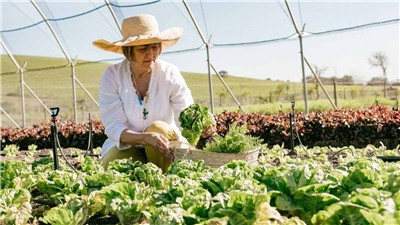
As winter lingers across much of the United States, a different kind of spring planning is already taking shape. Agricultural calendars, from bud break to calving and planting, operate on fixed schedules regardless of when travelers book. That timing pressure helps drive growing demand for hands-on farm and field experiences in 2026, a trend some industry forecasts have labeled farm charm.
Unlike traditional agritourism centered on tastings and scenic views, these programs invite participation. Travelers plant seedlings, rehabilitate rice paddies, peel cinnamon bark, and harvest produce to be cooked the same day. The appeal lies in direct access to seasonal work tied to the land rather than curated observation.
The booking window shrinks
Compressed planning timelines can complicate access to seasonal agricultural programs tied to specific planting and production cycles. In Italy’s Emilia-Romagna region, spring brings planting in the foothills of the Apennines and calving season that supports the area’s Parmigiano-Reggiano supply chain. At Palazzo di Varignana, a 650-hectare estate outside Bologna with vineyards, olive groves and orchards, guests can join planting workshops and vineyard walks during bud break, experiences available only within defined seasonal windows.
In northern Patagonia, spring at Hotel AWA overlooking Lake Llanquihue ushers in the first harvests from its organic garden, supported by volcanic soil and a cool, high-rainfall climate. The property incorporates permaculture and biointensive growing techniques suited to southern Chile’s shorter growing season. Guests harvest ingredients before participating in cooking sessions based on what is available that day.
In rural Japan, Walk Japan has expanded efforts to rehabilitate rice paddies damaged by severe flooding in 2024. Rice cultivation in Japan follows strict planting and transplanting periods in late spring, with harvest in early autumn. Through its Community Project, travelers assist in restoring damaged fields so they can return to production for the 2026 growing cycle.
From rural add-on to integrated hospitality
Farm-based programming is also being incorporated into higher-end stays, where cultivation and sourcing form part of the guest experience.
At Spier Hotel and Wine Farm in South Africa’s Stellenbosch region, the property operates within a working wine farm and maintains a food garden guided by regenerative practices under its Growing for Good initiative. Seasonal produce harvested on site is used in the property’s restaurants, and agricultural operations become part of guest programming through scheduled harvest sessions and garden visits.
In Umbria, Vocabolo Moscatelli sits within a restored monastery estate surrounded by olive groves and woodland. Guests join the kitchen team in harvesting produce from the property’s garden before dinner service. The region is also known for black truffles, typically foraged from late autumn through winter, and local guides lead small-group hunts tied to those seasonal windows.
In Tanzania, Elewana Arusha Coffee Lodge is set on a working arabica coffee plantation near Mount Kilimanjaro and Mount Meru, where volcanic soil and elevation support coffee cultivation within East Africa’s Coffee Belt. Harvest typically runs from June through October. Guests learn about varietals, processing methods and roasting, and during harvest season, may pick ripe cherries alongside estate workers before observing pulping and drying stages.
Skills over spectacle
A third shift centers on skill-building and cultural exchange rather than passive observation.
At Aarunya Nature Resort in Sri Lanka’s central highlands near Kandy, guests participate in harvesting and peeling Ceylon cinnamon, derived from Cinnamomum verum trees native to the island. Sri Lanka remains one of the world’s leading producers of true cinnamon, and harvesting involves stripping the inner bark during specific growth phases when moisture content allows it to separate cleanly. The bark is then rolled into quills by hand.
Across similar programs, instruction and technique take priority over demonstration. According to Booking.com, 69% of travelers said they’d love to stay in a hotel where they can forage for their meals. Whether learning to identify soil readiness before planting, understanding how climate shapes truffle growth or observing the stages of coffee processing, travelers are engaging directly with agricultural systems rather than viewing them from the sidelines.
Looking ahead to 2026
Interest in rural stays and farm-based travel has grown in recent years. According to Vrbo, 84% of travelers say they are interested in staying on or near a farm, signifying broader curiosity about agricultural settings beyond traditional resort experiences. At the same time, compressed booking timelines are redefining how trips are planned.
For 2026, that convergence may narrow access to seasonal programs that operate within limited windows and small groups. As spring approaches in different hemispheres, planting, harvesting and restoration work are already underway. For travelers seeking hands-on agricultural experiences, availability may hinge more on timing than price.
Jennifer Allen is a retired chef turned traveler, cookbook author and nationally syndicated journalist; she’s also a co-founder of Food Drink Life, where she shares expert travel tips, cruise insights and luxury destination guides. A recognized cruise expert with a deep passion for high-end experiences and off-the-beaten-path destinations, Jennifer explores the world with curiosity, depth and a storyteller’s perspective. Her articles are regularly featured on the Associated Press Wire, The Washington Post, Seattle Times, MSN and more.