
Rideshare etiquette draws attention as ride apps grow
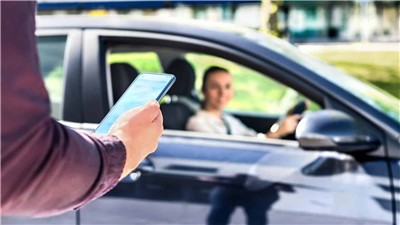
Five-star rideshare reviews require more than good driving, as rider behavior can make or break a trip. With 26% of rideshare app users booking trips monthly and 36% of Americans having used the service at least once, passenger conduct inside the car gets harder to overlook. Those small habits come with real consequences on trip timing, safety and driver earnings that add up quickly behind the wheel.
This post may contain affiliate links that may earn us a commission. For more information, see our Disclosures.
In urban areas, about 90% of ride-hailing users cite convenience as the main reason for booking a trip, setting expectations for quick, smooth service. For drivers, that convenience often comes with trade-offs, especially when curbside delays or mid-trip changes interrupt the flow of a ride.
Pickup and timing issues
Rideshare use continues to climb, with Uber holding about 71% of sales in the United States and Lyft covering the remaining 29%, putting more drivers and riders in constant contact throughout the day. With that volume, daily pickup habits quickly become a source of friction. Drivers often arrive to find riders still inside, unresponsive or sending new instructions instead of heading to a clear meeting point. Booking a ride before being ready turns a routine pickup into idle time at the curb.
Problems increase when pickup locations are not viable, including bus lanes or active traffic zones. Drivers circle nearby streets while passengers wait indoors or expect pickup in restricted areas. Once the car arrives, slow bag loading blocks traffic and draws pressure from surrounding vehicles, turning a simple stop into a disruption for everyone on the road.
Trip changes and navigation conflicts
Trips become harder to manage when stops are added or destinations change after the ride is already underway. These updates require drivers to adjust routes in real time, often while navigating traffic, which increases the chance of missed turns and longer travel times.
Tension also builds when riders challenge routes already guided by navigation systems. Drivers may follow traffic patterns or safer roads, while passengers insist on shortcuts that do not match current conditions. Disagreements often center on control of the route rather than the route itself, especially when delays are blamed on the driver.
In-vehicle behavior and noise
Noise inside the car can take over fast, turning a short trip into an uncomfortable ride for both sides. Phone calls on speaker, video chats and personal music at full volume fill the space and make it harder for drivers to focus on the road.
Late-night rides bring a different level of difficulty, with intoxicated passengers often creating the most serious problems drivers face. Unsafe requests, aggressive behavior and incidents such as vomiting can force a routine trip into cleanup and delays.
Cleanliness and vehicle care
Cleanliness issues inside rideshare vehicles create immediate problems, and small habits can leave lasting effects for the next passenger. Messy food and open drinks can spill easily, leaving stains and odors behind, while wrappers, cups and other trash force drivers to clean up between rides.
Damage builds when riders treat the car casually, using seat pockets for storage, scraping luggage across upholstery and tracking in mud, sand or wet clothing that leaves dirt on seats and floors. Pets brought without notice or proper carriers can add hair and scratches, leaving drivers to pay for cleaning and detailing themselves.
Courtesy still matters in rides
Passenger behavior, such as hard door slams, can wear down hinges and latches over time, leading to added maintenance or repairs. Riders also adjust windows, air or audio without asking, turning a simple trip into an awkward standoff over basic boundaries.
Some groups try to squeeze in extra people, which violates platform rules and puts everyone at risk if there is a crash. Drivers may have to cancel or refuse the ride on the spot, leading to arguments at pickup and wasted trips.
Payment habits and ratings keep pressure high, with tips often skipped when handled through the app and easy to ignore after the ride ends. At the same time, a single low rating can cut into future bookings, even when delays come from traffic or route changes the driver cannot control.
Standards tighten as usage grows
As rideshare becomes a standard part of daily travel, rider conduct begins to affect wait times, driver income and overall service quality across the system. Industry groups expect stricter enforcement and clearer in-app prompts on pickup timing, routing and passenger limits as demand remains high. Each trip then depends on basic cooperation, which can keep service efficient and predictable or turn routine rides into disputes.
Jennifer Allen is a retired chef turned traveler, cookbook author and nationally syndicated journalist; she’s also a co-founder of Food Drink Life, where she shares expert travel tips, cruise insights and luxury destination guides. A recognized cruise expert with a deep passion for high-end experiences and off-the-beaten-path destinations, Jennifer explores the world with curiosity, depth and a storyteller’s perspective. Her articles are regularly featured on the Associated Press Wire, The Washington Post, Seattle Times, MSN and more.