Garden Help Desk: Preventing cats from using your garden as their litter box
-
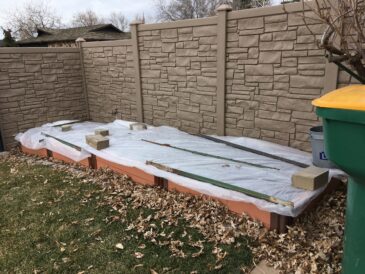
- You can protect garden areas through the fall and winter with row covers or other improvised materials, but it’s important to prevent the coverings from blowing loose during windy winter weather.
-
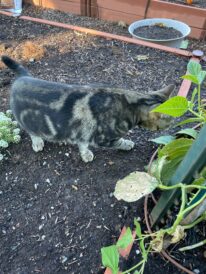
- Wandering cats can use any loose, open soil as a litter box.
-
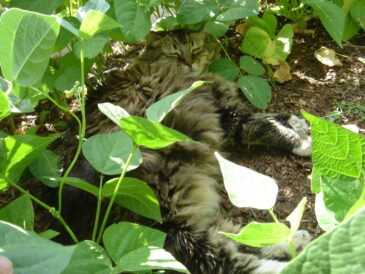
- Cats often see soft, freshly prepared soil as a litter box invitation, but as the growing season warms up, outdoor cats may simply rest in shaded garden areas.
-
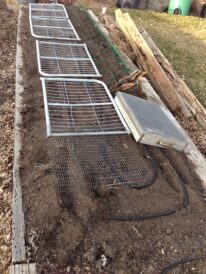
- You can prevent cats from digging and disturbing newly planted seeds by covering your plantings. You can improvise with anything that discourages digging and sitting while still allowing in light and air.
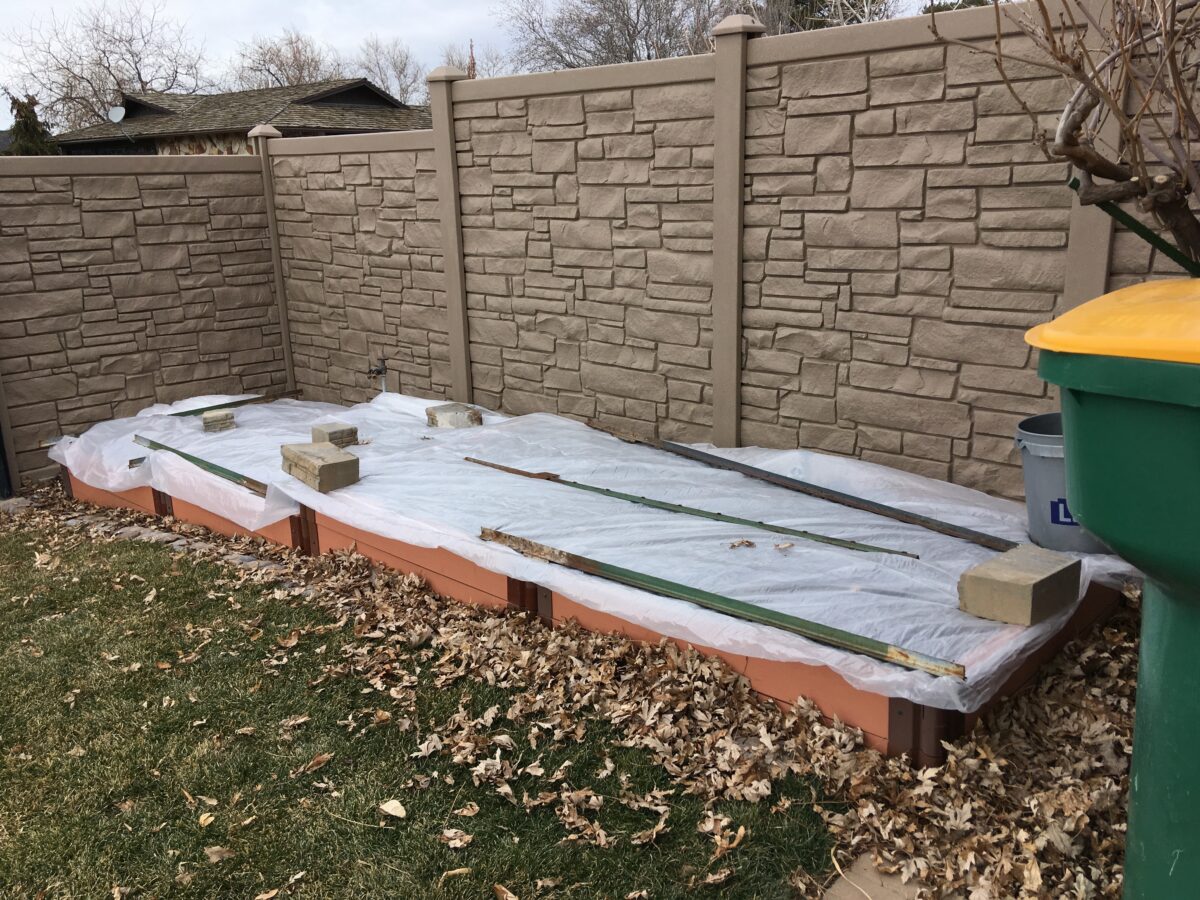
Photo by Meredith Seaver
You can protect garden areas through the fall and winter with row covers or other improvised materials, but it’s important to prevent the coverings from blowing loose during windy winter weather.
When fall temperatures drop and the ground begins to freeze, many gardeners encounter a frustrating paradox: while the rest of the landscape turns rock-hard, the well-amended, loamy soil in raised grow boxes remains soft and inviting. For neighborhood cats, these boxes become the premier outdoor “litter box” of the season.
Dealing with feline defecation is more than just a nuisance; it is a food safety concern. Cat feces can harbor parasites and pathogens that may contaminate soil and edible crops. If you find yourself in a battle to reclaim your garden beds this winter but lack the space to store bulky rolls of chicken wire, there are several effective, space-saving strategies recommended by university extension services to keep your soil pristine.
Change the texture of the surface
Cats are attracted to gardens because of the soft, easily diggable texture of the soil. To deter them, you must make the surface uncomfortable for their paws.
Pruning refuse: University of California Master Gardeners suggest using nature’s own deterrents: prickly trimmings. When you perform your winter pruning, save the branches from thorny plants like roses, raspberries or even holly. Laying these across the surface of your grow boxes creates a physical barrier that is difficult to walk on or dig through. These can be composted or bundled and placed in yard waste bins at the end of the season, requiring no permanent storage.
Pinecones and stones: Coarse mulches are much less attractive to cats than bare soil. Filling the gaps in your grow boxes with large pinecones or jagged river rocks can create a surface that cats find unstable and uncomfortable. My experience is that you want to add textured elements to break up the “litter box” feel.
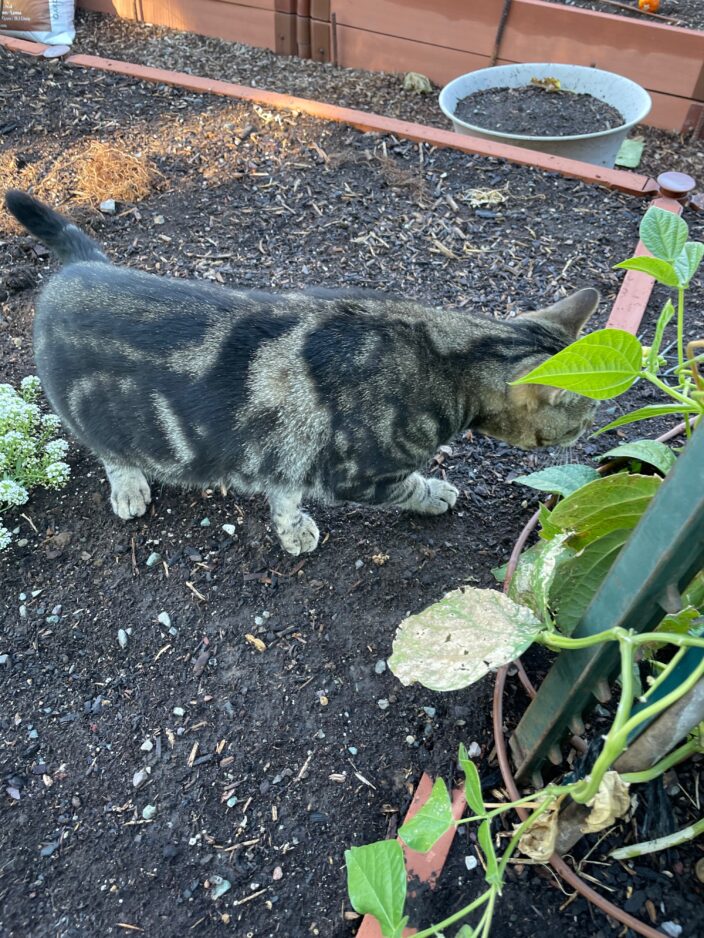
Photo by Meredith Seaver
Wandering cats can use any loose, open soil as a litter box.
Bamboo skewers or chopsticks: For a low-profile solution, try sticking bamboo skewers or chopsticks into the soil every 8 inches. This creates a “bed of nails” effect that prevents a cat from finding a comfortable spot to crouch. I have found that upside down plastic forks also work well for this method.
Scent-based deterrents
Cats have a sense of smell roughly 40 times stronger than humans, making certain odors highly offensive to them.
Citrus and essential oils: OSU Extension highlights that limonene, found in citrus peels (lemons, oranges, limes), is a registered repellent. Scattering fresh peels across your garden beds can provide a temporary deterrent. Additionally, sprays made from peppermint, lavender or eucalyptus oils can be effective, though they must be reapplied frequently, especially after rain or snow.
Pungent herbs: While many plants go dormant in winter, some gardeners have had success using dried rosemary or rue. These strong-scented herbs can be scattered over the soil to signal to cats that the area is unwelcome.
High-tech and mechanical solutions
If physical barriers aren’t enough, consider motion-activated technology.
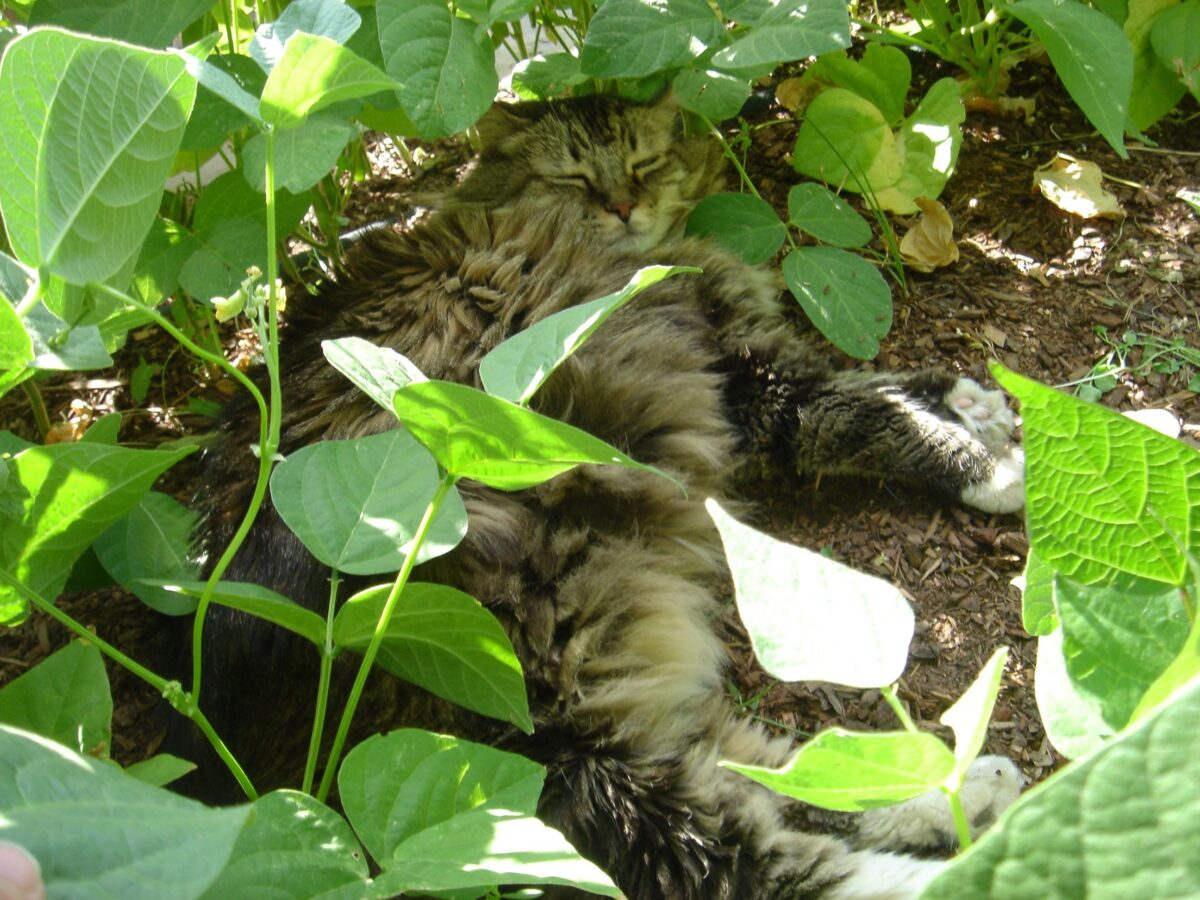
Photo by Meredith Seaver
Cats often see soft, freshly prepared soil as a litter box invitation, but as the growing season warms up, outdoor cats may simply rest in shaded garden areas.
Motion-activated sprinklers: Often cited by various extension services as one of the most effective humane deterrents, these devices use infrared sensors to detect movement and emit a quick burst of water. This creates a “startle factor” as a powerful training tool that teaches cats to avoid the area entirely. While this method may work for early winter, once the temperatures reach freezing, this method becomes very problematic with water freezing in your hoses and sprinkler.
Ultrasonic devices: These emit a high-pitched sound audible to cats but not to most humans. While results can vary depending on the specific cat, they offer a set-it-and-forget-it option that takes up almost no storage space.
Fence barriers: USU Extension’s Clell Bagley advises that if you are building a fence, consider what animals you want to exclude as you select fencing materials. If you already have a fence and want to deter cats from climbing it, place wide strips of double-faced tape or plastic along the top. Cats do not like the feel of these materials on their paws.
Safety first
If a cat has already used your vegetable garden, exercise caution. Cats can carry diseases. I recommend wearing gloves and washing hands thoroughly after gardening. If you are growing root crops or leafy greens that are eaten raw, it is best to avoid planting them in areas where heavy “litter box” activity has occurred to prevent the risk of toxoplasmosis or other soil-borne illnesses.
By combining these scent and texture-based tactics, you can protect your soft winter soil without needing to find a home for a bulky roll of wire.
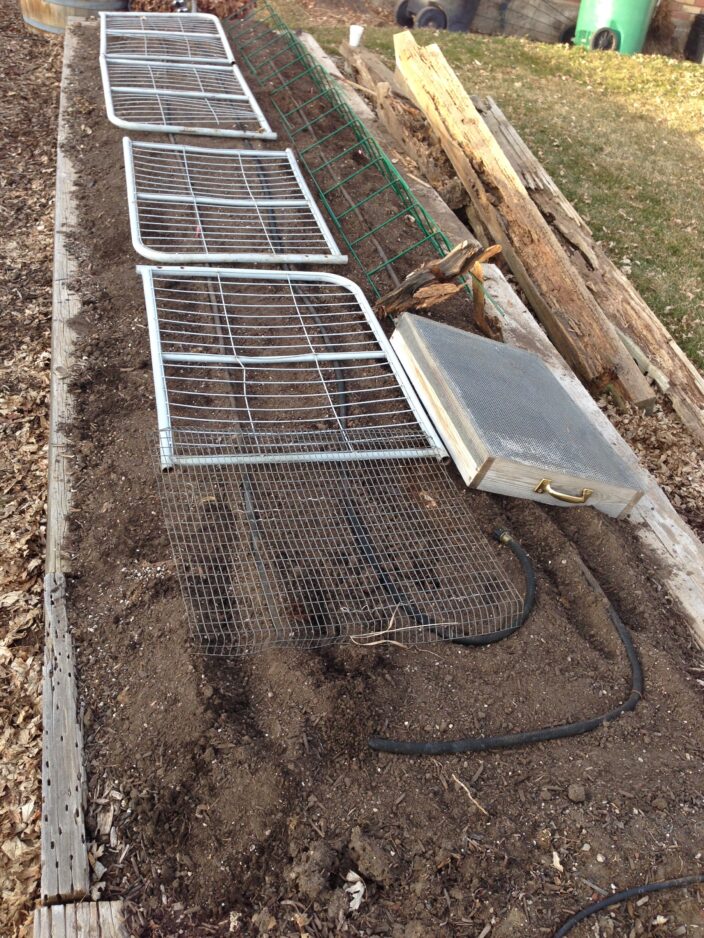
Photo by Meredith Seaver
You can prevent cats from digging and disturbing newly planted seeds by covering your plantings. You can improvise with anything that discourages digging and sitting while still allowing in light and air.
Cecelia Niederhauser is a Master Gardener candidate with USU Extension.