‘Wheelchairs in the Wild’ brings handicapped people to the outdoors
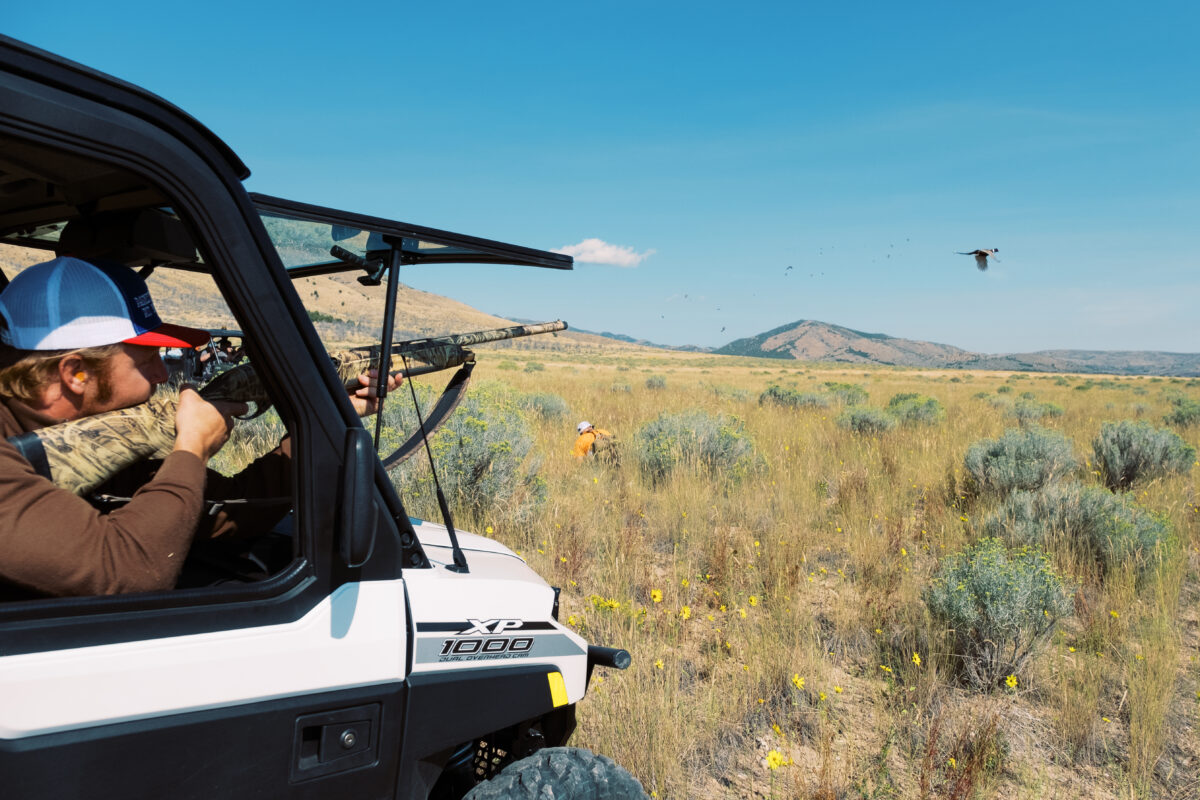
JR Vezain shoots and misses a pheasant, but Kevin Jones (not pictured) took the lucky shot that brought this pheasant down on Saturday, Sept. 7, 2019, in Eagle Mountain. (Michael Schnell, special to the Daily Herald).
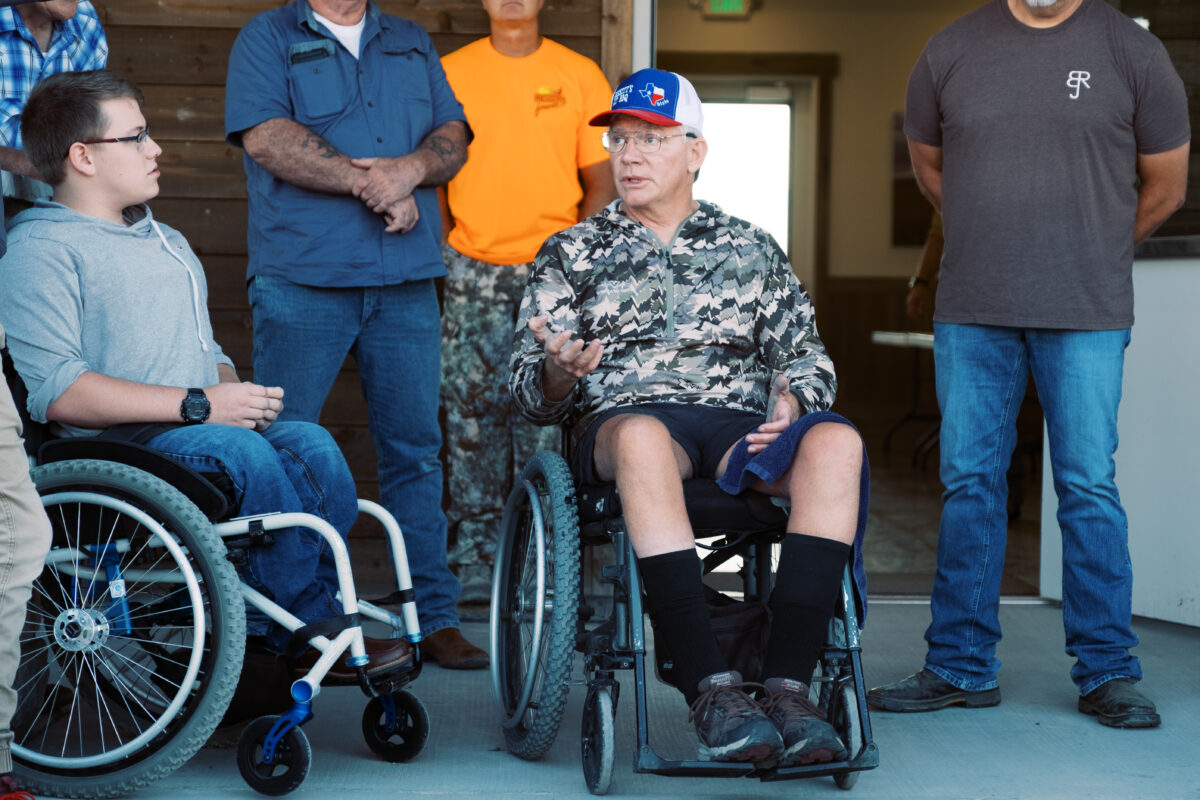
Clint Robinson addresses the crowd with some important safety information before the hunters load up and head out as part of a pheasant hunt organized for hunters confined to wheelchairs on Saturday, Sept. 7, 2019, in Eagle Mountain. (Michael Schnell, special to the Daily Herald).
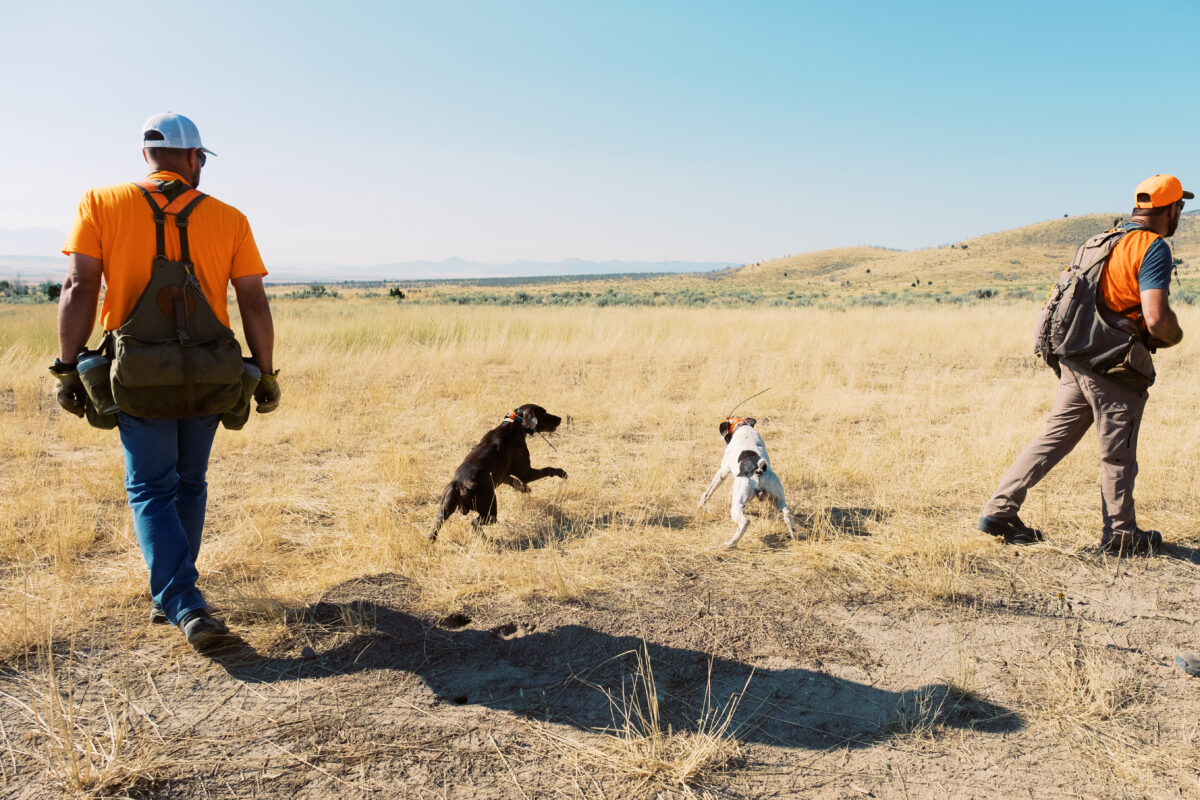
The trained dogs are set loose to find where the pheasants are hiding and to flush them out on Saturday, Sept. 7, 2019, in Eagle Mountain. (Michael Schnell, special to the Daily Herald).
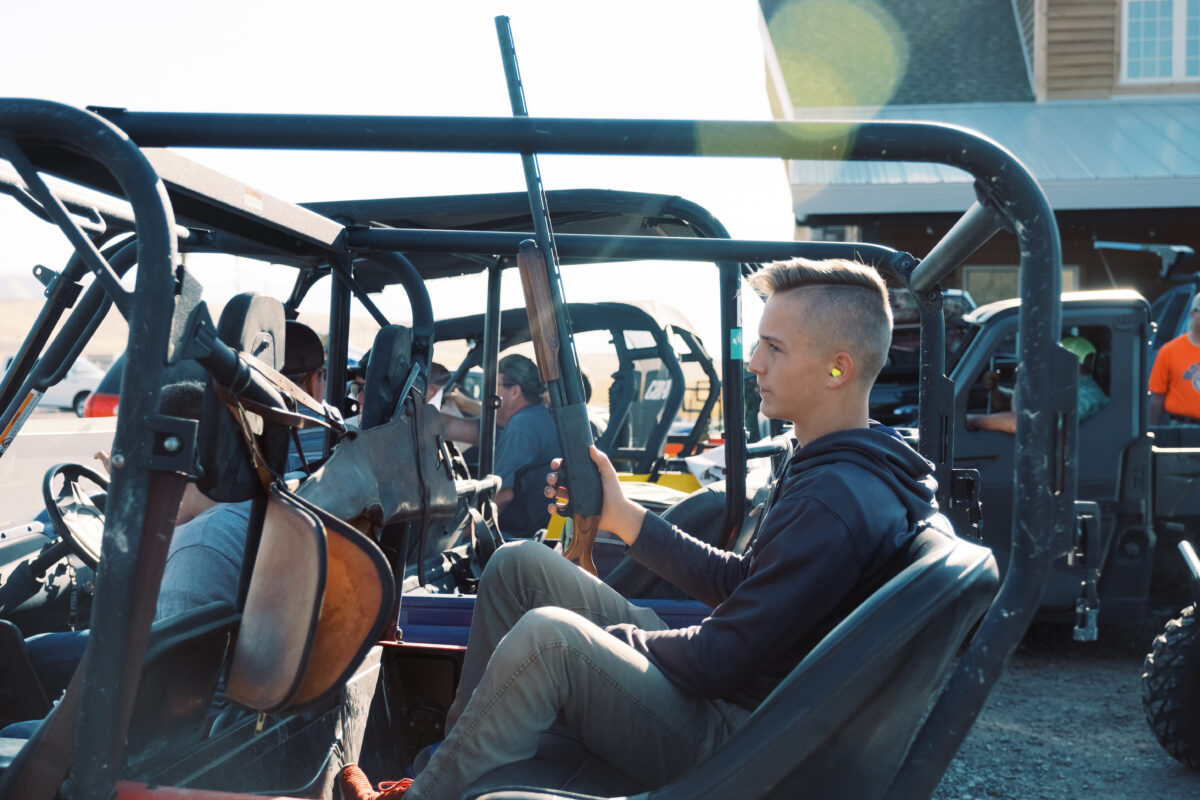
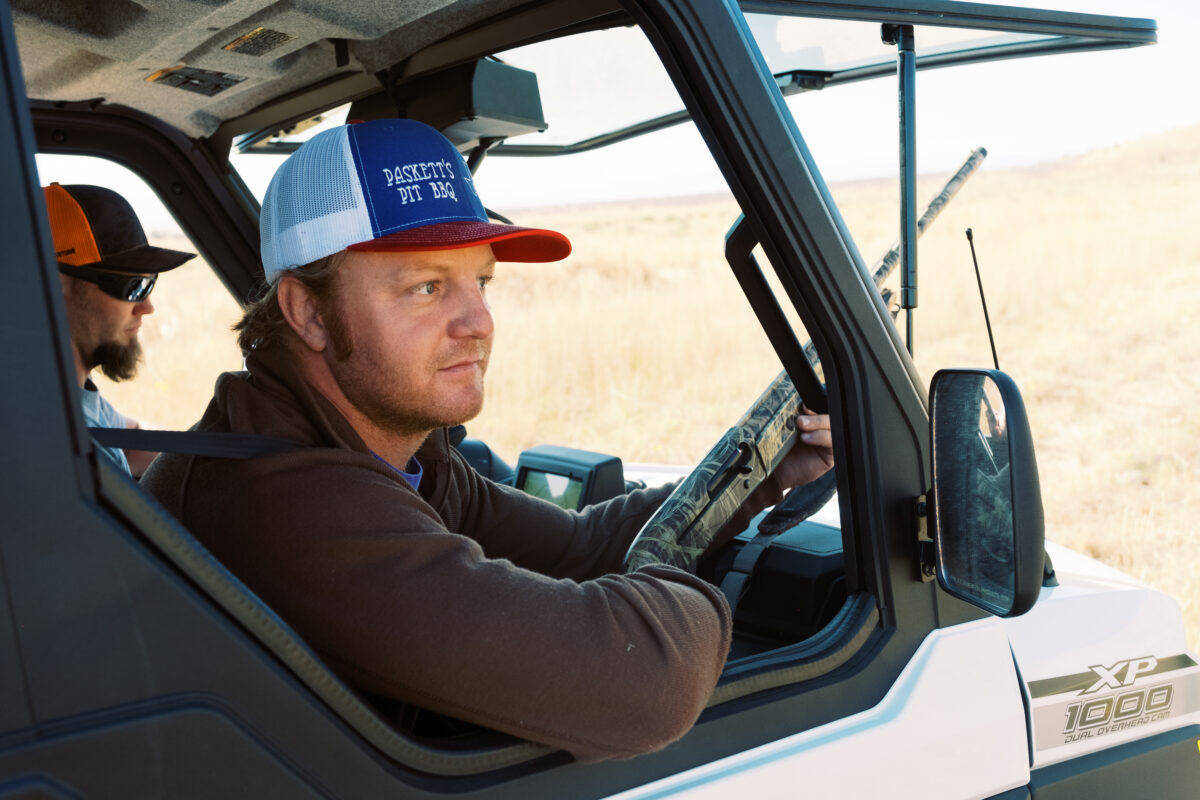
A hunter waits in the side by side with his gun up, an important bit of safety, on Saturday, Sept. 7, 2019, in Eagle Mountain. (Michael Schnell, special to the Daily Herald).
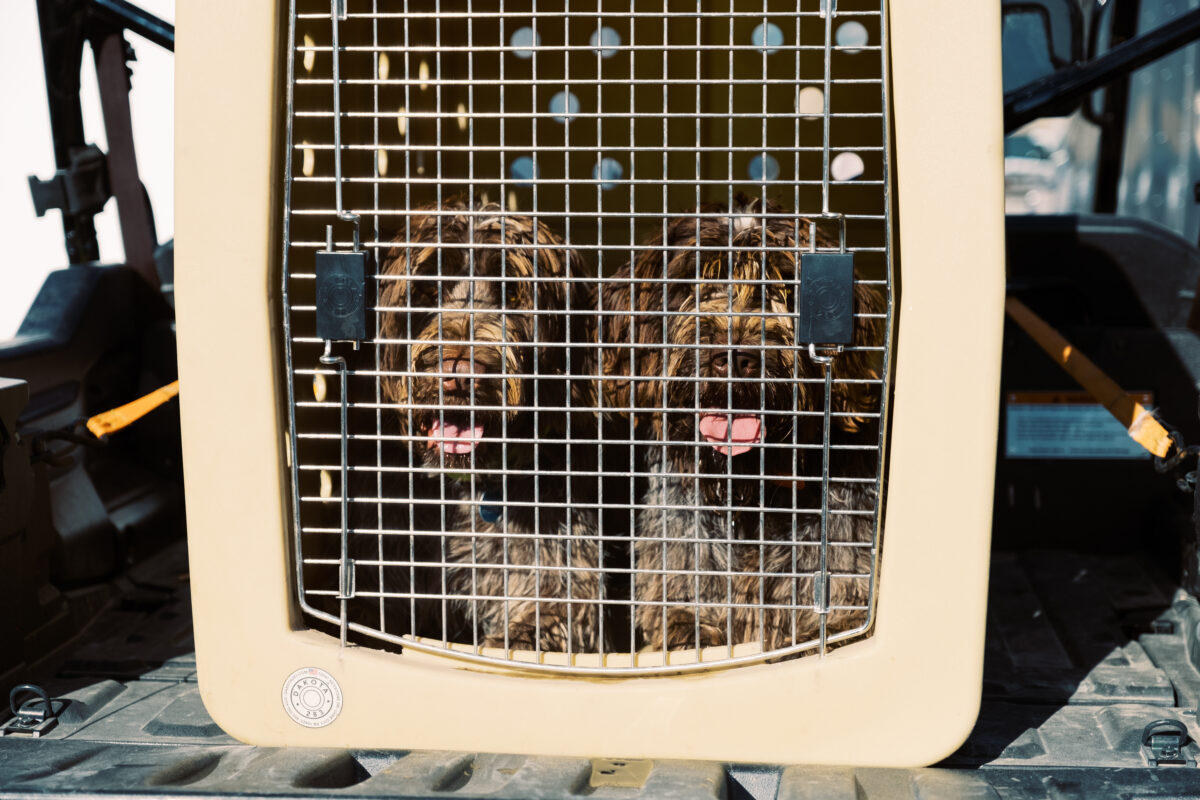
Trained dogs are used to find pheasants and retrieve them as part of the hunt on Saturday, Sept. 7, 2019, in Eagle Mountain. (Michael Schnell, special to the Daily Herald).
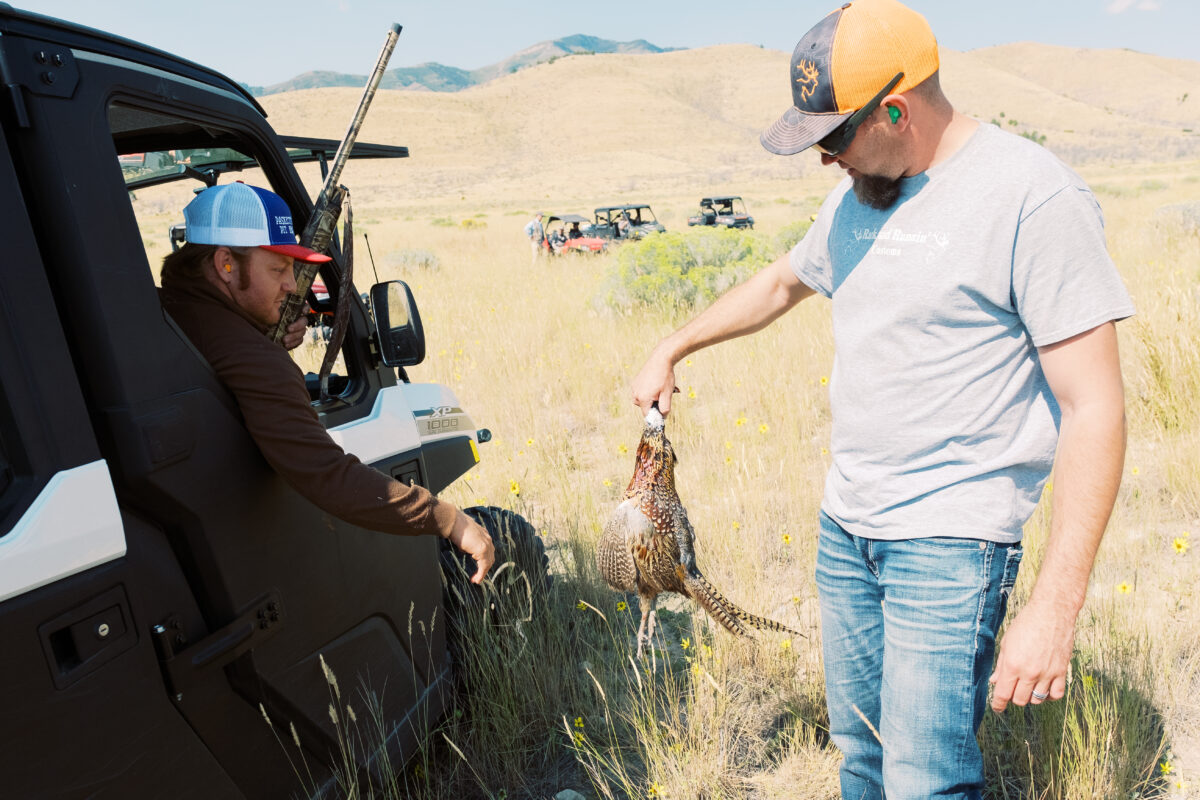
JR Vezain was successful later in the morning to bring this pheasant down on Saturday, Sept. 7, 2019, in Eagle Mountain. (Michael Schnell, special to the Daily Herald).
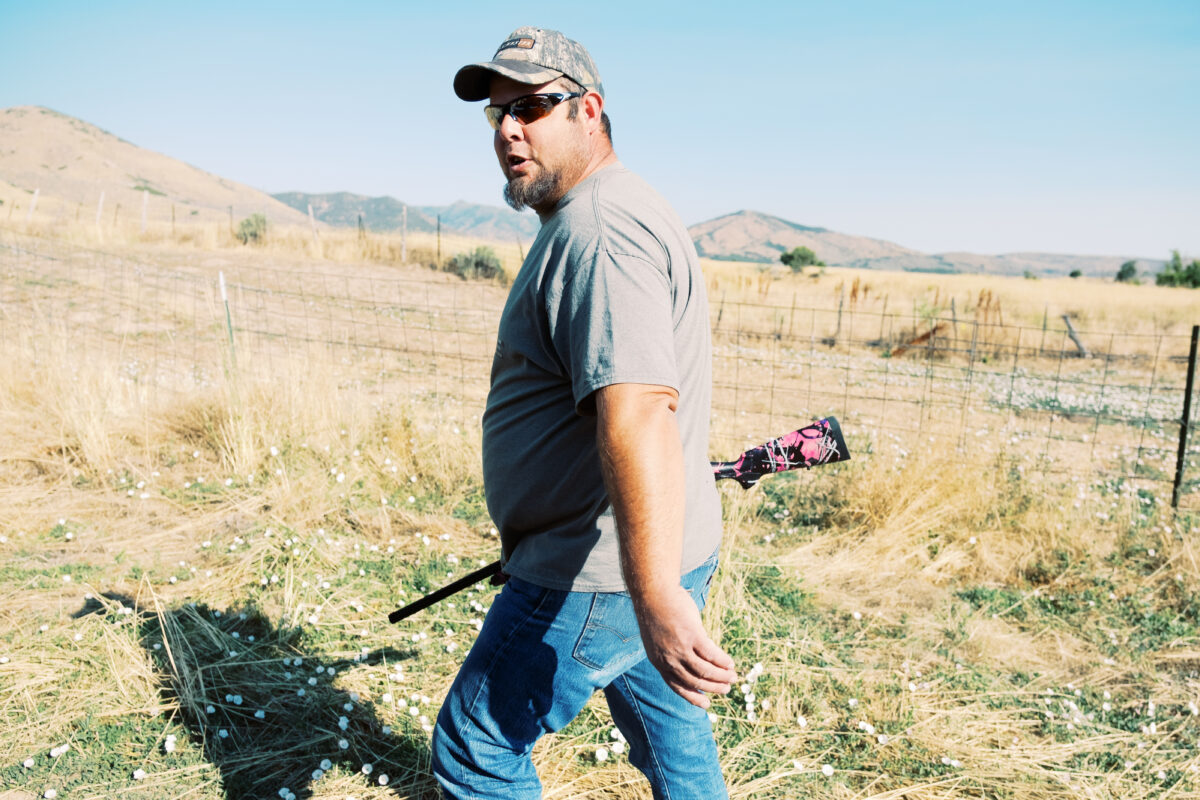
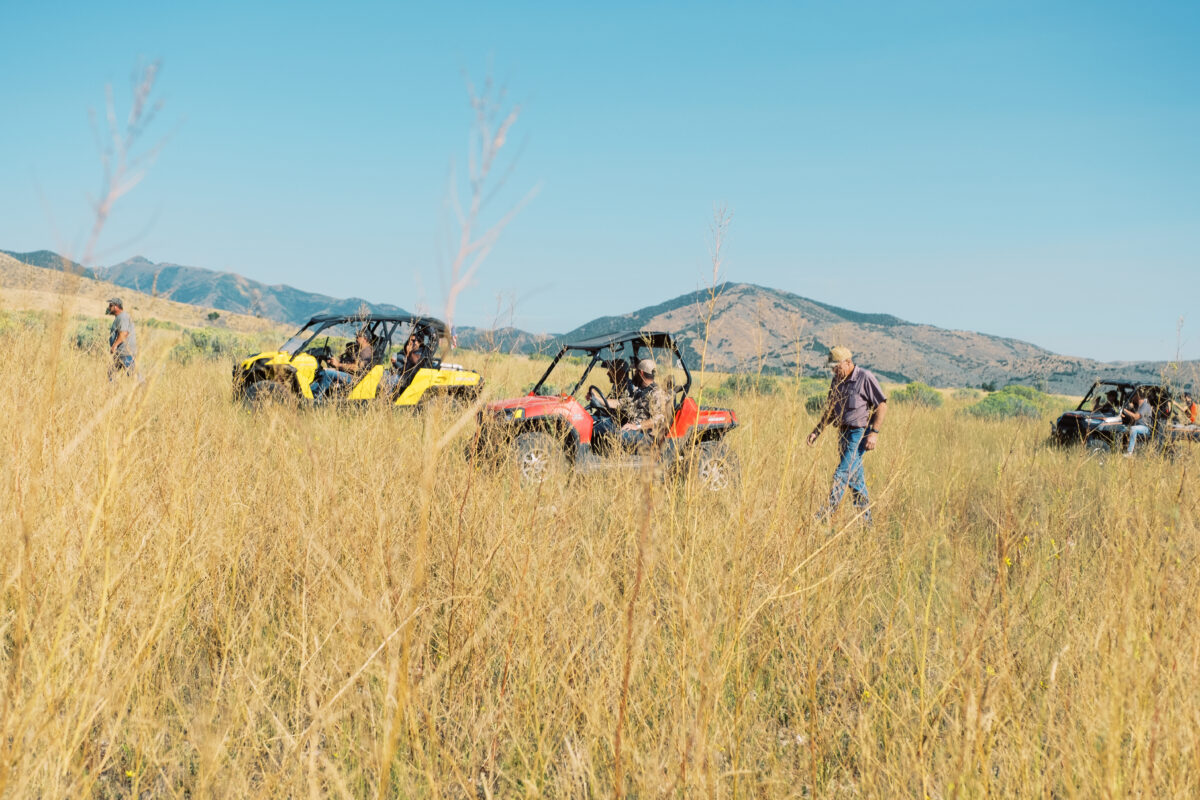
The father of one of the participants walks alongside the side by side and carries her shotgun on Saturday, Sept. 7, 2019, in Eagle Mountain. (Michael Schnell, special to the Daily Herald).
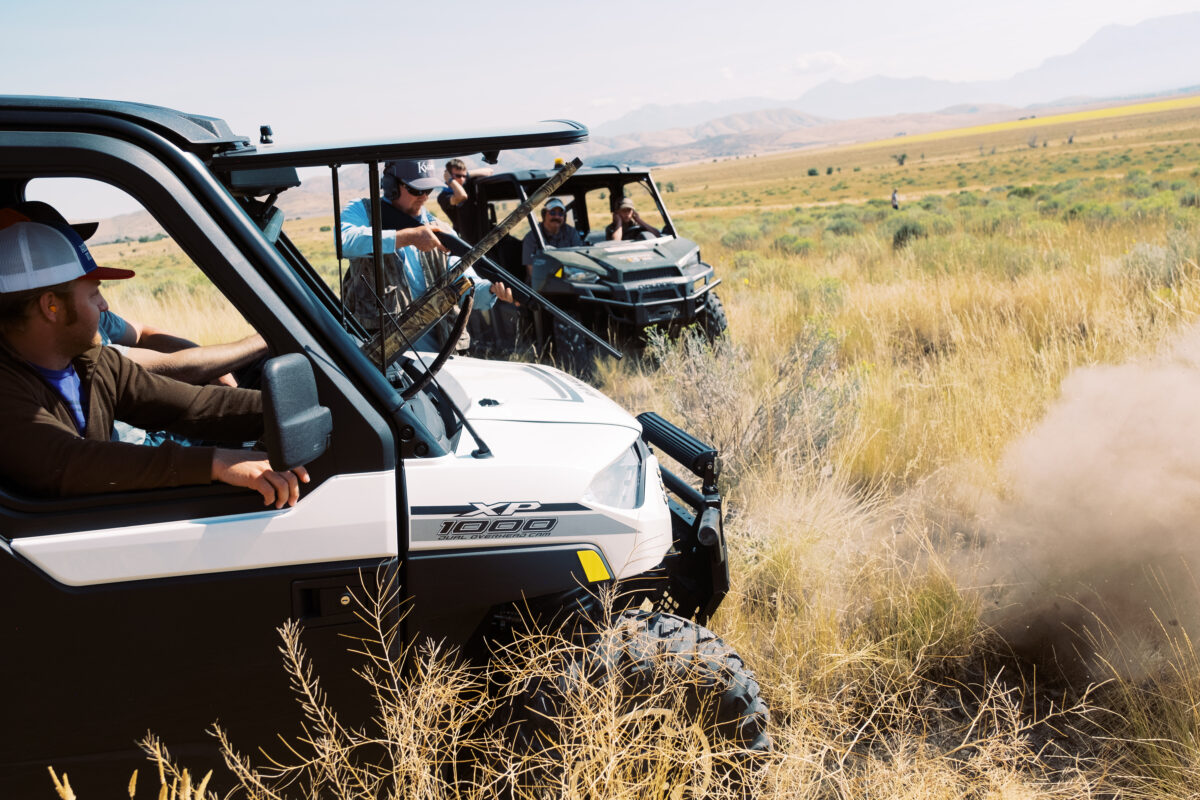
One of the group Wheelchairs in the Wild participate in a hunt on Saturday, Sept. 7, 2019, in Eagle Mountain. (Michael Schnell, special to the Daily Herald).
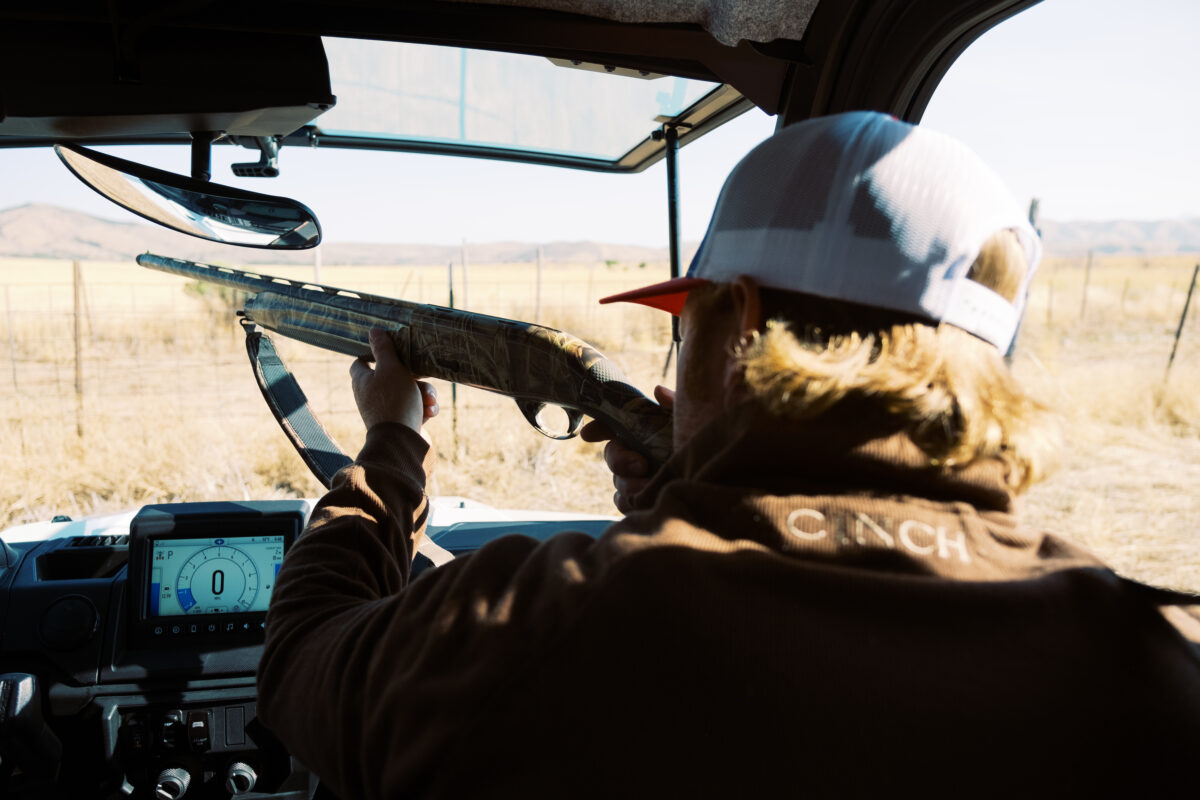
JR Vezain of Montana practices his motion for when he encounters a pheasant on Saturday, Sept. 7, 2019, in Eagle Mountain. (Michael Schnell, special to the Daily Herald).
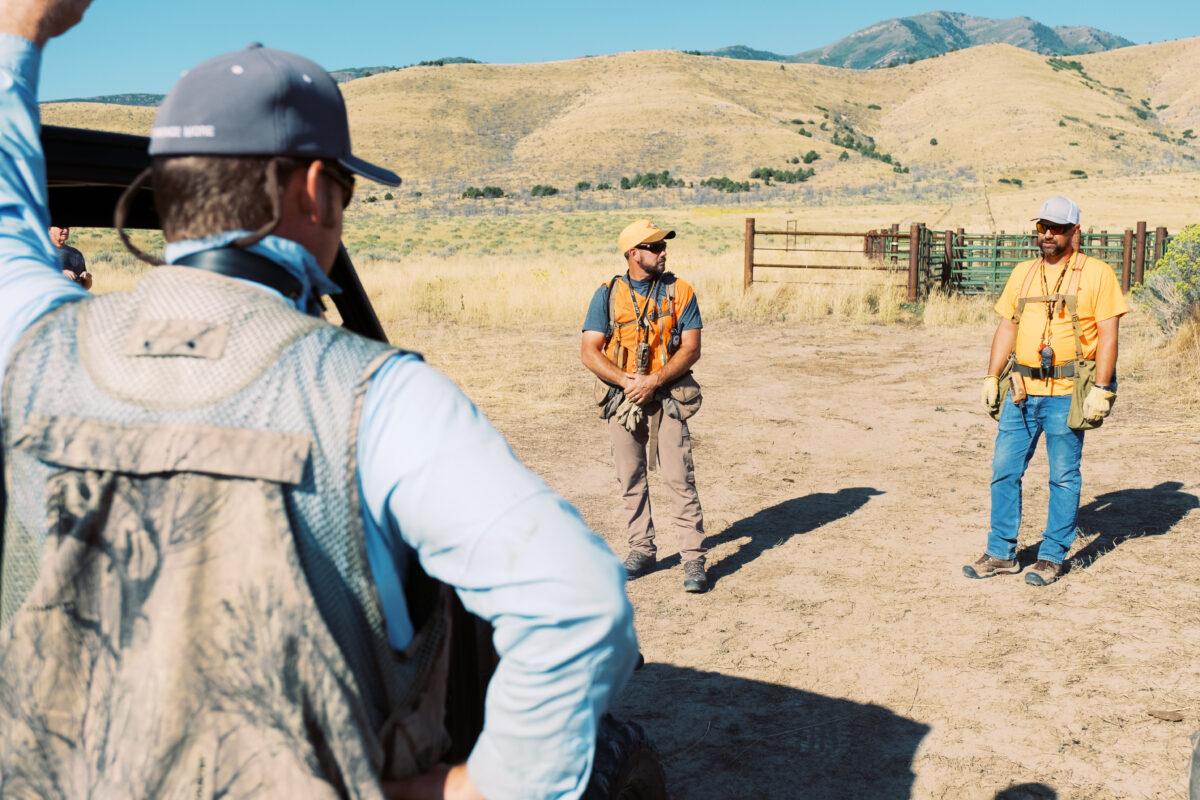
The dog trainers give a quick safety seminar on how to follow the dogs and keep them out of the line of fire on Saturday, Sept. 7, 2019, in Eagle Mountain. (Michael Schnell, special to the Daily Herald).
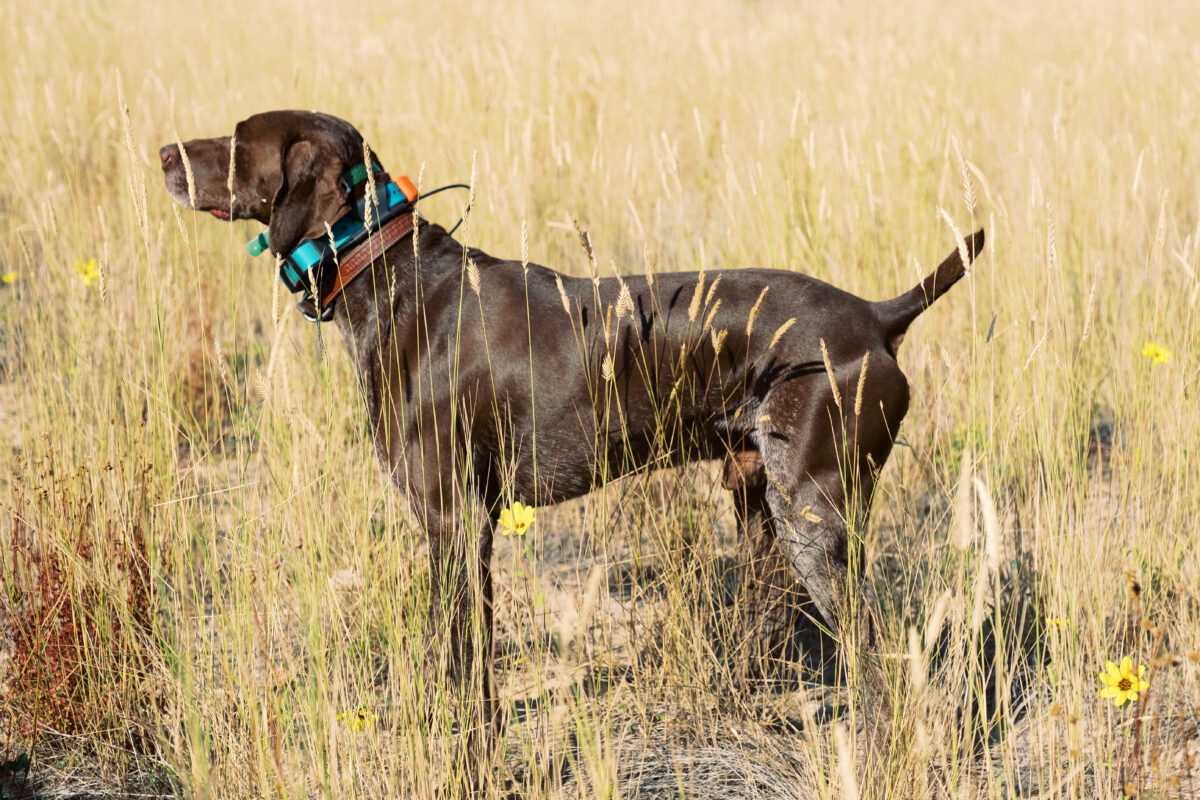
A trained dog points as he has found the trail of one of the pheasants in a field on Saturday, Sept. 7, 2019, in Eagle Mountain. (Michael Schnell, special to the Daily Herald).
JR Vezain keeps his eyes out for pheasants in the air on Saturday, Sept. 7, 2019, in Eagle Mountain. (Michael Schnell, special to the Daily Herald).
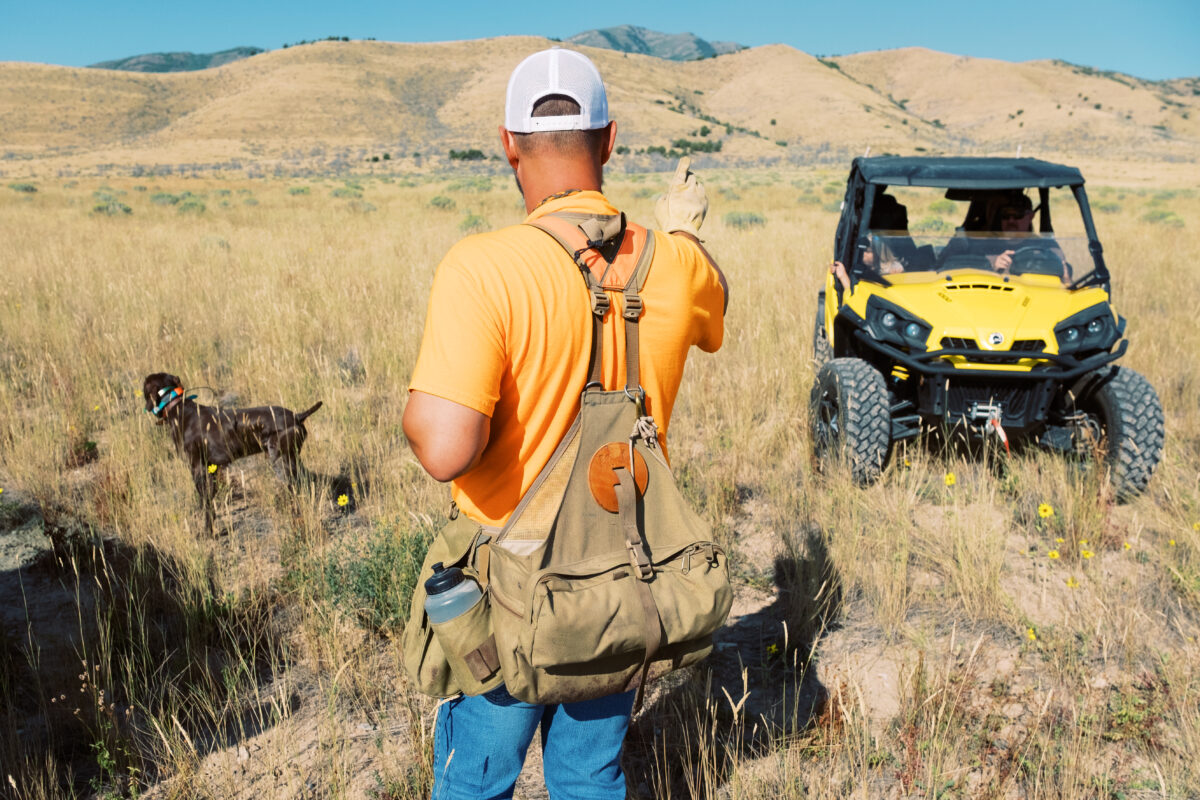
One of the dog trainers points one of his dogs towards an area to search on Saturday, Sept. 7, 2019, in Eagle Mountain. (Michael Schnell, special to the Daily Herald).
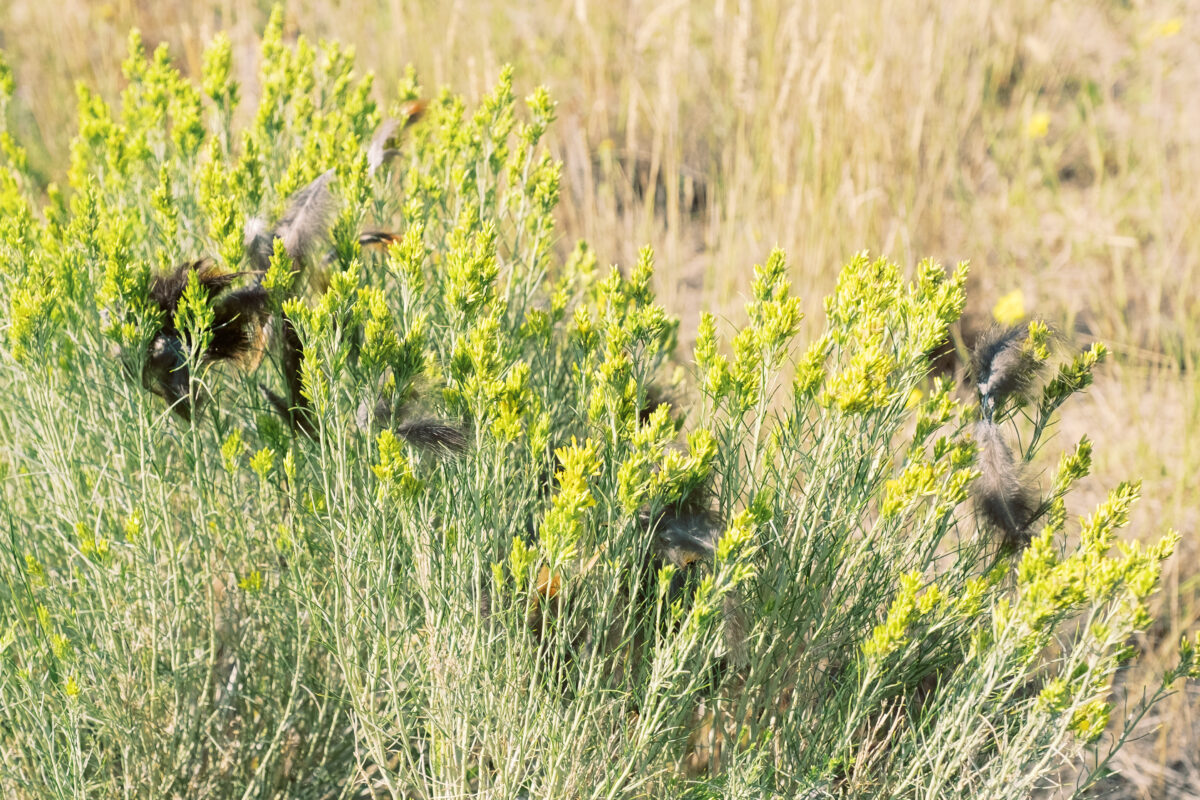
Pheasant feathers mark locations and hiding places the pheasants have passed through on Saturday, Sept. 7, 2019, in Eagle Mountain. (Michael Schnell, special to the Daily Herald).
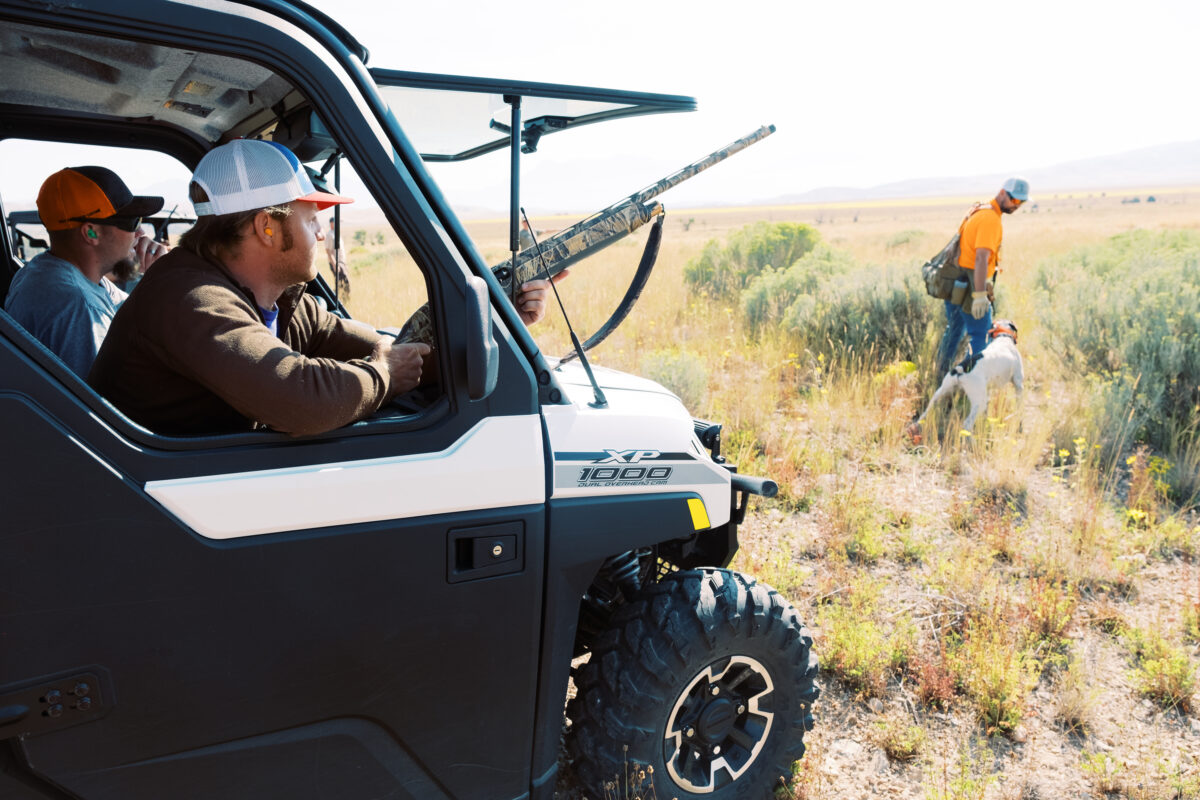
JR Vezain anxiously awaits an opportunity to shoot as one of the dogs indicates he is on the trail of a pheasant on Saturday, Sept. 7, 2019, in Eagle Mountain. (Michael Schnell, special to the Daily Herald).
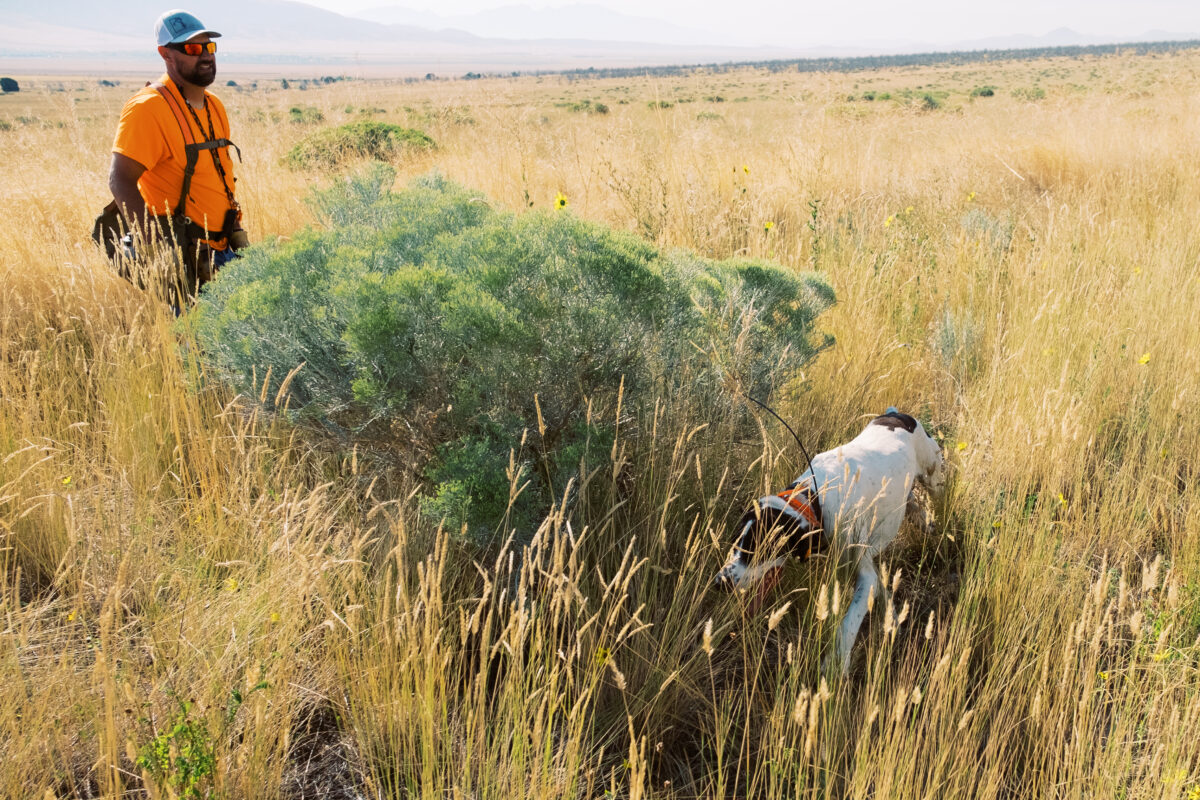
The dogs search carefully around these sage brush bushes as many pheasants were hiding out in bushes like this one on Saturday, Sept. 7, 2019, in Eagle Mountain. (Michael Schnell, special to the Daily Herald).
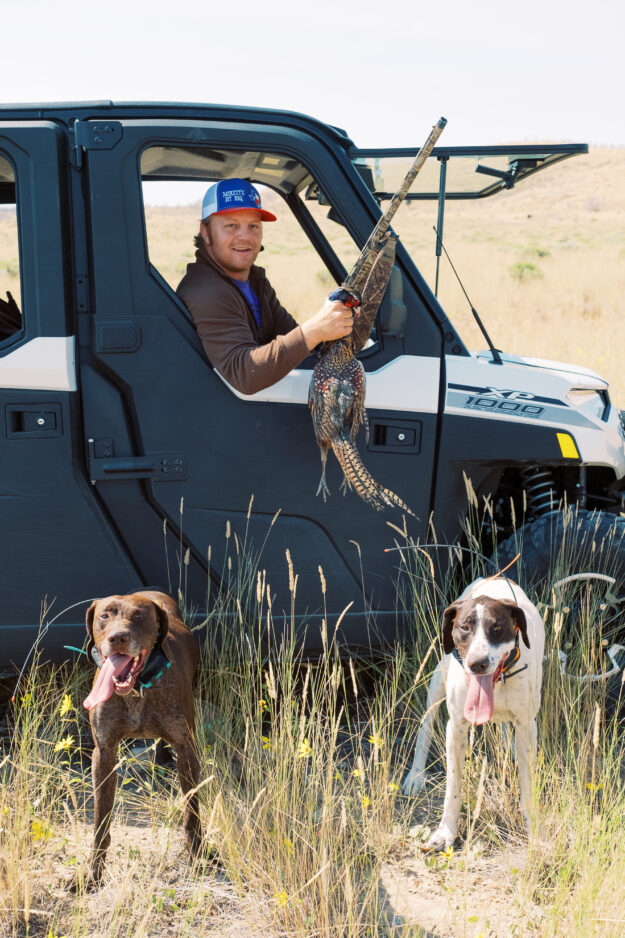
JR Vezain poses with his trophy and two of the trained dogs on Saturday, Sept. 7, 2019, in Eagle Mountain. (Michael Schnell, special to the Daily Herald).
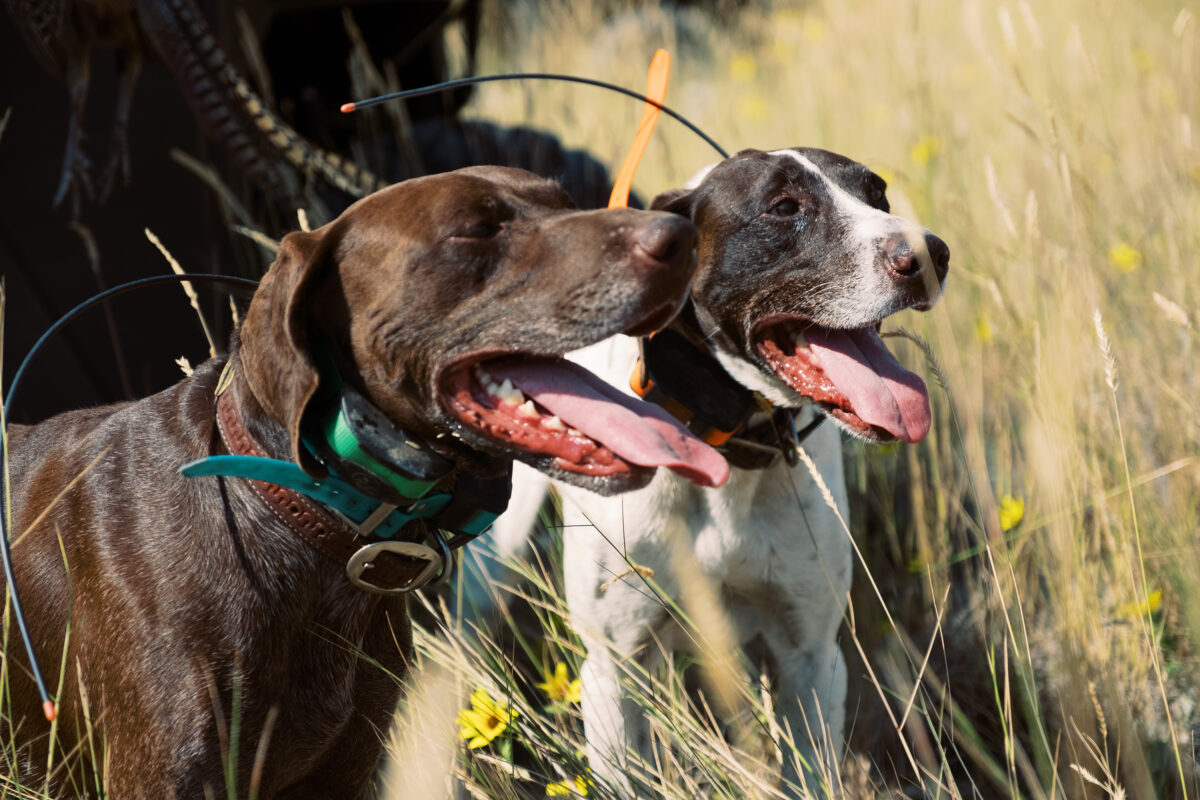
The dogs are an integral part of the hunt and are well watered and rewarded for their hard work on Saturday, Sept. 7, 2019, in Eagle Mountain. (Michael Schnell, special to the Daily Herald).
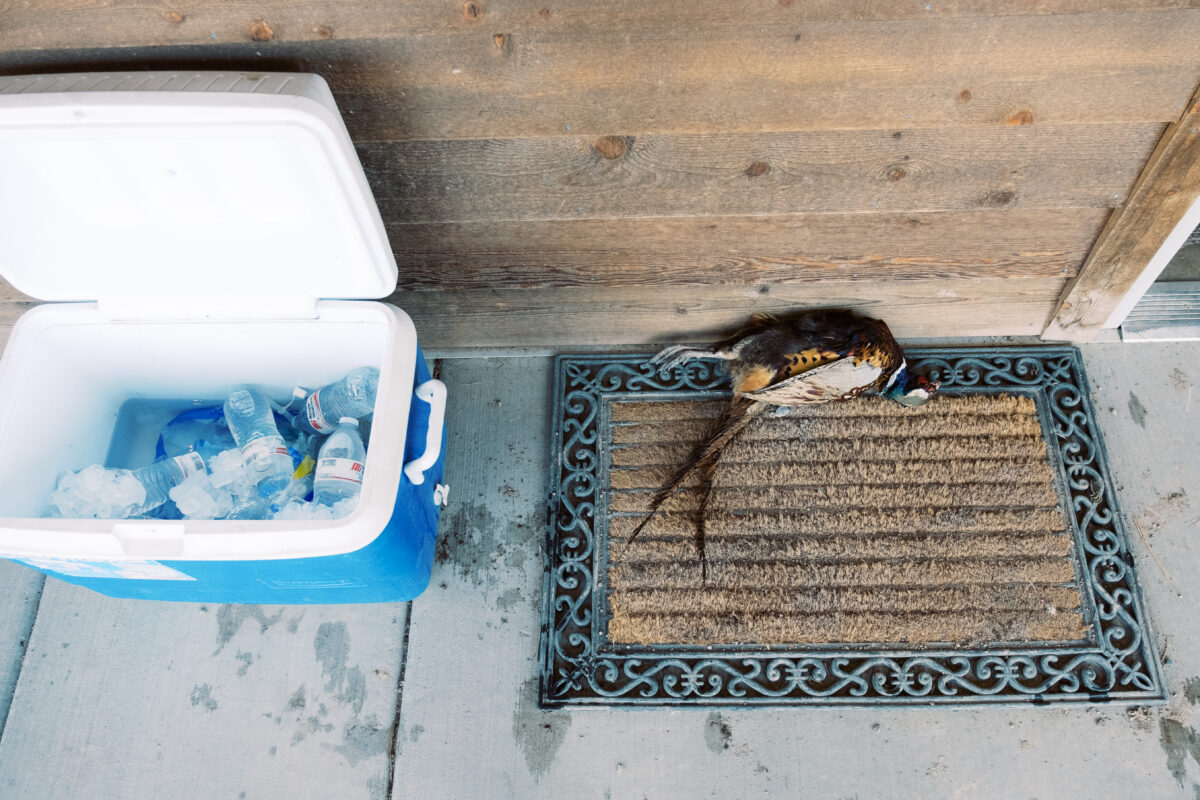
One of the trophies from the morning sits outside the lodge at Wasatch Wing and Clay on Saturday, Sept. 7, 2019, in Eagle Mountain. (Michael Schnell, special to the Daily Herald).
Many people go about doing good deeds in their families, neighborhoods, organizations and church congregations. “Utah Valley’s Everyday Heroes” celebrates these unsung community members and brings to light their quiet contributions.
Clint Robinson has been in a wheelchair for 32 years, after he was thrown off a horse at a rodeo and broke his neck. The first three months after his injury, Robinson said, were tough, even with the support of family, friends and the rodeo community.
“It’s a big learning curve from being able bodied … to being bedridden, and put in a wheelchair,” he said.
Over the past 32 years, Robinson has pushed for accessibility throughout the community — including in the wilderness. Despite being in a wheelchair, Robinson has never stopped being an outdoors person, which inspired him to continue to push for accessibility in outdoor recreation such as hunting, fishing and so on, to the point of creating a pheasant hunt geared towards people in wheelchairs, called “Wheelchairs in the Wild.”
“What we’re trying to do is get new injured, handicapped people back out into the field, trying to get them back out, enjoying the outdoors and wildlife that’s out there and show them that there’s other things that they can do besides sitting in the house doing nothing,” Robinson said.
Robinson organized the first-ever wheelchair-accessible pheasant hunt last year with the help Division of Wildlife Resources law enforcement officer Jerry Schlappi, who’s known Robinson for years. Schlappi said when Robinson first approached him with the idea, he thought it was great.
“Hunting in general is great, I think for families,” Schlappi said. “And when he (Robinson) said he was trying to put something together with some handicap participants, I (thought), ‘man, what better thing to do than that.'”
Like Robinson, Schlappi said the hunt isn’t just for new hunters, but it’s also geared towards people who used to hunt and stopped after suffering an injury and haven’t known how to get back to it and be involved.
The event partners with able -bodied hunters who help handicapped hunters with whatever they need. Last year, Robinson said 13 or 14 handicapped hunters came, ranging in age from a man in his 80s to a young woman of 12, as well as ranging in injuries from spinal injuries to lifelong conditions like spina bifida.
The youngest hunter last year and this year was Missy Cowley, who has spina bifida. Missy, who is now 13, has always loved the outdoors. Her father loved to hunt and wanted to take her but wasn’t sure how to accommodate her wheelchair. Then the Cowley family attended a hunting expo where they learned about a different organization that provided what are called “track chairs” to disabled hunters to help them over wild terrain.
Missy hunted turkey, ram and then pheasant at the Wheelchairs in the Wild event last year and loved it.
“The first time I went hunting, I was like, this is awesome. I can actually do it,” Missy said. “It was really fun. And I love being outdoors.”
Missy’s mom, Cindy Cowley, said it was amazing to learn that hunting was available for Missy.
“We always told her when she was little, you can do everything you want to do … but we just got to figure out a way,” Cowley said. “(But) we really did not know how we were going to get her up there to (hunt).”
Cowley described the different ways Missy has been able to hunt, which include hunting from a vehicle, such as a truck or a four wheeler, or using a track chair. Cowley said most of the organizations they’ve dealt with also allow handicapped hunters to hunt the week before and the week after typical seasons.
“(Handicapped people) need more opportunities to get out there just as much as anybody else,” she said.
Besides discovering a love for hunting and being able to pursue that passion, Missy — a spunky, outgoing teenager — said she’s loved meeting new people, especially people like her. As her mom, Cowley said she’s loved being able to see Missy do what she loves to do.
“When you have an organization like this … it’s not just an opportunity for her to hunt and do what everybody else does. But it also shows everybody else that’s able bodied, that they can do it too,” Cowley said. “Even though (they’re) in a wheelchair doesn’t mean that (they) can’t do those things that everybody else does.”
Cowley also emphasized the importance of showing people who become wheelchair bound later in life that it isn’t the end of everything.
“When people have an accident or something happens to them … they think that they can’t do (things) anymore,” Cowley said. “Then you have an organization like this, that’s like, no, you can still do it, you can do it different, but you can still do what you love.”
Schlappi said Robinson is a perfect role model when it comes to showing newly injured people that although their lives may be different, they don’t have to give up the things they loved before they were in a wheelchair.
“He’s never let his disability or whatever slow him down,” Schlappi said. “I think his whole thing is just giving people an opportunity and showing them that they can still do it.”
Robinson said he’s seen a lot of progress when it comes to accessibility in recreation over the past 30 years, and he’s hopeful for the future of accessibility, but he took the time to express his gratitude for various sponsors of the event.
“We’ve got a lot of great people helping us out this year,” he said. “I’d just like to thank everybody.”
Sponsors of this years event included the DWR, Sportsmen for Fish and Wildlife, as well as Paskett’s Pit BBQ, which catered lunch to Saturday’s Wheelchairs in the Wild event.
“I just love organizations like this for people like me,” Missy said. “If you have a disability … it’s OK to be different. Everybody is different … you can do things different, just never give up.”