Electric or plug-in hybrid? After living with both, here’s what we learned
-
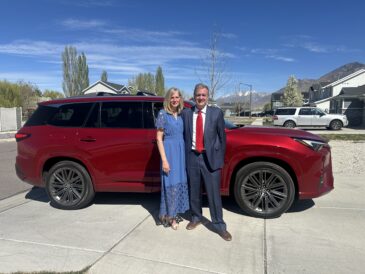
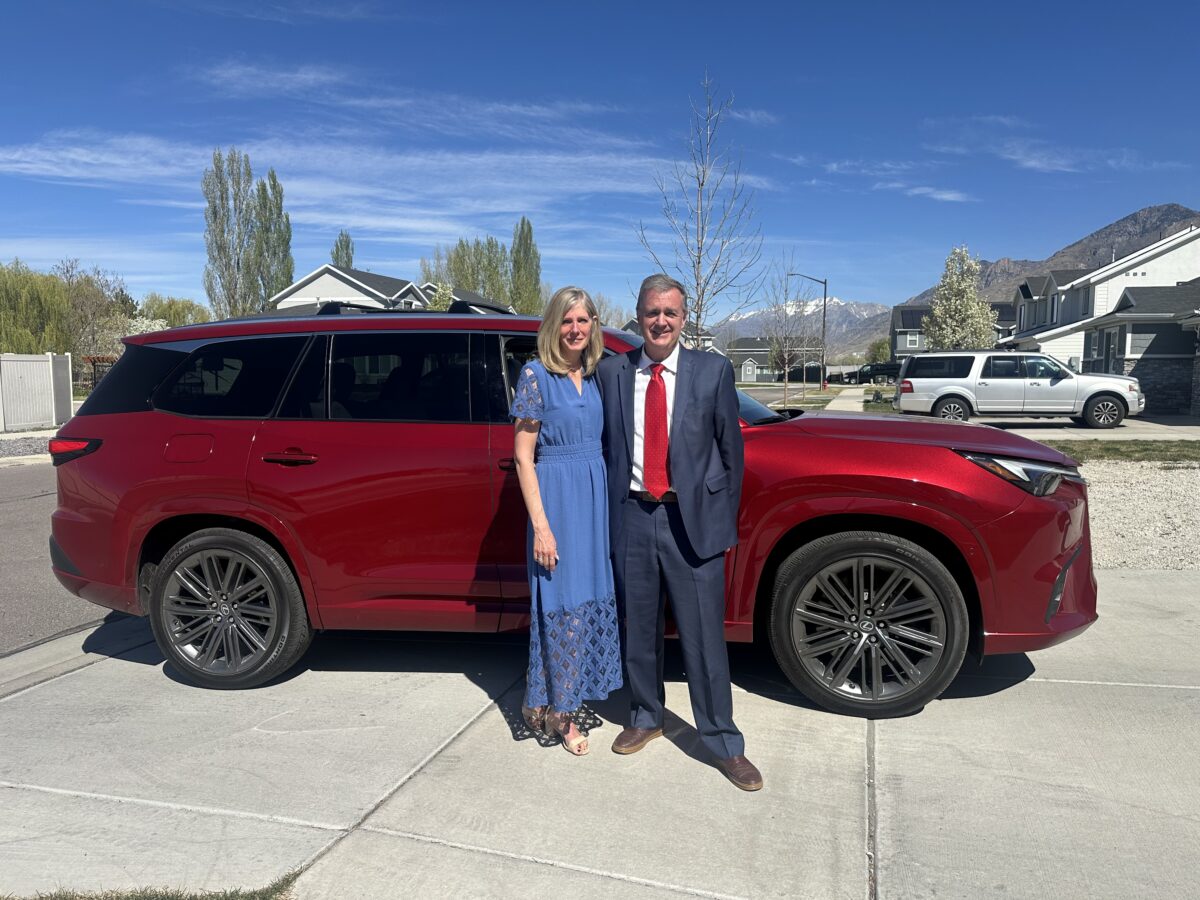
- Writers Deanne and Craig Conover with the 2026 Lexus TX 550h+. The Matador Red finish and bold presence of the three-row SUV made it a standout during a week of testing across Utah Valley.
-
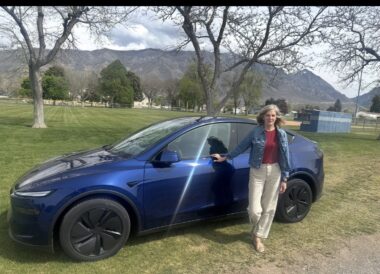
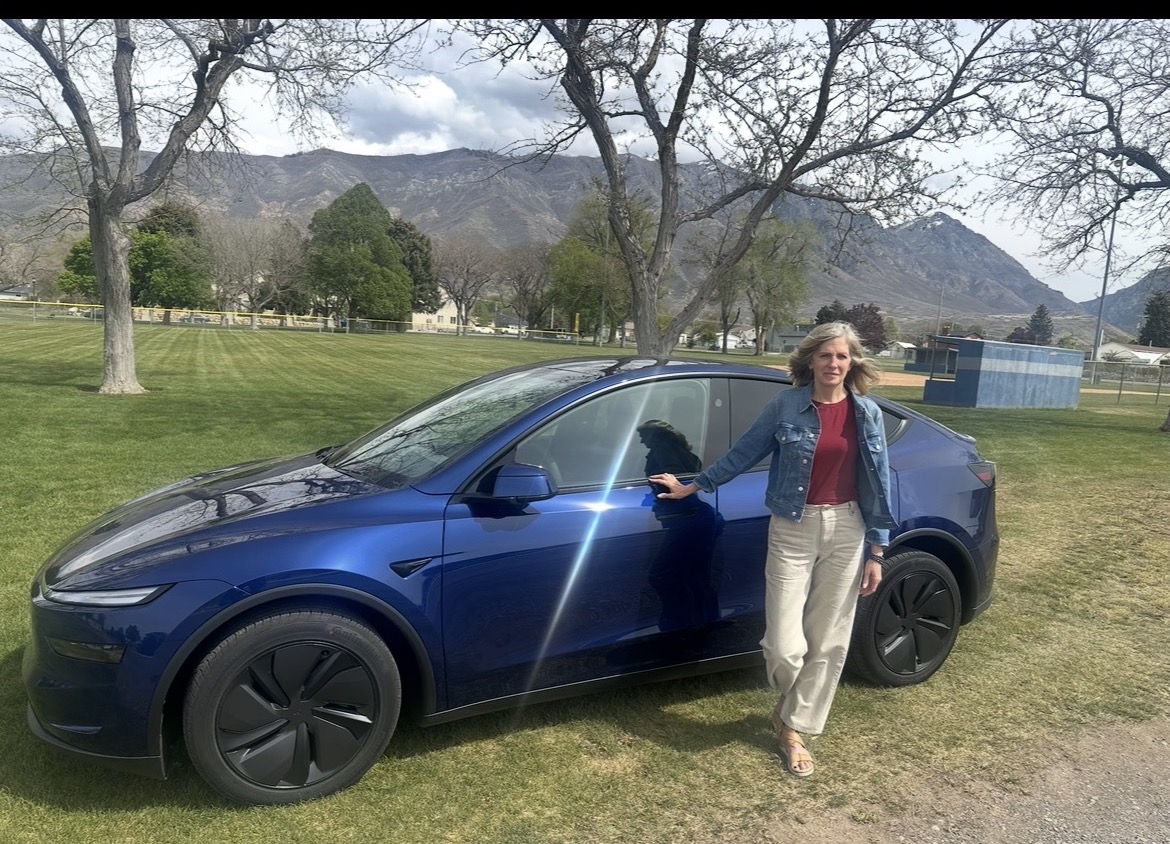
- Deanne Conover gets acquainted with the 2026 Tesla Model Y in Deep Blue Metallic. The weekend test drive offered a firsthand look at how Tesla’s minimalist design and cutting-edge technology are redefining the daily commute.
-
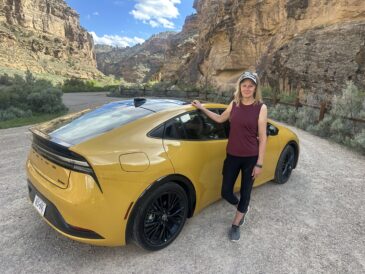
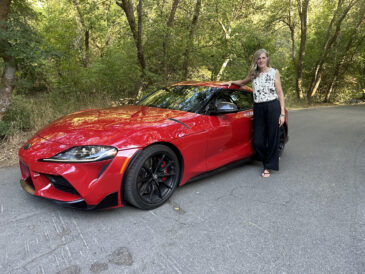
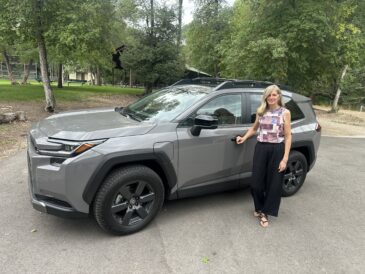
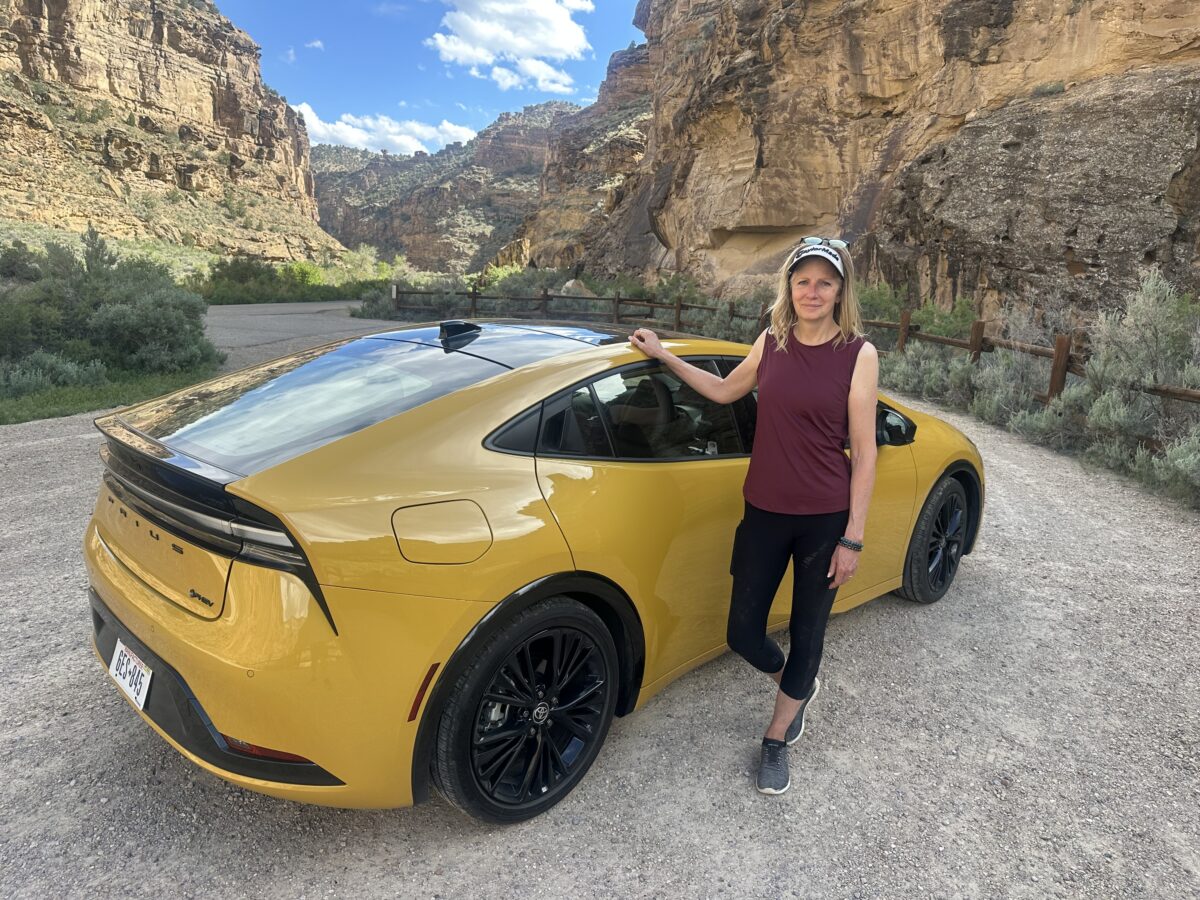
- Deanne Conover stands with the 2026 Toyota Prius Plug-in Hybrid Nightshade Edition amidst the towering rock walls of Indian Canyon. The bold, eye-catching Karashi Yellow paint finish perfectly contrasted with the rugged eastern Utah landscape during our Saturday road trip.
-
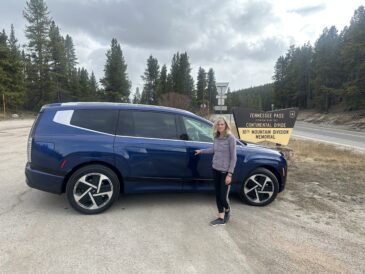
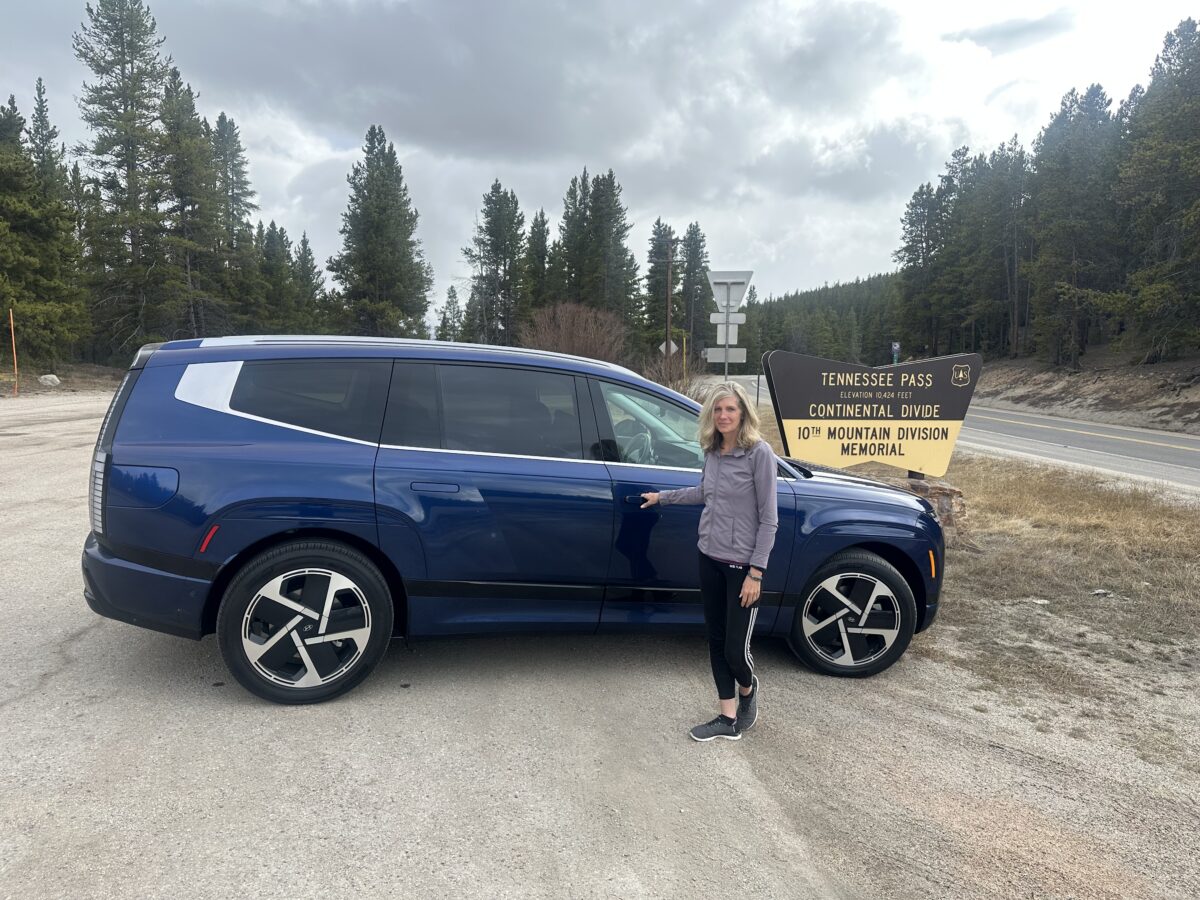
- Reaching the Continental Divide at Tennessee Pass, elevation 10,424 feet, we had to snap a photo for just being there. The Ioniq 9 handled the steep mountain grades with ease, using its instant electric torque for the climb and its regenerative braking to recoup energy on the long descent toward the Western Slope.
Craig Conover, Daily Herald
Writers Deanne and Craig Conover with the 2026 Lexus TX 550h+. The Matador Red finish and bold presence of the three-row SUV made it a standout during a week of testing across Utah Valley.
There may not be a more common question we hear these days than, “Should I buy an electric vehicle or a plug-in hybrid?”
It’s a fair question. With more manufacturers introducing electric vehicles every year, buyers have more choices than ever before. At the same time, plug-in hybrids continue to evolve, offering an appealing middle ground between traditional gasoline vehicles and fully electric transportation.
Over the past several months, we’ve had the opportunity to spend extended time with four outstanding examples of today’s electrified vehicles: the all-electric 2026 Hyundai Ioniq 9 Calligraphy and 2026 Tesla Model Y, along with the plug-in hybrid 2026 Lexus TX 550h+ and Toyota Prius Plug-in Hybrid Nightshade Edition.
After living with each one during our normal routines — commuting to work, running errands, attending grandchildren’s sporting events, traveling across Utah, and even driving through the Colorado Rockies — we’ve reached one conclusion.
There isn’t a wrong choice anymore.
Craig Conover, Daily Herald
Deanne Conover gets acquainted with the 2026 Tesla Model Y in Deep Blue Metallic. The weekend test drive offered a firsthand look at how Tesla’s minimalist design and cutting-edge technology are redefining the daily commute.
Instead, the right choice depends entirely on how you drive.
One thing became immediately obvious regardless of which vehicle we were driving. Electric power changes the driving experience.
Whether it was the Tesla Model Y, the Hyundai Ioniq 9, the Lexus TX or the Toyota Prius, every one of these vehicles could operate silently under electric power. There is something relaxing about gliding away from a stoplight with virtually no sound, no vibration and immediate acceleration. Once you’ve experienced it for a few days, it quickly becomes the new normal.
That instant torque is something gasoline engines simply can’t duplicate. Whether merging onto Interstate 15 or climbing mountain grades, electric motors respond instantly with smooth, effortless acceleration.
The biggest difference between these vehicles wasn’t how they drove — it was how they handled longer trips.
Craig Conover, Daily Herald
Deanne Conover stands with the 2026 Toyota Prius Plug-in Hybrid Nightshade Edition amidst the towering rock walls of Indian Canyon. The bold, eye-catching Karashi Yellow paint finish perfectly contrasted with the rugged eastern Utah landscape during our Saturday road trip.
During our week with the Hyundai Ioniq 9, we put that question to the test in dramatic fashion. After picking it up near Denver, we attended the Denver Auto Show before heading south to Colorado Springs. From there, we crossed the Rocky Mountains, traveled through Buena Vista and Tennessee Pass, spent the night in Parachute and eventually made our way back home to Springville.
It wasn’t just a road trip — it was a real-world test of what owning a fully electric SUV is like.
What impressed us most was just how much easier long-distance EV travel has become. Hyundai’s access to the Tesla Supercharger network transformed the experience. Instead of worrying about finding compatible chargers, we had numerous charging options available throughout the trip. Most fast-charging sessions lasted about 25 to 30 minutes — just enough time to stretch our legs, grab something to eat or simply enjoy the scenery.
Of course, the trip also reminded us that Mother Nature still has a vote.
Strong crosswinds between Grand Junction and Green River dramatically reduced our projected driving range. Instead of comfortably reaching Price, we made an additional charging stop in Green River before continuing home.
Craig Conover, Daily Herald
Reaching the Continental Divide at Tennessee Pass, elevation 10,424 feet, we had to snap a photo for just being there. The Ioniq 9 handled the steep mountain grades with ease, using its instant electric torque for the climb and its regenerative braking to recoup energy on the long descent toward the Western Slope.
Mountain driving, elevation changes, weather, and even wind still affect electric vehicles more than gasoline-powered vehicles. They aren’t deal breakers, but they do require drivers to pay attention and plan ahead.
The Tesla Model Y reinforced many of those same impressions.
Beyond its impressive acceleration and minimalist interior, Tesla’s biggest advantage continues to be its charging infrastructure. The Supercharger network removes much of the uncertainty that once surrounded EV ownership. Planning longer drives has become much easier than it was only a few years ago.
The Model Y also gave us a glimpse into the future with its Full Self-Driving capability. Watching the vehicle navigate city streets, merge onto highways and negotiate intersections was fascinating. While the technology still requires an attentive driver and occasional intervention, it demonstrated just how quickly automotive technology continues to evolve.
By the end of our weekend, what initially felt unusual had become surprisingly familiar.
Yet as much as we enjoyed both fully electric vehicles, our experiences with the Lexus TX 550h+ and Toyota Prius Plug-in Hybrid highlighted why plug-in hybrids continue to make so much sense for many drivers.
The biggest advantage is flexibility.
Both vehicles allowed us to complete the majority of our daily driving entirely on electricity.
Each evening, we plugged them in at home. Each morning, they greeted us with enough electric range to handle commuting, errands, grocery shopping and everyday driving. The Prius consistently provided around 41 miles of electric range, while the larger Lexus TX delivered approximately 43 miles.
For many households, that’s enough to complete an entire day’s driving without using any gasoline at all.
The Prius especially surprised us.
Charging every night resulted in fuel economy readings above 99.9 mpg during much of the week, while using less than one-quarter tank of gasoline after several days of normal driving. Then, when we decided to head through Indian Canyon and beyond Price for a Saturday drive, the gasoline engine quietly joined the electric motor without requiring any planning or charging stops.
It simply adapted.
The Lexus TX demonstrated the same concept on a larger scale.
Despite being a spacious three-row luxury SUV, it averaged 46 mpg during our week while transporting family members, making trips to North Salt Lake, attending our grandson Jensen’s baseball game and handling all the responsibilities expected of a family vehicle.
Perhaps its greatest accomplishment was how normal it felt.
Aside from plugging it in each evening, we never had to change our routine. When the battery was depleted, the gasoline engine seamlessly took over. There was never any concern about charging stations, changing travel plans or wondering whether we’d reach our destination.
That peace of mind will appeal to many buyers.
After experiencing both technologies back-to-back, we found ourselves appreciating different strengths in each.
Fully electric vehicles deliver the quietest ride, the quickest acceleration and eliminate gasoline completely. Home charging is incredibly convenient, and for daily commuting, they may be the easiest vehicles we’ve ever lived with. Maintenance requirements are generally lower, and the growing charging infrastructure continues to make ownership more practical every year.
However, EV ownership still asks drivers to think differently on longer trips. Charging stops require additional time, weather can influence range, and planning ahead remains part of the experience.
Plug-in hybrids ask far less of the driver.
When charged regularly, they operate much like electric vehicles for everyday driving. Yet when it’s time to take a spontaneous road trip or drive across rural Utah where charging stations may be less common, they simply continue on gasoline without requiring a second thought.
For many families, that combination may represent the best of both worlds.
So, which would we recommend?
If your driving primarily consists of commuting, errands, school drop-offs and local travel — and you have access to home charging — a fully electric vehicle may be one of the most satisfying purchases you can make. Both the Hyundai Ioniq 9 and Tesla Model Y proved that modern EVs are capable, comfortable and increasingly practical.
On the other hand, if your schedule includes frequent road trips, unpredictable travel or destinations where charging infrastructure remains limited, a plug-in hybrid like the Lexus TX or Toyota Prius may fit your lifestyle even better. You’ll still enjoy electric driving most of the time while retaining the freedom to travel wherever you choose without worrying about the next charging station.
Perhaps the biggest lesson we learned after spending time with all four vehicles is that electrified transportation is no longer about compromise.
Whether you choose a fully electric vehicle or a plug-in hybrid, today’s technology has matured into something remarkably practical. Each offers meaningful fuel savings, a quieter driving experience, impressive performance and reduced emissions compared to traditional gasoline-powered vehicles.
The real question isn’t whether one technology is better than the other.
The real question is which one fits the way you live.
Fortunately for today’s car buyers, that’s a wonderful choice to have.