
RMU: Giving women help and hope for distressing hormonal changes
Courtesy Rocky Mountain University of Health Professions
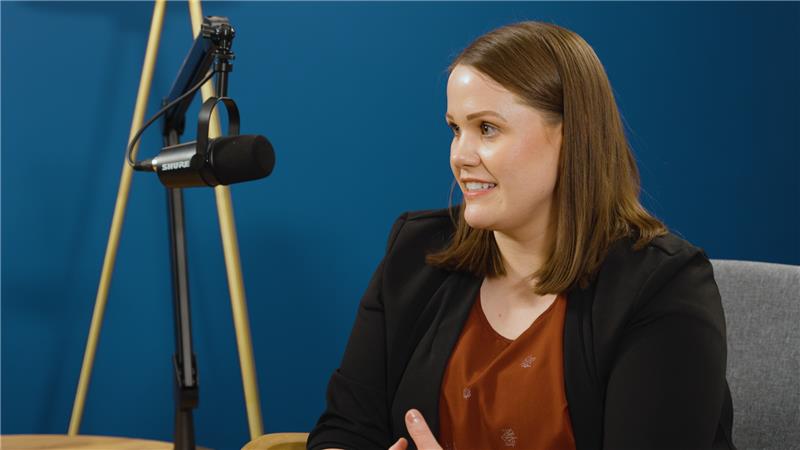
Dr. Allyce JonesWhen the Food and Drug Administration (FDA) announced the removal of warning labels from hormone-based menopause drugs this fall, Dr. Allyce Jones was among the many healthcare experts to celebrate the action.
The more options to help women, the better, is how she sees it.
“One of the newest updates is the FDA is taking off the black box warning for hormone therapy in perimenopausal and postmenopausal women,” Dr. Jones said during an interview on the “Pulse” podcast with Rocky Mountain University of Health Professions (RMU). “That is a very exciting update.”
In November, U.S. officials approved removing boxed warnings from more than 20 pills, patches and creams that contain hormones, including estrogen and progesterone, the Associated Press reported.
“We know that these hormones are important and helpful for a lot of people for heart health, for brain health and for bone health, so we’re hoping that a lot of women can be helped by having the black boxes removed,” said Dr. Jones, who is RMU’s Psychiatric Mental Health Nurse Practitioner program director. “We’re not necessarily replacing the hormones, just stabilizing them.”
Considering this warning update, Dr. Jones recommends that women who are in or about to enter perimenopausal and menopausal stages consult with their primary care physicians, gynecologists or healthcare providers for guidance in exploring hormonal therapy options for disruptive symptoms.
“And if they’re not helpful — there is a big gap in knowledge amongst healthcare providers about caring for women in perimenopause — you can hop onto menopause.org and find a provider who has specialized training in caring for women who are perimenopausal or menopausal,” Dr. Jones said.
“It’s true that lots of women get minimized. (Some think) ‘everyone goes through hot flashes,’ but some people are very impacted — it impacts their daily life — and there’s effective treatments that you can use that are helpful,” she said.
Dr. Jones cited a statistic about how 6,000 women enter menopause every day, so these related hormonal issues are or will affect a large portion of the population. This is another reason why she supports getting rid of the related black-box warnings and offering more solutions.
“Unfortunately,” she said, “we don’t have a lot of research because people don’t care about women.”
That is something she’s working hard to change.
As a psychiatric nurse practitioner, a certified menopause provider and a college nursing program director, Dr. Jones is devoted to both educating future clinicians and providing healthcare to women dealing with myriad of hormone-related issues — from puberty to pregnancy and well beyond.
She is an advocate of continuing the conversation about how hormones can affect women’s mental health throughout all stages of life.
Dr. Jones, who specializes in the holistic care of women during reproductive changes in her private practice, is a proponent of promising and productive treatment methods, including new medical advancements, that can help with mental health challenges during pregnancies, postpartum depression and other issues caused by hormonal imbalances.
The side effects can impact everything from sleep to cognition function and mood.
“Mental health changes associated with reproductive changes or shifts are treatable. It’s not just part of being a woman,” Dr. Jones said. “If your symptoms are interfering with your daily life, then there are things that we can do to help you.”
It’s important for women to be aware of how hormones impact serotonin and dopamine levels, potentially impacting levels of anxiety and depression. She noted that a woman’s health can also be affected if/when they stop taking birth control, causing changes in monthly cycles and hormonal shifts.
To stay on top of ever-changing hormonal issues throughout one’s life, Dr. Jones recommends that women remain aware of changes to their bodies; talk to other women who’ve experienced similar symptoms; consult regularly with healthcare providers; take advantage of psychotherapy and approved pharmaceutical treatments; increase activity levels; and eat healthier.
She suggests using available resources from reputable organizations like Postpartum Support International, the Menopause Society and the International Association for Premenstrual Disorders.
Perimenopause, which she describes as being “kind of like reverse puberty,” is a topic that Dr. Jones believes should be in more conversations.
“If you think about changes that happened in puberty, all of those body systems are changing,” she said. “It’s the end of reproduction, your estrogen levels are going down, your progesterone levels are going down, and your cycles also become very unpredictable.”
Those unpredictable hormone shifts leave women susceptible for symptoms like brain fog, insomnia and mood challenges. This can be especially difficult for women in the “sandwich generation,” which includes middle-aged women who might be taking care of children and elderly parents while also holding leadership roles at work, navigating empty nesting issues and/or dealing with financial and health concerns.
“I think doctors and healthcare providers just need to make sure that they’re up to date on the latest information that we have about treating people in pregnancy, treating people in postpartum, with premenstrual dysphoric disorder (PMDD) and perimenopause,” she said. “It’s not something that’s always covered in training. Often people do have to go out of their way to find this information.”
“For family members, friends, and women themselves,” she added, “I think it’s important just being aware of the changes — there are lots of great resources and books — and also knowing that in some ways it’s a positive, especially menopause.”
One of the most important things that can happen is for people — from family members to healthcare providers — to listen to the women in their lives. That’s what she preaches and practices.
“I think a lot of the change is just listening to people, listening to their symptoms, knowing that something that I’ve had before is actually quite common, and that there’s a treatment option can be very helpful,” Dr. Jones said. “Lots of people will say, ‘I’ve always thought I was crazy or no one has ever asked me these questions or no one has ever listened or no one has ever said they think they can help with these things.’
“And they are very distressing and debilitating things. So just giving women hope and giving them resources and treatment can be very helpful.”
Jody Genessy is the senior content writer for Rocky Mountain University of Health Professions.