
EveryDay Strong: Using physical and emotional needs to fight Seasonal Affective Disorder
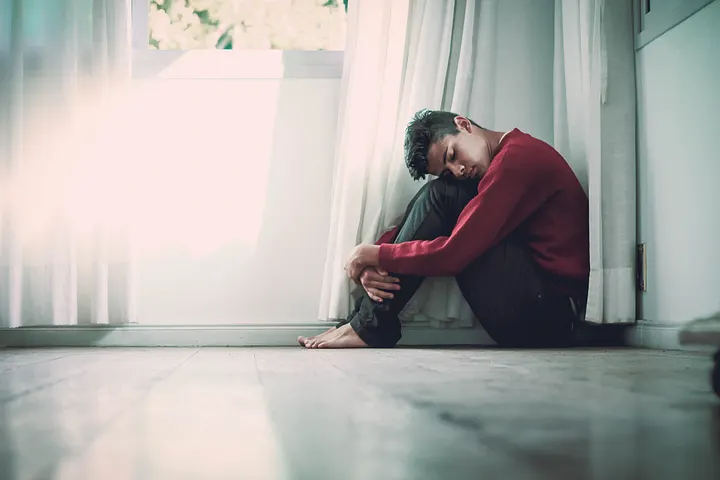
Courtesy United Way of Utah County
Depression can be aggravated in children and teens by the cold and dark of winter, but there are ways to help.Courtesy United Way of Utah County
Depression can be aggravated in children and teens by the cold and dark of winter, but there are ways to help.
It’s possible that you, your spouse, your roommate or your child are feeling a little under the weather. We don’t mean that they’ve caught a cold or the flu.
Rather, they might be feeling unusually sad or irritable, even when there’s no obvious reason, or they’re very self-critical – maybe they’ve lost interest in things that used to be enjoyable or they’re exhibiting (or complaining about) low energy levels. Perhaps they have been experiencing a drastic change in weight and eating habits, or they’re sleeping a lot more or a lot less. They could also be engaging in self-harming behaviors or talking about feelings of hopelessness, worthlessness or numbness. Maybe they’ve even confided in you about suicidal thoughts or attempts.
These are the symptoms of clinical depression, but they can often be aggravated or experienced anew during the time of year when it gets colder and darker outside. This is called Seasonal Affective Disorder (SAD).
We always encourage you or your child to visit a doctor, especially if these symptoms persist over the course of two weeks. A doctor can help with things like adjusting medication, choosing a new medication or prescribing light therapy (specialized lamps that mimic sunlight).
However, sometimes these kinds of moods come and go through the season. Either way, there are simple things you can do for the child or teen in your life to care for their physical needs and their need to feel safe.
Regarding SAD, Dr. Heather Bernstein at the Child Mind Institute said, “The more we can pull our access to sunlight into balance, the more beneficial that’s going to be. Regular physical activity and a balanced diet have also been found to be beneficial.”
The key here isn’t to berate your child or teenager if they’re sleeping the day away. Rather, it’s to consider how you, as the caring adult, can make it easy for them to keep a schedule, get outside or eat well.
Can you give your teen a budget to buy fun, warm winter clothing to make it less painful to be outside in the cold? Do they have a favorite meal that you can make for them regularly so they’re getting enough nutrients?
What does your child like doing that might inspire them to get out of bed at a consistent time? Even if it’s video games, that might be an improvement from lying in bed on their phone because at least they’re up. Can you do this activity with them?
A feeling of emotional safety and security is one of the most important things we can provide to someone who’s having a hard time. The same things that help someone feel safe year-round will help them if they are experiencing Seasonal Affective Disorder.
We’ve written extensively about what creates safety, and you can always download a free Resilience Handbook for more tips on safety from our website at everydaystrong.org.
However, when it comes to SAD specifically, we can help someone feel safe to open up to us about what they’re experiencing. For example, if your child is more irritable or self-critical or experiencing any of the other SAD symptoms, we have a few choices of how to respond.
We could tell them to complain less and be more grateful, we can express our own irritation back or we could be impatient that they’re sleeping so much or avoiding family time. All of these reactions are very invalidating and unempathetic. SAD is a real condition, and the child or teenager may not even understand why they’re suddenly feeling so negative or lifeless.
On the other hand, we can choose to help a child feel safe with us by validating their emotions. If we notice that they’re unusually listless or avoidant, we might take the time to sit down and ask them a few gentle questions about what’s going on and really listen to the answer.
We might share how the dark and cold sometimes affect us, too. We might require less of a child who struggles during the winter knowing that when spring rolls around, they’ll be back to their usual self.