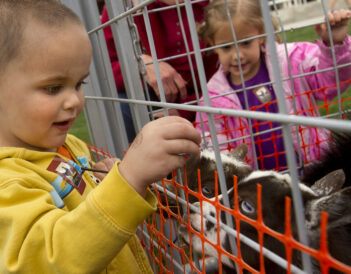
For writer Bob Raczka, a poem is often as playful as a puzzle
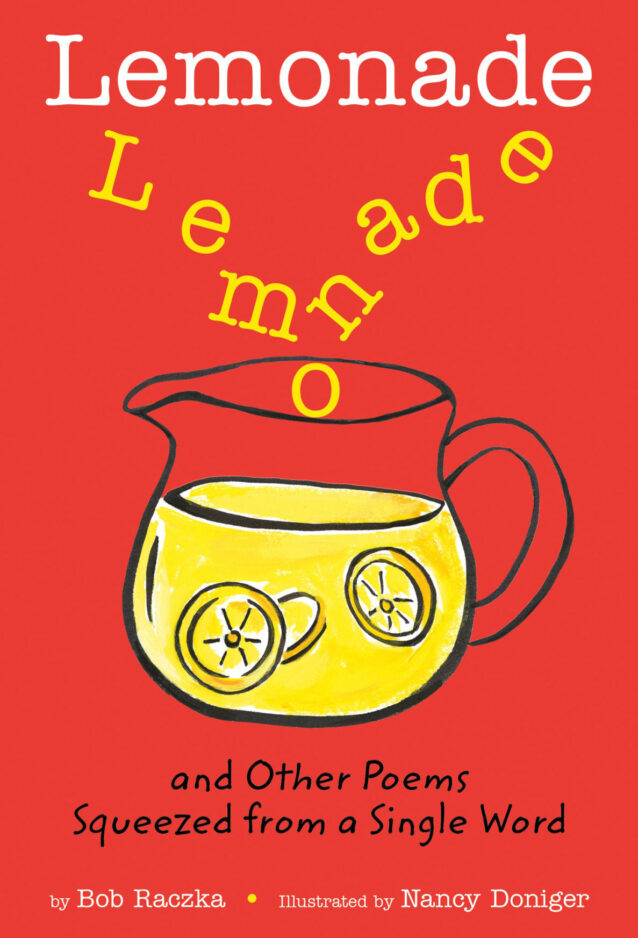
Bob Raczka's books of poetry include "Lemonade." MUST CREDIT: Roaring Book Press
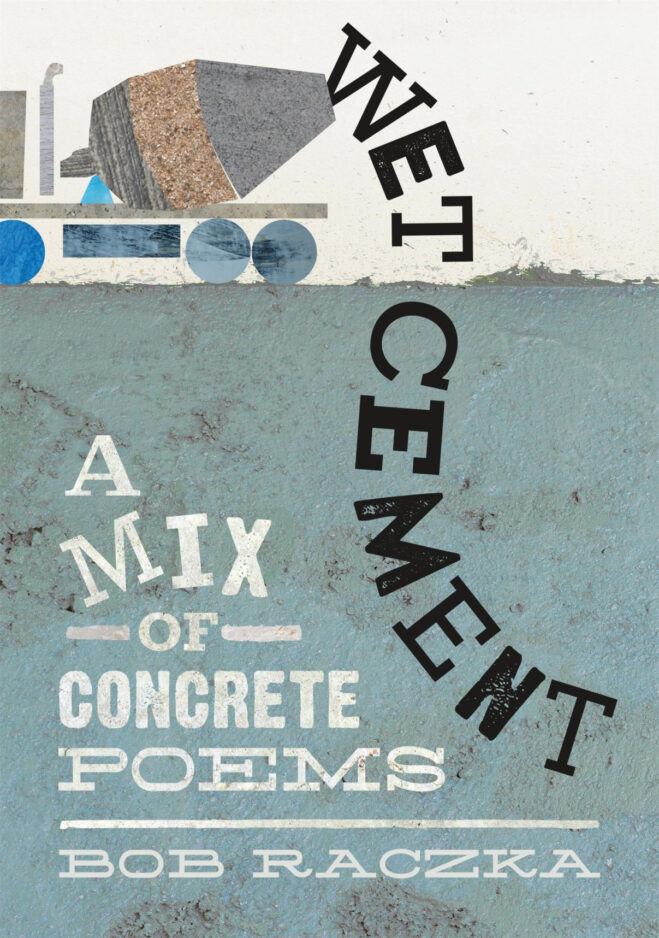
Bob Raczka's books of poetry include "Wet Cement." MUST CREDIT: Roaring Book Press
Bob Raczka didn’t care much for poetry when he was a kid. The poems he studied at school, most of them written hundreds of years ago by British men who used words such as “thine” and “thou,” didn’t seem interesting or related to his own life.
He was climbing trees and running around the suburbs of Chicago on nice summer days. The old poets he was reading were just spouting fancy talk about pretty roses or sad women.
Raczka (RASS-kuh), 53, has since warmed to poetry, in part because he realized that poetry could be much more than serious and stuffy.
His first book of poems for kids, “Guyku” (2010), was written to show boys (and other young readers) “how much cool poetry there is,” he told KidsPost recently.
“That whole book is based on stuff I was doing when I was a kid,” Raczka said. It’s written in the Japanese style of haiku – three lines that typically contain five, seven and five syllables each:
“If this puddle could
talk, I think it would tell me
to splash my sister.”
The poems are short, but they can pack a lot of emotion. “The wind and I play / tug-of-war with my new kite,” one haiku begins. “The wind is winning.”
Raczka says that part of the pleasure of writing and reading poetry is getting to slow down and “pay attention to something a little bit closer.”
“When you read a book, you read to find out what happens,” he says. “You’re reading fast. … You want to find out how the plot progresses. When you read a poem, you don’t read like that. It’s not an opportunity to find out what happens, it’s an opportunity to take a break, to think and contemplate.”
Raczka studied art and graphic design while he was in college. When he’s not writing poems and other books – he began writing about 15 years ago with a series on famous works of art – he works in advertising.
Some of his poetry is as much about images as it is about words: His 2016 book “Wet Cement” is written in a style known as concrete poetry, where the words form a shape and not just a block of text.
“Hopscotch,” for example, is written in the shape of a hopscotch game. The poem has to be read from the bottom of the page to the top, requiring the reader to move from line to line the same way a hopscotch player jumps between chalk squares on the playground.
The poems in his book “Lemonade” (2011) are similarly playful. Each is composed of the letters of a single word, such as “friends,” that is the title of the poem: “fred / finds / ed.”
“It’s fun to play with words,” says Raczka, who is trying to figure out what poem he’ll carry around for Poem in Your Pocket Day on Thursday. The event, part of National Poetry Month, has kids and adults pick a poem and carry it in their pocket all day, taking it out to share with family or friends.
Raczka might pick a poem by Mary Oliver, who writes a lot about nature, but there’s no reason you couldn’t pick a poem you have written just for the occasion. It could be a haiku or a concrete poem or a poem taken from a single word – anything that fits on a scrap of paper and, Raczka says, “makes you think about something,” whether it’s a game of baseball or a crush at school.