
Health & Wellness: Genetics, environmental factors both play a role in developing skin cancer
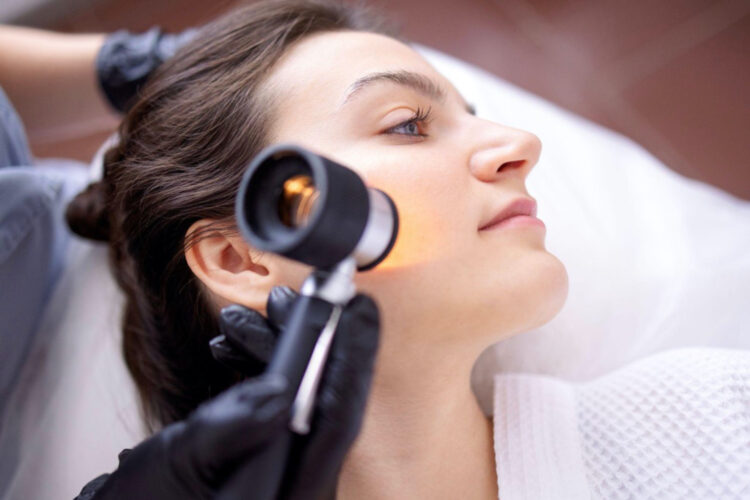
Stock photo
Through being vigilant with sun protection, regular screenings and healthy lifestyle choices, individuals with a genetic predisposition can reduce their risk of developing skin cancer.Skin cancer is a very common type of cancer, with approximately 9,500 people in the U.S. getting diagnosed with it every day. Overexposure to ultraviolet (UV) radiation from the sun and tanning beds is a significant risk factor, but genetics also play an important role in determining an individual’s susceptibility to getting skin cancer.
Some people are genetically predisposed to developing skin cancer through inherited mutations in specific genes. It is essential to understand how your genetic makeup can influence your risk of skin cancer for prevention and early detection.
The three main types of skin cancer
Before discussing the genetic factors, it’s important to understand the three primary types of skin cancer:
- Basal cell carcinoma (BCC): The most common type, BCC typically develops on areas of skin exposed to the sun.
- Squamous cell carcinoma (SCC): This type occurs on the outer layer of the skin surface and can also be caused by exposure to the sun.
- Melanoma: The most dangerous form of skin cancer, with a higher potential to spread to other parts of the body. Melanoma arises from the melanocytes that produce pigment.
Genes linked to skin cancer
Multiple genes have been identified as increasing the risk of developing skin cancer. These genes are involved in processes like DNA repair, cell cycle regulation and pigmentation. Inherited mutations in these genes can impair the body’s ability to protect itself from UV radiation damage, making individuals more vulnerable to skin cancer.
- CDKN2A: This gene is associated with melanoma. It produces proteins that regulate the cell cycle and prevents cells from growing uncontrollably the way they do with cancer. If there is a mutation with this gene, it will disrupt this process, leading to uncontrolled cell division and an increased risk of melanoma.
- MC1R: This plays a role in determining skin and hair color, and variations are common among people with fair skin, red hair and freckles. MC1R variants will produce more pheomelanin, which provides less protection against UV radiation. This variant is associated with an increased risk of melanoma, BCC and SCC.
- BRAF: Mutations in this gene are found in about 50% of melanoma cases. It is involved in cell growth and division, and mutations can lead to uncontrolled growth of melanocytes, which are responsible for producing skin pigmentation. BRAF mutations can be inherited as well as result due to environmental factors.
- TP53: Known as the “guardian of the genome,” this gene produces a protein that repairs damaged DNA and prevents cells from becoming cancerous. Mutations in this can lead to increased risk of melanoma, BCC and SCC, and they can be inherited or acquired through environmental factors.
- PTCH1: Involved in the regulation of cell growth in the skin, mutations in this gene are linked to basal cell carcinoma and are responsible for an inherited condition called Gorlin Syndrome. Mutations are linked to developing multiple BCCs.
Family history and inherited risk
A family history of skin cancer can increase your likelihood of developing the disease. If close relatives have had skin cancers, there’s a higher chance that inherited genetic mutations may be present in your family. Genetic testing can help identify whether you carry these mutations, allowing you to take preventive measures like increased monitoring, reduced UV exposure and even medical interventions.
Other factors that influence genetic risk
While genetics plays a significant role, your skin cancer risk is also influenced by a combination of factors, including the following:
- Fair skin, light eyes and red or blonde hair: People with these traits typically have less melanin, which provides natural protection against UV damage.
- Freckles: Freckled skin is often associated with a higher sensitivity to UV radiation.
- A history of sunburns: Multiple blistering sunburns, especially in childhood, significantly increase the risk of skin cancer.
Protecting yourself if you are genetically predisposed
If you have a family history of skin cancer or carry one of the high-risk genetic mutations, it’s crucial to take extra precautions:
- Regular skin checks: Perform self-examinations and see a dermatologist for regular screenings, especially if you notice new or changing moles.
- Sun protection: Use broad-spectrum sunscreen with SPF 30 or higher, wear protective clothing and avoid tanning beds.
- Avoid excessive sun exposure: Seek shade during peak sunlight hours (10 a.m. to 4 p.m.) to minimize UV exposure.
Conclusion
“While UV exposure is a major risk factor for skin cancer, we cannot overlook the role that genetics play in determining individual susceptibility,” said Dr. April Larson, medical director of PathologyWatch, a Utah-based company specializing in digital dermatopathology services. “Understanding which genes increase risk for skin cancer is helping to create more personalized treatments tailored to the patient’s specific disease, which we call precision medicine. The hope is that this will lead to more individualized and effective treatments with fewer side effects for our patients.”
Through being vigilant with sun protection, regular screenings and healthy lifestyle choices, individuals with a genetic predisposition can reduce their risk of developing skin cancer. If you have a family history of skin cancer, consider speaking with a health care professional about genetic testing and preventive measures.
Ashley Taylor is a project manager at Stage Marketing, a full-service content marketing agency based in Lehi.