
Garden Help Desk: Do I have enough time to plant bulbs?
-
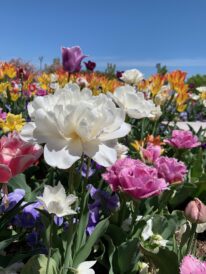
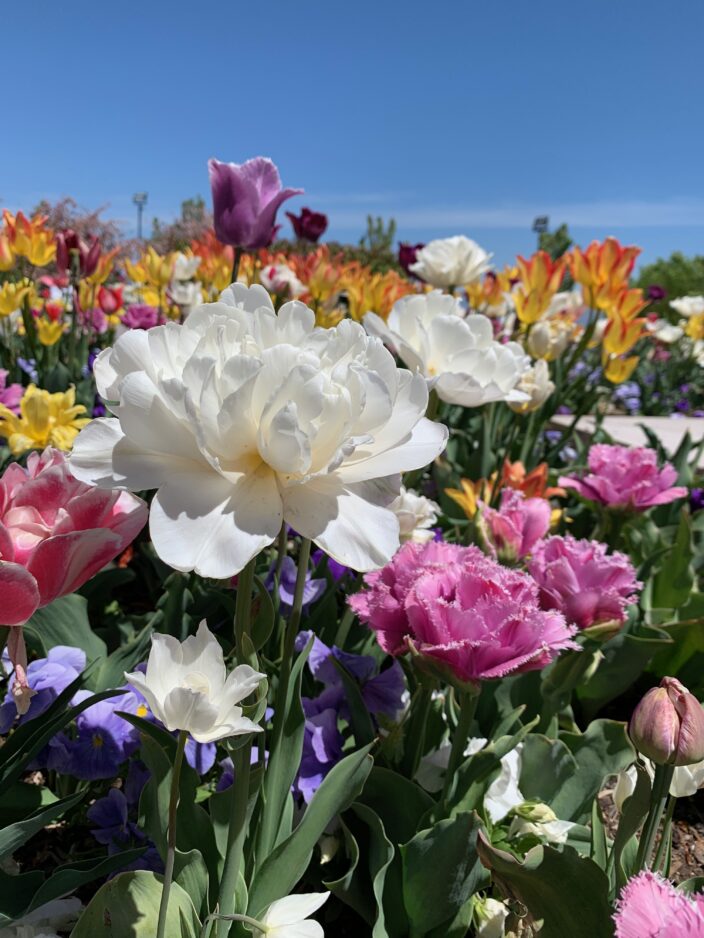
- Fall planted tulip bulbs provide spring blooms in a variety of colors.
-
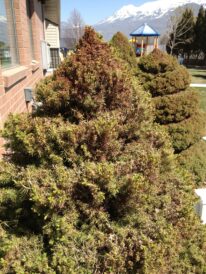
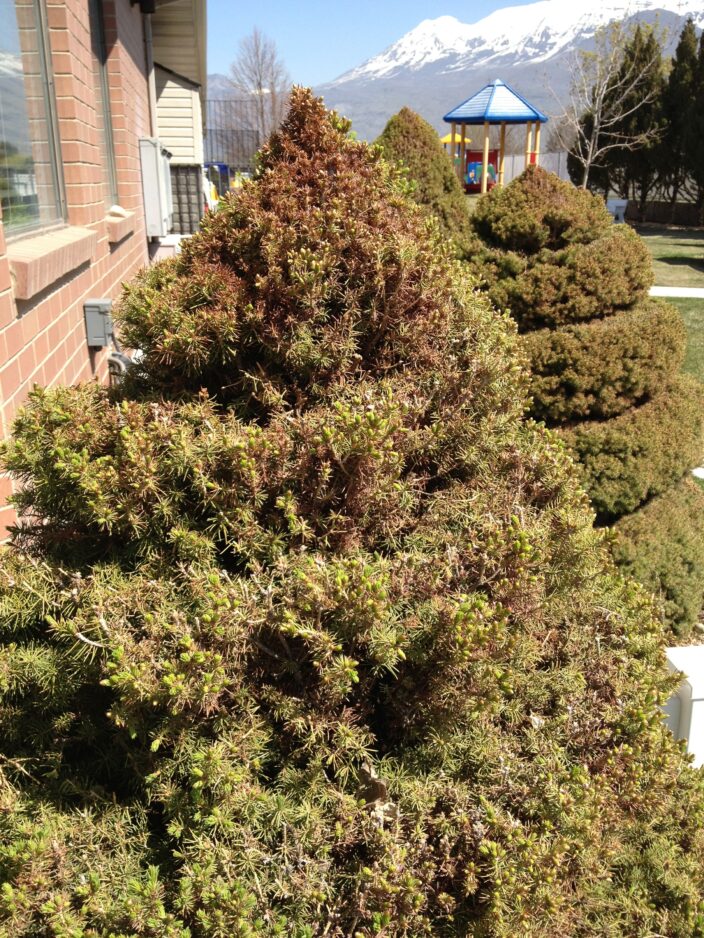
- This Dwarf Alberta spruce is native to a region with cool, humid summers and mild, humid winters. It’s showing the stress and damage from being planted on the sunny side of a building in our hot, arid area.
-
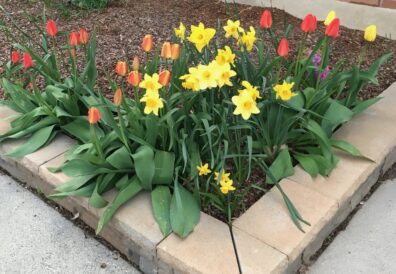
- Fall planted bulbs provide bright color in the spring.
-
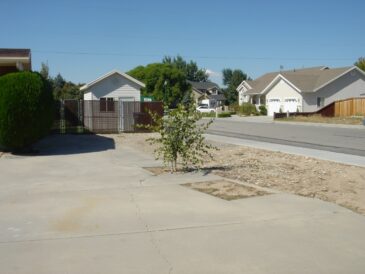
- This little aspen is native to higher elevations with cooler, more humid summers. A site like this, with lots of bounce-back heat from the concrete will be very stressful for the tree.
-
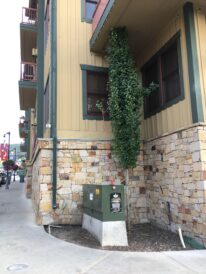
- This tree no doubt looked nice when first planted, but now seems very out of place.
-
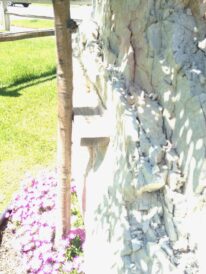
- This tree was planted so close to this landscape rock that the trunk had to be braced away from the rock. The trunk will continue to enlarge, and the tree will eventually have to be removed.
Courtesy E. Irvine
Fall planted tulip bulbs provide spring blooms in a variety of colors.
Is it too late to plant bulbs, or should I store them until next fall in my basement? I still have some that I haven’t had time to plant yet.
Fall is the time to plant bulbs that bloom in the spring, like daffodils, tulips, alliums, and snowdrops. All these flowering bulbs do well in our area and provide color from late winter through the end of spring. September through October is the traditional time for planting spring blooming bulbs, but you can plant them a little later if you need to, as long as the ground isn’t frozen. Sooner is better than later, though.
It’s better to get the bulbs planted now while they’re in good condition instead of trying to hold them over for another year.
If you’re still trying to decide just where to plant those last few bulbs, remember that spring flowering bulbs do best in well-drained parts of the landscape where the plants will get at least a half day of sunshine (more is better). In general, the larger the bulb, the deeper it should be planted. Check the labels on your bulb packages for instructions about planting depth and spacing for the type of bulb you’re planting.
HOW TO HUG A TREE: PART 1 — the right tree in the right place
Courtesy Meredith Seaver
This Dwarf Alberta spruce is native to a region with cool, humid summers and mild, humid winters. It's showing the stress and damage from being planted on the sunny side of a building in our hot, arid area.
It’s not too late to plant a tree, but to really hug your tree, you need to give it a good start by putting the right tree in the right place.
Do your homework before you buy and plant a tree. Ask yourself- why that tree? Why that spot? What’s my goal- privacy, shade, color? Here are some questions you should answer.
- What is your soil type and pH? Some tree species need soils that are more acidic, others do fine in the alkaline soils that are common in our area. The tree you choose should have needs that match the soil you already have. Learn about your prospective tree and its needs. Trying to change your soil to suit a particular tree is usually leads to years of extra work and frustration, and an unhappy, unhealthy tree.
- Is your planting site sunny, shady, or somewhere in between? Trees that need at least part shade will struggle and decline in full sun. Trees that need full sun won’t thrive in the shade. Know the tree you want to plant.
- What are the watering needs of other plants in the area? You may plan to water your tree separately in shrub bed or border, but its roots root will soon go well beyond the bed, the drip line, and out into the landscape. Established tree should be watered deeply, but not more than once a week during the summer and less often in the spring and fall. Watering twice a week for a few months during the heat of summer can be a good compromise between trees and lawn, flowers, and perennials, but it will be important to water that area deeply but as infrequently as the other plants will tolerate.
- What is the climate like in your tree’s native land? We live in an arid climate – hot and dry in the summer and cold and dry in the winter. If you’re considering a tree that is native to an area with cool summers and mild, humid winters, it’s not the right tree for your landscape.
- How large will your new tree be in 5 years, or 10 years? Lots of trees look nice tucked into a corner or against a wall when they’re new but outgrow the site in just a few years and must be removed. Check on the mature size of the tree you want and place it at least half the mature width away from any structures; allow enough room between the trunk and any landscape features for the trunk to increase in width without causing damage or being damaged. Also pay attention to whether your tree will eventually be too tall for any overhangs on nearby structure. You can’t fight genetics. Big trees will always want to be big, broad trees will keep trying to be broad, and tall trees will be determined to be tall.
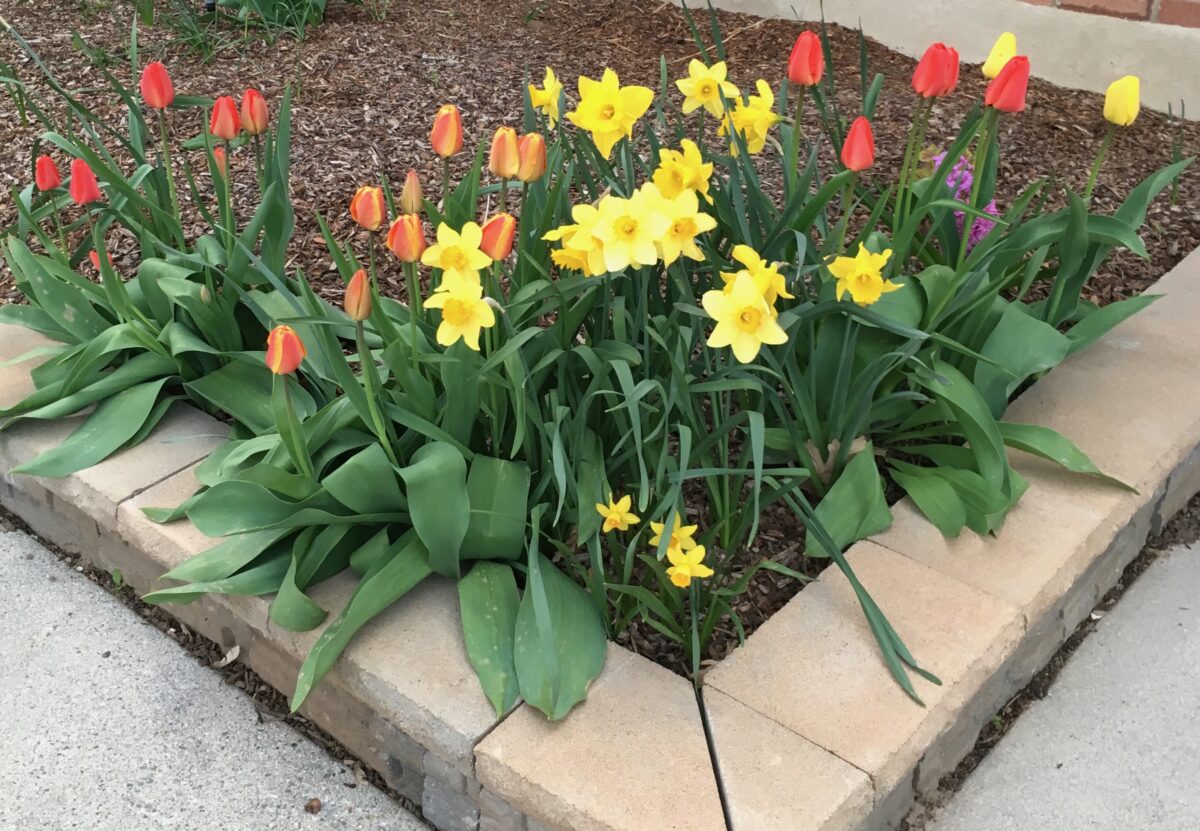
Fall planted bulbs provide bright color in the spring.
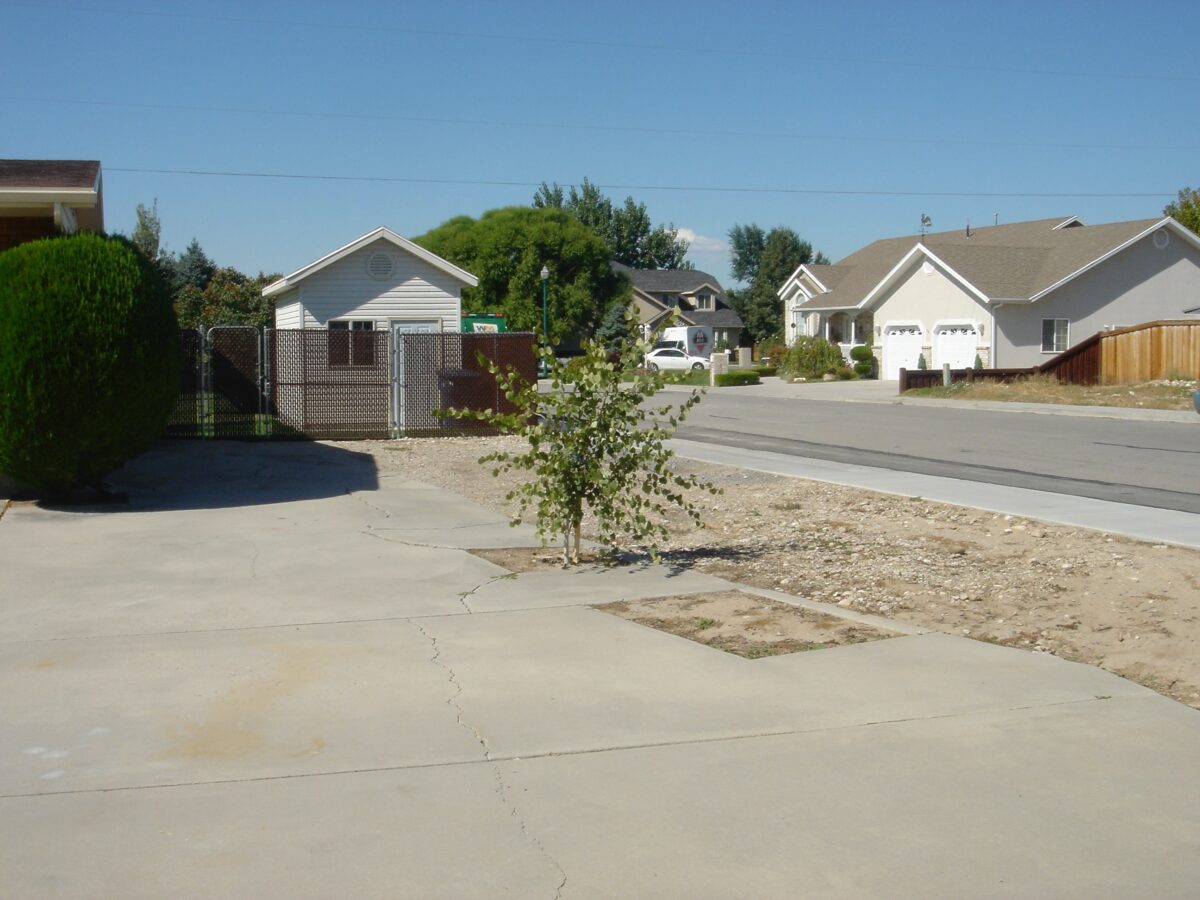
This little aspen is native to higher elevations with cooler, more humid summers. A site like this, with lots of bounce-back heat from the concrete will be very stressful for the tree.
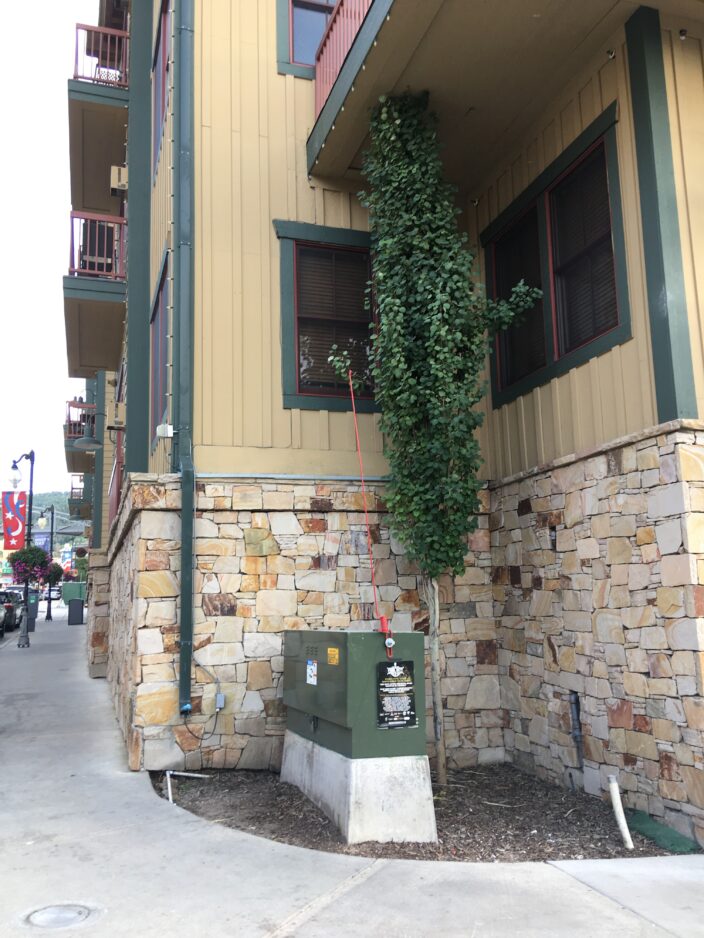
This tree no doubt looked nice when first planted, but now seems very out of place.
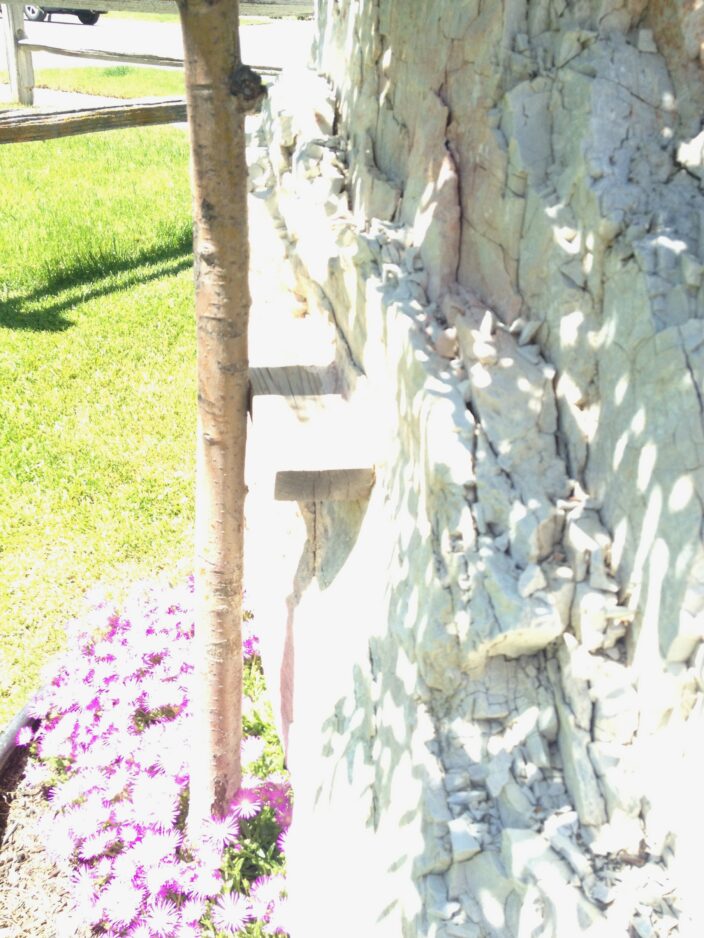
This tree was planted so close to this landscape rock that the trunk had to be braced away from the rock. The trunk will continue to enlarge, and the tree will eventually have to be removed.
Home And Garden
Garden Help Desk: Controlling garden pests through fostering garden predators

EveryDay Strong: 5 books that can help kids be more confident, resilient
