Garden Help Desk: Look to the weather when evaluating whether to transplant shrubs
-
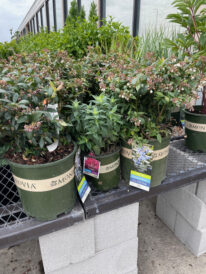
- Containerized shrubs can be planted at any time of the year as long as the soil can be worked. If the soil is frozen or wet, planting should be delayed.
-
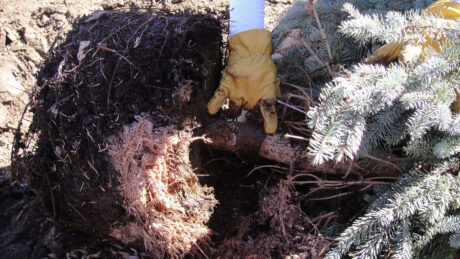
- It’s common for shrubs and trees to be planted too deeply in their containers. The excess soil at the top of the root ball should be carefully removed to find the point where true roots meet the trunk. That is the true top of the root ball.
-
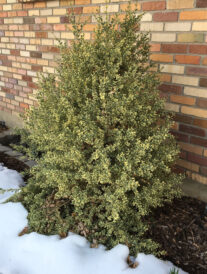
- Established shrubs in the landscape may need to be moved because they’ve outgrown their location or no longer suit the landscape plan.
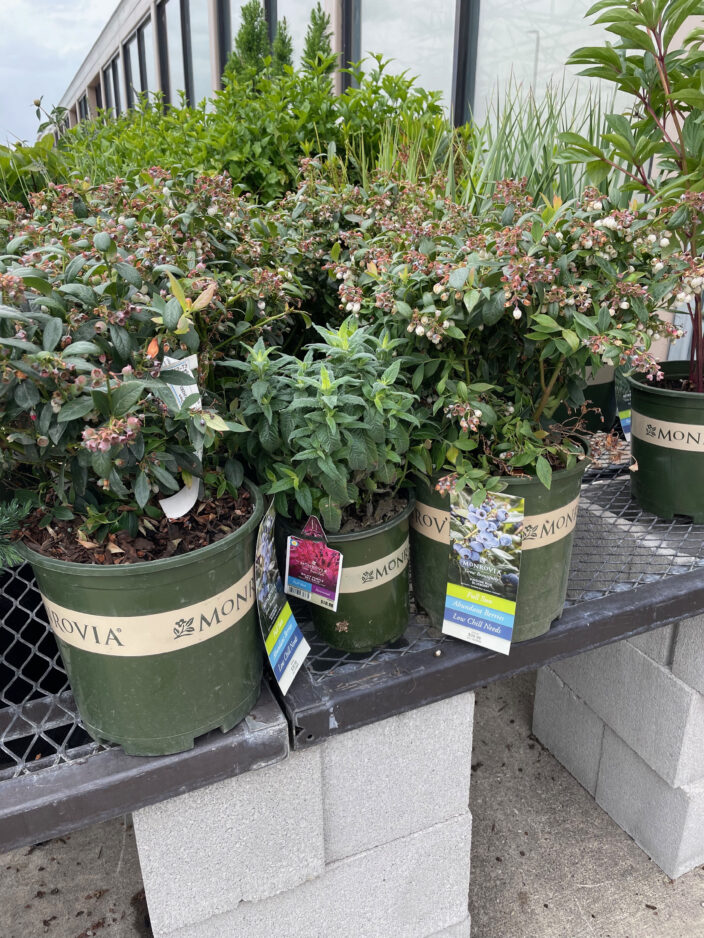
Photo by Meredith Seaver
Containerized shrubs can be planted at any time of the year as long as the soil can be worked. If the soil is frozen or wet, planting should be delayed.
Can I transplant a shrub this late in December?
Yard and garden decisions are best made based on your local weather instead of the calendar. What are the overnight temperatures like? Are the daytime conditions mild or below freezing? Has wet weather kept soils soggy or is the soil in your landscape frozen? All these factors vary from year to year and influence how successful you’ll be planting your shrub.
Trees and shrubs can generally be transplanted any time when the soil isn’t frozen. Depending on your location, there’s a very good chance that this year the weather will be in your favor for the next couple of weeks.
It’s not clear whether you want to plant a shrub from a container or you have a shrub in your landscape that you want to move to a new spot for some reason, so I’ll cover both options.
If you’re faced with established shrubs that must be removed because of upcoming construction or landscaping changes, you have nothing to lose by trying at any time of the year. Keep in mind, though, that the late fall into winter months will give you the best chance of success if you can make it fit your schedule.
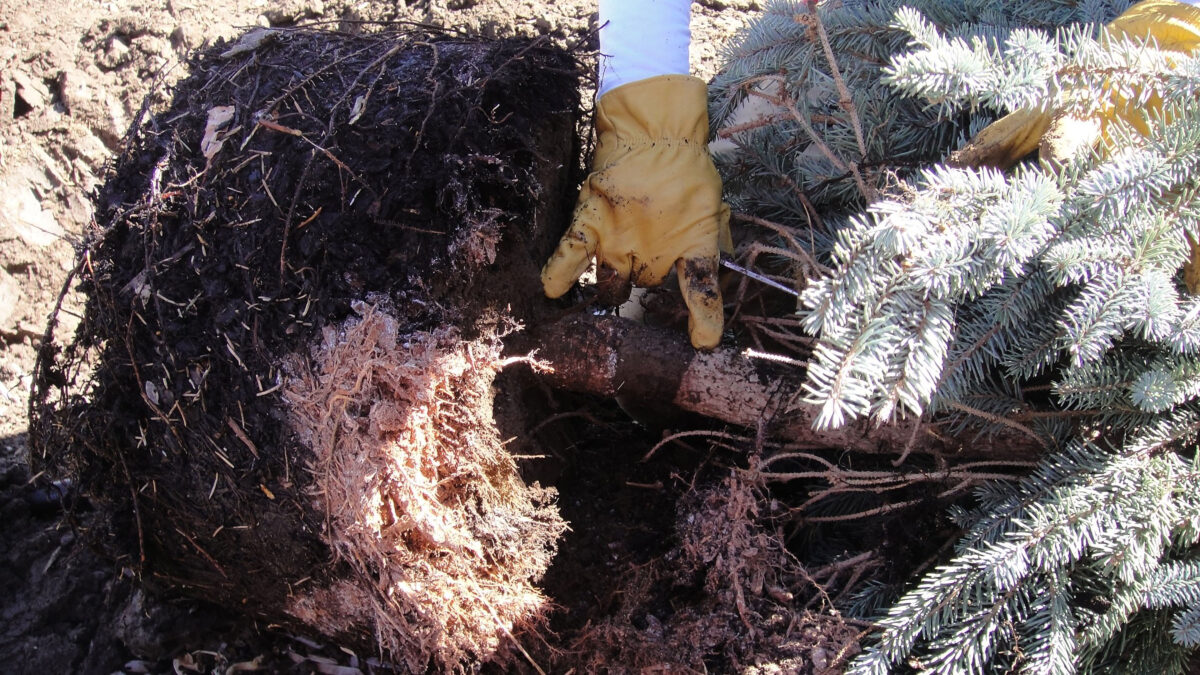
Photo by Meredith Seaver
It’s common for shrubs and trees to be planted too deeply in their containers. The excess soil at the top of the root ball should be carefully removed to find the point where true roots meet the trunk. That is the true top of the root ball.
You’ll want to make the largest root ball you can safely handle and carefully lift it onto a tarp or blanket that you can wrap snugly around the root ball to prevent root damage or breakage while you move the shrub to its new location.
Are you asking because you already have some shrubs in containers that you don’t want to take care of over the winter? Containerized shrubs are more tolerant of a variety of weather conditions when planting. The soil in my own landscape hasn’t frozen yet and I wouldn’t have any worries at all about planting a potted shrub through the end of the month.
When planting at any time of the year, you should follow the basic guidelines for planting trees and shrubs.
Brush away the soil on the top of the root ball before preparing your planting hole to expose the point where the true roots meet the trunk. There should be a slight flare of the trunk at this spot. That is true top of the root ball and where your soil line should be when you plant.
When you plant, the hole should be at least twice as wide but no deeper than the root ball. The planting hole should be bowl-shaped, not straight-sided.
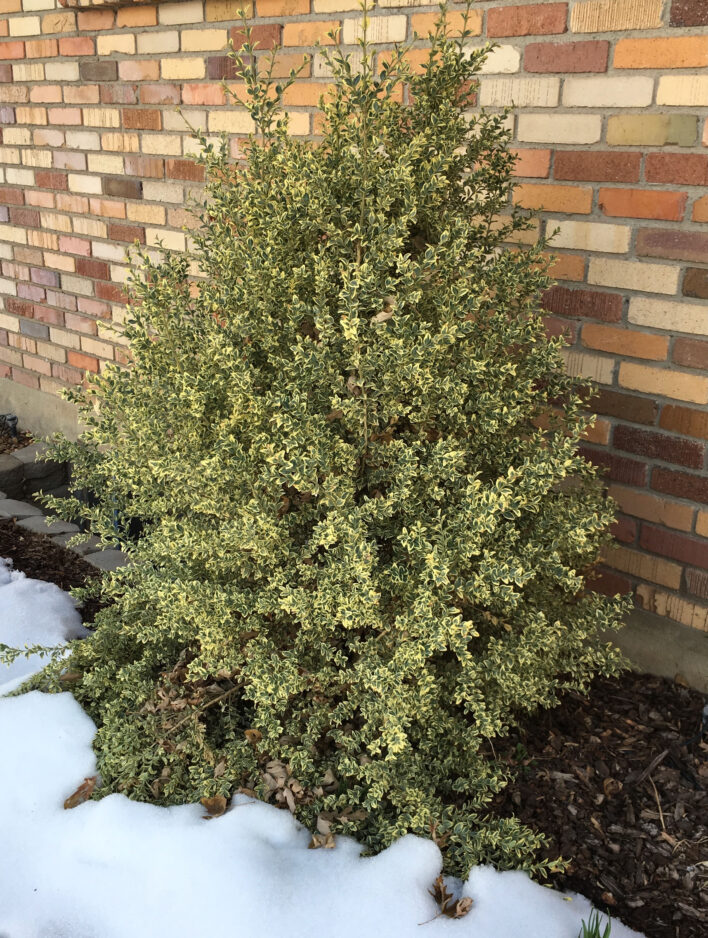
Photo by Meredith Seaver
Established shrubs in the landscape may need to be moved because they’ve outgrown their location or no longer suit the landscape plan.
Put back the same soil you took out of the hole — no compost, sand, potting mix, etc. Amending the soil in the planting hole would create a “potted plant” in the landscape, make drainage difficult, and inhibit root extension out into the surrounding soil. Research has shown that special vitamins or rooting hormones aren’t needed or helpful.
Do not fertilize the first year; the tree needs to focus on root development, and fertilizers will push green growth instead.
If you are planting a tree or shrub that is in burlap and a metal basket, remove as much of the basket and burlap as possible once the tree is in the planting hole and positioned the way you want it. A sharp utility knife for the burlap and heavy bolt cutters for the basket maybe needed. The wider the planting hole, the easier this part of the job will be.
Once you’ve planted, water thoroughly and make sure there aren’t any air pockets around the root ball. Add more soil, if needed, and water well again. Cover the planting area with a layer of bark nuggets.
Best of luck with your winter landscaping project!
Meredith Seaver is a USU Extension horticulture assistant.