Garden Help Desk: Timely tips for the month of August
-
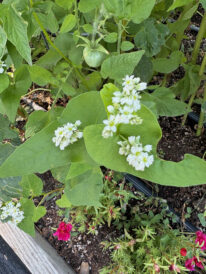
- Buckwheat is just one of several cover crops that can be planted to reduce weeds, prevent erosion and improve the soil.
-
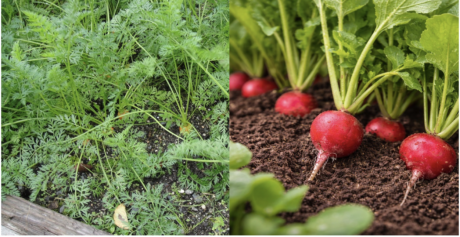
- August is the time to prepare your soil and plant radishes, carrots and other cool season crops for harvest in the fall.
-
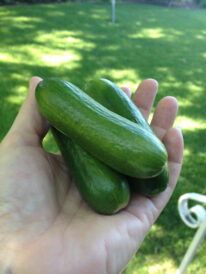
- Regardless of what varieties of cucumbers, summer squash or green beans you’re growing, you should harvest frequently to maintain the quality of your produce and encourage continued production. Regular harvesting of zinnias, cosmos and other cut flower varieties will also prolong production in the flower garden.
-
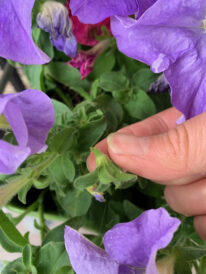
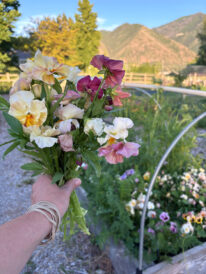
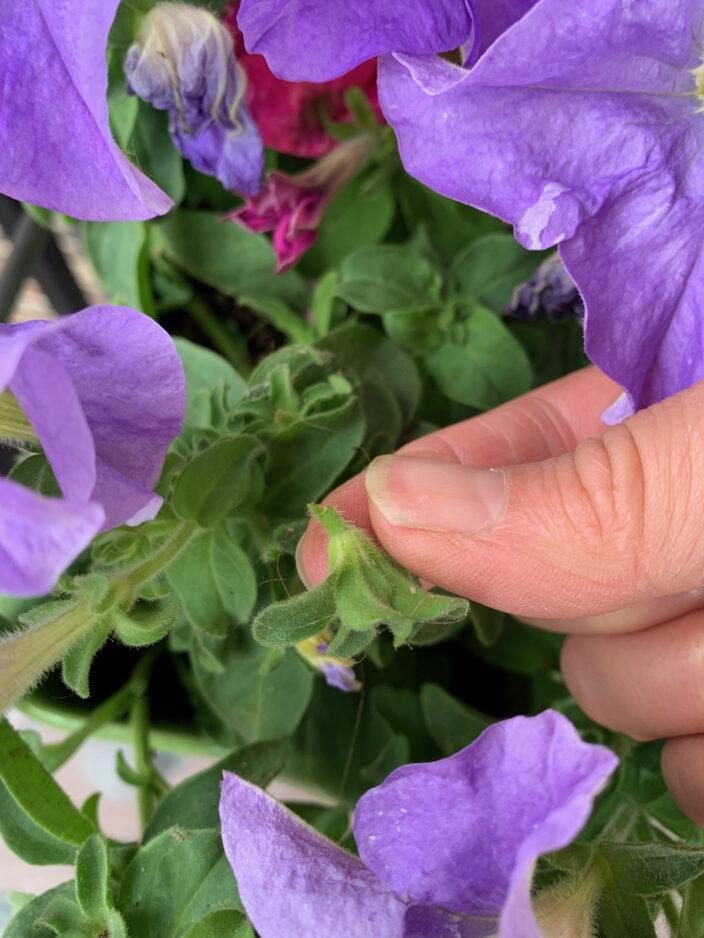
- Faded blooms can be pinched or cut off to improve the appearance of flower gardens and encourage continued flowering.
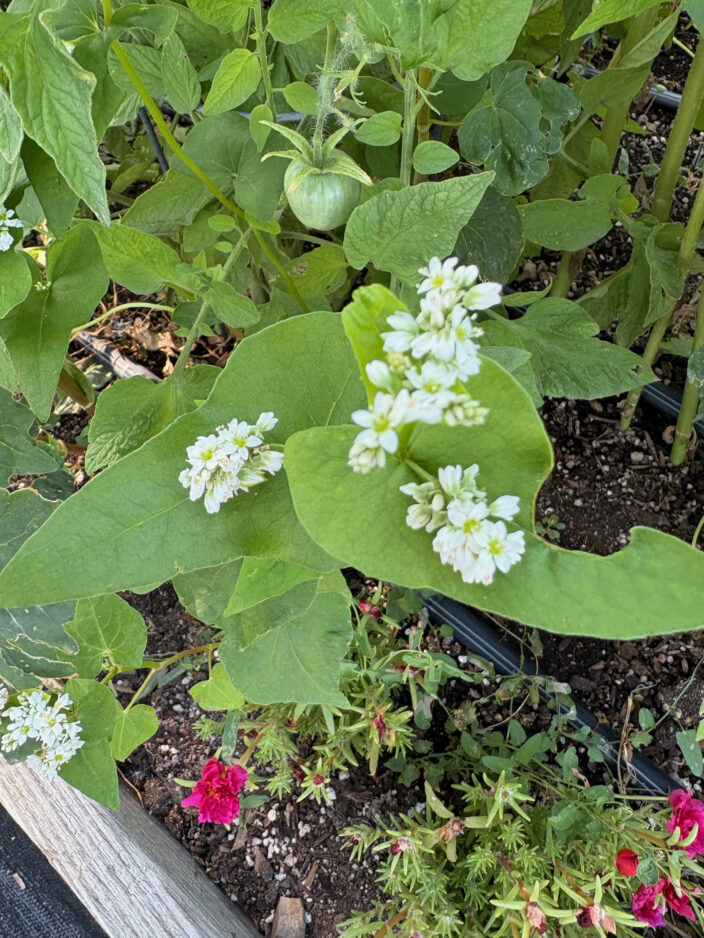
Photo by Elizabeth Binks
Buckwheat is just one of several cover crops that can be planted to reduce weeds, prevent erosion and improve the soil.
In August, I find the best time to be in the garden is as early in the day as possible. As a naturally early riser, I often find myself outside in the cool morning air with plenty of tasks to accomplish. But it doesn’t take long for the summer heat to drive me indoors, leaving my garden to survive with a bit of heat-induced neglect.
With whatever time you have available to give your growing space, here are a few tasks to prioritize this month:
Keep the garden alive with adequate watering
If you’ve been watering deeply and infrequently, your plants have likely developed deep, healthy root systems that can better withstand the summer heat. Many heat-loving annuals, such as squash, tomatoes, amaranth, celosia, and zinnias, thrive as temperatures rise.
Continue watering deeply and thoughtfully throughout the summer months, keeping our drought conditions in mind. Do the best you can–some plants may struggle through August, but cooler temperatures are right around the corner.
Control weeds while they are small
This may not be the most glamorous garden task, but staying ahead of weeds now will save you time and effort later. Small weeds are much easier to remove before they become established and compete with your plants for water and nutrients.
Harvest often
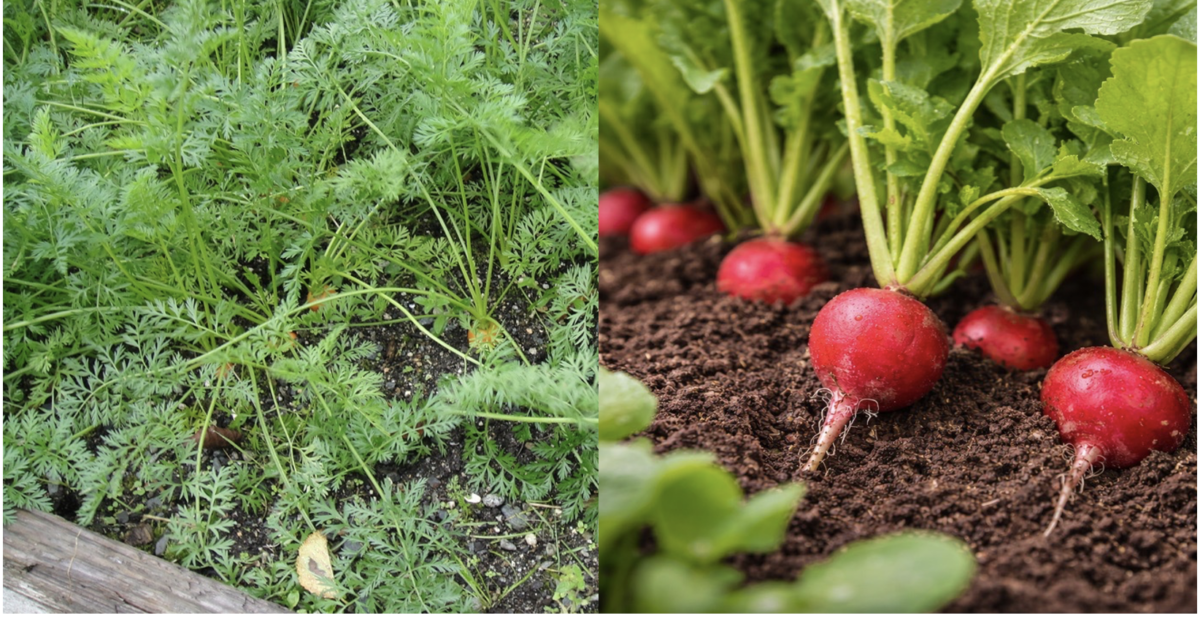
Photo by Meredith Seaver
August is the time to prepare your soil and plant radishes, carrots and other cool season crops for harvest in the fall.
Keep up with picking summer squash, cucumbers, beans, tomatoes, peppers and other garden favorites as they ripen. Regular harvesting encourages many plants to continue producing throughout the season.
Deadhead warm-season annuals to encourage continued blooms into fall
Harvest cut flowers such as zinnias, dahlias and cosmos regularly. The more you cut or deadhead, the more flowers your plants will produce. A garden full of blooms is a gift that keeps giving!
Scout for pests
Keep an eye out for common summer pests such as squash bugs and tomato hornworms. Handpick them and drop them into a bucket of soapy water to help protect your plants.
Save seeds from your favorite plants
August is a great time to begin collecting seeds for next year’s garden. Seeds from flowers such as zinnias, cosmos, scabiosa and sweet peas can be saved and stored for planting next season. Tomato and pepper seeds can also be saved from fully ripe fruit. Tomato seeds require an extra step: place them in a shallow dish of water for a few days to allow the gel coating to break down before rinsing and drying them on a paper plate. Pepper seeds simply need to be thoroughly dried before storage. Keep in mind that seeds saved from squash plants may not grow true to the parent plant due to cross-pollination between varieties.
Water lawns deeply and infrequently
Mow high — around 3 to 3.5 inches — to encourage a healthier lawn. Longer grass blades shade the soil, helping to reduce evaporation and conserve water. Instead of bagging the clippings, let them decompose naturally on the lawn. As they break down, they will release nutrients back into the soil and feed your existing turf.
Sow cover crops in empty garden beds
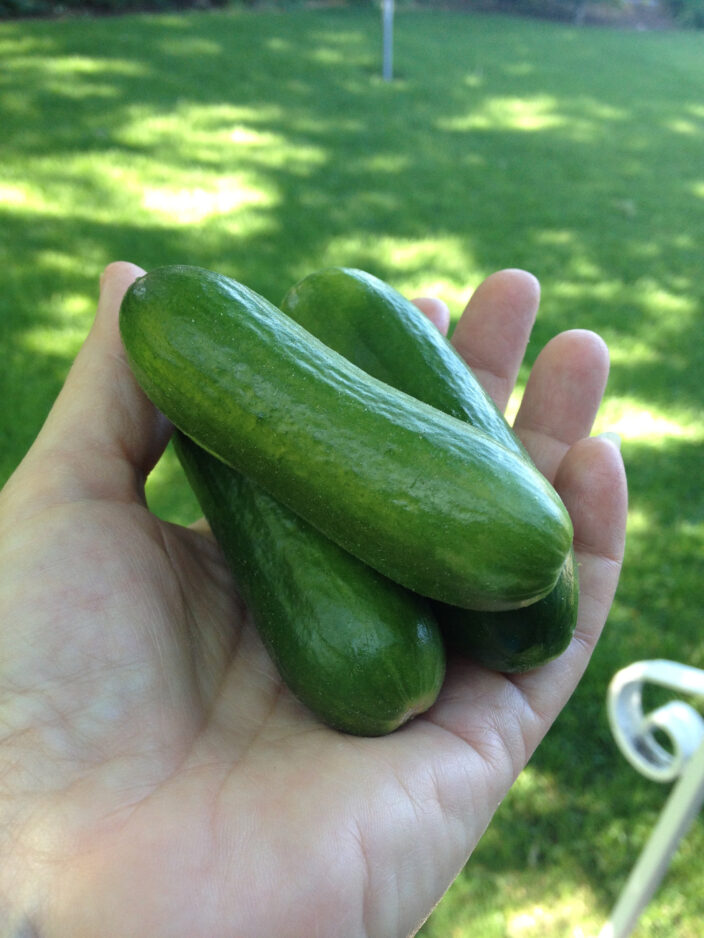
Photo by Meredith Seaver
Regardless of what varieties of cucumbers, summer squash or green beans you’re growing, you should harvest frequently to maintain the quality of your produce and encourage continued production. Regular harvesting of zinnias, cosmos and other cut flower varieties will also prolong production in the flower garden.
If a crop has finished for the season, consider planting a cover crop to help replenish the soil. Quick-growing buckwheat is an excellent option because it germinates and grows rapidly in warm soils. Cut it down and incorporate it into the soil before it sets seed. The delicate white blossoms also make a lovely addition to bouquets; harvest early in the morning or late in the evening to prevent wilting.
Start planning for fall
Sow cool-season crops such as radishes, carrots, spinach and beets. August is also a great time to think ahead and prepare garden spaces for the cooler months.
Elizabeth Binks is a horticulture assistant at the USU/Utah County Extension Service.
Faded blooms can be pinched or cut off to improve the appearance of flower gardens and encourage continued flowering.