Garden Help Desk: Careful use of weed killers can prevent harm to bees
-
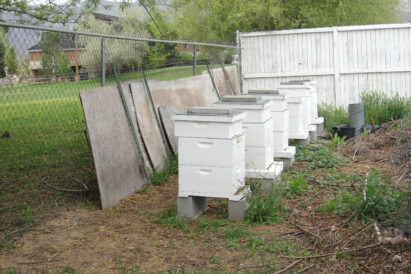
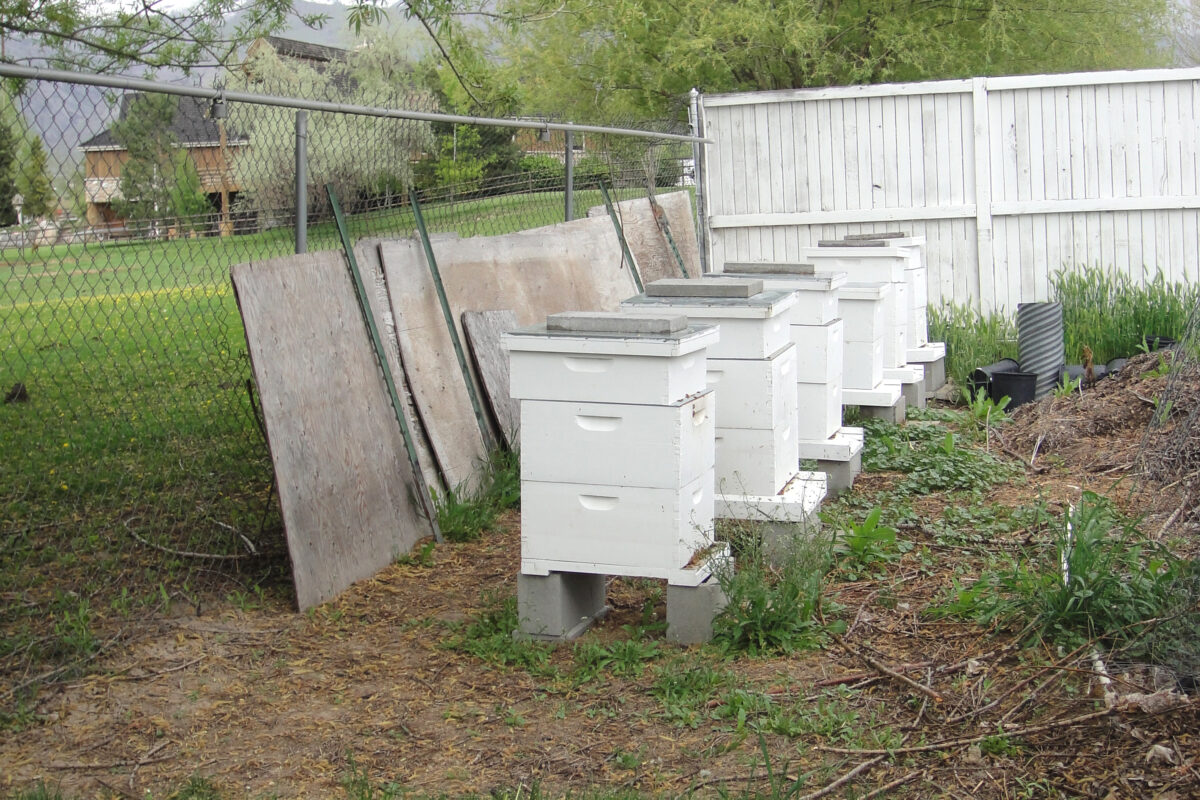
- We may think of weeds as undesirable plants, but bees will gladly forage among weeds when they are in flower. Hand-pulling, string trimming and other non-chemical options may give safer weed control than chemical options. (Photo by Meredith Seaver)
-
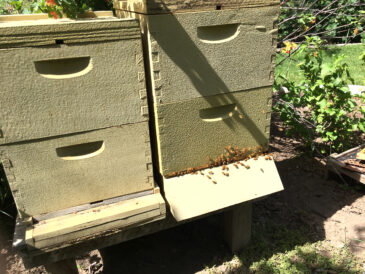
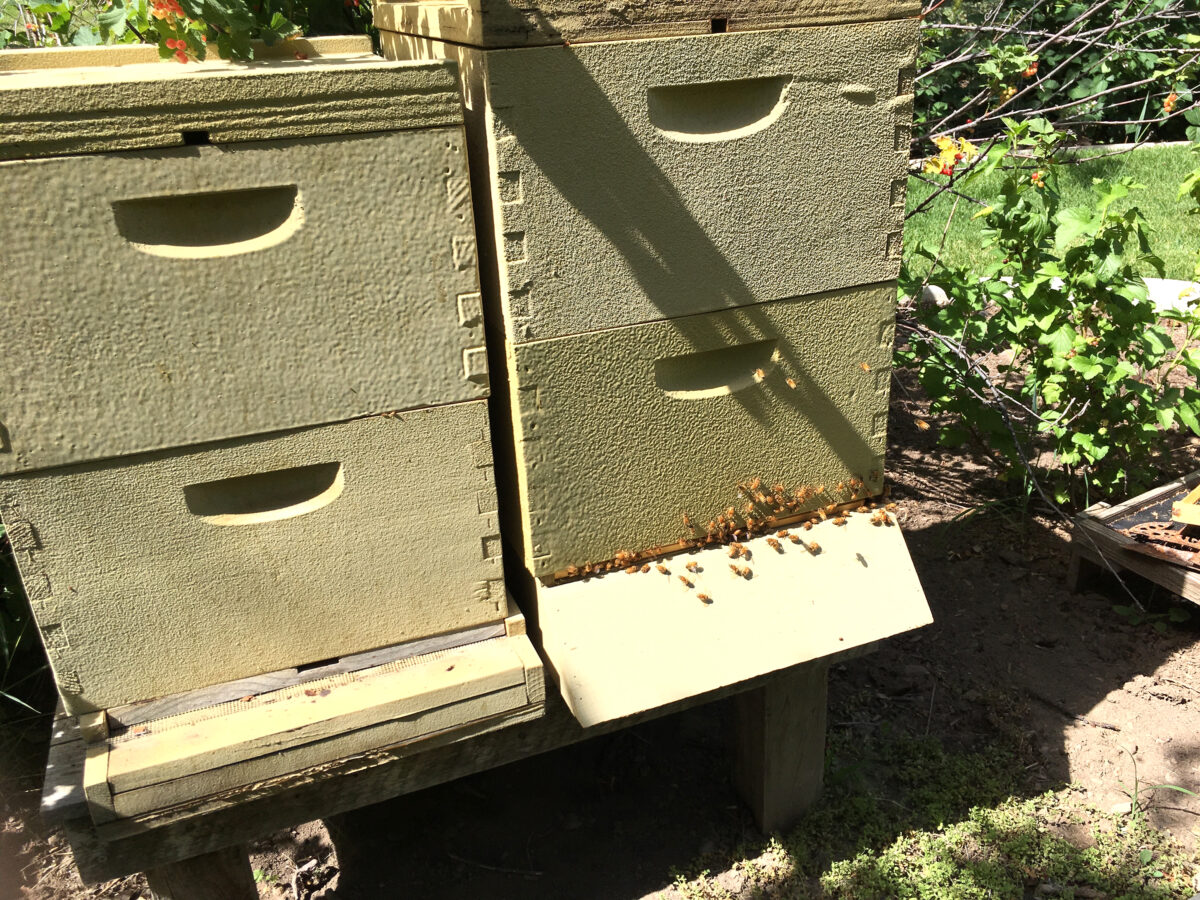
- Bees are active and foraging throughout the day during the spring, summer and fall and may be active in any part of the landscape. Always follow the best bee safety practices when spraying weed killers, even when you don’t see any bee or other pollinator activity. (Photo by Meredith Seaver)
The Garden Help Desk responds to common gardening questions, focusing this week on best practices for bees:
We got bees this year and I am wondering if you can recommend a lawn fertilizer plus weed suppressant that is safer for bees.
If you’re a beekeeper, or even if you only have fruit trees and other flowering plants that attract bees to your landscape, you naturally want to do everything you can to help your local bees stay safe and healthy.
Native bees and honeybees face many challenges today: habitat loss, increasing extreme weather events, pesticides (insecticides, fungicides, herbicides, etc.) and increasing pressure from disease, mites (Varroa mites are the No. 1 killer of bees), parasites and predators. Managing hives and landscapes with these challenges in mind is a large part of helping both native and honeybee populations thrive.
In general, herbicides (weed killers) tend to be much safer to use around bees than any other type of pesticide, but bees sometimes may suffer serious but nonfatal injuries when exposed to herbicides. Sticker/spreaders and other additives may cause sublethal injury as well. If you are interested in reducing or altogether preventing herbicide injury (or any pesticide injury) to bees, Joey Caputo, state bee inspector at the Utah Department of Agriculture and Food, suggests the following steps:
Use a granular formulation.
This is the least hazardous formulation to bees, and the toxicity of the product becomes substantially less important when using a granular formulation because the exposure risk is nearly eliminated.
If a granular formulation can’t be used, select an herbicide that is known to be less hazardous to bees. Carefully read the label of any spray product you’re considering. The label is the law and must always be followed! The label is where you’ll find all the information you need to safely, effectively and legally apply the product. This includes information about when, where and how you may apply the product. Look for any red triangular or diamond-shaped bee icons, the Bee Advisory Box or words like Protection of Pollinators or actively foraging as there will be warnings about bee safety risks and specific information about protecting bees and other pollinators when using the product.
Don’t apply liquid products to weeds in bloom.
Bees are attracted to many flowering plants, not just the ones we consider pretty or profitable. If you must spray an herbicide on weeds, wait until bees aren’t foraging. This is typically in the evening or early morning,
If weeds in bloom must be sprayed with a liquid weed killer, apply the product at night when bees are not actively foraging. Late evening applications avoid bee activity and also allow time for a spray product to completely dry before bees resume foraging in the area.
Don’t allow product to drift.
The product label will include information about how the product can be applied while avoiding the problem of pesticide drift. The label is the law, and you must take the specified precautions about wind conditions and temperature limits so the herbicide doesn’t drift onto desirable plants or into the area with your beehive.
Meredith Seaver is a USU Extension horticulture assistant.