Garden Help Desk: Peas are a great early-season crop for the garden
-
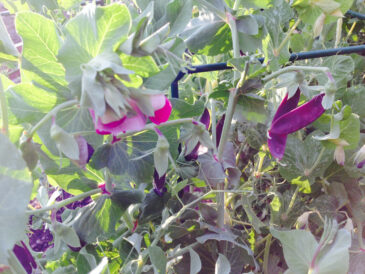
- All snow peas, including this purple variety, can be picked at any stage that meets your needs, but they are at their best when the peas inside are tiny and undeveloped.
-
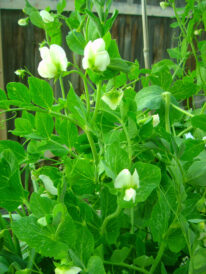
- It takes about two and a half to three weeks for garden (shelling) pea blossoms to produce harvest-ready pods. Snap peas and snow peas are often ready in just one week. No matter which variety you grow, harvest frequently to encourage continued production for a few weeks.
-
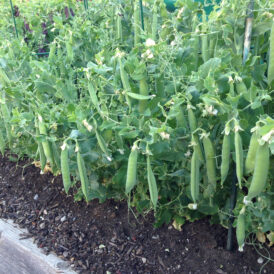
- Garden (shelling) peas should look full-sized and filled out when ready for picking. For best quality and flavor, pick the pods before the peas are large and crowded inside the pod.
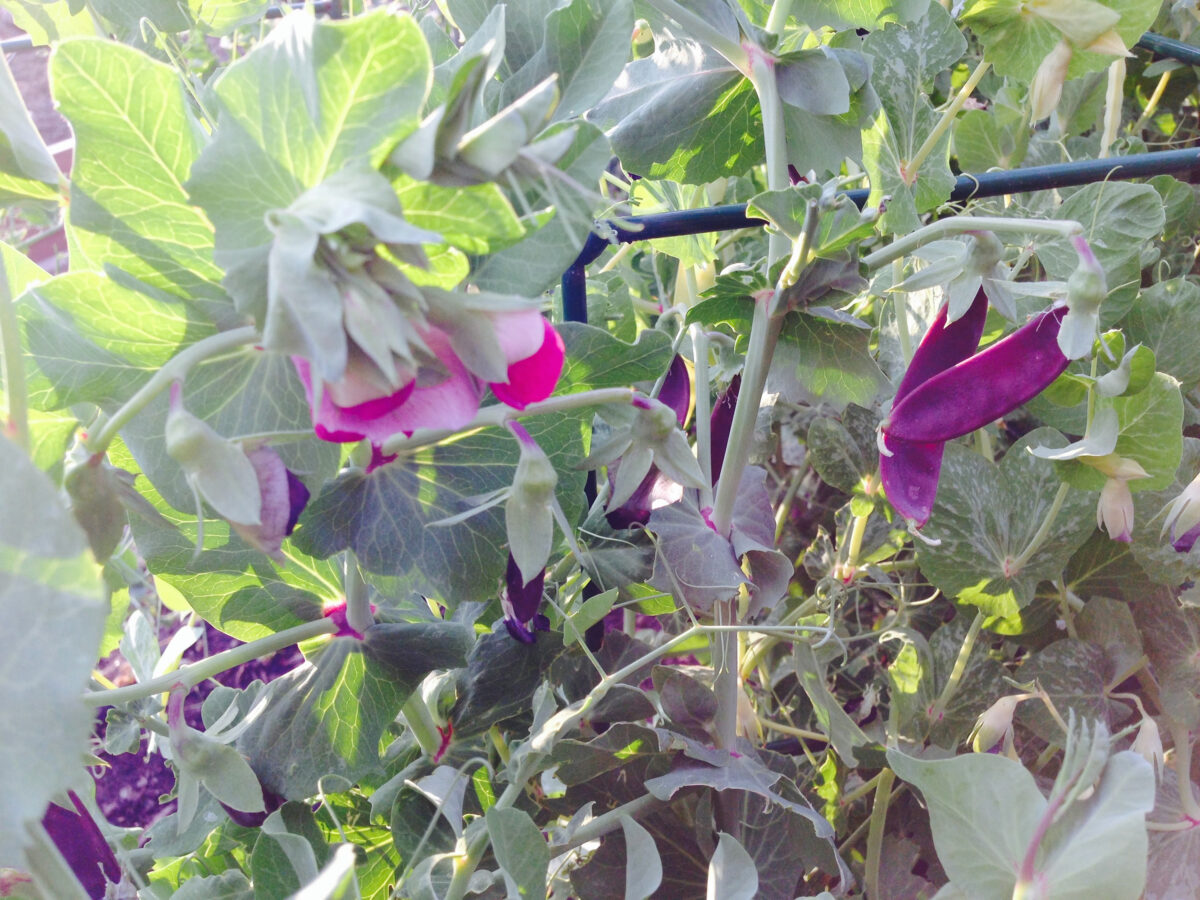
Photo by Meredith Seaver
All snow peas, including this purple variety, can be picked at any stage that meets your needs, but they are at their best when the peas inside are tiny and undeveloped.
Garden peas are one of my favorite spring crops. Frozen peas from the grocery store simply can’t compare to green peas fresh from the garden. Not only are garden peas delicious but fresh-shelled peas also freeze well.
There are three basic types of fresh peas: shelling peas, snow peas (flat tender pods used in stir-fries) and snap peas with thick crisp pods with young seeds. All three types have the same basic needs.
Just like radishes and spinach, peas are frost-tolerant vegetables that thrive in well-drained soil, full sun and cool springtime temperatures. Plant your peas as soon as the soil can be worked in early spring so they can mature before the hot summer weather arrives. I usually plant my peas in the middle of March, but with the unusually warm weather we’ve had this winter, we may be able to get into the garden and plant a bit earlier. Keeping an eye on the forecast will help with that.
Plant the pea seeds about 1/2 to 1-inch deep and space the seeds 1 inch apart so there will be good air circulation when the plants mature. I soak the peas seeds before planting to give germination a kickstart, but the seeds will also germinate without the soak if the soil isn’t too cold. Planting just some of your peas every week or two will give you an extended harvest, or you can choose two or three varieties with different days-to-harvest. Once you’ve harvested your peas in early summer, you can remove the vines and plant a warm season crop in their place. I like to plant green beans once the vines are gone.
Some taller pea varieties may need some support from trellises, cages or poles and twine, but most varieties are usually self-supporting. Providing taller pea vines with some support makes it easier to harvest and also reduces the risk of disease in the pea patch.
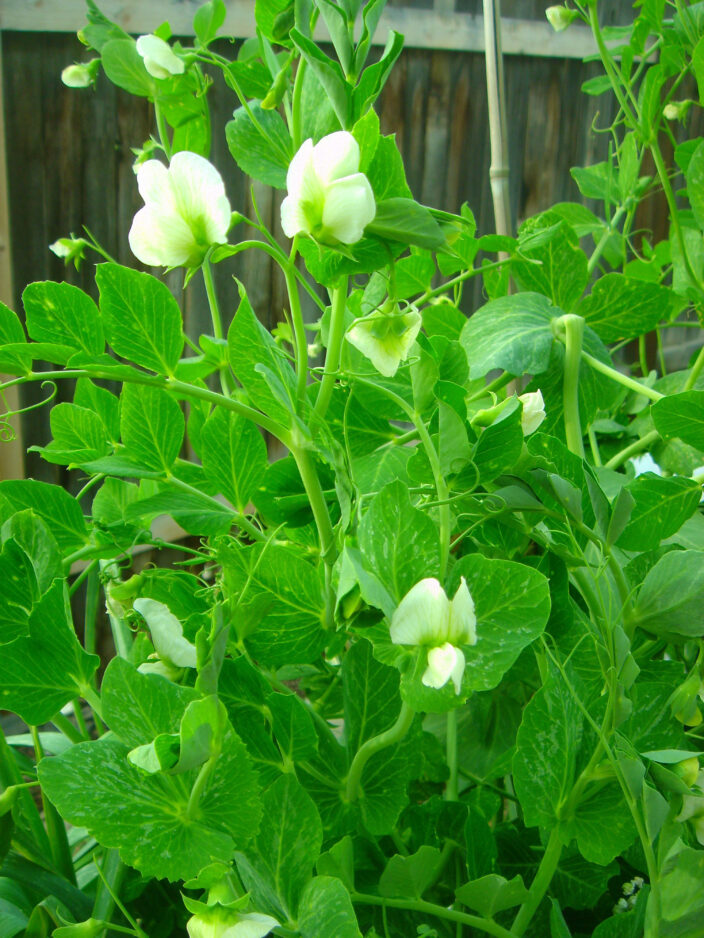
Photo by Meredith Seaver
It takes about two and a half to three weeks for garden (shelling) pea blossoms to produce harvest-ready pods. Snap peas and snow peas are often ready in just one week. No matter which variety you grow, harvest frequently to encourage continued production for a few weeks.
Water your peas deeply and consistently, but not frequently, so the soil has time to dry an inch or so down between deep soaks. Avoid drought stress, but keep in mind that peas won’t do well in chronically wet soils. A deep soak once every four to seven days usually does the job.
Peas can usually get the nitrogen they need without any help from you. If you planted your peas in fertile soil, they won’t need any added fertilizer during the growing season. Adding nitrogen during the growing season can push leafy growth and reduce flowering and pod set, so it’s best to avoid supplemental fertilizer after planting.
When to harvest your peas will depend on how they look. Harvest shelling peas when the pods are a bit plump and full. Pick a pod or two that look ready and pop them open to see how the peas look. Are they too small? Too large (pressed against each other)? Just right? Checking just a few pods will let you know which pods are ready.
For crunchy snap peas, look for full-size pods with small to medium seeds, although some varieties stay crisp and tender even as peas reach their full size. Keep the pods picked to encourage continued production over the course of a few weeks.
Begin to harvest snow peas as soon as they reach your preferred size. The pods will become tough once seeds begin to develop. Experience will tell you what’s best for you.
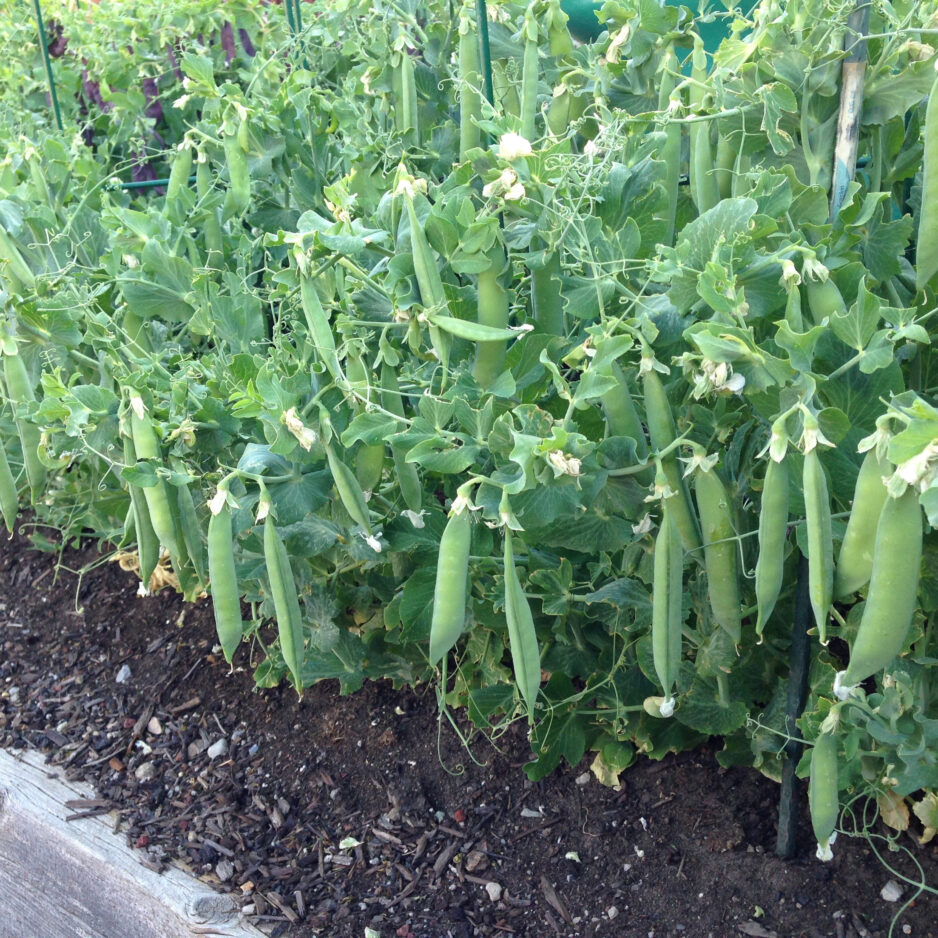
Photo by Meredith Seaver
Garden (shelling) peas should look full-sized and filled out when ready for picking. For best quality and flavor, pick the pods before the peas are large and crowded inside the pod.
All varieties of peas should be refrigerated right away after harvest to preserve their sweetness and flavor. Use them the same day if you can or within a few days if you have more than you can use that day.
Meredith Seaver is a USU Extension horticulture assistant.