Garden Help Desk: Timely gardening tips for April
-
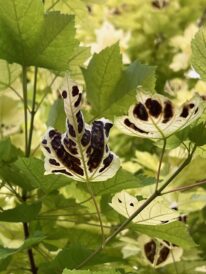
- When iron chlorosis is severe, it can cause dark necrotic spots on leaves. Affected leaves will drop early in the season.
-
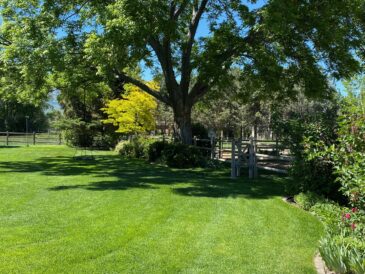
- Lawns, flowerbeds, trees and shrubs will all be healthier if you delay watering until late spring or early summer. Deep, infrequent watering and mulching after that first watering will help to maintain plant health and conserve water.
-
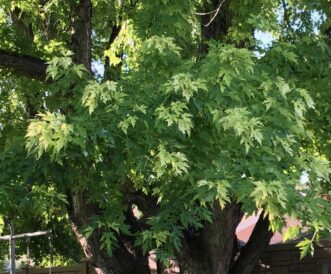
- Cold wet weather when leaves are emerging and expanding can affect the availability of nutrient minerals like iron.
-
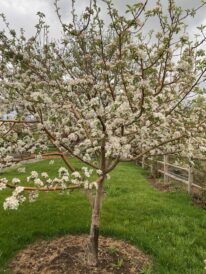
- Mother Nature nudged fruit trees into waking up early, so home orchardists will need to start their fruit tree work a little early this year.
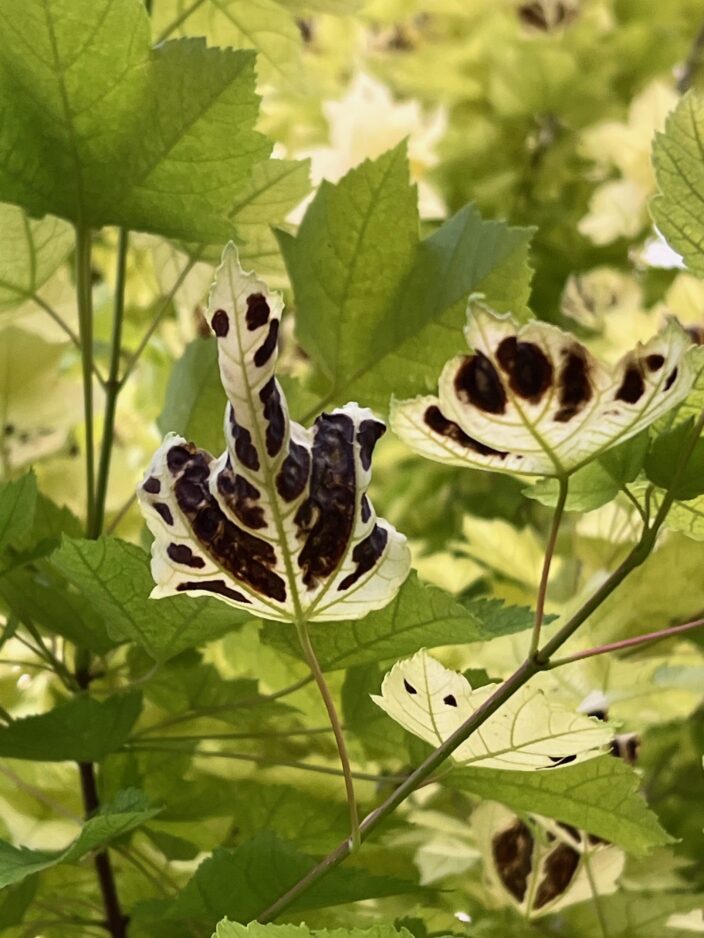
When iron chlorosis is severe, it can cause dark necrotic spots on leaves. Affected leaves will drop early in the season.
Although we have been experiencing springlike temperatures for weeks and weeks, spring is now actually here. Perhaps your fruit trees and spring bulbs are already blooming and your lawn is ready to be mowed for the first time. This surreal weather has Mother Nature accelerating the emergence of our favorite plants, and, ready or not, gardeners are called into action! Here are some tasks to complete this month.
Save precious irrigation water and fertilize your lawn before a storm. Choose a fertilizer with a pre-emergent to keep crabgrass and other weed seeds from germinating. And remember to not use a pre-emergent on areas where you are hoping to overseed thinning areas of turf. Remember that April is a great time to overseed your lawn to repair and replenish bare spots.
Core aerate your lawn. Aeration helps reduce compaction. Remember to leave the soil plugs on the lawn to break down and improve the soil.
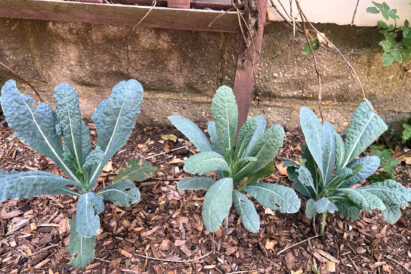
Cold hardy annuals can be planted now. Direct sow peas, beets, radishes and carrots in your veggie garden. Plant out transplants such as onions, broccoli, kale and cabbage. For cut flower gardens, include cold hardy flowers like Agrostemma, bells of Ireland, feverfew, snapdragons and stock.
Don’t plant warm season annuals until after your average last frost date, usually around May 10th along the Wasatch Front. Despite the warm temperatures, we’ll likely have a few frosts in the upcoming weeks. Greenhouses, tunnels, cold frames and cloches can provide some frost protection if you want to try your luck.
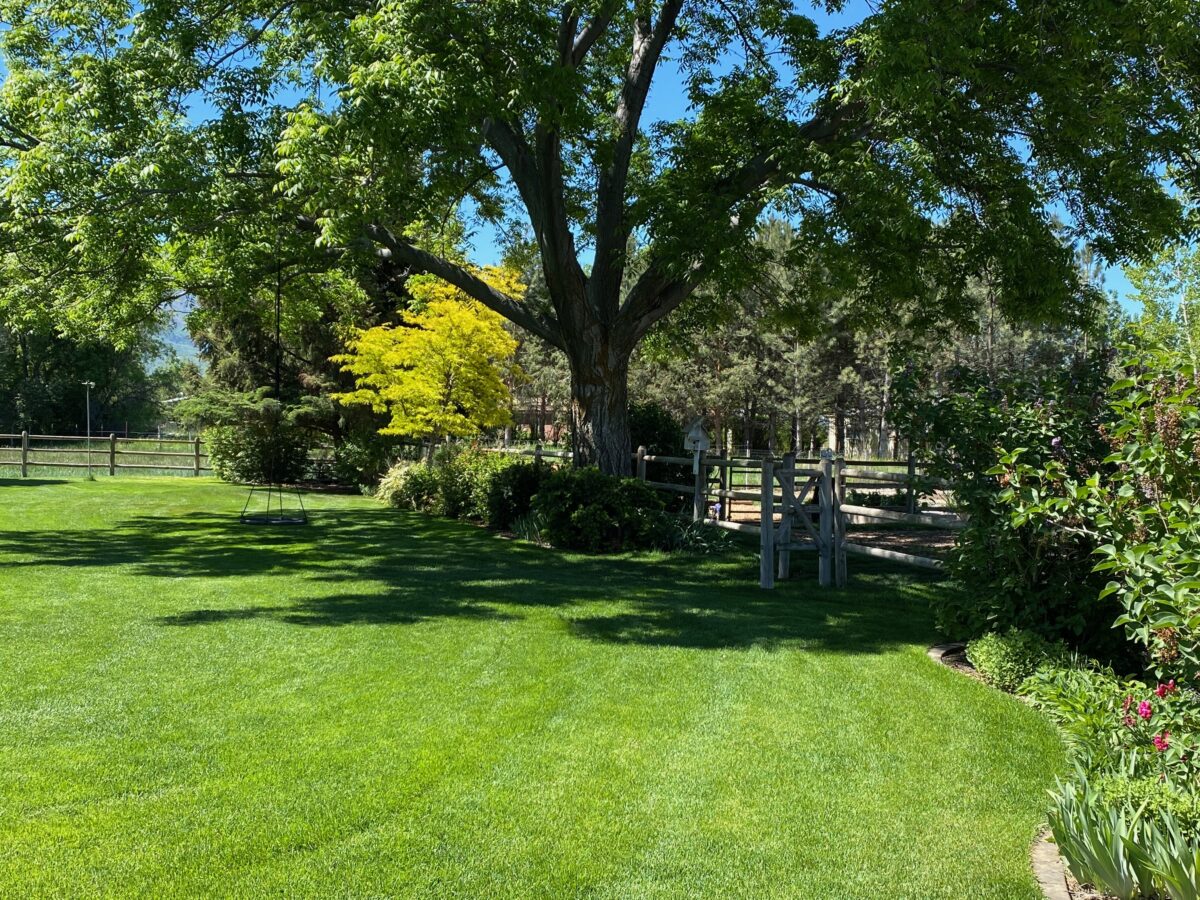
Photo by Elizabeth Binks
Lawns, flowerbeds, trees and shrubs will all be healthier if you delay watering until late spring or early summer. Deep, infrequent watering and mulching after that first watering will help to maintain plant health and conserve water.
With our record-low snow pack, it would be wise to research how to conserve irrigation water this year. Consider converting spray heads into drip lines in your landscape beds. To conserve soil moisture, mulch beds with three or more inches of organic matter. Compost, wood chips or lawn clippings work well. Delay watering your lawn as far into the spring/summer season as possible. Your lawn will grow deep roots as it searches for water. Those deep roots make it more drought tolerant as the summer heats up. For a water efficient landscaping overhaul, check out the Localscapes method found at localscapes.com.
Subscribe to USU Extension’s free pest advisory emails at pestadvisories.usu.edu. These timely emails help remind you how, when and where to scout for and control garden pests. There are separate advisories for fruits, vegetables, landscapes and turf pests.
Ensuring fall color in the garden
We have all seen mountainsides and canyons filled with maples, aspens and oaks shift from deep summer green to brilliant reds, oranges and golds. Many homeowners try to recreate this effect by planting similar species such as sugar maple, red maple, Autumn Blaze maple and dogwood. However, in our area, these trees often fail to develop the expected fall color.
The primary reason is soil chemistry. Soils in the arid West are typically alkaline, which reduces the availability of key micronutrients such as iron, zinc and manganese. Because plants can only absorb nutrients in water-soluble forms, these deficiencies limit chlorophyll production and overall plant function.
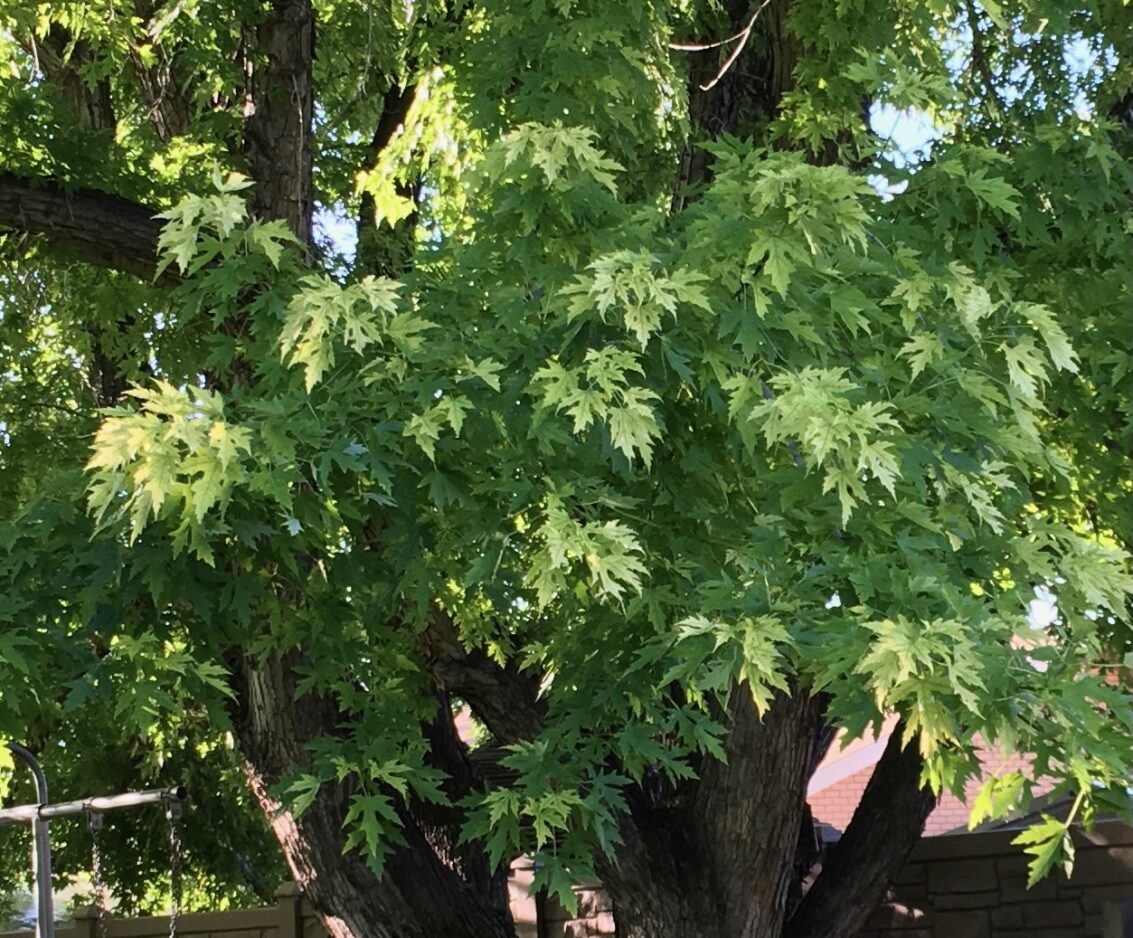
Photo by Meredith Seaver
Cold wet weather when leaves are emerging and expanding can affect the availability of nutrient minerals like iron.
Symptoms commonly appear in summer as yellow leaves with green veins (iron chlorosis). In severe cases, leaves may turn nearly white and develop brown scorch along the edges. This reduces photosynthesis, weakens trees, reduces their cold hardiness and limits fall color development. Instead of vibrant reds and oranges, affected trees often display dull orange to yellow tones before leaf drop. Severe, long-term deficiencies can lead to decline or death.
The most effective solution is to select species adapted to local soil and climate conditions. Trees such as Pacific Sunset and Norwegian Sunset maple, along with serviceberry cultivars like ‘Autumn Brilliance,’ provide reliable orange to red fall color. For yellow color, consider lindens, State Street maple and hedge maple. While these species still require proper care, they are more tolerant of alkaline soils and perform more consistently.
For existing, less-adapted trees, management can improve performance. Proper irrigation is critical. Apply water deeply and allow the soil to partially dry between irrigations to maintain adequate root oxygen. Avoid frequent, shallow watering. Trees growing in turf should be watered more deeply, typically once or twice per week to a depth of 9 to 12 inches.
Micronutrient applications can improve tree performance where deficiencies are present. For iron chlorosis, apply EDDHA-chelated iron in early spring (March). This form remains available in alkaline soils more effectively than other iron products. Common options include Miller Feriplus, GroMore Chelated Iron and Sprint 138.
A micronutrient mix containing zinc and manganese may also be beneficial. Light nitrogen fertilization at the time of application can support overall tree vigor and may temporarily enhance nutrient uptake. In addition, applying a granular or liquid humate beneath the tree canopy may provide short-term improvement in nutrient availability.
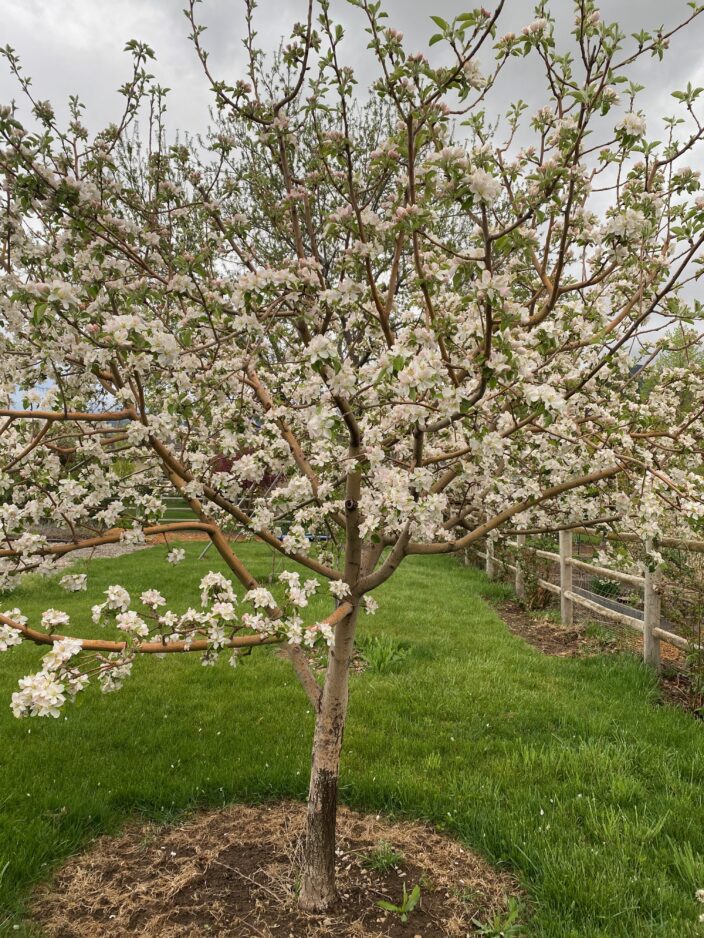
Photo by Elizabeth Binks
Mother Nature nudged fruit trees into waking up early, so home orchardists will need to start their fruit tree work a little early this year.
Elizabeth Binks is a USU Horticulture Assistant and Taun Beddes is a USU Extension associate professor.