Hidden home hazard: Radon Awareness Month encourages everyone to take risk seriously

-

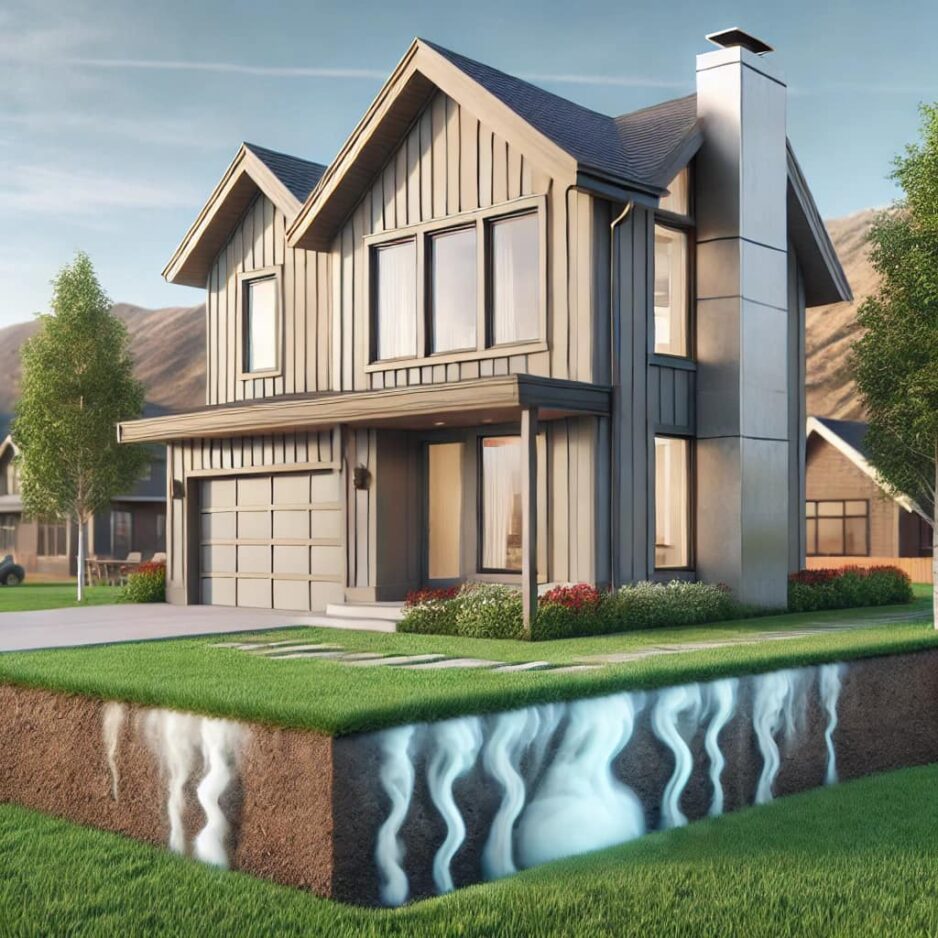
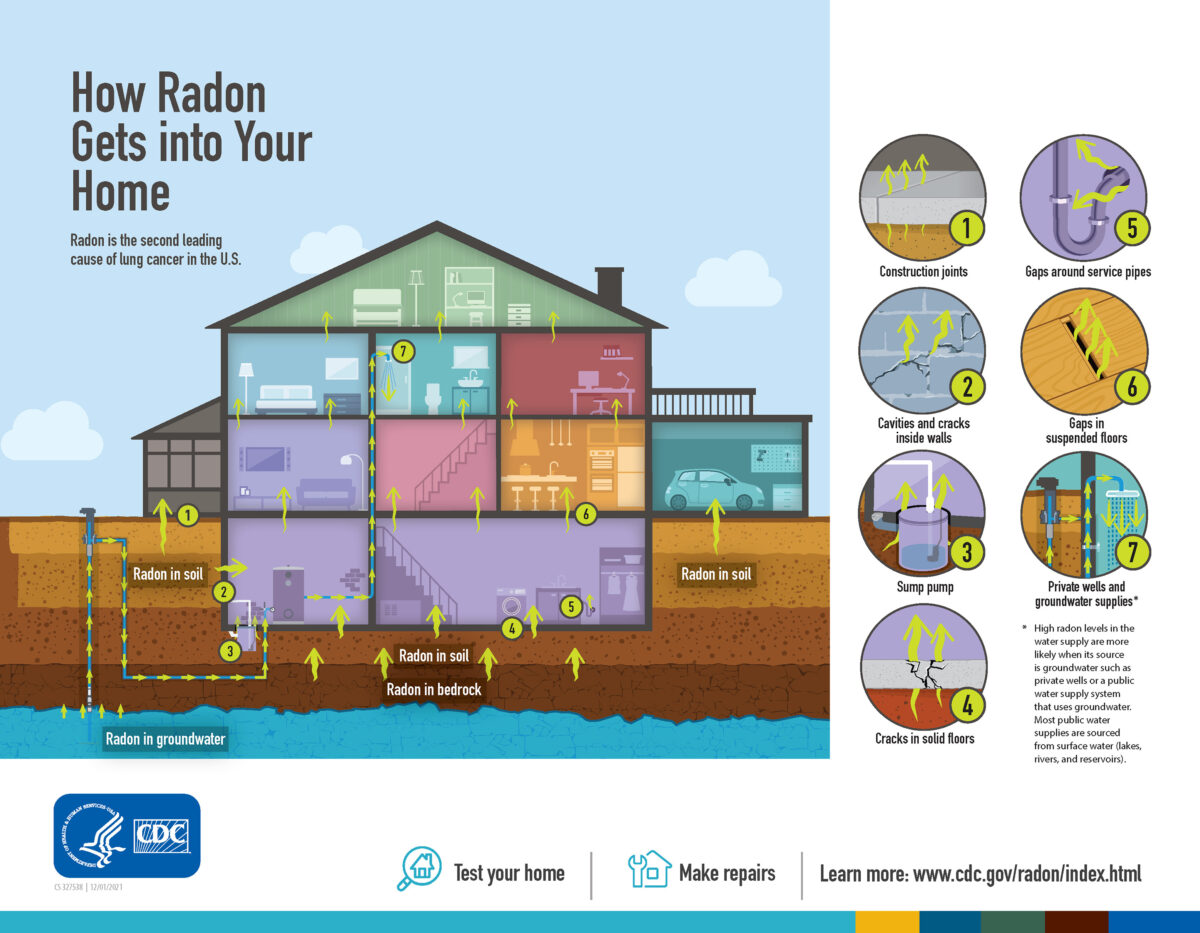
- A graphic showing radon seeping up through the ground below a home.
-
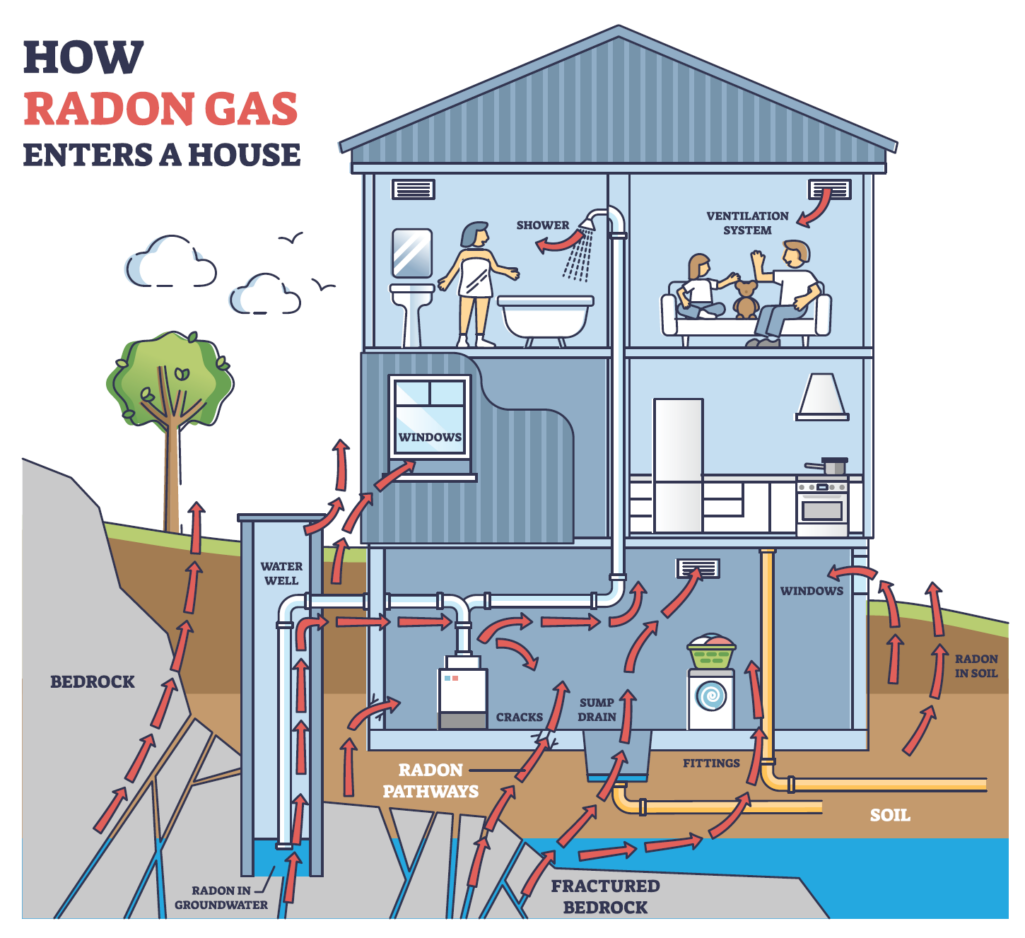
- A diagram shows how radon enters a home.
-
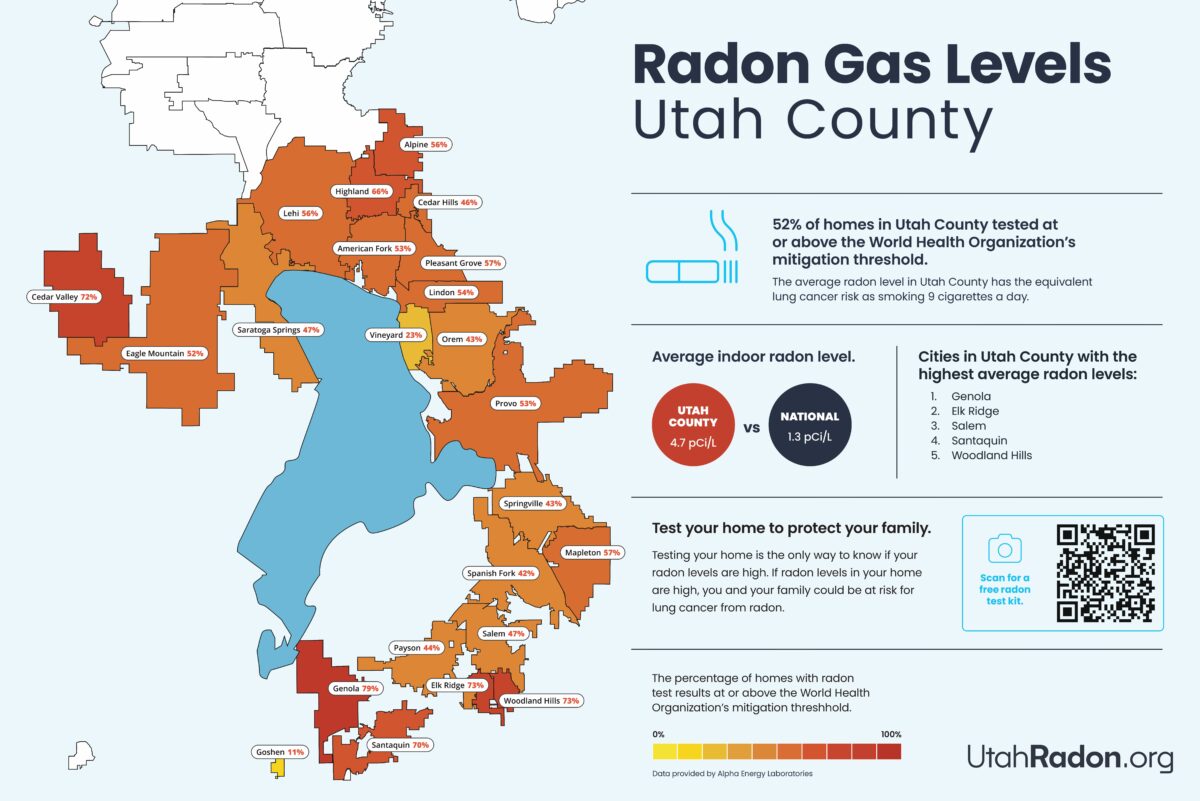
- A chart shows percentage of radon levels in Utah County cities that are above the healthy level.
-
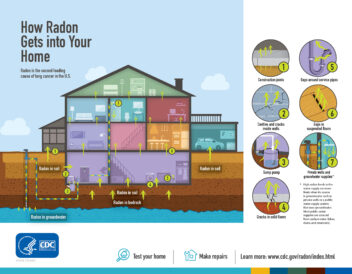
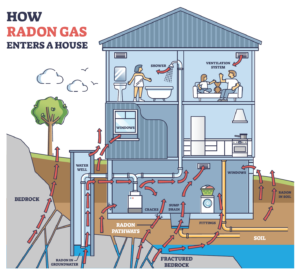
- A diagram shows how radon enters a home.
-

- Ron and Kerri Robbins are shown inside of their Lehi home on Nov. 19, 2024.
We do a lot to protect ourselves in our homes.
We put in smoke alarms, security systems, locks, fire extinguishers and carbon monoxide detectors as well as other safety and security measures.
But there may be a significant threat in our homes that we don’t do enough to address: Radon gas.
Its presence — which can cause lung cancer — can make your home a more dangerous place, as Kerri Robbins of Lehi discovered three years ago.
“We had just purchased a home in Lehi in 2018,” she said at a Radon Awareness Month event on Tuesday in Sandy. “We had gutted it and just renovated the whole thing. I loved my home.”
But Robbins later was diagnosed with lung cancer, despite not smoking. That was when she learned about the harmful effects of radon.
“I contacted Dr. Wallace Ackerley up at Huntsman Cancer Institute, and he said, ‘So, you are a non-smoker. Have you tested your home for radon?'” Robbins said. “I didn’t know I needed that. I asked, ‘What’s radon?’ So, we tested the levels in our home, and they were so high it was like I was smoking three packs of cigarettes a day. We immediately mitigated, but by that time, I already had cancer. It was very hard to find out that it was my home that may have caused it.”
While awareness about the dangers of radon has grown significantly in the last decade, there are still many misconceptions and uncertainties.
Here is a look at what radon is, how and where it can be found, and what we do about it:
What is radon?
TJ Mellars, general manager of Utah Radon Services, explained that understanding the basics of the gas results in better comprehension of the risks.
“Radon is a naturally occurring gas that comes from decaying uranium and radium in the soil,” Mellars said. “Anywhere in the world where there is any uranium and radium in the soil will have radon gas being produced in that soil. It’s natural that the radon gas wants to come up to the surface. Because the air pressure is lower up here, it kind of draws the gasses upward.”
The gas itself is significantly heavier than the air around us but that doesn’t prevent it from concentrating in homes.
“Radon is about six times heavier than normal ambient air, and that property of radon gas is why we tend to have the highest concentration of radon gas in the lowest level of our homes,” Mellars said. “But it still moves with air pressure differences, so there will be radon on upper levels as well.”
He explained that it’s because of the chemistry of how radon gas breaks down that releases the radiation that can cause cancer.
How and where is radon found?
Homes, Mellars said, with their ventilation systems draw the gas from below like a vacuum.
“Radon is present in our homes in the first place is because of the air pressure difference,” he said.
But because of variations in rock, soil composition and shifts below the ground, how much radon emerges can vary greatly by location.
“My home tested above 10 picocuries per liter (pCi/L) — which is the standard measurement for radon — while my next door neighbor’s house who is 15 feet away was in the ones,” Mellars said.
He explained that the elements that create radon gas aren’t distributed evenly, nor are the pathways the gas uses to emerge from the ground the same.
“As a gas, radon will travel through even the most compact soils,” Mellars said. “But ore-porous soils can lead for more free-flowing pathways for radon to get to certain places than others. We don’t know what’s going on 20 feet or more below our houses.”
And things can change, as well. Sizeable earthquakes have resulted in noticeable increases in the amount of radon in certain places because of the geologic changes beneath the ground.
What do we do about radon?
The silver lining, according to Mellars and Robbins, is that radon risks can be mitigated with specialized ventilation systems.
“You don’t want to install a fan that just sucks air out of the house, because that can depressurize the house and actually increase the radon entry into the home as a result of causing more negative air pressure,” Mellars said. “What you’re actually doing with this fan is you’re trying to depressurize or draw air flow from underneath the foundation of the home, from the soil directly.
“What you’re wanting to do is vacuum these harmful soil gasses from the soil under the home, and then the building code says that those gasses have to be vented above the roof line where they can just disperse safely with the open air outside.”
Robbins said she was pleasantly surprised when they were looking at installation at how much mitigation systems cost.
“I figured it was probably $4,000 or $5,000, but it was only about $1,800,” she said. “And compared to the cost of cancer, that’s nothing, absolutely nothing.”
Since learning about radon and experiencing its dangers, Robbins has made it a mission to warn others. While she may never know the real impact of people taking the time to test and minimize the risks of radon, she said there have been moments where she feels like the efforts have been worth it.
“We were up at Huntsman last June and I was talking to people, asking if they had tested for radon,” she said. “Here was this couple with three little kids and the dad looked at me, and he goes, ‘It’s because of you that we tested and we mitigated.’ Just to know that little family is safe, that they don’t have to worry, it means a lot. It just means a lot to be able help someone else in any way at all.”
While not everyone who is exposed to high levels of radon will get cancer, addressing the amount of gas minimizes the risk. That is why testing is so vital to protect those who live in our homes.
“We do have fire alarms and carbon monoxide detectors, and we are worried about retrofitting homes for earthquakes,” said Ryan Kirkham, past president of the Utah Association of Realtors. “I think this is the same thing. This can be a killer, but it’s just kind of more of a silent killer. We don’t see it. We don’t know it’s there. But it’s important we think about these things. But it is part of protecting the people in our homes.”
Due to the shifting nature of radon levels, experts now recommend that homes get tested more frequently, every couple of years. In the future, though, it wouldn’t be surprising to see constant monitoring become more commonplace to warn if risk levels become elevated.
Mellars said he believes the bottom line is to know what risks you are facing and then address them.
“My message to every resident in Utah is test your home,” he said. “Start with a simple test and then make educated decisions from there.”
For more information on how to get a radon test, go to utahradon.org.