Garden Help Desk: With care and correct variety choices, cauliflower gardeners can see success
-
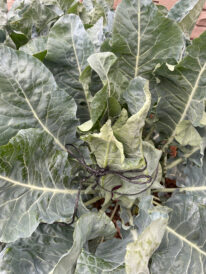
- Wrapping and tying the plants leaves over the cauliflower head can protect the head from direct sunlight and keep the cauliflower curd white.
-
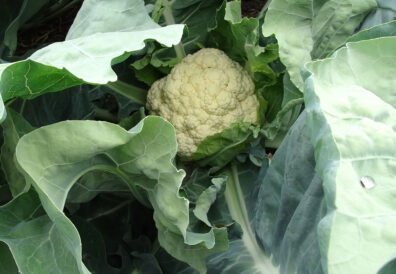
- This cauliflower head is ready for harvest. If left too long in the garden, it could develop ricey curds, so it’s best to harvest a head when it’s ready.
-
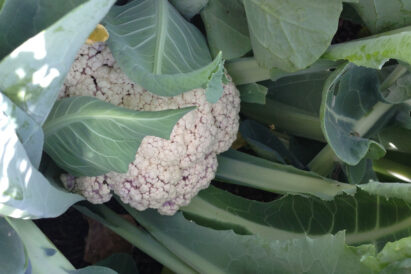
- Chilling stress in the spring or heat stress or drought stress can cause a cauliflower head to develop a loose, open head, which is also known as ricey curds.
-

- Cauliflower varieties are also available in colors like lavender, orange, purple and even green.
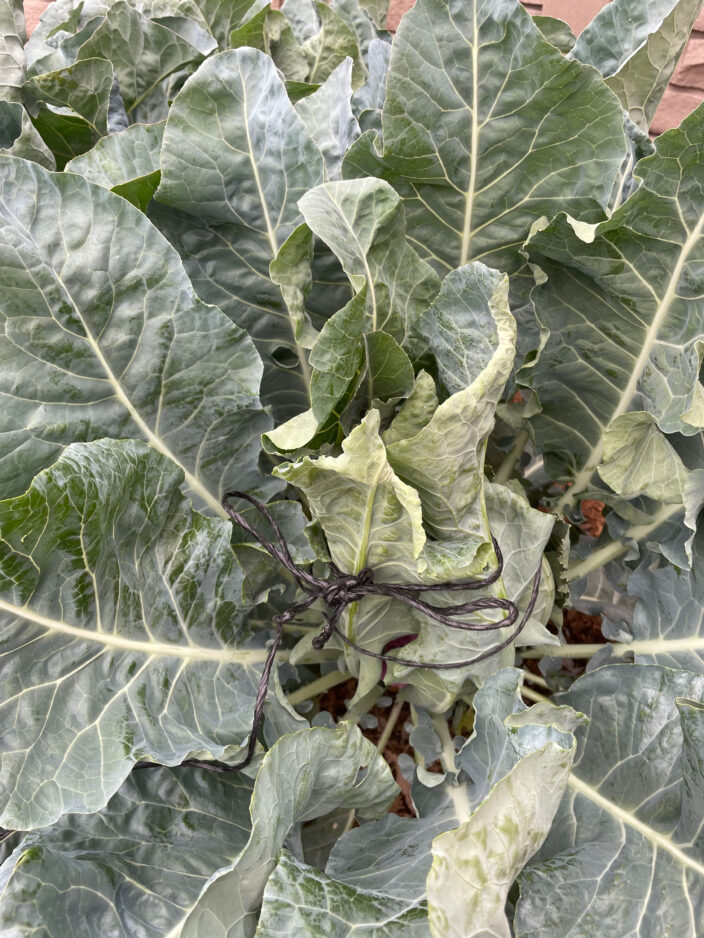
Photo by Meredith Seaver
Wrapping and tying the plants leaves over the cauliflower head can protect the head from direct sunlight and keep the cauliflower curd white.
Here is a question for the Garden Help Desk:
I grew a couple of cauliflower for the first time this year. The plants were looking good this fall, but when I harvested the heads, they weren’t as solid as I expected and kind of dingy looking instead of white. What happened?
Cauliflower from the garden is delicious steamed, sauteed or roasted. Growing good cauliflower with white tight florets in the head (also called curds) depends on a few different factors, though, from choosing the right variety to planting at the right time and giving your plants the right attention and care.
Cauliflower is a cool-season crop and doesn’t do very well in the heat of summer. Some varieties need to be planted in the spring so that they mature while temperatures are still cool, and other varieties have been bred to be a little more heat tolerant. Still other cauliflower varieties do well when planted in the summer to mature in the cooler temperatures of the fall. Make sure you time the planting of your cauliflower to match the needs of the variety you’ve chosen.
Good soil preparation is important when growing cauliflower. It does well in most Utah Valley soils if your planting spot is fertile, well-drained and rich in organic matter. Plant-based compost can help if organic matter is low, but you may want to get a routine home soil test now (by clicking here) to learn about any soil fertility needs that should be corrected before planting your cauliflower next season.
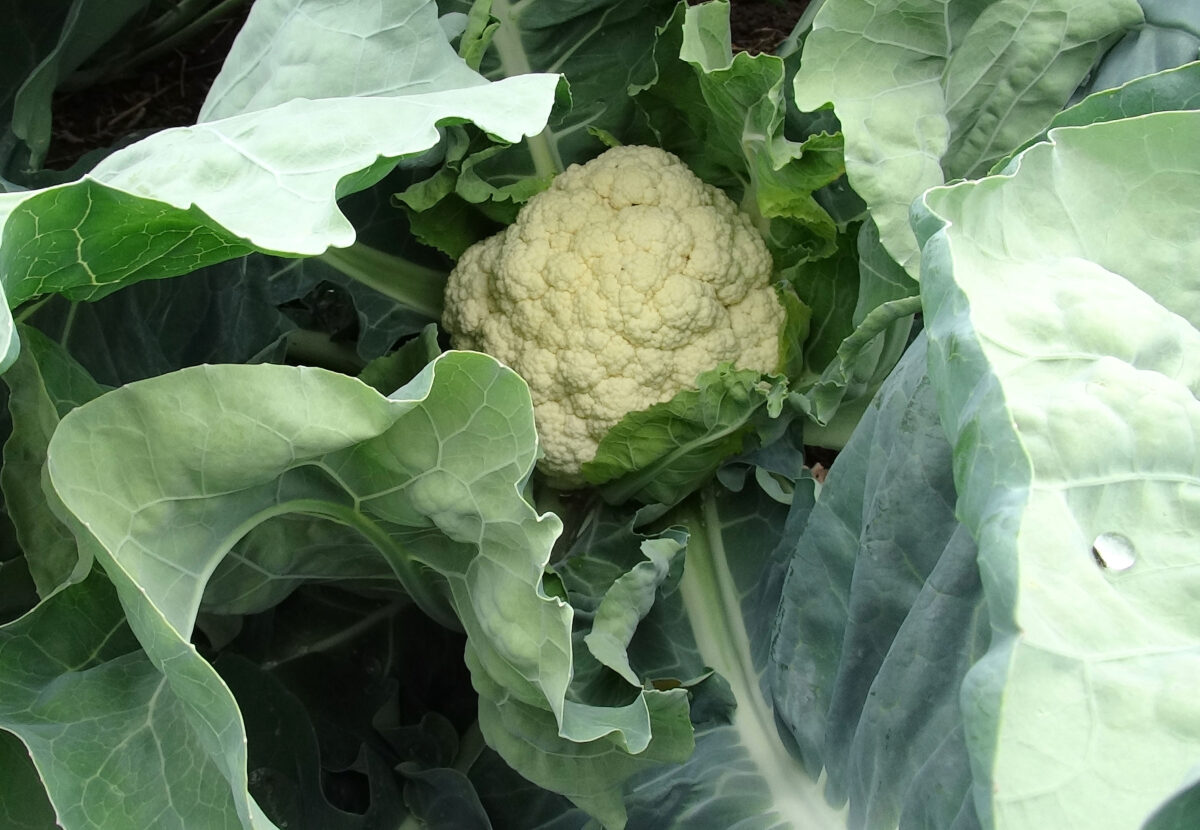
Photo by Meredith Seaver
This cauliflower head is ready for harvest. If left too long in the garden, it could develop ricey curds, so it’s best to harvest a head when it’s ready.
Give your plants room to grow when you plant your seeds or set out your transplants. Most varieties need 12 to 18 inches between plants. If you’ve started from seed in the garden and need to thin the plants, you may be able to carefully move some seedlings to another part of the garden to give all the plants more space. If you want to harvest cauliflower for more than a couple of weeks, consider doing another planting of a warmer season variety a few weeks later in the spring or even early summer for harvest during the fall.
Watering is another important part of producing good cauliflower. You’ll want to maintain even soil moisture by watering deeply but not frequently. Cauliflower plants don’t do well with chronically wet soils or with drought stress. If your soil is sandy, you may need to monitor more closely and adjust your watering. Mulch over the soil can also help with this.
So, what about that that dingy color and open texture on your cauliflower heads?
The off color is most likely the result of sun exposure while the heads were growing. It can also affect the flavor of your cauliflower. To prevent that next year, you’ll want to protect the developing heads from direct sunlight. The most common way this is done is by blanching. No, not the boiling water method used to prepare vegetables for freezer storage. Blanching cauliflower in the garden means gathering and tying the large leaves together over the head to block the sun. The best time to do this is when the head of broccoli is about ping pong ball or egg sized. Avoid blanching while leaves and heads are wet to reduce the risk of fungal disease in your plants.
Sometimes a head of cauliflower will open up instead of forming a compact head. When this happens, it’s referred to as ricey curds. This can happen when the plants are exposed to very high or low temperatures during the growing and heading season. There isn’t always much you can do about unseasonably hot or cold temperatures beyond protective row covers or shade cloth, but you do have control over one of the other common causes of ricey curds; waiting too long to harvest. Get them into the kitchen when they’re ready! Drought stress while the heads are growing is another cause, so keep an eye on the soil moisture.
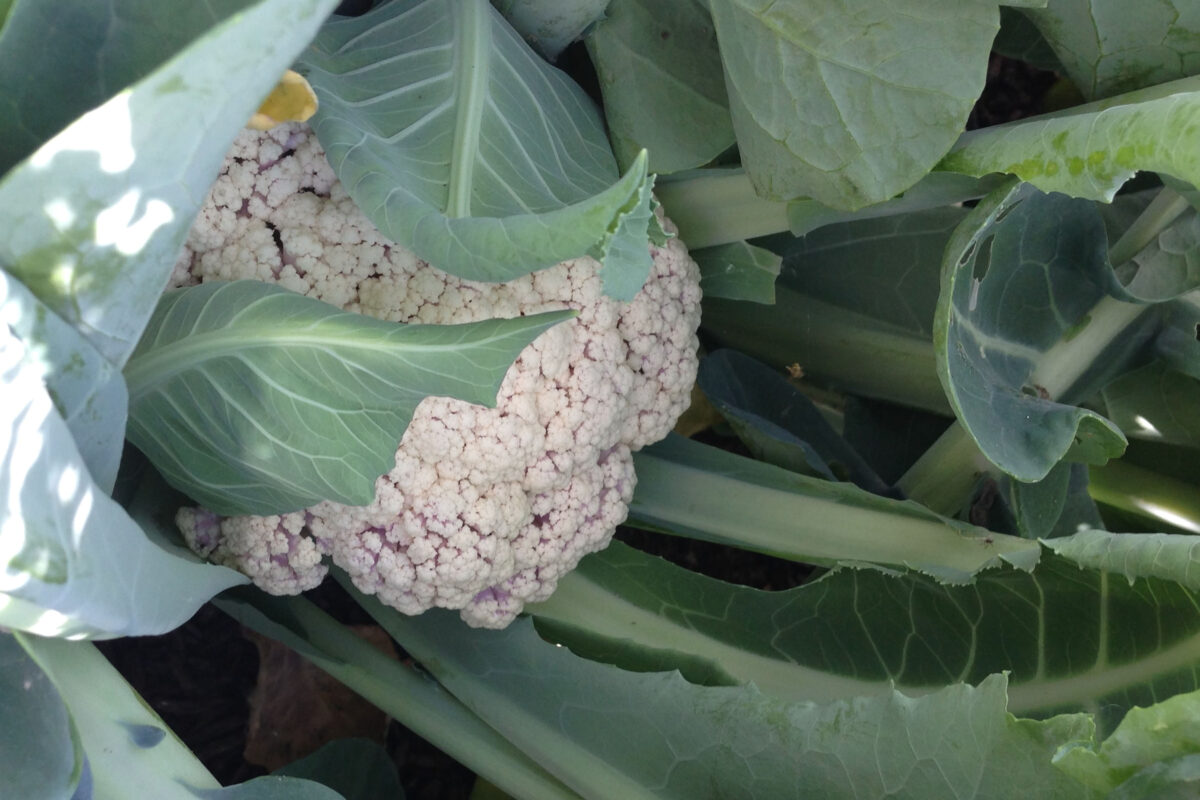
Photo by Meredith Seaver
Chilling stress in the spring or heat stress or drought stress can cause a cauliflower head to develop a loose, open head, which is also known as ricey curds.
If you’ll select the right varieties for your garden schedule, give them good care and protection from extreme cold and heat, blanch the heads and keep the soil moisture even, you can expect of nice harvest of beautiful, tasty cauliflower next year.
Meredith Seaver is a USU Extension horticulture assistant.
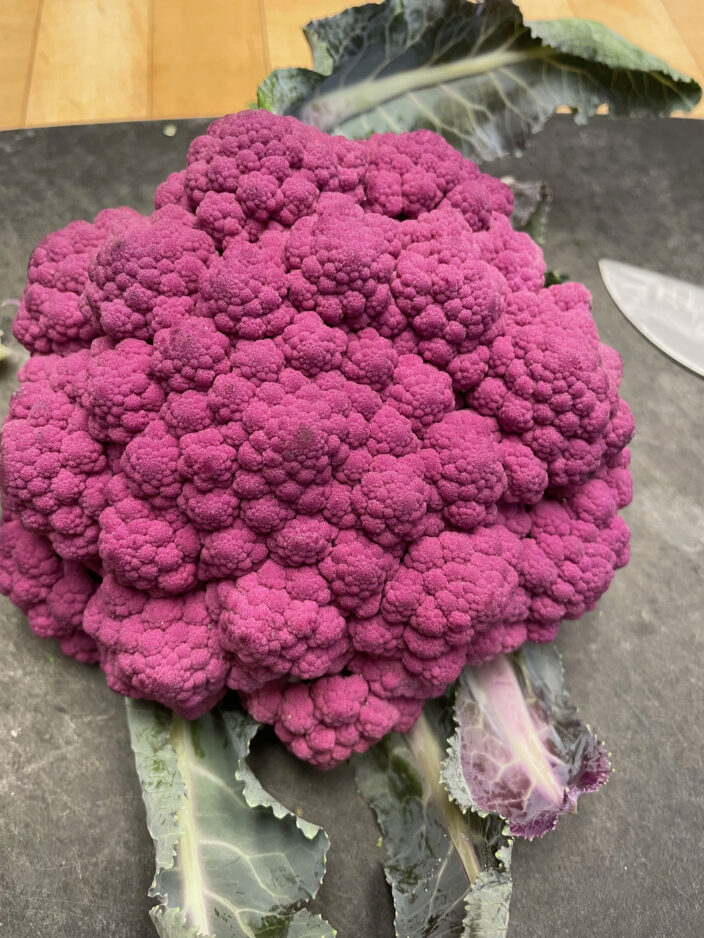
Cauliflower varieties are also available in colors like lavender, orange, purple and even green.