Garden Help Desk: Timely garden tips for October
-
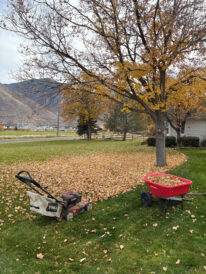
- Mowing is an easy way to shred, collect and clean up fall leaves and put them to work in new ways. The leaves can be added to a compost pile, spread and turned under in a garden bed, or simply dropped back onto the lawn with a mulching mower every week to serve as a nitrogen source.
-
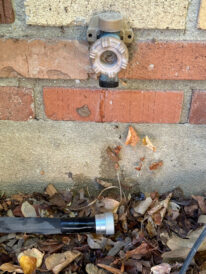
- Not every outside faucet is frost-proof, so it’s always a good idea to unhook all hoses at the end of the season to prevent potential damage from freezing water in the pipes. Also, take a few minutes to move hoses to a protected storage area.
-
- Pumpkins and other winter squash are ready for harvest when their stems are hard and dry and their rind can’t be scratched with a fingernail. There may still be tomatoes and peppers in the garden. Keep an eye on the forecast and bring in any that are full-sized and beginning to color up before frost to finish ripening indoors.
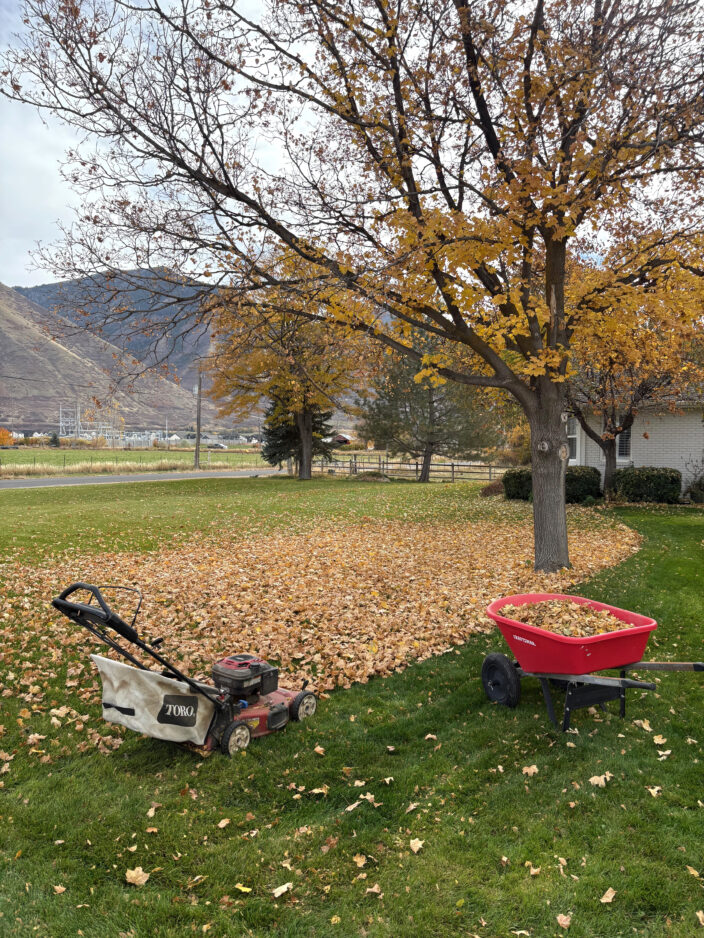
Photo by Elizabeth Binks
Mowing is an easy way to shred, collect and clean up fall leaves and put them to work in new ways. The leaves can be added to a compost pile, spread and turned under in a garden bed, or simply dropped back onto the lawn with a mulching mower every week to serve as a nitrogen source.
October is a pivotal month in the garden. A little work now can make a big difference when spring arrives — and you’ll definitely thank yourself later!
Clean up garden beds to help deter pests and disease. Remove diseased plant material and compost healthy plant debris. Add a fresh layer of compost to your garden beds. The compost will continue to decompose over the winter, adding organic matter and nutrients to the soil. This will help build healthy soil for next year.
Don’t throw away your leaves! Fallen leaves are an excellent source of organic matter for garden beds. Leaves left in a thick layer on the lawn can smother grass, but when chopped into small pieces, they become a valuable soil amendment. Mow them up and collect them in your lawnmower’s bag. This will chop the leaves into smaller pieces and mix them with grass clippings, creating a gold mine of soil-building organic matter. You can spread the mixture directly onto garden beds as mulch or add it to your compost pile.
October is a great month to plant garlic, tulips and other fall-planted bulbs. It is also an excellent time to plant trees, shrubs and perennials while the soil is still workable and temperatures are cooler. If you have overgrown spring- and summer-blooming perennials that need dividing, early October can be a good time to tackle them.
If a frost is imminent, pick any mature green or slightly pink tomatoes and bring them inside to finish ripening. Place them in a cardboard box or shallow tray and keep them at room temperature and out of direct sunlight. Check them regularly and remove any tomatoes that begin to rot or develop significant cracks. Use them as they ripen and enjoy the last taste of summer before the garden goes dormant.
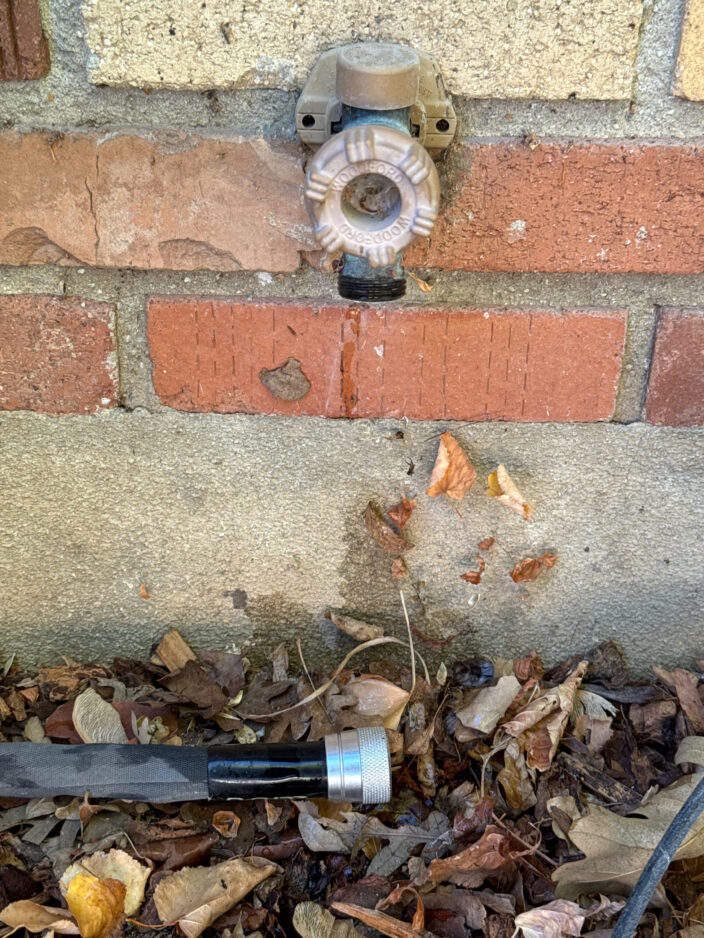
Photo by Anna Seaver
Not every outside faucet is frost-proof, so it’s always a good idea to unhook all hoses at the end of the season to prevent potential damage from freezing water in the pipes. Also, take a few minutes to move hoses to a protected storage area.
Harvest and cure pumpkins and winter squash. They are ready to harvest when they have reached their mature color and the rind is hard and not easily scratched with your fingernail. Leave a few inches of stem attached when harvesting. Cure squash in a warm, dry place such as a greenhouse or indoors, ideally around 75 to 85 degrees, for one to two weeks. Once cured, store them in a cool, dry place for the winter. Many winter squashes improve in flavor and texture after a few weeks in storage.
Bring pumpkins inside if temperatures plummet. A hard freeze can cause water inside your pumpkins to freeze. Once the tissue thaws, it will turn mushy and decompose rapidly. When the forecast predicts temperatures will drop below 28 degrees, move your pumpkins into a shed, garage or the house overnight.
Finally, detach and drain hoses and winterize irrigation systems. Clean and sharpen garden tools and store them properly in a garage or shed. A little work now will make getting back into the garden next spring much easier — and leave you more time to enjoy planting when the growing season begins.
Elizabeth Binks is a horticulture assistant at the USU/Utah County Extension Service.
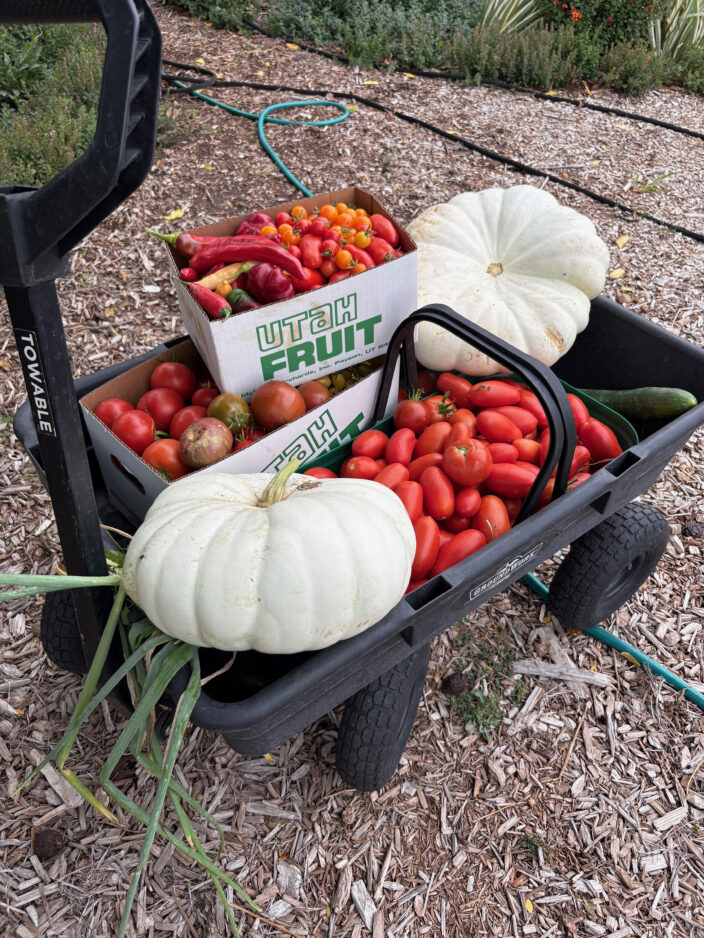
Pumpkins and other winter squash are ready for harvest when their stems are hard and dry and their rind can’t be scratched with a fingernail. There may still be tomatoes and peppers in the garden. Keep an eye on the forecast and bring in any that are full-sized and beginning to color up before frost to finish ripening indoors.