Garden Help Desk: November gardening tasks and tricks
-
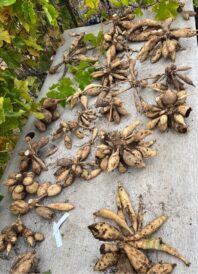
- Dahlias’ tuberous roots need some protection from freezing winter temperatures. You won’t be able to tell the different colors or cultivars apart once they are out of the ground, so label separate and label each variety by keeping them in labeled containers, wrapping and labeling them in bags, or by writing directly on the tuberous roots with a permanent marker before storing them for the winter. Above photo by Madeline Ta’ala
-
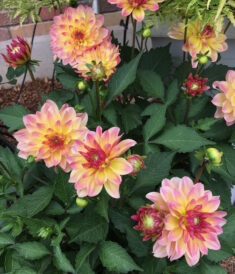
- Sometimes, lifting and storing the tuberous roots of a dahlia is the only way to know you’ll have your favorite variety from year to year.
-
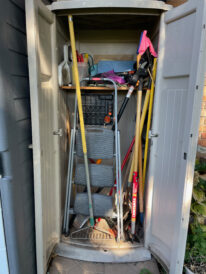
- Garden tools don’t need fancy or spacious accommodations for the winter, just protection from rain, snow and standing water.
-
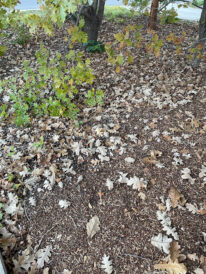
- Fall leaves on a lawn shouldn’t be ignored, but when they land on the soil or mulch in flowerbeds, shrub beds and tree beds, you can leave them in place to help insulate the soil and shelter beneficial insects.
-
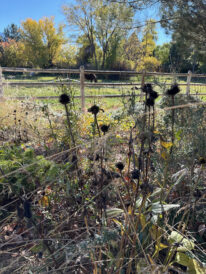
- Many important beneficial insects overwinter in hollow stems or under plant debris. Seed heads can be a food source for birds that spend the winter locally.
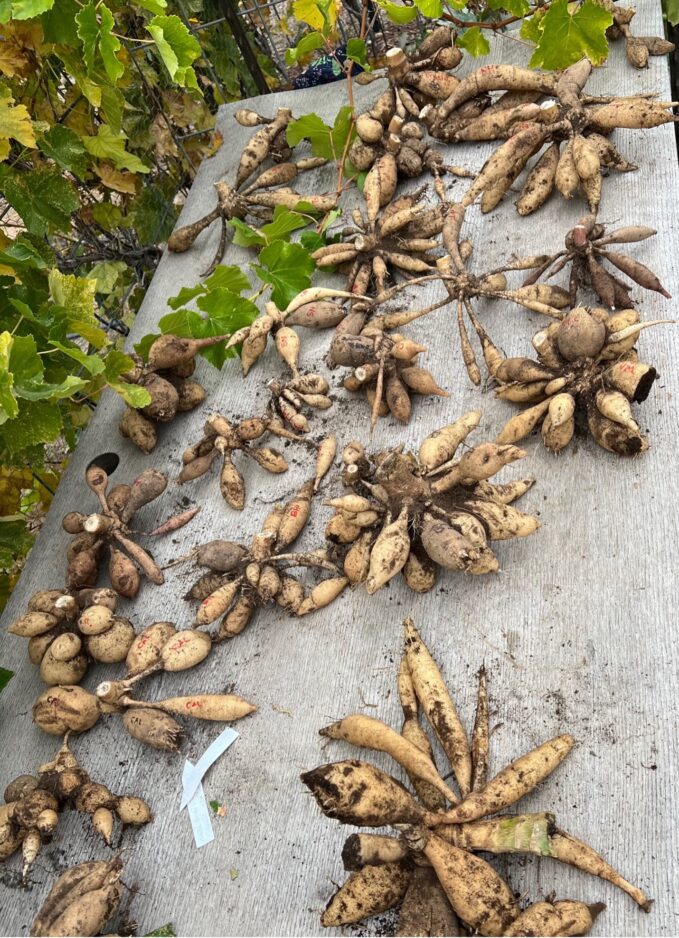
Photo by Madeline Ta’ala
Dahlias’ tuberous roots need some protection from freezing winter temperatures. You won’t be able to tell the different colors or cultivars apart once they are out of the ground, so label separate and label each variety by keeping them in labeled containers, wrapping and labeling them in bags, or by writing directly on the tuberous roots with a permanent marker before storing them for the winter. Above photo by Madeline Ta’ala
Aristotle is credited with saying, “Nature abhors a vacuum.” Whether or not this is scientifically true, I think of this quote whenever I clean up a garden bed in the fall. I know the bed won’t stay clean and tidy for long. Weed seeds already in the soil will germinate when conditions are right, wind and rain can erode exposed soil and winter precipitation can leach nutrients from unprotected ground. Nature has a way of filling empty spaces.
That’s why covering bare soil with mulch, compost or a cover crop is important for maintaining healthy, stable soil. If I don’t fill the void, nature will!
Though it’s getting late for planting many crops, November is a great time to cover garden beds with mulch or compost. These materials protect the soil through winter, and compost will continue to break down, adding organic matter and nutrients. A layer of mulch can also help suppress weeds. It’s a simple task that sets you up for success when spring arrives.
Other tips for November include:
Leave a little garden habitat. When I clean up my garden beds in the fall, I’m not concerned with being overly thorough. Consider leaving healthy plant material, such as seed heads, hollow stems, and some fallen leaves, in your growing spaces. These provide food and shelter for birds, beneficial insects, and other creatures through winter. Think of your garden as a habitat and wait until spring to finish cleaning up so overwintering insects have time to emerge.
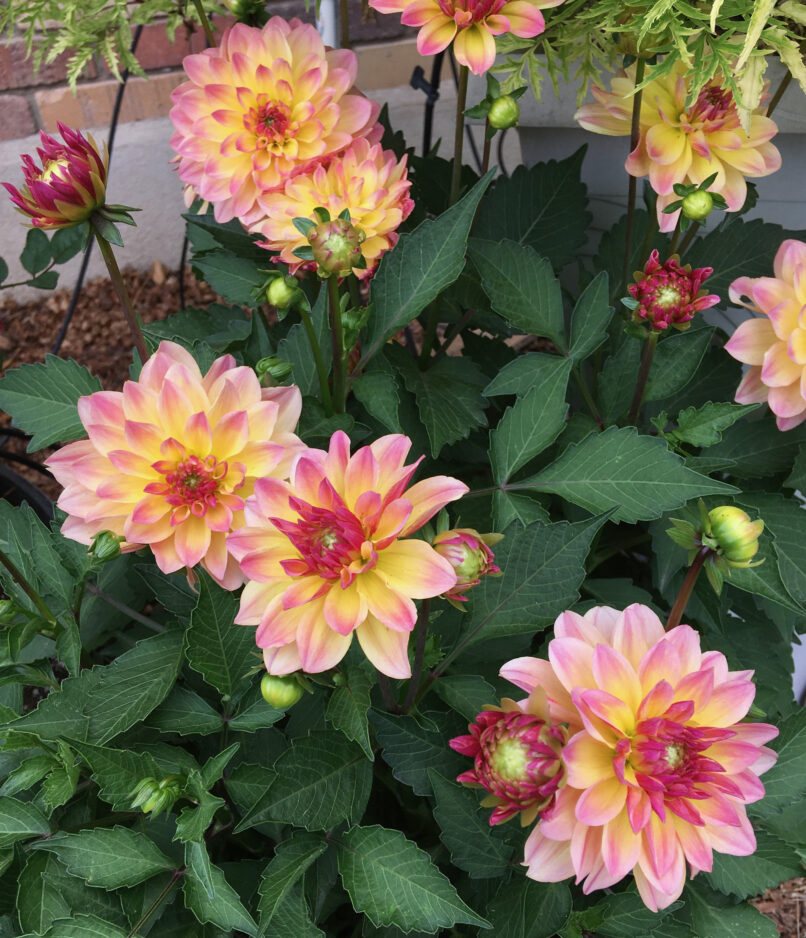
Photo by Meredith Seaver
Sometimes, lifting and storing the tuberous roots of a dahlia is the only way to know you’ll have your favorite variety from year to year.
When I do cut back plants, I sometimes leave the stems and debris in a designated spot in the garden for a few extra weeks in spring. This gives insects sheltering inside the plant material additional time to emerge before I compost or discard it. Your garden’s beneficial helpers will be ready to get to work when the growing season begins.
Dig and store tender bulbs, corms and tubers. Dahlias, cannas and gladiolus won’t reliably survive winter in our Utah gardens, so lift them before the ground freezes. Store them in a cool, dark, frost-free location.
Dahlias require a little extra attention. I gently lift and clean my tubers, then divide them so each division has at least one healthy eye. I let them dry for a few hours but not so long that they begin to shrivel and desiccate. Many gardeners store dahlia tubers in cardboard boxes filled with slightly damp peat moss or dry pine shavings.
An experienced friend taught me another method: once the tubers are dry, wrap each one individually in plastic wrap and label it with a permanent marker. Some gardeners write the variety name directly on the tuber instead. I store mine in a container inside a garage cabinet, where they remain cool and protected. I worried at first that plastic wrap would trap moisture that would lead to mold. However, I have been using this method for a few years and have seen little mold develop. Whatever method you choose, check your tubers periodically for shriveling or rot, and remember that mice will happily eat them if given the chance.
Give your lawn its final mowing. Before winter sets in, mow your lawn to about 1½ to 2 inches, provided the grass is still growing. Keeping grass from becoming excessively long and matted beneath snow can help reduce the risk of snow mold, a fungal disease that damages grass during prolonged periods of cold, wet weather. If you’ve kept your lawn over 3 inches tall all summer, gradually lower the mowing height over successive cuts rather than removing too much at once.
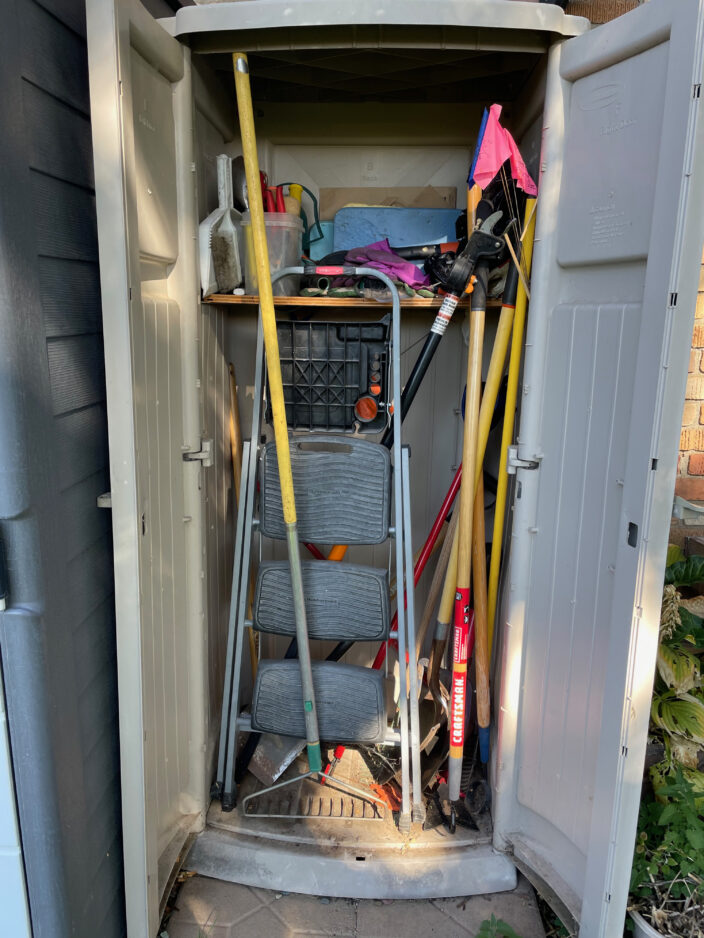
Photo by Meredith Seaver
Garden tools don’t need fancy or spacious accommodations for the winter, just protection from rain, snow and standing water.
Water trees and shrubs before winter. Thoroughly water evergreen trees and shrubs, as well as newly planted trees and shrubs, before the ground freezes. Evergreens continue to lose moisture through their foliage during winter, and dry soil can make it difficult for roots to replace that moisture. If winter is unusually mild and dry and the ground remains unfrozen, water as needed.
Put your tools and hoses away. Disconnect, drain and store garden hoses before freezing temperatures arrive. Clean soil from your tools, sharpen cutting edges, and apply a light coat of oil to metal surfaces to help prevent rust. Store everything in a shed or garage so it’s ready to go when spring arrives.
A little preparation in November can protect your soil, support beneficial wildlife and save you time and frustration next spring. You don’t have to do everything perfectly or make every garden bed spotless. Sometimes, the best thing you can do for your garden is to leave a little room for nature.
Elizabeth Binks is a horticulture assistant at the USU/Utah County Extension Service.
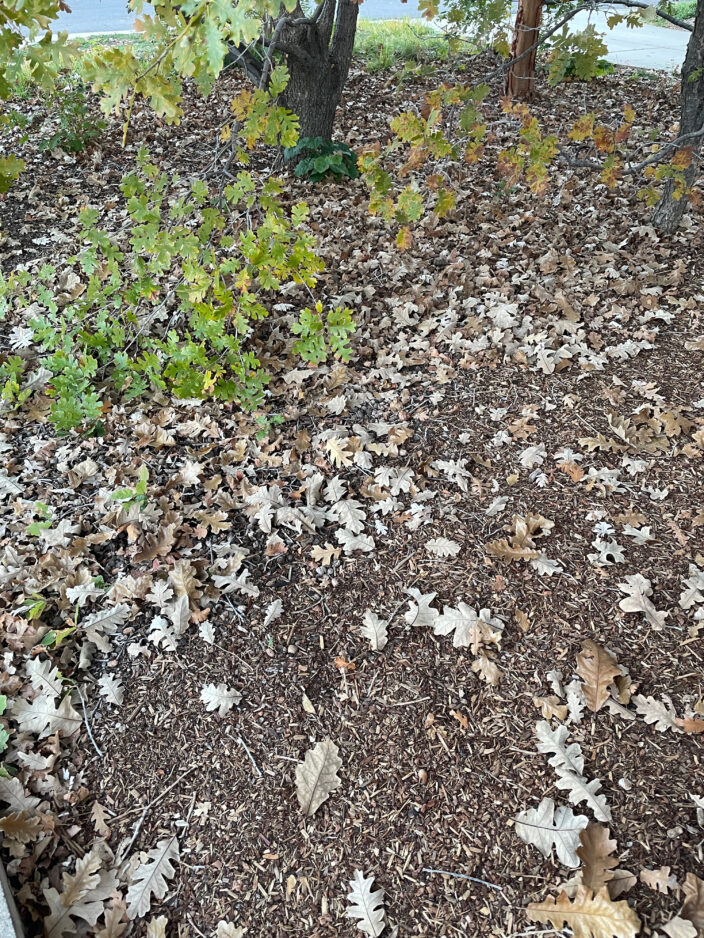
Fall leaves on a lawn shouldn’t be ignored, but when they land on the soil or mulch in flowerbeds, shrub beds and tree beds, you can leave them in place to help insulate the soil and shelter beneficial insects.
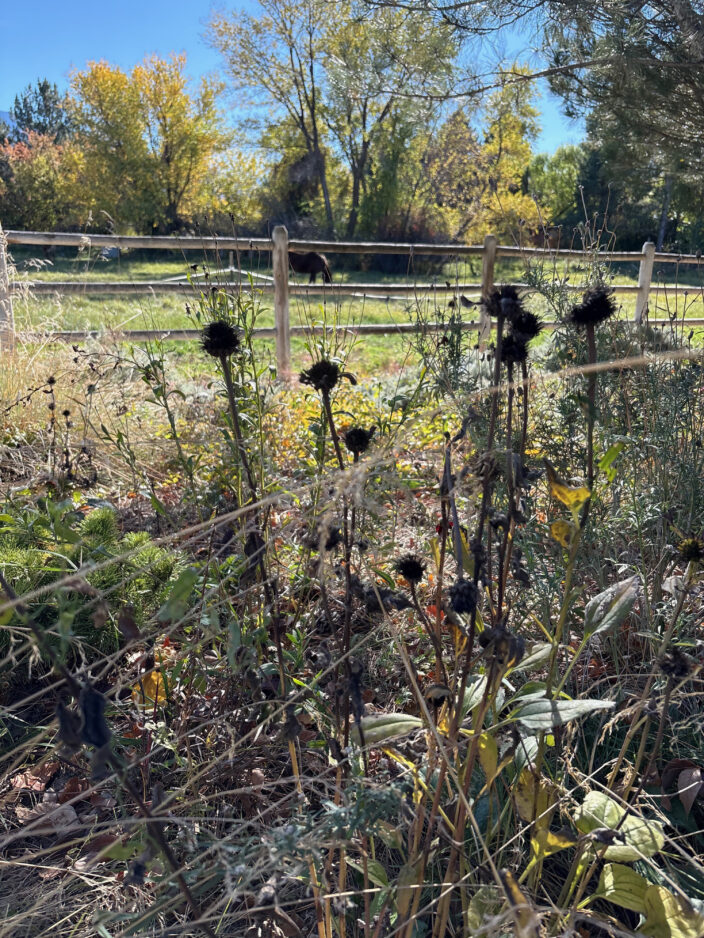
Many important beneficial insects overwinter in hollow stems or under plant debris. Seed heads can be a food source for birds that spend the winter locally.