ATV Adventures: Handling the hazards of exploring the backcountry
-
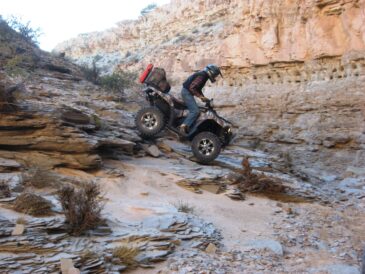
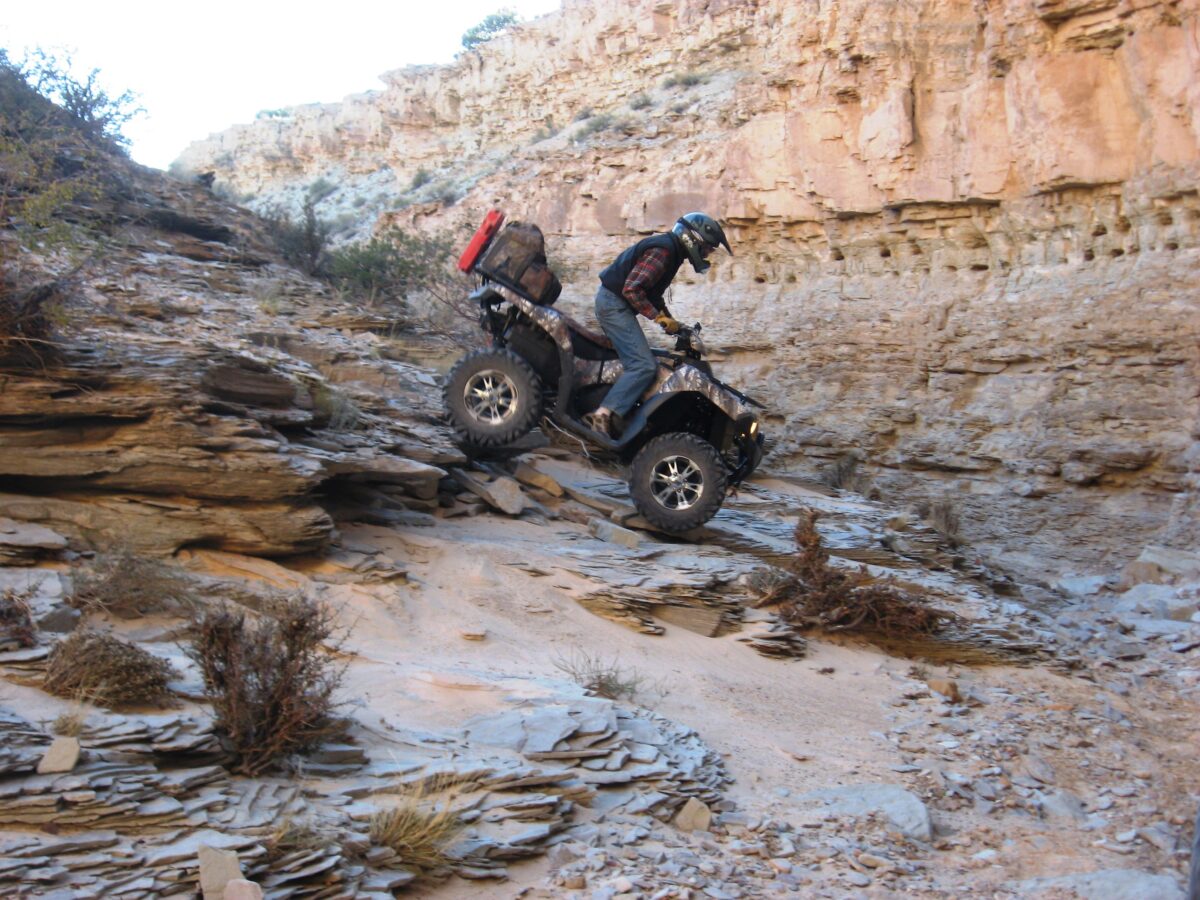
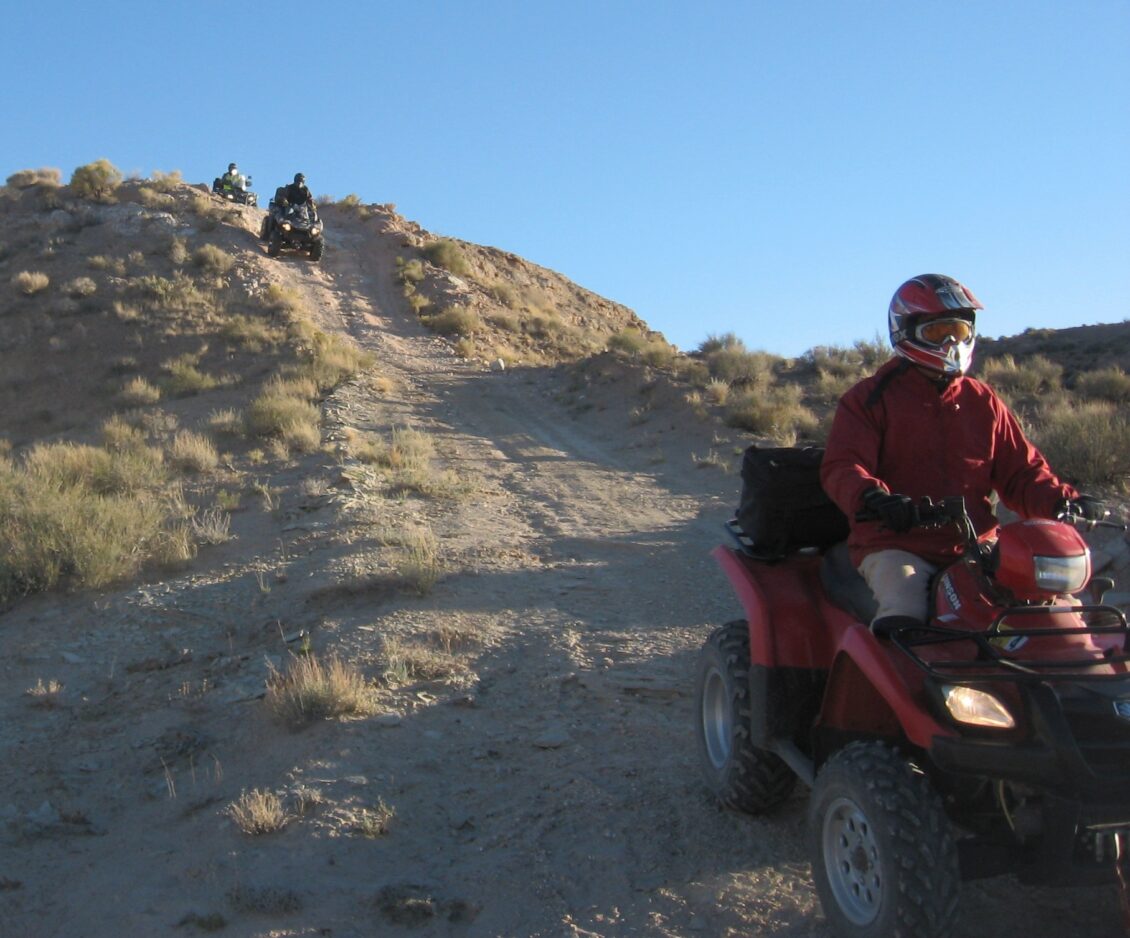
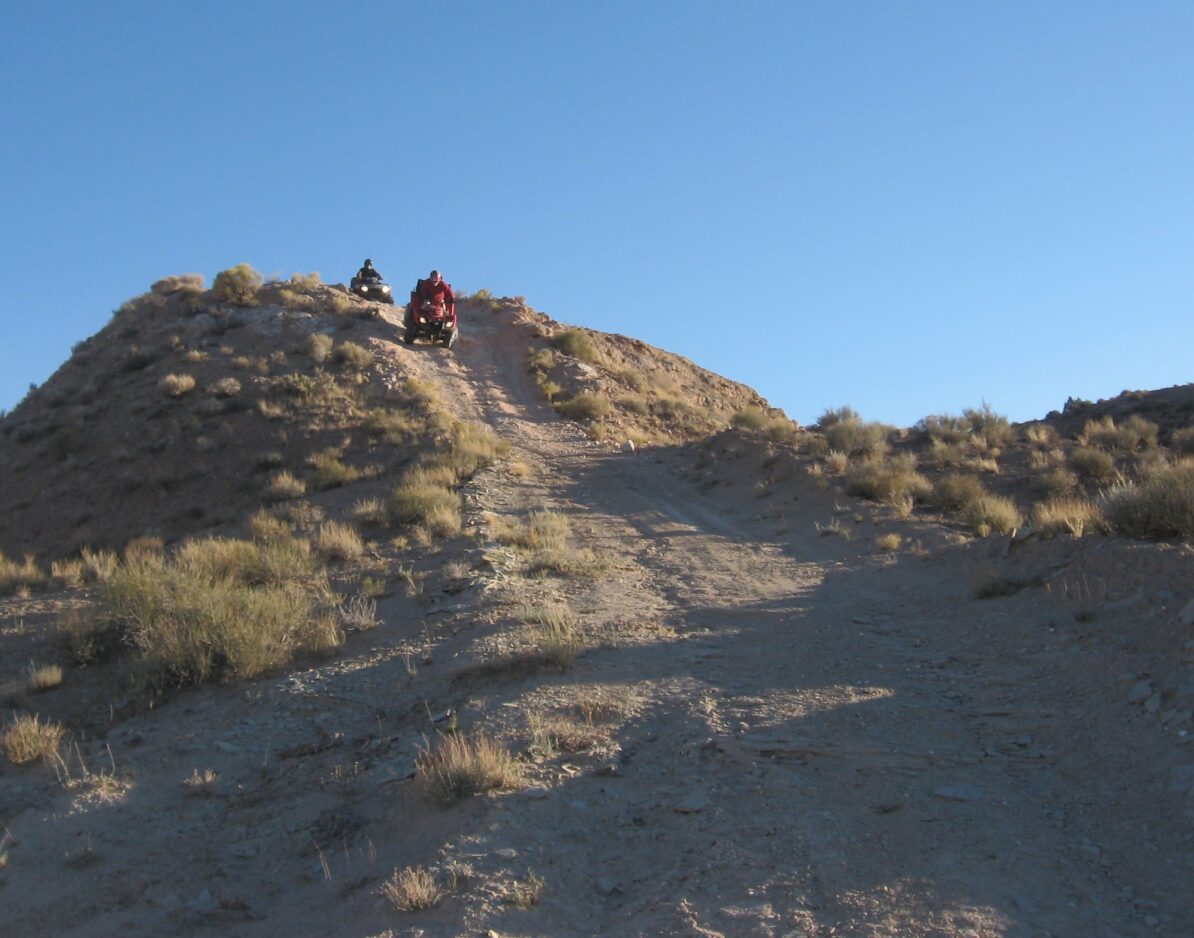
- Reaching the bottom of Eagle Canyon before we knew we were in trouble.
-
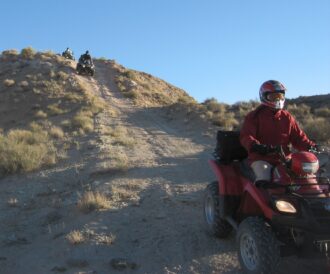
- Continuing our descent into Eagle Canyon.
-
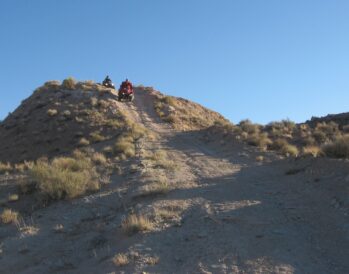
- Descending into Eagle Canyon.
One of the aspects of riding into the backcountry that appeals to me most is being able to return to the starting point after riding into the middle of nowhere. Utah’s backcountry is full of amazing things to see and experience. I prefer to ride a UTV into the splendor of these remote locations.
The news is full of stories of people who go on seemingly innocent off-highway forays, only to find themselves unprepared for the unexpected. Last week, someone ran into trouble driving a Kia Telluride alone on Black Bear Pass in Colorado. Four-wheel drive isn’t the only qualification a vehicle needs to handle backcountry trails.
Backcountry conditions can be harsh and can change rapidly. The first rule of any off-road adventure is to never go alone. I watched a video of jeeps negotiating Black Bear Pass. This trail has a difficulty rating of 7 out of 10, and some of the sections require a spotter. OHVs can take you far into nowhere quickly, but if something unexpected happens, you’ll need help.
I learned this lesson the hard way. I was driving a Dodge van from Milford home to Layton when I got the hairbrained idea to see if I could find a dirt road that would connect me to I-15 to the east. I found one that headed in the right direction and started on an adventure.
It was in the springtime. Patches of snow still dotted the road, and I had a great time splashing through them. That was until I came to a very long patch. It looked innocent enough, and I was having fun, so I put the pedal to the metal. I made it about halfway when I was stopped abruptly.
I was high-centered in a deep patch of snow. I was in the middle of nowhere – no one knew I was there, and the sun was going down. I have read news accounts of people who died in similar situations.
Fortunately, I had a cell phone. Unfortunately, I had trouble finding a signal. Finally, I climbed on a rock and found a signal strong enough to call for a tow truck.
Fortunately, the driver knew the area, found me, and pulled me out. Unfortunately, he lectured me about my stupid plan and the crazy people in the area who could have found me first. The tow and the lecture cost me $250, but I learned the lesson: Never go alone — oh, and don’t be stupid.
It is also important to let someone know about your plans. Not only where you are going, but when you plan to return. Another reason to ride with buddies is that more heads help solve problems. Also, their combined emergency equipment should handle most breakdowns.
I have found that one of the most important items to keep with you is a tow strap at least 20 feet long. If you can’t fix the problem, you can at least be towed back to the trucks. I also carry a 20-foot kinetic rope. The rope’s stretching feature is an advantage when you need to yank someone out of a sticky situation.
Getting lost with seven other riders in the San Rafael Swell taught me some lessons about what to carry in an emergency kit. We took an unfamiliar trail on the way back to the trucks as the sun was low in the sky. When it got dark, our headlights weren’t enough to navigate the uneven terrain.
We had to circle the machines and hunker down for the night. We had maps and a GPS, so we knew where we were. We had a cell signal so we could contact other people. We just didn’t have enough light to see our way out. We built a fire and waited for morning.
That is when we realized that we were missing some things that would have been nice to have, like trail treats. We shared what we had, but you can eat just so many gummy bears. Carrying a good supply of snacks is always a good idea.
A flashlight is good, but a headlamp is better because it frees up your hands. Trouble often comes after dark. I have also found it helpful in securing my machines on the trailer at night.
When you go, take plenty of water, keep the rubber side down, and talk with your riding buddies about what to carry. You will get some good ideas and hear some good stories about the trail.
Lynn R. Blamires can be reached at quadmanone@gmail.com.